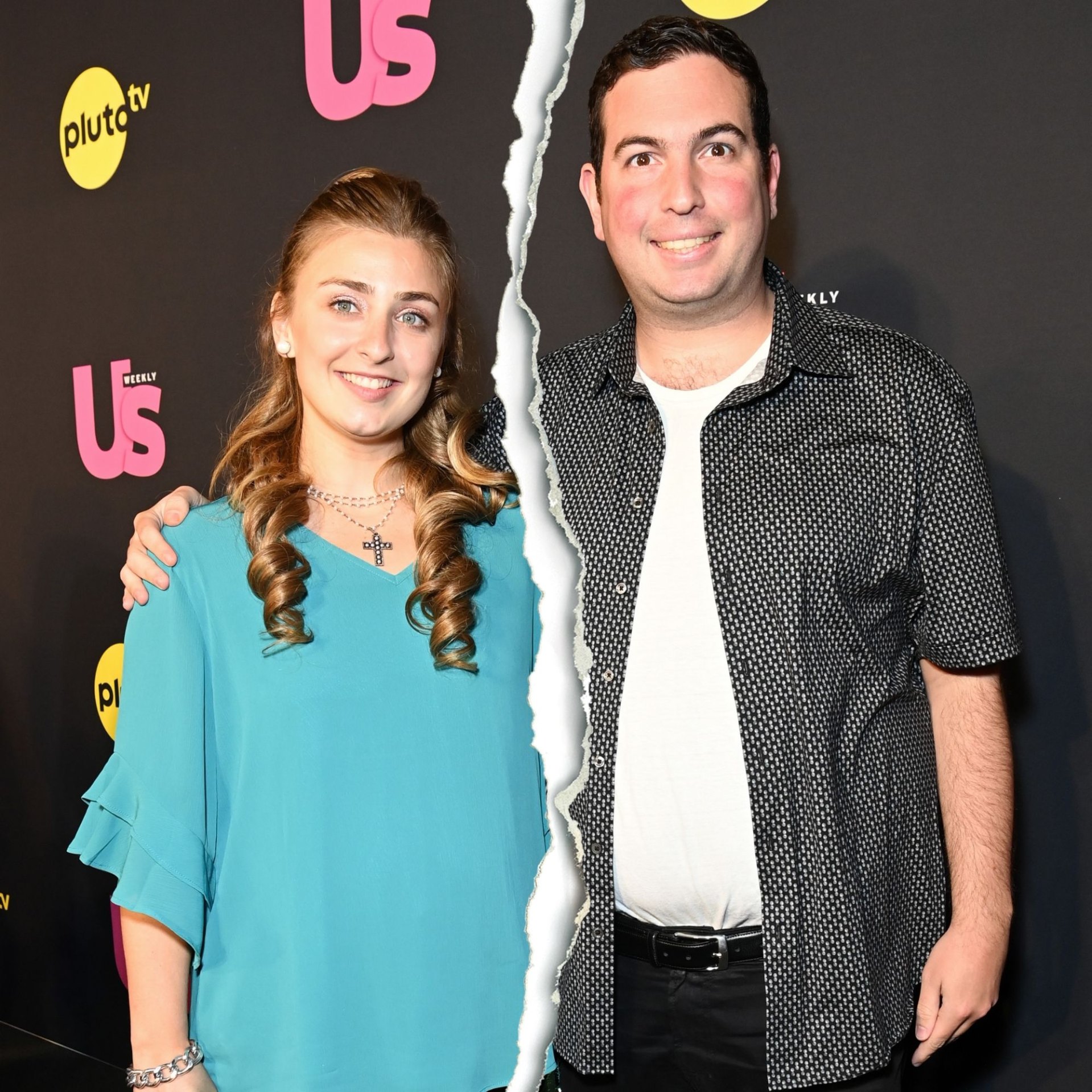
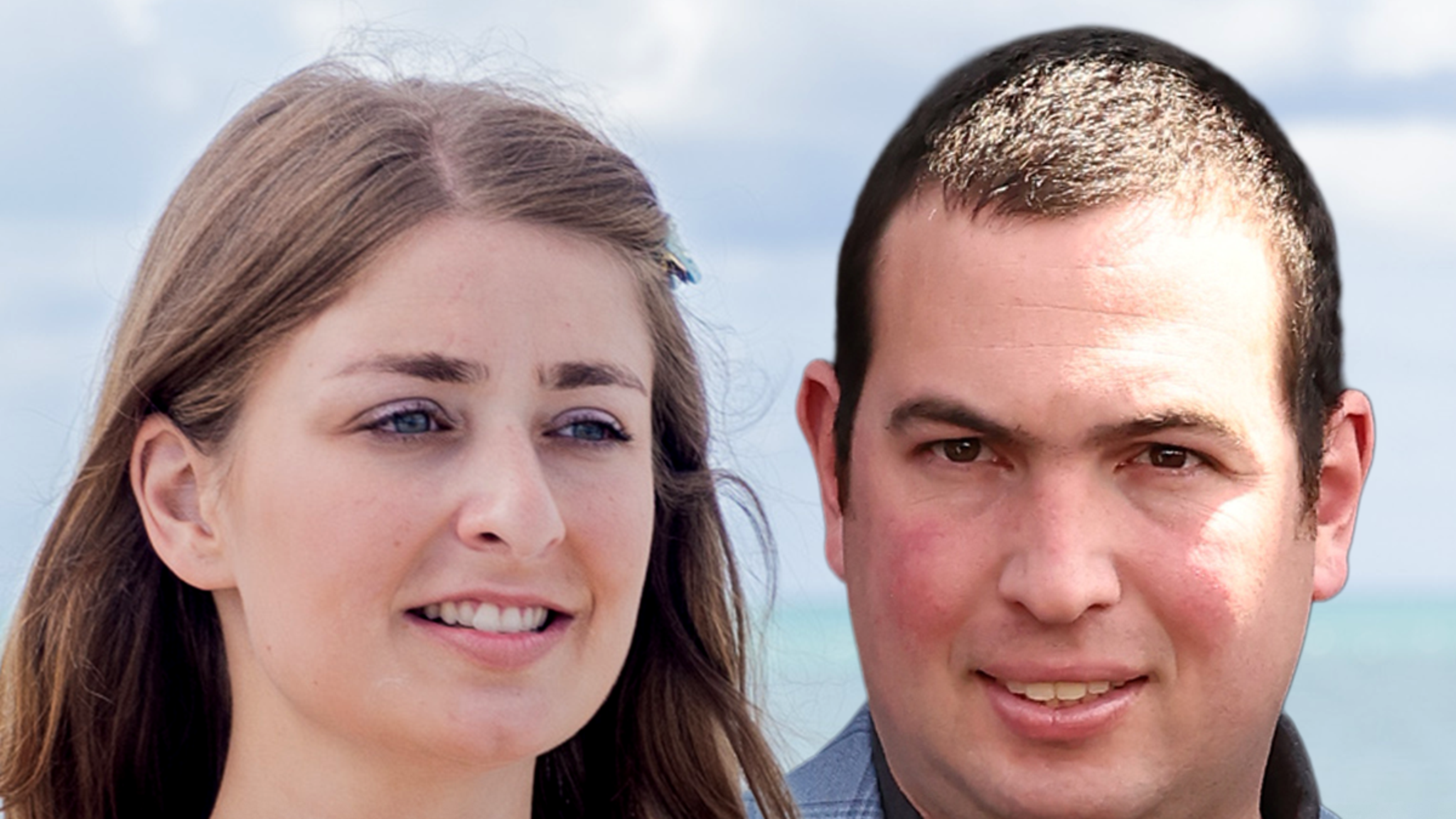
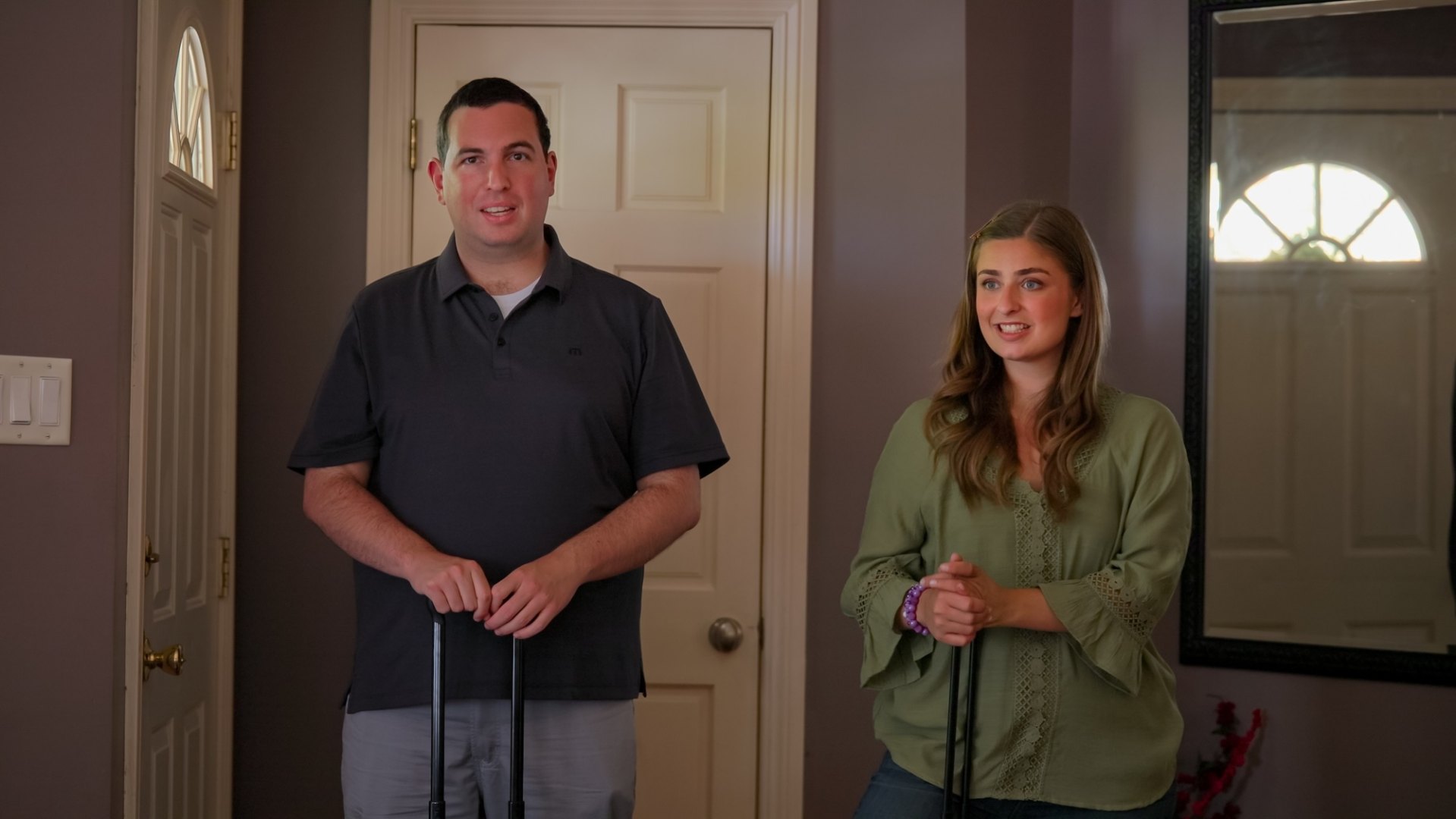
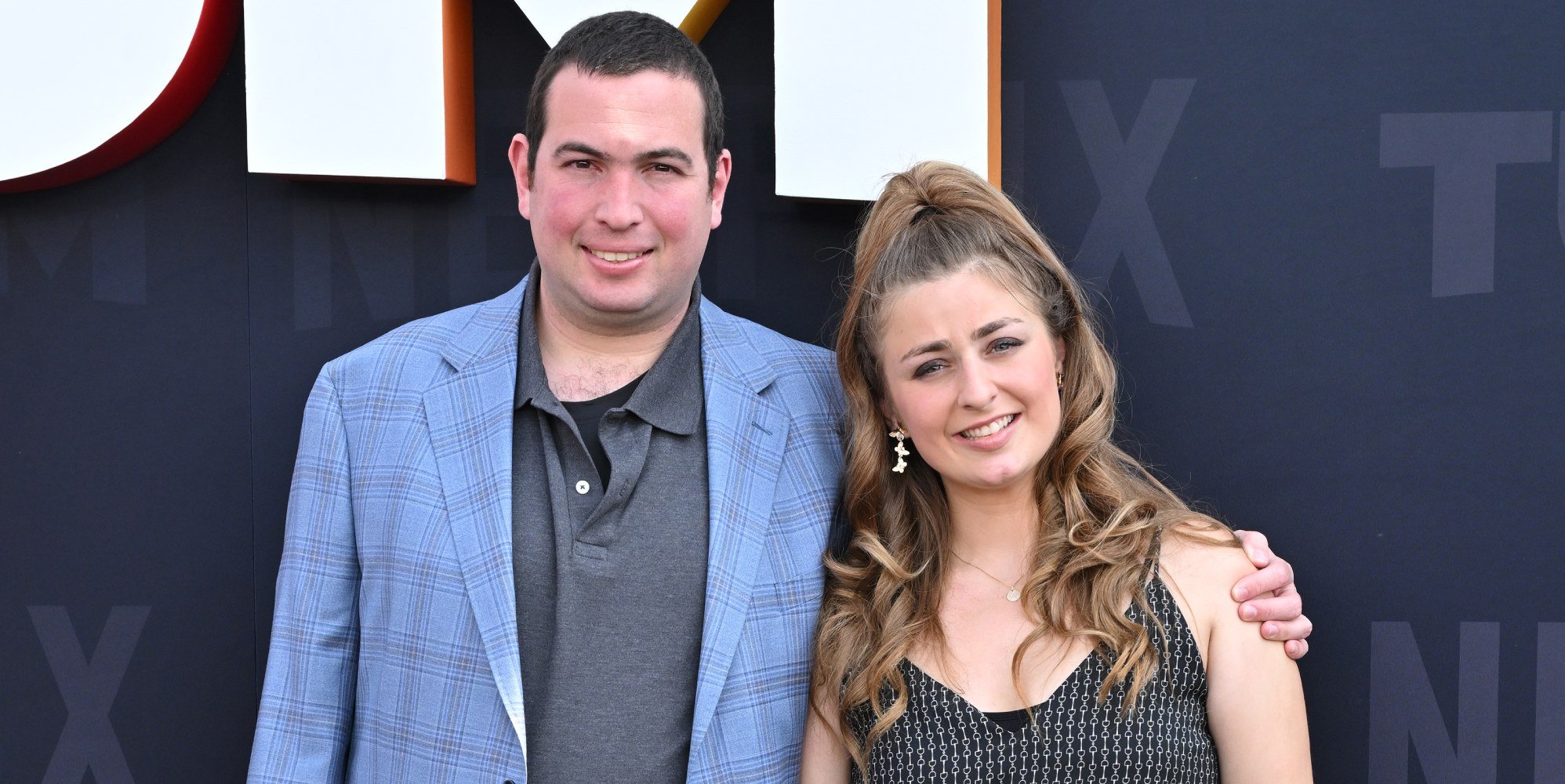
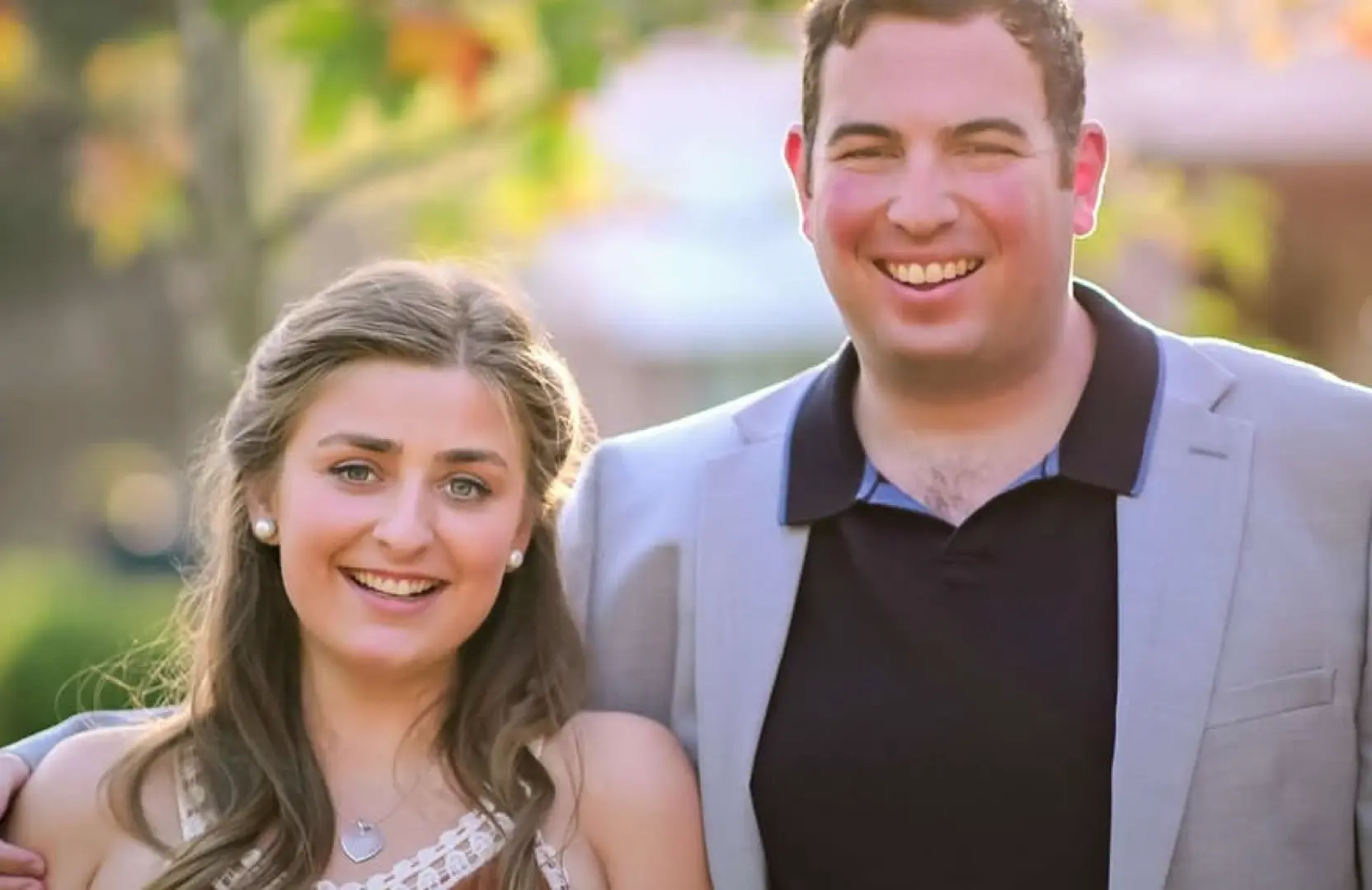
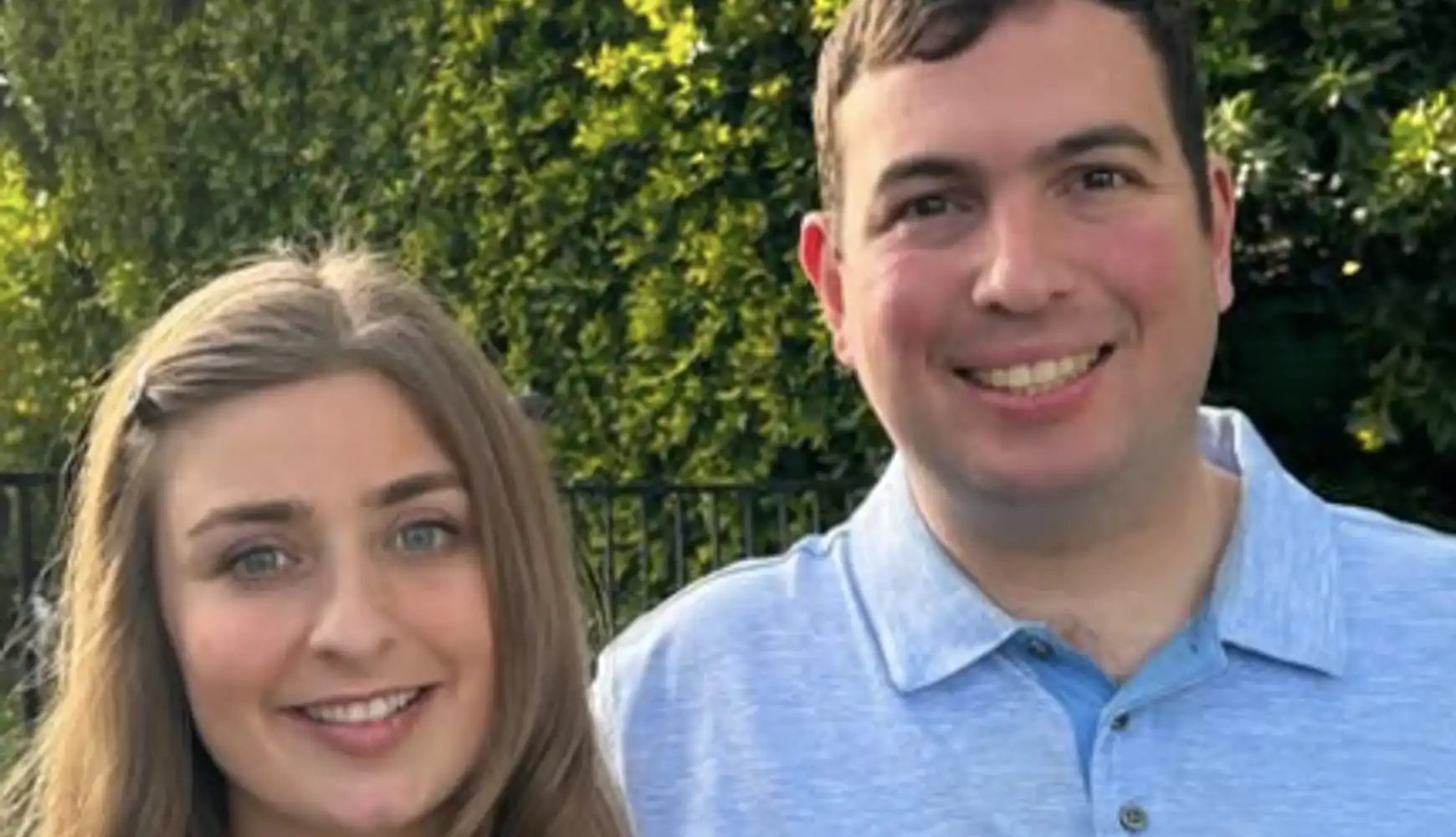
Abbey Romeo and David Isaacman captured global attention through Netflix’s Emmy Award-winning reality series Love on the Spectrum US. Their relationship thrives on shared special interests, explicit emotional honesty, mutual sensory awareness, and strong family support. By leaning into direct communication and honoring each other's individual needs, Abbey and David demonstrate how neurodivergent couples navigate romantic chemistry, long-term commitment, and personal independence.
The Origin of Abbey and David's Relationship
When Abbey Romeo and David Isaacman met on the first season of Love on the Spectrum US, their connection was immediate and anchored in genuine mutual interests. Abbey, an autistic advocate, singer, and entrepreneur known for her hat line Shatter The Mold, had expressed a desire to find a partner who understood her unique sensory world and shared her deep love for animals. David, who also lies on the autism spectrum, brought a calm, attentive demeanor and an equal passion for wildlife, particularly lions.
Their initial dates, including a memorable outing to the Los Angeles Zoo, set a template for how neurodivergent dating can flourish when environmental conditions match the participants' needs. Rather than forcing traditional high-pressure dating formats like crowded bars or noisy restaurants, their outings centered on shared passions and low-stress environments. This foundation allowed both Abbey and David to engage comfortably, free from the overwhelming pressure to mask their autistic traits.
As their bond deepened, their shared enthusiasm for Disney movies, singing, and animal lore transitioned from initial icebreakers into meaningful rituals of connection. Singing songs together from The Lion King became a signature expression of their affection, offering a shared linguistic and emotional bridge that reinforced their closeness.
Neurodivergent Communication Dynamics: Clarity, Reassurance, and Predictability
Understanding Abbey and David's relationship requires examining how neurodivergent communication differs from neurotypical dating norms. In many traditional romantic partnerships, partners rely heavily on subtle cues, unstated expectations, and indirect body language. For Abbey and David, romantic success relies on explicit verbal communication, frequent affirmation, and predictability.
- Explicit Affirmation: Abbey and David regularly articulate their emotions directly. Phrases like "You make me so happy," "You're my favorite," and straightforward declarations of affection are integrated naturally into their conversations. This directness eliminates the anxiety of guessing where the other person stands, creating emotional safety for both partners.
- Literal Processing and Honesty: Both partners speak transparently about their feelings, comfort levels, and boundary preferences. When either feels overwhelmed, tired, or anxious, they state it clearly without fear of causing unintended offense.
- Sensory and Emotional Co-Regulation: Neurodivergent individuals often experience heightened sensitivity to sound, light, and social exhaustion. Abbey and David show remarkable awareness of each other's physical and emotional states, allowing space for quiet co-presence or soothing routines when sensory overload occurs.
This transparent dynamic demonstrates that effective romantic communication does not require complex social subtext; rather, clarity, consistency, and kindness form a robust foundation for long-term relational stability.
Key Milestones: From Local Dates to International Travel
As Abbey and David’s relationship progressed past its initial stages, the couple tackled significant milestones that tested and expanded their relational flexibility. Navigating long-term partnership requires transitioning from structured dating to integrated daily life and shared long-term goals.
- Initial Zoo Dates (Season 1)
- Family Integration & Anniversaries
- Kenya Safari Expedition (Season 2)
- Ongoing Partnership & Independence
One of the most notable milestones in their relationship was their travel to Kenya, documented in Season 2 of Love on the Spectrum US. For neurodivergent individuals, long-distance travel presents complex challenges, including altered daily routines, sensory unfamiliarity, long flights, and unexpected schedule shifts.
Despite these challenges, the trip to Africa was a overwhelming success due to careful planning, shared motivation, and emotional support. Seeing African lions in their natural habitat fulfilled a lifelong dream for both Abbey and David. The experience demonstrated that with adequate preparation and mutual support, neurodivergent couples can step outside their established comfort zones to create shared life experiences.
Beyond travel, Abbey and David regularly mark anniversaries, celebrate holidays with each other’s families, and support each other's personal endeavors. Their ability to celebrate these milestones together reinforces their mutual commitment and demonstrates steady relationship progression over time.
The Role of Family Guidance and Autonomic Support
A crucial element in understanding Abbey and David's success as a couple is the thoughtful balance of parental guidance and personal autonomy. Abbey’s mother, Christine Romeo, along with David’s family, has played an instrumental role in scaffolding the couple's growth while respecting their independence.
Family support in neurodivergent relationships requires a delicate balance:
- Scaffolding without Over-Managing: Providing logistical assistance (such as coordinating travel, managing schedules, or offering transportation) without dictating the emotional or romantic boundaries of the relationship.
- Emotional Coaching: Helping each partner process complex relationship milestones, resolve minor misunderstandings, and build self-advocacy skills.
- Encouraging Independence: Gradually stepping back as the couple develops their own internal conflict-resolution mechanics and decision-making habits.
Christine Romeo’s open dialogue with Abbey about intimacy, commitment, and personal boundaries offers a model for how parents of autistic adults can foster healthy relational autonomy. By acting as trusted advisors rather than gatekeepers, both families have allowed Abbey and David to take ownership of their love story while maintaining a secure safety net.
Comparing Relationship Frameworks: Neurodivergent vs. Traditional Dynamics
To better understand why Abbey and David's relationship resonates so strongly with audiences, it is helpful to compare the core mechanics of their dynamic with standard neurotypical relationship expectations.
| Relationship Dimension | Abbey & David's Dynamic (Neurodivergent Model) | Traditional Neurotypical Model | Relational Benefit |
|---|---|---|---|
| Communication Style | Direct, explicit, direct statements of affection and needs | Indirect, reliant on non-verbal cues and subtext | Eliminates misinterpretation and dating anxiety |
| Shared Interests | Centered around intense, shared special interests (e.g., animals, Disney) | Broad, varied social activities and generalized hobbies | Builds deep foundational common ground |
| Conflict & Needs | Stated clearly when sensory overload or discomfort arises | Often non-verbal or delayed until emotional threshold is reached | Prevents burnout and promotes rapid resolution |
| Reassurance Needs | Frequent, direct verbal validation without shame | Assumed or implied through background actions | Reinforces emotional security continuously |
| Support System | Collaborative integration of family coaching and personal agency | Individual autonomy prioritized early in dating | Provides structured safety while building independence |
Key Lessons from Abbey and David for Building Healthy Relationships
The romantic journey of Abbey and David offers valuable practical insights for neurodivergent individuals, neurotypical partners, and relationship counselors alike. Their success highlights several fundamental practices that strengthen romantic bonds:
1. Anchor Connection in Authentic Passions
Rather than attempting to fit standard dating conventions, Abbey and David built their relationship around genuine shared interests. Couples who engage in activities that bring authentic joy to both individuals experience lower social stress and higher interaction quality.
2. Practice Unapologetic Directness
Ambiguity is often the primary source of conflict and anxiety in dating. Abbey and David illustrate the value of stating feelings, desires, and boundaries without pretense. Affirming love and appreciation frequently creates a stable environment where both partners feel secure.
3. Respect Sensory Limits and Energy Reserves
Recognizing that social interaction and environmental stimuli exhaust physical energy is essential for neurodivergent partnerships. Allowing space for quiet recovery, respecting sensory accommodations, and avoiding over-stimulating environments ensures that quality time remains positive.
4. Build a Supportive Network
Romantic relationships do not exist in isolation. Engaging trusted family members, mentors, or counselors to assist with logistics, communication strategies, and personal growth provides a safety net that helps neurodivergent couples navigate complex life decisions.
Frequently Asked Questions
How did Abbey Romeo and David Isaacman first meet?
Abbey and David met through the casting and matchmaking process of Netflix’s reality series Love on the Spectrum US Season 1. Their first date took place at the Los Angeles Zoo, where their mutual love for lions and wildlife immediately created a strong bond.
Are Abbey and David still together?
Yes, Abbey and David remain together, continuing to build their relationship, celebrate milestones, and share updates on their joint adventures and personal projects through public appearances and official social media channels.
What makes Abbey and David's communication style so effective?
Their communication is built on direct honesty, explicit verbal reassurance, and a lack of social game-playing. They freely express love, articulate their immediate needs, and address sensory discomfort directly, which minimizes misunderstandings.
How did Abbey and David manage their trip to Kenya on Love on the Spectrum?
Their successful safari trip to Kenya in Season 2 was achieved through careful advance planning, structured itineraries, family support, and a shared passion for wildlife that outweighed the temporary disruptions of travel.
What role do their families play in their relationship?
Their families, particularly Abbey’s mother Christine, provide supportive scaffolding—helping with logistics, travel planning, and emotional guidance—while actively encouraging Abbey and David to exercise full romantic autonomy and personal decision-making.
Practical Guidance for Navigating Neurodivergent Relationships
Building a fulfilling relationship on the autism spectrum requires intentional strategies that prioritize comfort, clarity, and shared joy. Whether you are an autistic individual, dating a neurodivergent partner, or supporting a family member, consider these actionable steps:
- Design Activity-Based Dates: Plan dates around shared interests, quiet venues, or structured activities rather than unstructured social environments to reduce social friction and pressure.
- Establish Explicit Communication Norms: Discuss communication preferences early. Agree to state feelings directly and create a safe space where either partner can ask for clarity without judgment.
- Plan for Sensory Needs: Keep sensory tools accessible during outings (such as noise-canceling headphones or comfortable attire) and build quiet decompression time into schedules before and after major events.
- Define Personal Boundaries clearly: Share specific preferences regarding physical touch, personal space, daily routines, and social interaction limits early in the relationship to foster mutual respect.
By prioritizing transparency, respecting sensory needs, and celebrating shared passions, Abbey and David demonstrate that authentic romantic connections thrive when couples embrace their true selves rather than conforming to conventional expectations.