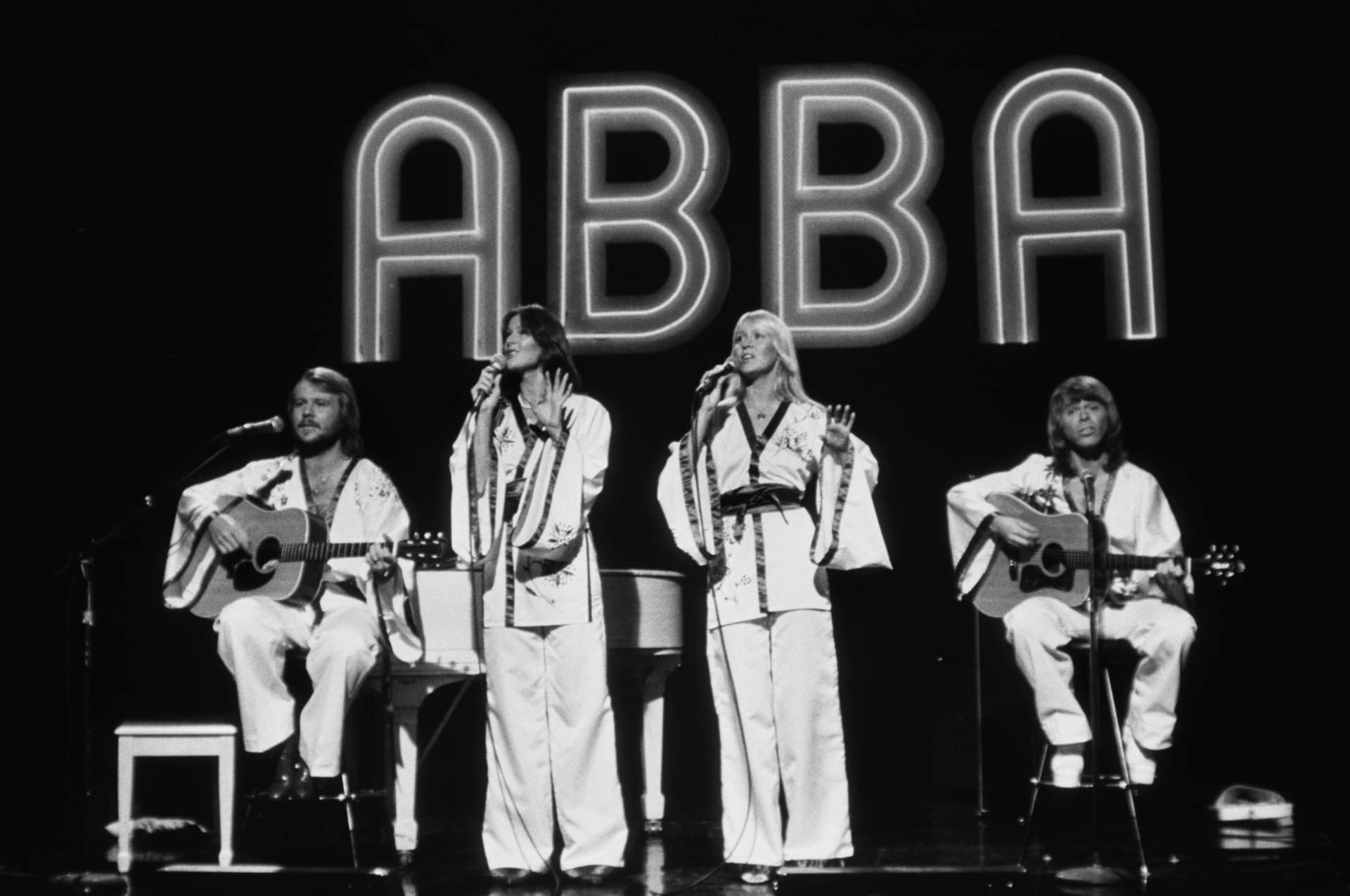
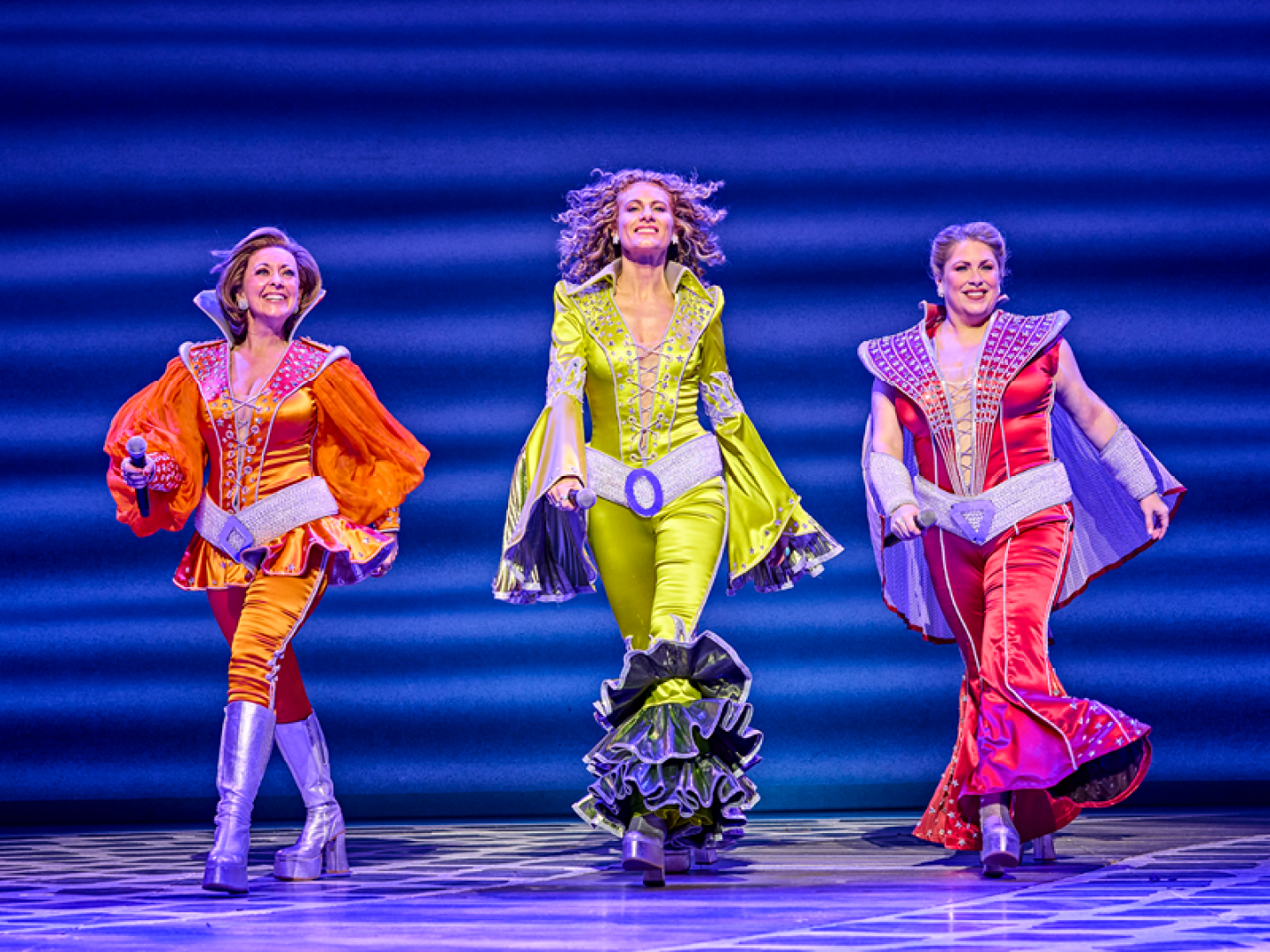
The ABBA musical film genre is primarily defined by the record-breaking Mamma Mia! franchise, consisting of the 2008 original and its 2018 sequel, alongside the 1977 cult classic ABBA: The Movie. These films translate the Swedish pop group's discography into narrative-driven cinematic experiences, blending jukebox musical theatricality with high-production filmmaking.
The Evolution of ABBA on the Silver Screen
The intersection of ABBA’s music and cinema began long before the bright colors of the Greek islands graced the screen. Understanding the "ABBA musical film" requires looking at three distinct eras of production: the documentary-drama hybrid of the 1970s, the blockbuster stage-to-screen adaptation era, and the digital residency era that blurred the lines between live performance and film.
In 1977, at the height of their global fame, the group released ABBA: The Movie. Directed by Lasse Hallström—who went on to direct Chocolat and The Cider House Rules—the film was more than a concert movie. It followed a fictional radio DJ attempting to land an interview with the band during their Australian tour. While it captured the raw energy of their live performances, it set a precedent for ABBA’s music being used to drive a narrative thread, however thin.
The landscape shifted permanently in 2008. Following the massive success of the stage musical Mamma Mia!, which premiered in London in 1999, Universal Pictures brought the story to a global film audience. This transition was pivotal; it proved that the "jukebox musical" could achieve massive commercial success if paired with A-list talent and high-quality production values. By 2026, these films have remained staples of home streaming and "sing-along" cinema events, maintaining a cultural relevance that few musical franchises achieve.
Mamma Mia! (2008): The Global Phenomenon
The 2008 release of Mamma Mia! stands as the definitive ABBA musical film. Directed by Phyllida Lloyd and written by Catherine Johnson, the film stars Meryl Streep as Donna Sheridan, a fiercely independent hotelier on a fictional Greek island. The plot, centered on her daughter Sophie’s (Amanda Seyfried) quest to identify her biological father among three former lovers (Pierce Brosnan, Colin Firth, and Stellan Skarsgård), serves as a framework for 22 ABBA songs.
Narrative Integration of the Discography
The genius of the film lies in how the lyrics of Björn Ulvaeus and Benny Andersson were recontextualized. Songs like "The Winner Takes It All" were transformed from pop ballads into climactic theatrical soliloquies. The production team worked closely with Andersson to ensure the musical arrangements suited the vocal ranges of the Hollywood cast, which led to a more grounded, organic sound compared to the polished studio versions of the 1970s.
Technical Production and Filming Locations
Most of the outdoor scenes were filmed on the Greek island of Skopelos and in the village of Damouchari. The "Villa Donna" was a set constructed at Pinewood Studios, but the sweeping vistas of the Aegean Sea provided the essential escapist aesthetic. The film utilized a high-key lighting style to emphasize the vibrant blues and whites of the Mediterranean, creating a visual "vacation" for the viewer.
Mamma Mia! Here We Go Again (2018): Expanding the Lore
Ten years after the original, Mamma Mia! Here We Go Again was released, acting as both a prequel and a sequel. Directed by Ol Parker, the film follows two timelines: Sophie’s present-day struggle to reopen the hotel and a series of flashbacks to 1979 showing a young Donna (Lily James) meeting the three potential fathers.
Technical Advancements in the Sequel
The sequel moved its primary filming location to the island of Vis in Croatia, which stood in for the fictional Kalokairi. From a technical standpoint, the 2018 film featured more sophisticated cinematography and complex choreography. The inclusion of the legendary Cher as Ruby Sheridan added a layer of camp and prestige, while her rendition of "Fernando" became a standout moment in modern musical cinema.
The sequel also delved deeper into the ABBA catalog, utilizing "B-sides" and lesser-known tracks like "When I Kissed the Teacher" and "My Love, My Life." This expanded the audience's appreciation for the depth of ABBA’s songwriting, proving the franchise didn't need to rely solely on the "Gold" hits to be successful.
Comparison of Major ABBA Musical Films
The following table outlines the key differences between the primary cinematic entries in the ABBA catalog.
| Feature | ABBA: The Movie (1977) | Mamma Mia! (2008) | Mamma Mia! Here We Go Again (2018) |
|---|---|---|---|
| Primary Director | Lasse Hallström | Phyllida Lloyd | Ol Parker |
| Genre | Mockumentary / Concert | Jukebox Musical | Musical Prequel/Sequel |
| Main Location | Australia (Tour) | Skopelos, Greece | Vis, Croatia |
| Core Conflict | Journalist chasing the band | Finding Sophie's father | Honoring Donna's legacy |
| Key New Tracks | "Get on the Carousel" | "Honey, Honey", "SOS" | "Andante, Andante", "Fernando" |
| Production Budget | Approx. $400,000 | $52 Million | $75 Million |
| Global Box Office | $20 Million+ (Adj.) | $611 Million | $402 Million |
The Role of Benny Andersson and Björn Ulvaeus
One cannot discuss an ABBA musical film without acknowledging the technical oversight of the band's founding members. Unlike other musical adaptations where the original artists are peripherally involved, Andersson and Ulvaeus were instrumental in the sound design and musical direction of the films.
- Musical Supervision: Benny Andersson personally played keyboards on many of the film's backing tracks. He was present during the recording sessions for the actors, ensuring that the integrity of the vocal harmonies—a hallmark of the ABBA sound—was maintained even with non-professional singers.
- Cameo Appearances: Both members have made "Easter egg" appearances. In the 2008 film, Andersson is seen playing the piano during "Dancing Queen," and Ulvaeus appears as a Greek God during the closing credits.
- Lyrical Adjustments: Minor adjustments were made to certain lyrics to better fit the character arcs of Donna and Sophie, showing a willingness to treat the songs as living pieces of theater rather than static museum artifacts.
The Cultural and Economic Impact
The ABBA musical film franchise has had a measurable impact on tourism and the music industry. Following the release of the first Mamma Mia!, the island of Skopelos saw a significant spike in "Mamma Mia tours," with fans visiting the Agios Ioannis Chapel where the wedding scene was filmed.
Economically, the films revitalized ABBA’s sales for a new generation. By 2026, the Mamma Mia! soundtracks have consistently stayed in the top tiers of streaming charts for musical theater. The films successfully bridged the gap between the original "ABBA-mania" of the 70s and the digital-native audience of the 21st century. This cross-generational appeal is a primary reason why rumors of a third film—potentially titled Mamma Mia! 3—continue to circulate among industry insiders and fans alike.
Technical Specifications and Where to Watch
For the best experience, viewers should seek out versions of the films that support high-fidelity audio, as the mixing of the ABBA tracks is designed for multi-channel surround sound.
- Resolution: Both Mamma Mia! films are available in 4K UHD with HDR10 support, which significantly enhances the vibrant colors of the Mediterranean settings.
- Audio: Look for Dolby Atmos tracks, which provide a more immersive "stage-like" feel during the large ensemble numbers like "Voulez-Vous."
- Streaming: As of 2026, the films are frequently hosted on platforms like Peacock (owned by Universal) or Netflix, depending on regional licensing agreements.
Common Mistakes When Searching for ABBA Films
A frequent error is confusing the Mamma Mia! films with various unauthorized documentaries or "tribute" concert films. To ensure you are watching the official musical films, verify that the production company is Universal Pictures and the music is credited to Littlestar Services Ltd, the company managed by the band and Judy Craymer.
Frequently Asked Questions
Is there a third Mamma Mia! film coming out?
While not officially confirmed with a release date as of early 2026, producer Judy Craymer and several cast members, including Amanda Seyfried and Stellan Skarsgård, have expressed high interest. The primary challenge remains the script and ensuring the "ABBA-gold" tracks left in the catalog can sustain a full narrative.
Did the actors actually sing in the Mamma Mia! movies?
Yes, all lead actors performed their own vocals. Meryl Streep notably recorded her version of "The Winner Takes It All" in just one or two takes in the studio. While some critics debated the vocal prowess of actors like Pierce Brosnan, the production chose authenticity and character-driven performance over perfectly polished, dubbed vocals.
How does the 1977 film differ from the Mamma Mia! franchise?
ABBA: The Movie is a blend of a concert documentary and a scripted comedy. It does not follow the story of Donna Sheridan; instead, it features the actual members of ABBA (Agnetha, Björn, Benny, and Anni-Frid) playing themselves. It is a time capsule of their 1977 tour rather than a fictional jukebox musical.
Are all ABBA songs included in the films?
No. While nearly all the major hits are present, some songs like "Knowing Me, Knowing You" and "The Name of the Game" were used in the first film, while others like "One of Us" and "My Love, My Life" were reserved for the sequel. There are still dozens of tracks from ABBA’s eight original studio albums and their 2021 comeback album, Voyage, that have not yet appeared in a musical film.
Is ABBA Voyage considered a film?
ABBA Voyage is technically a digital concert residency in London. However, it utilized extensive motion-capture filming and CGI (created by Industrial Light & Magic) to create "ABBAtars." While it is a filmed performance, it is not categorized as a traditional narrative musical film.
Recommended Steps for New Fans
If you are new to the world of ABBA on film, the most logical progression is to watch the movies in release order. Start with the 2008 Mamma Mia! to understand the core characters and the exuberant tone of the franchise. Follow this with the 2018 sequel to see the backstory and experience the more refined production values. Finally, for a deep dive into the band's historical roots, seek out the 1977 ABBA: The Movie. This sequence provides a comprehensive understanding of how four Swedes revolutionized the musical film genre through the sheer power of pop melody.