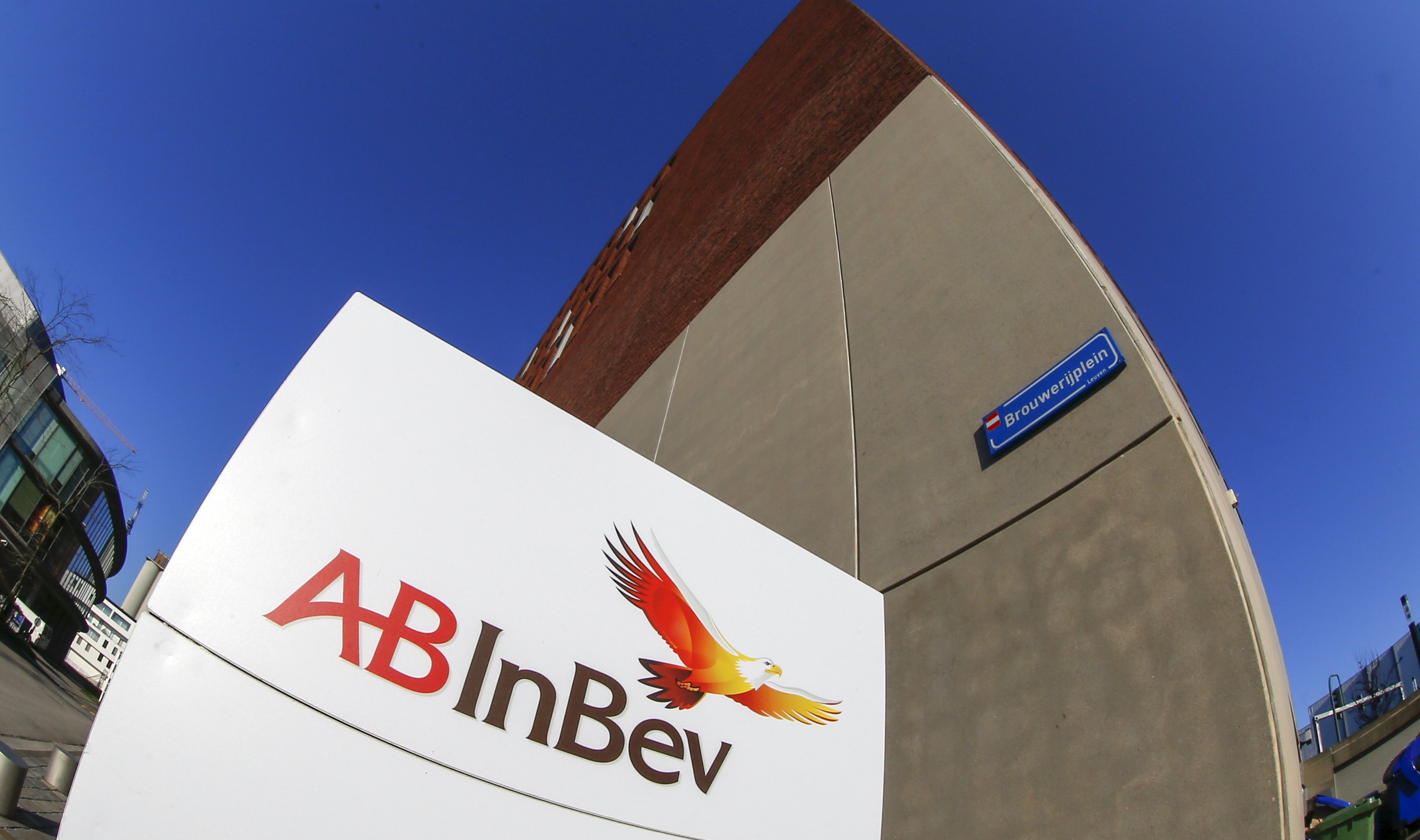
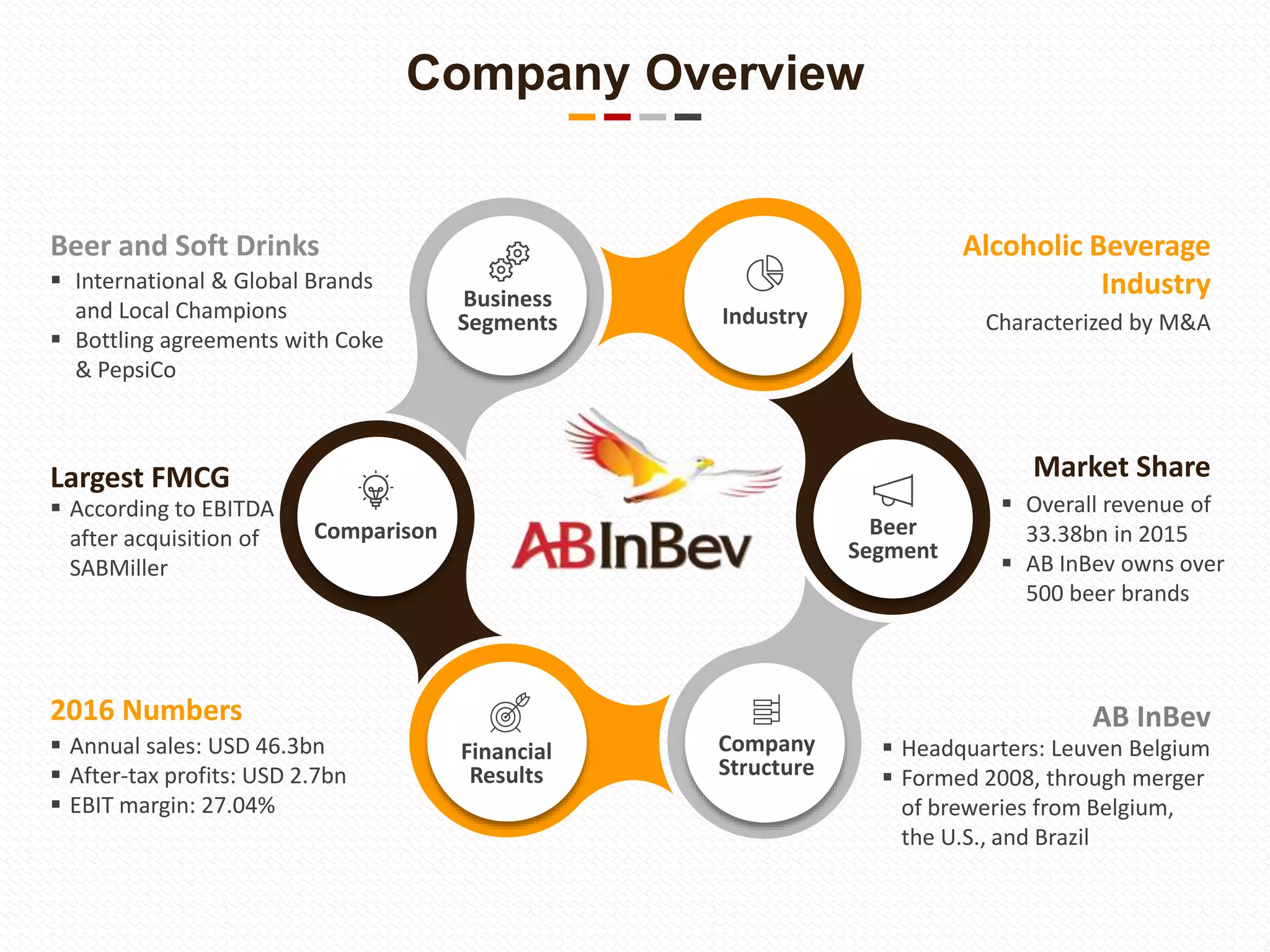
Anheuser-Busch InBev (AB InBev) is the world's largest brewing enterprise, producing approximately one-quarter of global beer volume. Headquartered in Leuven, Belgium, the multinational corporation manages a portfolio of over 500 beer and beverage brands, driven by a centralized operating model, international distribution channels, and a rapidly expanding proprietary B2B e-commerce platform.
The Strategic Evolution of AB InBev: Mergers and Corporate Architecture
The modern structure of AB InBev is the product of decades of strategic consolidation within the fast-moving consumer goods (FMCG) sector. The company's present form emerged through three pivotal mega-mergers that re-engineered the global brewing landscape:
The Formation of InBev (2004): Interbrew, a Belgian brewing conglomerate with roots dating back to 1366 (via the Den Hoorn brewery in Leuven), combined with AmBev (Companhia de Bebidas das Américas), the dominant Brazilian beverage producer. This transaction created InBev, uniting European brewing heritage with Latin American operational efficiency.
The Acquisition of Anheuser-Busch (2008): InBev acquired St. Louis-based Anheuser-Busch for approximately $52 billion. The combination established Anheuser-Busch InBev (AB InBev), securing control over America's largest brewing infrastructure and flagship brand, Budweiser.
The Combination with SABMiller (2016): AB InBev completed a historic transaction valued at over $100 billion to acquire its primary international rival, SABMiller. To satisfy regulatory authorities across North America, Europe, and Asia, AB InBev executed significant divestitures, including selling SABMiller's interest in MillerCoors to Molson Coors, divesting the Snow brand in China, and selling European premium brands such as Peroni and Grolsch to Asahi Group Holdings.
Interbrew (Belgium) + AmBev (Brazil) [2004]: InBev
InBev + Anheuser-Busch (USA) [2008]: AB InBev
AB InBev + SABMiller (UK/South Africa) [2016]: Modern AB InBev
Behind this deal-making was a distinctive managerial philosophy heavily influenced by 3G Capital partners, who were long-time controlling shareholders of AmBev. This framework emphasized strict cost discipline—notably through zero-based budgeting (ZBB)—clear performance metrics, meritocratic ownership structures, and rapid operational integration. While the corporate management structure has evolved to prioritize top-line growth and digital ecosystem development, rigorous capital efficiency remains a hallmark of AB InBev's operating model.
Global Brand Portfolio and Market Segmentation
AB InBev categorizes its extensive product offering into a structured brand hierarchy designed to capture diverse consumer income levels, drinking occasions, and regional tastes.
1. Global Megabrands
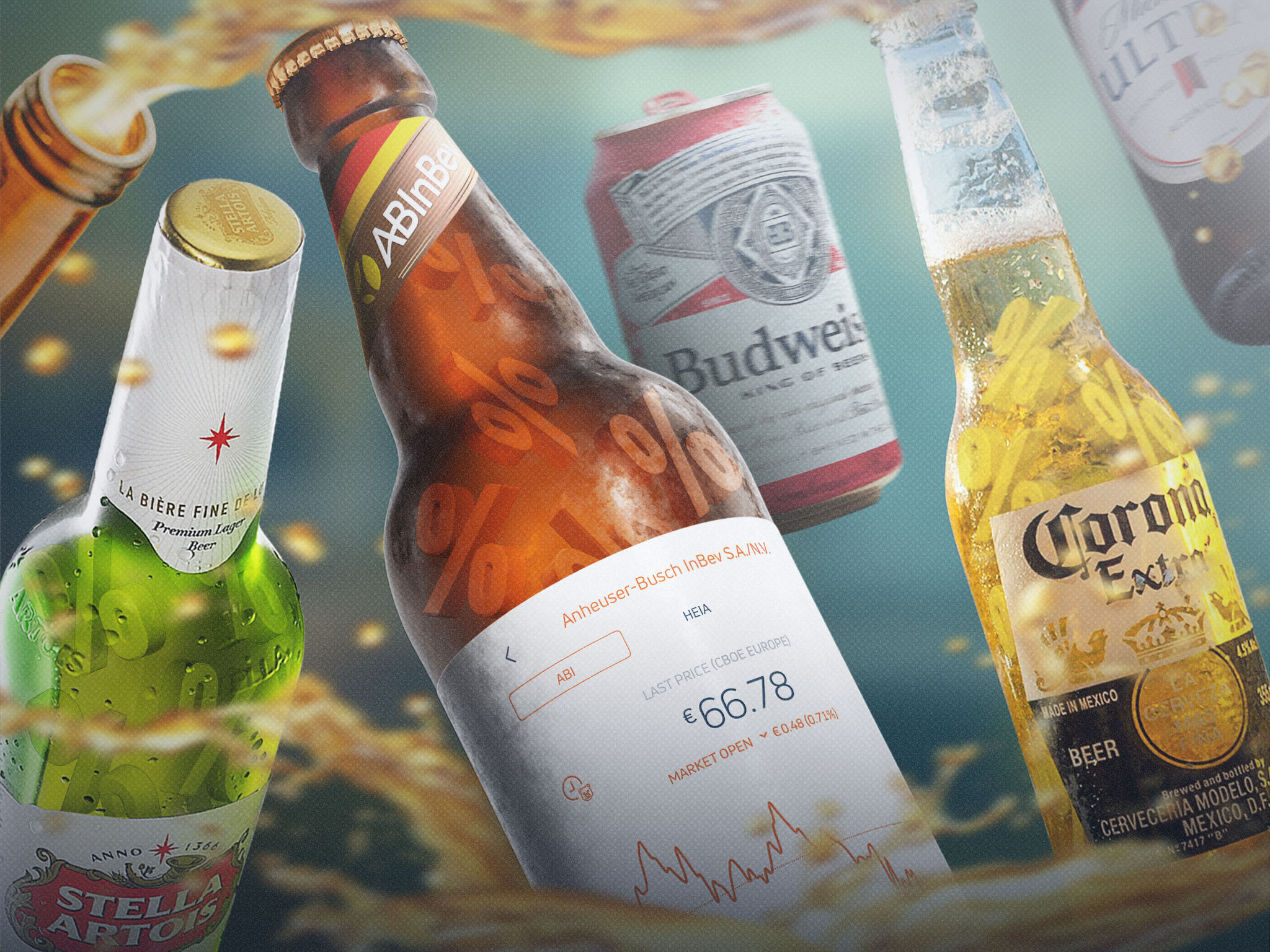
The global brand strategy centers on three flagship brands marketed universally across mature and emerging economies:
- Budweiser: Marketed as a core premium lager worldwide, featuring distinct beechwood aging processes and high brand recognition.
- Stella Artois: A Belgian pilsner positioned in the super-premium segment, emphasizing traditional glass chalice presentation and European heritage.
- Corona: Positioned as an upscale lifestyle brand associated with leisure and beach culture. Note: In the United States, distribution and ownership rights for Corona and Modelo belong to Constellation Brands following anti-trust settlements from AB InBev's acquisition of Grupo Modelo in 2013. AB InBev retains ownership and distribution rights for Corona in all international markets outside the U.S.
2. International Brands and Premiumization
To capture higher profit margins per hectoliter, AB InBev invests heavily in its international premium category. Brands such as Michelob ULTRA, Beck’s, Hoegaarden, and Leffe target health-conscious consumers, craft appreciators, and specialty beer drinkers. Michelob ULTRA, in particular, has driven revenue expansion in North America and Latin America by targeting active, wellness-focused demographics with low-carbohydrate and low-calorie formulations.
3. Local Champions
Regional volume is anchored by national dominant brands ("local champions") that maintain deep cultural ties and massive distribution networks in specific countries:
- Brahma and Skol (Brazil)
- Modelo Especial and Victoria (Mexico; outside U.S. distribution)
- Aguila (Colombia)
- Quilmes (Argentina)
- Castle Lager (South Africa)
- Harbin (China)
- Cass (South Korea)
4. Beyond Beer and Non-Alcoholic Innovations
As consumer preferences shift toward alternative beverage categories, AB InBev has expanded its "Beyond Beer" segment. This includes ready-to-drink (RTD) cocktails, flavored malt beverages, hard seltzers, and premium canned spirits. Furthermore, the company has set ambitious targets for non-alcoholic and low-alcohol beverages (such as Corona Cero and Budweiser Zero), providing avenues for volume growth in markets with stringent alcohol regulations or rising health consciousness.
Comparative Overview of AB InBev's Regional Operating Divisions
AB InBev organizes its operational performance across major geographic reporting segments. Each region presents distinct margin profiles, channel dynamics, and strategic priorities.
| Regional Segment | Core Markets Included | Representative Brands | Primary Strategic Focus |
|---|---|---|---|
| North America | United States, Canada | Bud Light, Michelob ULTRA, Busch, Goose Island | Premiumization, growth in Beyond Beer, optimizing supply chain cost structures. |
| Middle Americas | Mexico, Colombia, Peru, Ecuador, Panama | Corona, Modelo, Aguila, Pilsen Callao | Expanding production capacity, scaling digital B2B distribution, margin enhancement. |
| South America | Brazil, Argentina, Chile, Paraguay, Uruguay | Brahma, Skol, Quilmes, Antarctica | Accelerating B2B e-commerce adoption, scaling direct-to-consumer delivery platforms. |
| EMEA | Western & Eastern Europe, South Africa, Nigeria | Stella Artois, Leffe, Castle Lager, Carling | Navigating input cost inflation, premium segment expansion, sustainable packaging compliance. |
| Asia Pacific | China, South Korea, India | Harbin, Cass, Budweiser China | Expanding super-premium offerings, developing luxury channel trade in urban centers. |
Digital Transformation: The BEES Ecosystem and D2C Platforms
Historically, global brewers relied on fragmented multi-tiered wholesaler networks and sales representatives to capture retail orders. AB InBev transformed this traditional route-to-market by building proprietary technology platforms that digitize trade interactions and direct-to-consumer logistics.
- Small Retailer (Bodega/Bar/Shop)
- BEES Platform (Orders/Financing)
- AB InBev Wholesale & Logistics Hub
The BEES B2B Marketplace
Developed internally, BEES is a business-to-business e-commerce application designed for small-to-medium business owners (such as neighborhood grocers, convenience stores, and bars). Retailers use the mobile application to:
- Order beer, spirits, and non-alcoholic beverages directly from AB InBev distributors.
- Access dynamic pricing, transparent promotions, and tailored loyalty points.
- Manage stock inventories and schedule localized delivery windows.
- Purchase third-party consumer products (such as snacks, paper goods, and packaged food) listed by enterprise partners within the BEES marketplace software.
BEES generates significant operational advantages for AB InBev. By shifting routine order-taking to an automated digital portal, sales representatives transition into business development advisors. Furthermore, the granular real-time data collected across millions of micro-retail points enables highly accurate demand forecasting and dynamic supply-chain scheduling.
Direct-to-Consumer (D2C) Delivery
In key Latin American markets, AB InBev created courier-based consumer delivery networks, most notably Zé Delivery in Brazil. Consumers use the mobile app to order chilled beverages delivered to home locations within 30 to 45 minutes at fulfillment prices comparable to supermarket retail. This direct connection captures end-consumer purchasing patterns, optimizes localized inventory nodes, and provides real-time testing environments for new product innovations.
Financial Architecture, Debt Management, and Capital Allocation
Understanding AB InBev’s financial profile requires evaluating its leverage strategy and disciplined cash conversion cycle. The acquisition of SABMiller in 2016 was heavily funded by corporate debt, elevating net-debt-to-EBITDA ratios significantly above historical baselines.
Capital Allocation Priorities
The company's board of directors and executive leadership team execute a clear four-tier capital allocation framework:
- Organic Business Growth: Funding capital expenditure (CapEx) for brewery modernizations, returnable glass packaging infrastructure, and technology platforms.
- Deleveraging: Channeling excess free cash flow toward paying down bonds and managing long-term maturities to protect investment-grade credit ratings.
- Selective M&A: Pursuing bolt-on acquisitions in craft beer, digital tools, or non-alcoholic beverage adjacencies.
- Shareholder Returns: Distributing capital via annual dividends and opportunistic share buyback programs once leverage benchmarks are satisfied.
Cash Flow Generation and Cost Management
AB InBev routinely achieves top-tier EBITDA margins relative to global consumer packaging peers. These margins are sustained by scale efficiencies in global procurement (e.g., bulk purchasing of aluminum, glass, barley, and energy), standardized manufacturing processes known as the Voyager Plant Optimization (VPO) program, and centralized management shared services.
Environmental, Social, and Governance (ESG) Commitments and Operational Risks
As an agricultural and industrial operation, AB InBev's global enterprise is directly linked to natural resource availability, climate policy, and evolving consumer health awareness.
- AB InBev Core ESG Objectives
- Smart Ag Culture
- Water Stewardship
- Circular Packaging
- Climate Action
Core Sustainability Pillars
- Smart Agriculture: Working with thousands of direct-contracted farmers to source barley and hops, emphasizing soil health, crop resistance, and precision farming technologies.
- Water Stewardship: Because water is the primary ingredient in beer production, AB InBev focuses on watershed restoration and ratio reduction (liters of water consumed per liter of beer brewed), particularly in water-stressed facilities in Mexico, Africa, and South America.
- Circular Packaging: Expanding the ratio of returnable glass bottles, increasing recycled content in aluminum cans, and eliminating single-use plastics across global logistics operations.
- Climate Action: Transitioning thermal energy and electricity usage across worldwide breweries toward renewable sources, targeting net-zero carbon operations across its value chain.
Primary Risk Exposures
- Commodity Price Volatility: Exposure to price swings in aluminum, glass, natural gas, diesel, and agricultural raw materials can create margin pressure if cost increases cannot be passed immediately to retail shelf prices.
- Currency Fluctuations: AB InBev reports financial results in U.S. dollars but generates extensive cash flows in emerging market currencies (e.g., Brazilian Real, Mexican Peso, Argentine Peso, South African Rand). Sudden currency devaluations can impact translated earnings and debt-servicing ratios.
- Regulatory and Tax Shifts: Beverage alcohol faces localized excise taxation, legal age restriction changes, marketing regulations, and environmental compliance standards that vary by national jurisdiction.
Frequently Asked Questions
What are AB InBev's primary stock exchange listings and ticker symbols?
AB InBev is a publicly traded company organized as a public limited company (Société Anonyme / Naamloze Vennootschap) under Belgian law. Its primary listing is on Euronext Brussels under the ticker symbol ABI. It maintains secondary listings on the New York Stock Exchange (NYSE: BUD) via American Depositary Receipts (ADRs), the Mexican Stock Exchange (MEXBOL: ANB), and the Johannesburg Stock Exchange (JSE: ANH).
Who owns the rights to Corona and Modelo in the United States versus internationally?
AB InBev owns, brews, markets, and distributes Corona, Modelo, and Victoria globally in all international markets outside the United States. In the United States, Constellation Brands owns the exclusive commercial rights to market and distribute these brands, operating independent production facilities to satisfy U.S. anti-trust divestiture mandates.
How does the BEES platform generate value beyond beer sales?
BEES acts as a generalized digital B2B marketplace. In addition to facilitating AB InBev product sales, it allows partner companies—such as major packaged goods manufacturers—to sell non-beer products through the app. AB InBev earns commission fees on these third-party sales while optimizing distribution routes and expanding small business digital engagement.
Where is AB InBev headquartered, and how is its executive structure organized?
AB InBev's official global headquarters is located in Leuven, Belgium, preserving its historical roots. However, functional executive management operations, global brand teams, and digital technology divisions are spread across major operational hubs, including New York City, São Paulo, London, Mexico City, Johannesburg, and Singapore.
What is AB InBev's strategy regarding low-alcohol and non-alcoholic beverages?
The company views non-alcoholic beer as a major long-term growth driver rather than a simple product extension. By leveraging deal-alcoholization brewing techniques, AB InBev produces zero-alcohol versions of major brands (e.g., Corona Cero, Stella Artois 0.0, Budweiser Zero) to target new consumption occasions, health-conscious consumers, and markets with strict alcohol advertising laws.
Key Takeaways for Investors and Industry Analysts
For market researchers, financial analysts, and enterprise planners evaluating AB InBev's operational model, the key structural factors include:
- Market Leadership: The company retains an unprecedented global volume scale, granting significant purchasing power in raw materials procurement, media spending, and logistics services.
- Digital Integration: The rapid adoption of the BEES software platform provides AB InBev with direct, data-rich access to retail points-of-sale, offering a competitive advantage over legacy brewing peers.
- Capital Discipline: Ongoing financial performance depends on balancing steady balance sheet deleveraging with targeted investments in premiumization, low-alcohol categories, and market expansion.
- Emerging Market Exposure: Operating heavily across Latin America, Africa, and Asia offers high volume growth potential alongside exposure to foreign exchange volatility and macroeconomic shifts.