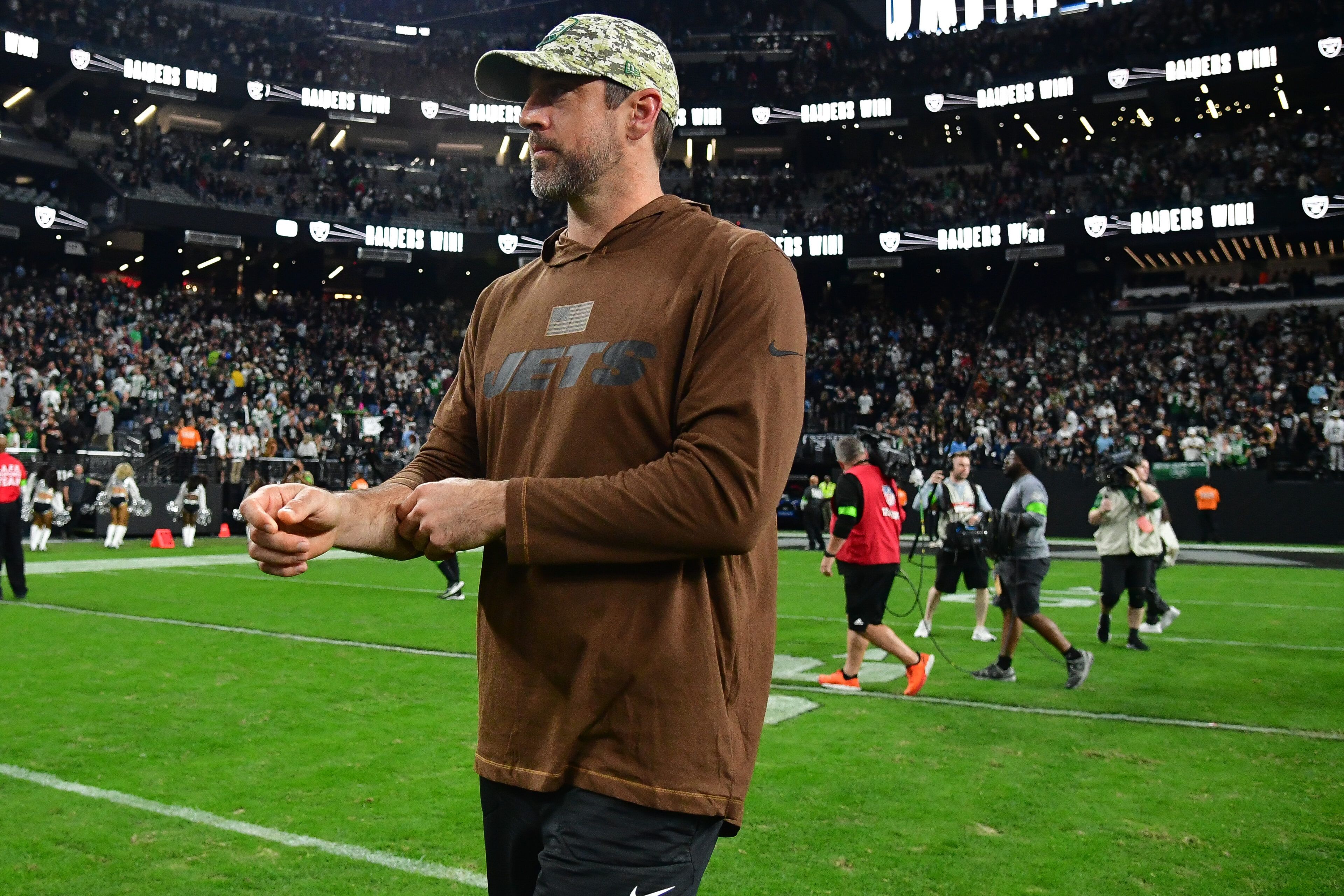
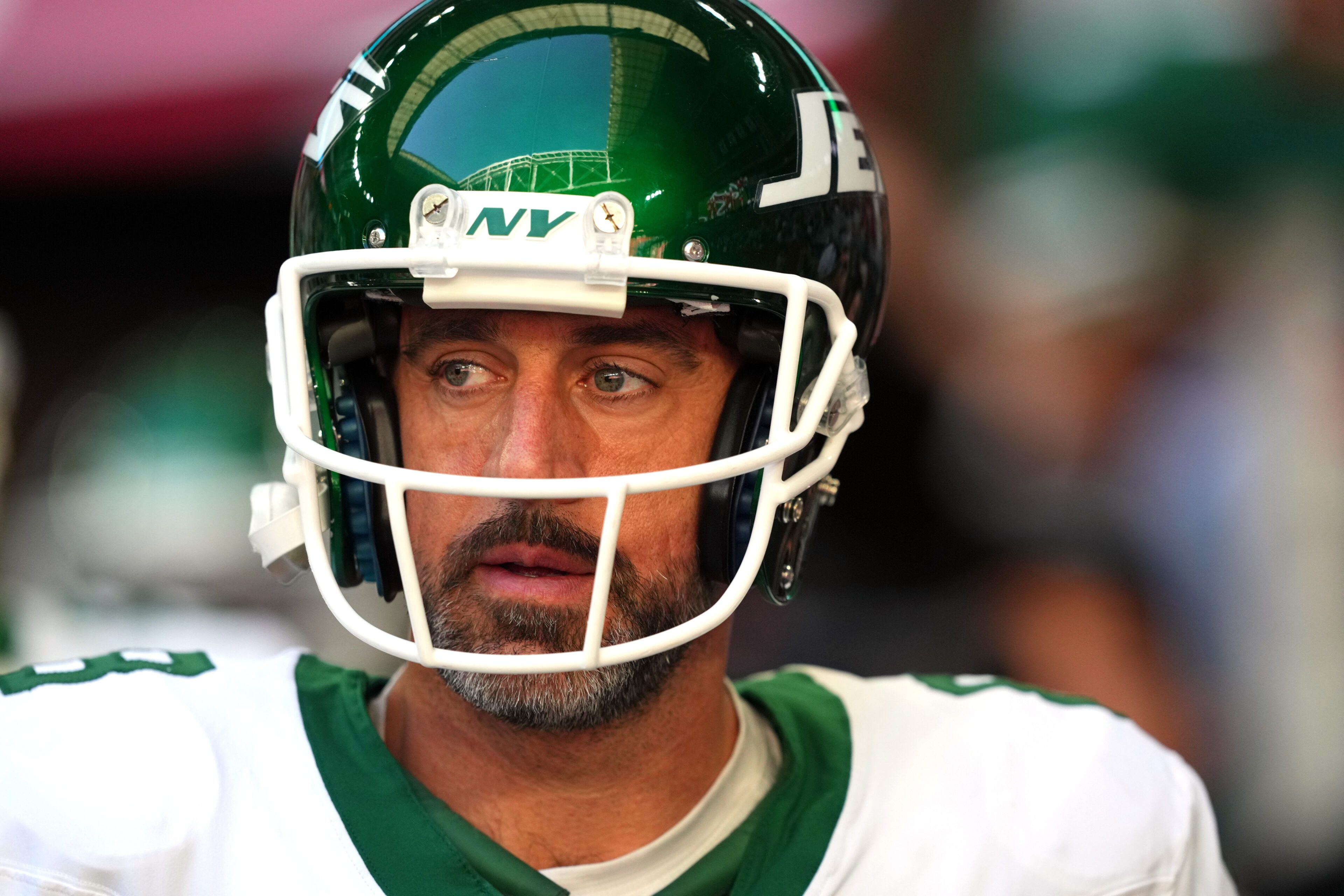
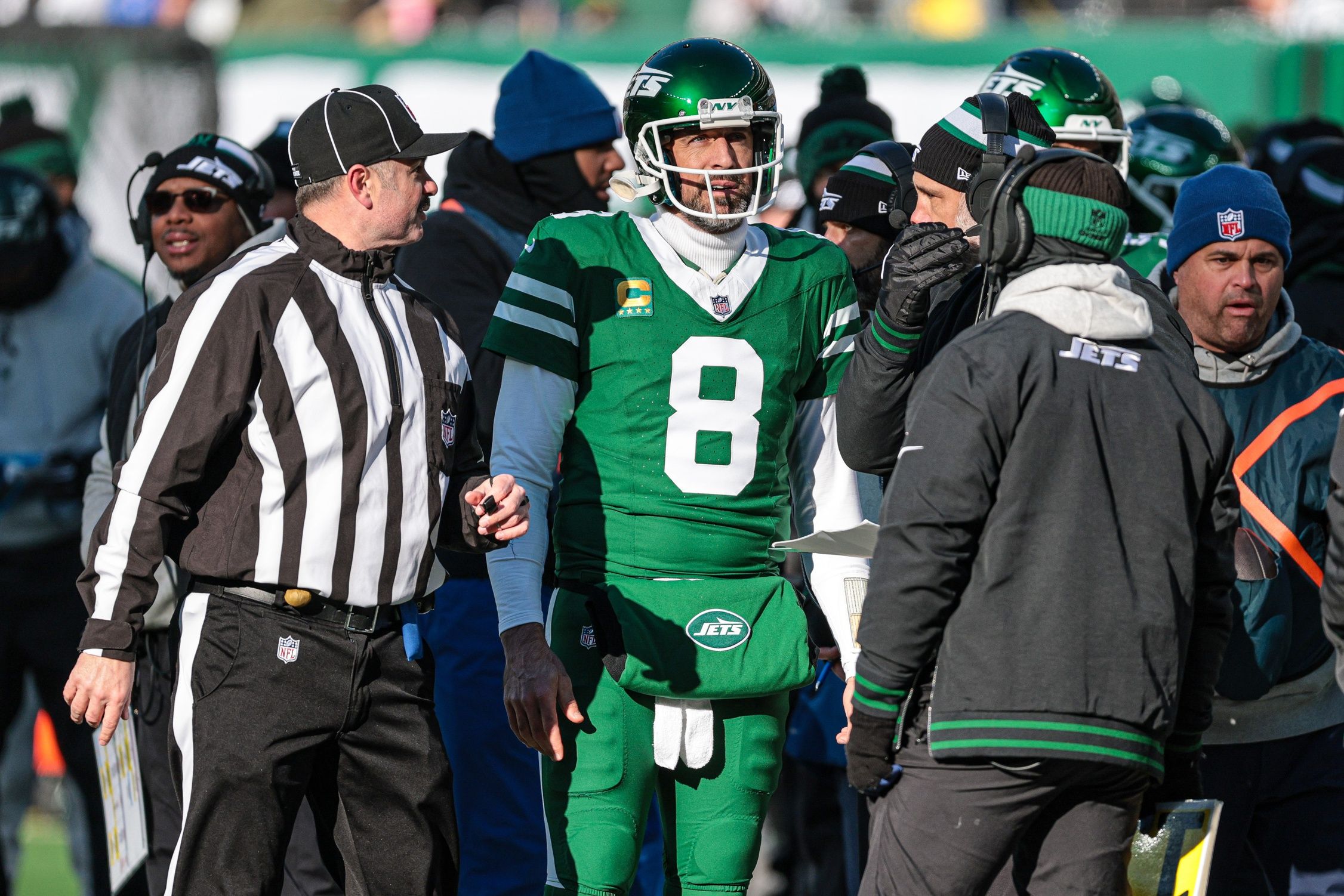
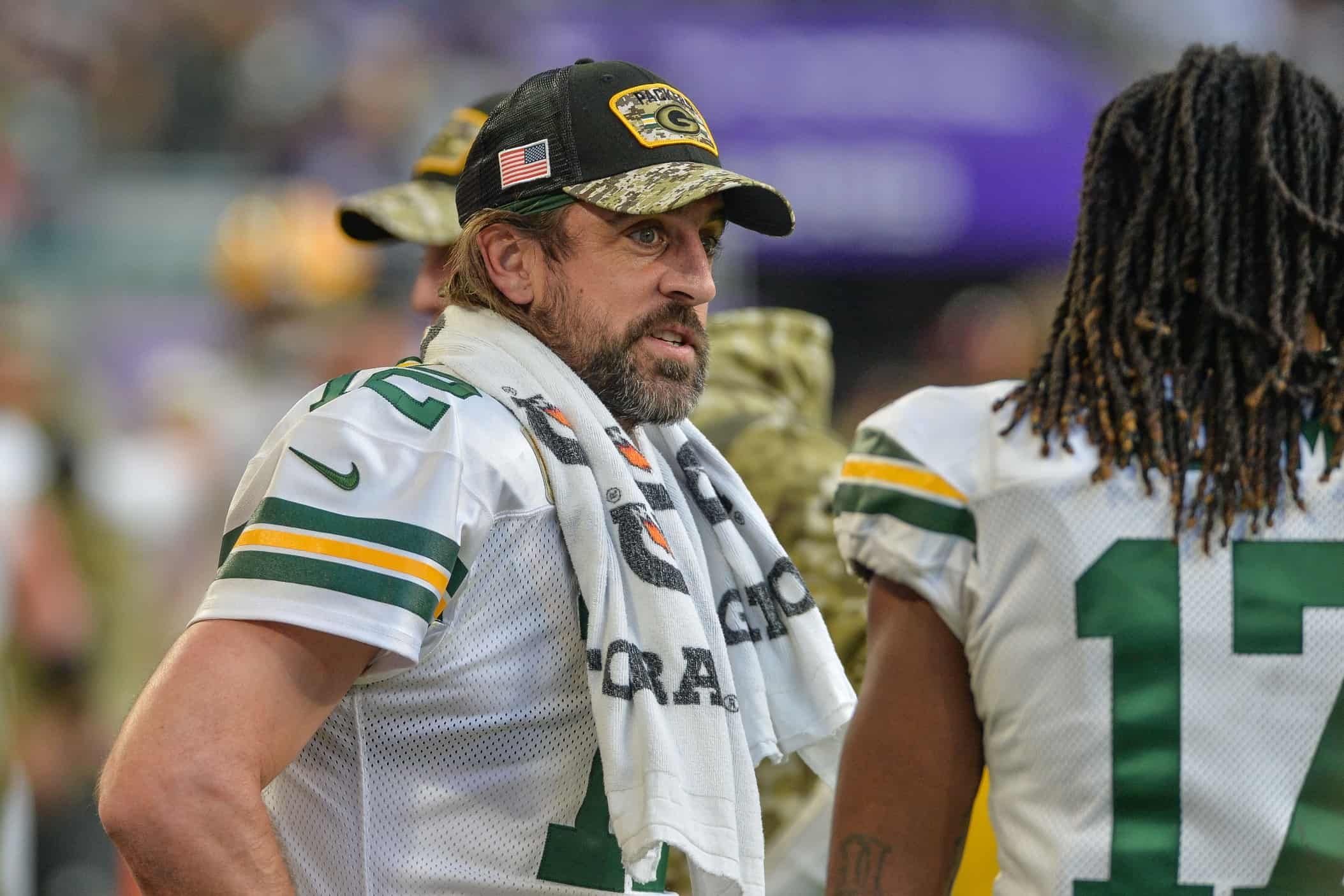
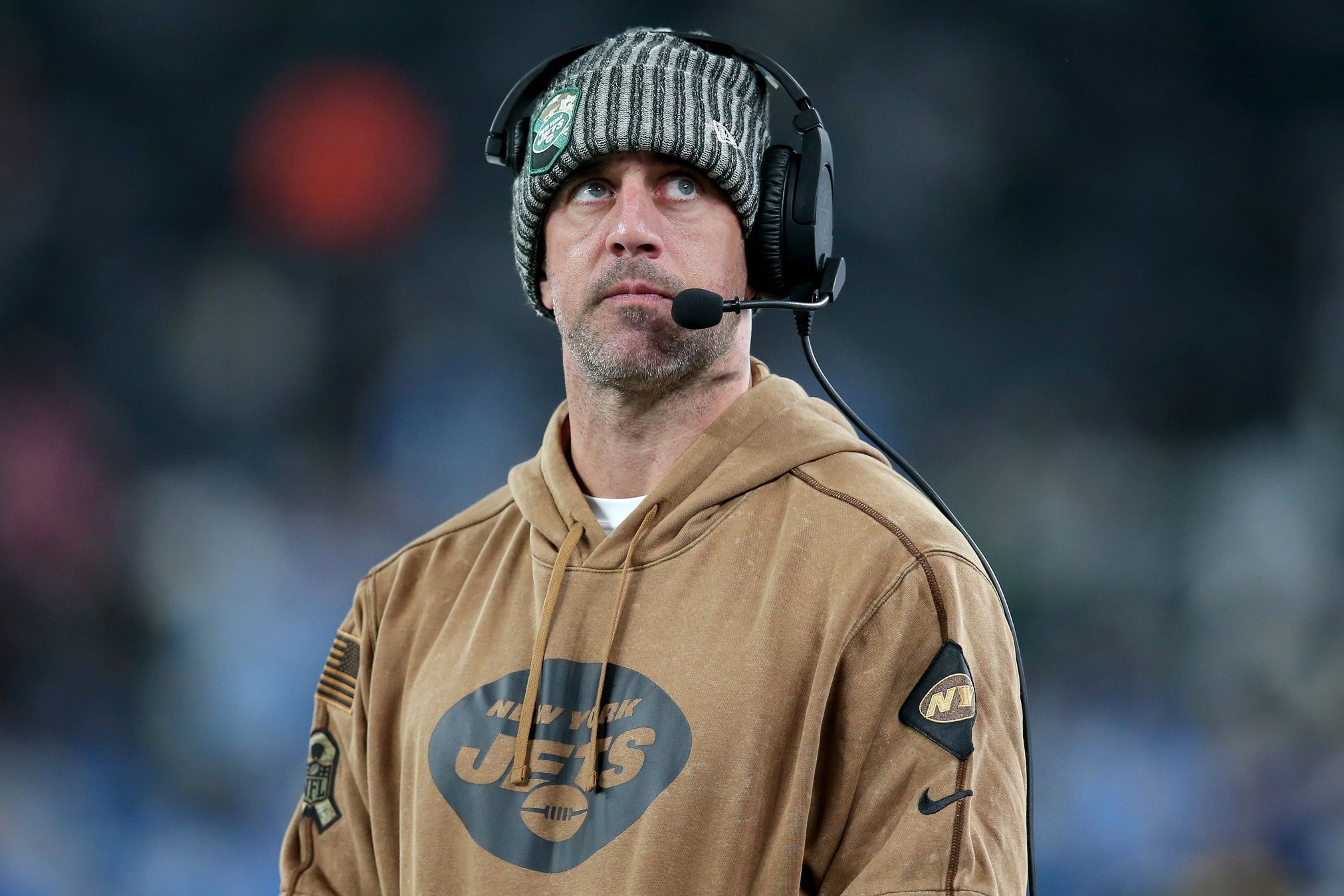
As of the 2026 NFL season, Aaron Rodgers’ health remains a primary concern for analysts and fans alike. Currently, Rodgers is cleared for full football activities, following a 2025 season where he maintained high availability despite veteran rest days. His recovery timeline is now defined by long-term maintenance of his reconstructed Achilles and managing minor soft-tissue strains common in athletes over 40.
The Evolution of the Aaron Rodgers Injury Landscape
To understand the current Aaron Rodgers injury report, one must look back at the landmark 2023 Achilles tendon rupture that fundamentally altered the trajectory of his late-career health management. In 2026, the discussion has shifted from "will he play again?" to "how effectively can he manage the cumulative load of twenty-plus professional seasons?"
The Achilles injury sustained during his debut with the New York Jets in September 2023 remains the most significant medical event in his recent history. The surgery, which utilized an internal "speed bridge" to accelerate the healing process, was considered a success by late 2024. However, the secondary effects of such a major injury—compensatory shifts in biomechanics and increased strain on the calf and opposite leg—have required a permanent adjustment to his training and recovery protocols.
In the 2026 landscape, Rodgers’ "injury report" status is often a matter of strategic transparency by his team. He is frequently listed with "Rest" or "Veterans Day Off" designations, which are essential for maintaining his lower-body explosiveness. Medical experts note that for a quarterback in his 40s, the primary risk is no longer the catastrophic failure of the repaired tendon, but rather the gradual onset of degenerative conditions such as tendonitis or arthritis in the joint complexes of the foot and ankle.
Medical Status and Recovery Timeline: A Historical Comparison
Rodgers' durability has been a subject of intense scrutiny throughout his career. While the Achilles injury is the most cited, his history of collarbone fractures and calf strains provides a blueprint for his recovery patterns. He has historically been a "fast healer," often returning weeks ahead of standard medical projections, a trait that fueled much of the speculation during his 2023-2024 rehabilitation.
| Injury Type | Occurred | Recovery Time | Long-term Impact |
|---|---|---|---|
| Left ACL (College) | 2004 | 9 Months | Minimal (repaired) |
| Left Collarbone | 2013 | 7 Weeks | Low; fully calcified |
| Right Collarbone | 2017 | 8 Weeks | Moderate; required plates |
| Knee (MCL Sprain) | 2018 | 0 Games Missed | Managed through season |
| Avulsion Fracture (Thumb) | 2022 | Managed through season | Resolved post-season |
| Left Achilles Rupture | 2023 | ~10 Months | High; permanent gait adjustment |
| Soft Tissue/Calf Strains | 2024/25 | 1–2 Weeks (Intermittent) | Ongoing maintenance required |
The timeline above illustrates a shift from bone-related injuries in the mid-2010s to soft-tissue and connective-tissue management in the 2020s. This is typical for elite athletes as they age, where the elasticity of the muscles decreases, making them more susceptible to the "wear and tear" that Rodgers currently manages in 2026.
Technical Analysis of Rehabilitation and Maintenance Protocols
In 2026, Rodgers’ rehabilitation is no longer about "returning to play" but about "optimizing performance." His protocol involves a multifaceted approach that combines traditional physical therapy with cutting-edge regenerative medicine.
Biomechanical Load Management
Rodgers and his personal medical team have focused heavily on dorsiflexion and plantar flexion strength. The Achilles tendon is the primary transmitter of force from the calf to the foot, essential for a quarterback's "drop-back" and "plant-and-throw" phases. In 2026, his training emphasizes eccentric loading—strengthening the muscle while it is lengthening—to prevent further tears and manage the scar tissue formed during his 2023 surgery.
Regenerative Therapies
Reports suggest that Rodgers has utilized various regenerative treatments, including Platelet-Rich Plasma (PRP) injections and hyperbaric oxygen therapy. These treatments are intended to increase blood flow to areas like the Achilles and calf, which naturally have poor vascularization. For a 42-year-old quarterback, these interventions are less about acute injury and more about reducing systemic inflammation after Sunday games.
The Role of Ground Force Production
Modern NFL scouting and medical data now track "ground force production," or how much power an athlete generates through their feet. For Rodgers, the 2026 updates show a slight decrease in raw mobility compared to his MVP years in Green Bay, but his efficiency in the pocket remains high. This is attributed to his recovery focusing on "short-area twitch" rather than long-distance sprinting.
Impact of Injury Status on Team Performance and Strategy
The constant presence of Aaron Rodgers on the injury report—even if only for "maintenance"—has a ripple effect on the Jets' offensive strategy and the broader NFL betting market. In 2026, the coaching staff has adapted the playbook to mitigate the risk of hits that could aggravate his lower-body health.
- Quick Release Emphasis: The offense focuses on "time to throw" (TTT) metrics, aiming for Rodgers to release the ball in under 2.5 seconds. This reduces the time he spends vulnerable in the pocket to defensive linemen landing on his legs.
- Roster Redundancy: The "Rodgers Injury Report" dictates the team's backup quarterback strategy. Since 2024, the organization has prioritized high-floor veteran backups who can execute the system if Rodgers requires a one-week "maintenance stint."
- Turf vs. Grass Considerations: There is ongoing dialogue regarding Rodgers' availability on synthetic surfaces. In 2026, some updates have suggested that his recovery and joint soreness are significantly more pronounced after games played on slit-film or monofilament turf compared to natural grass.
Future Outlook: Longevity vs. Retirement
As we look at the latest updates in 2026, the primary question is how much longer the recovery timeline can be sustained. Every "minor" calf strain or ankle tweak in 2026 is viewed through the lens of potential retirement. However, Rodgers has publicly stated that his recovery protocols have allowed him to feel "biologically younger" than his chronological age.
The medical consensus is that as long as he avoids another catastrophic rupture, his arm talent and cerebral approach to the game allow him to compensate for diminished physical resilience. The 2026 season represents a critical juncture where the success of his long-term recovery will determine if he can push toward the age-45 benchmark set by peers like Tom Brady.
FAQ: Common Questions Regarding Aaron Rodgers' Health
Is Aaron Rodgers currently playing with any injuries?
As of late 2026, Aaron Rodgers is not sidelined by any major injury but is frequently listed on the injury report for "veteran rest" or "maintenance" of his left ankle and calf. These are precautionary measures to ensure he remains available for the postseason, rather than indications of a new acute injury.
How did the 2023 Achilles injury change his playing style?
The injury forced Rodgers to become even more of a "pure pocket passer." While he can still move to avoid a rush, his days of consistent 20-yard scrambles are largely over. His recovery focused on stabilizing his plant leg, which has preserved his elite arm strength and accuracy even if his lateral agility has declined.
Does he have a permanent medical clearance?
No athlete has "permanent" clearance, but Rodgers has passed all standard NFL physicals since the start of the 2024 season. His medical status is reviewed weekly by team doctors, with a specific focus on the integrity of his Achilles and the range of motion in his lower extremities.
What is the most likely injury risk for Rodgers in 2026?
The highest risk factors are compensatory injuries. When an athlete protects a previously injured area (like the left Achilles), they often over-stress the opposite side of the body. Therefore, medical staff keep a close eye on his right calf, hamstring, and knee to ensure symmetry in his movement patterns.
How does his age affect his recovery timeline now?
In 2026, at age 42, Rodgers' recovery timeline for minor injuries is roughly 1.5 to 2 times longer than it would have been in his 20s. A simple calf strain that might have sidelined a younger player for three days may require Rodgers to take a full week of rest to ensure the muscle fibers have completely repaired.
Strategic Monitoring for Fans and Analysts
For those tracking the Aaron Rodgers injury report in 2026, the most important data point is not the initial designation (e.g., "Questionable") but the Friday practice participation level. If Rodgers participates in a "Full" capacity by Friday, his game-day efficiency remains high. If he remains "Limited" throughout the week, it usually indicates a shift toward a more conservative, quick-pass game plan on Sunday.
Monitoring the team’s transaction wire for "practice squad elevations" at the quarterback position is also a key indicator of his status. An elevation usually precedes a late-week downgrade for Rodgers, suggesting a flare-up of chronic soreness. For the remainder of the 2026 season, expect his health to be a week-to-week management story rather than a season-long recovery narrative.