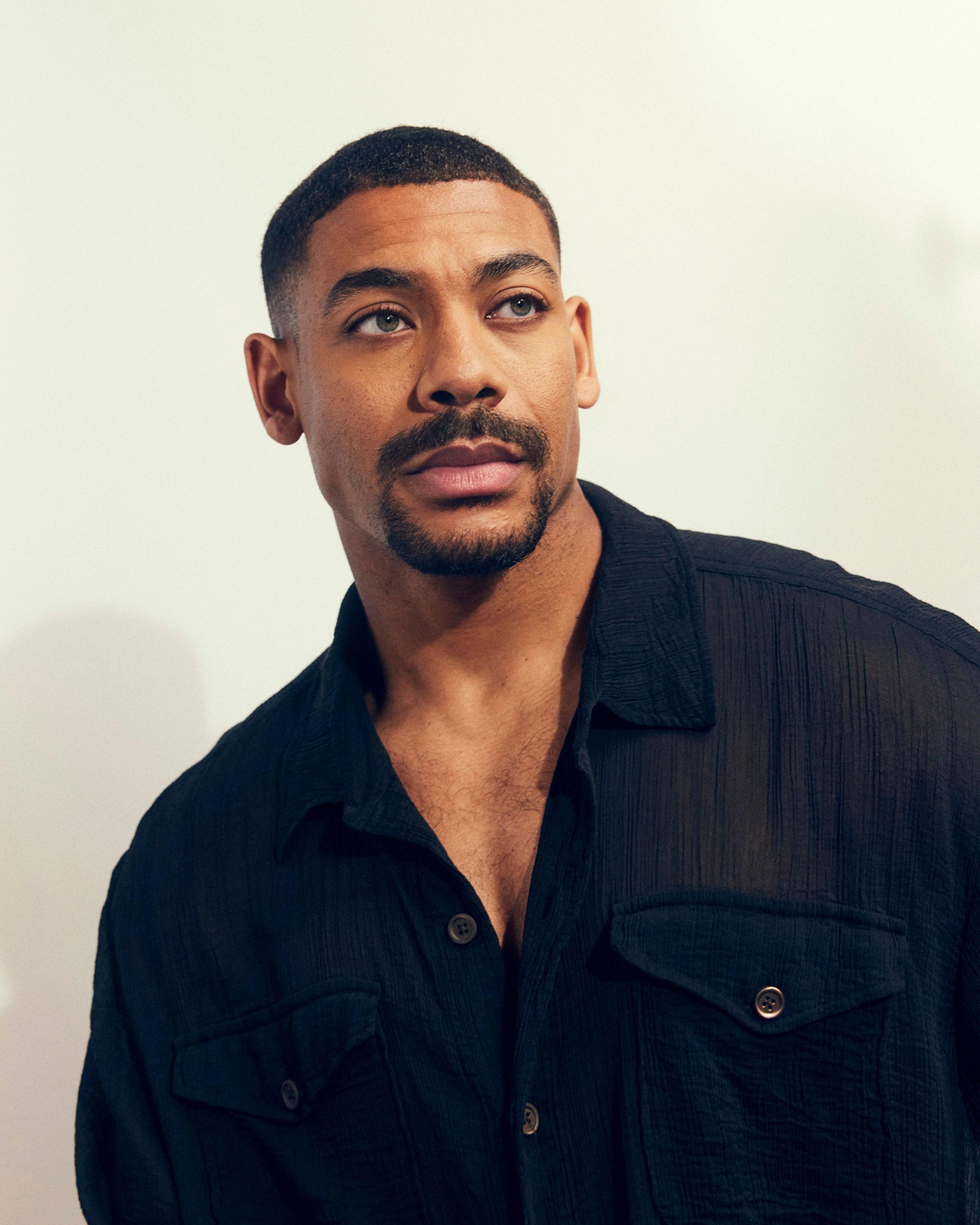
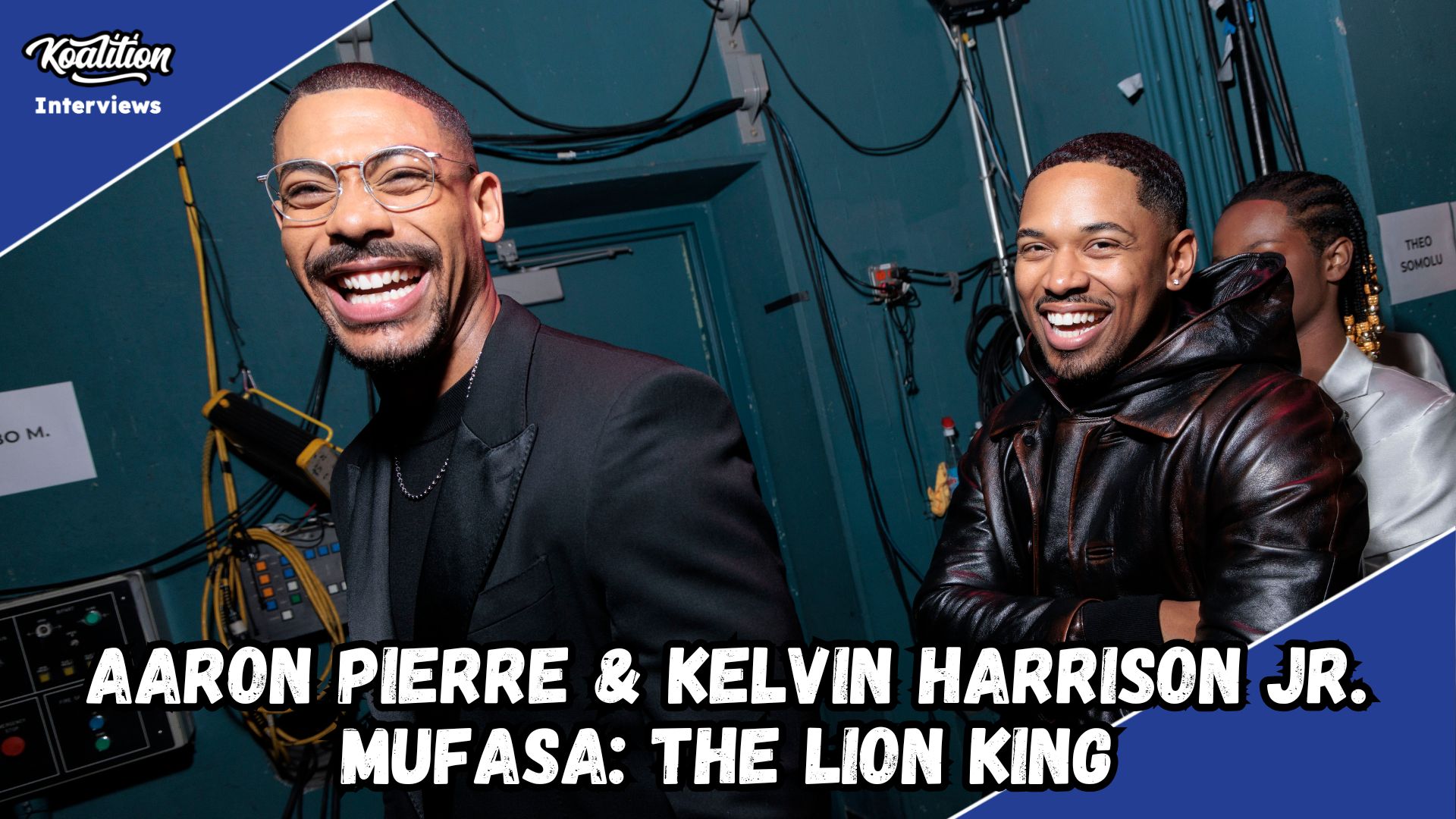
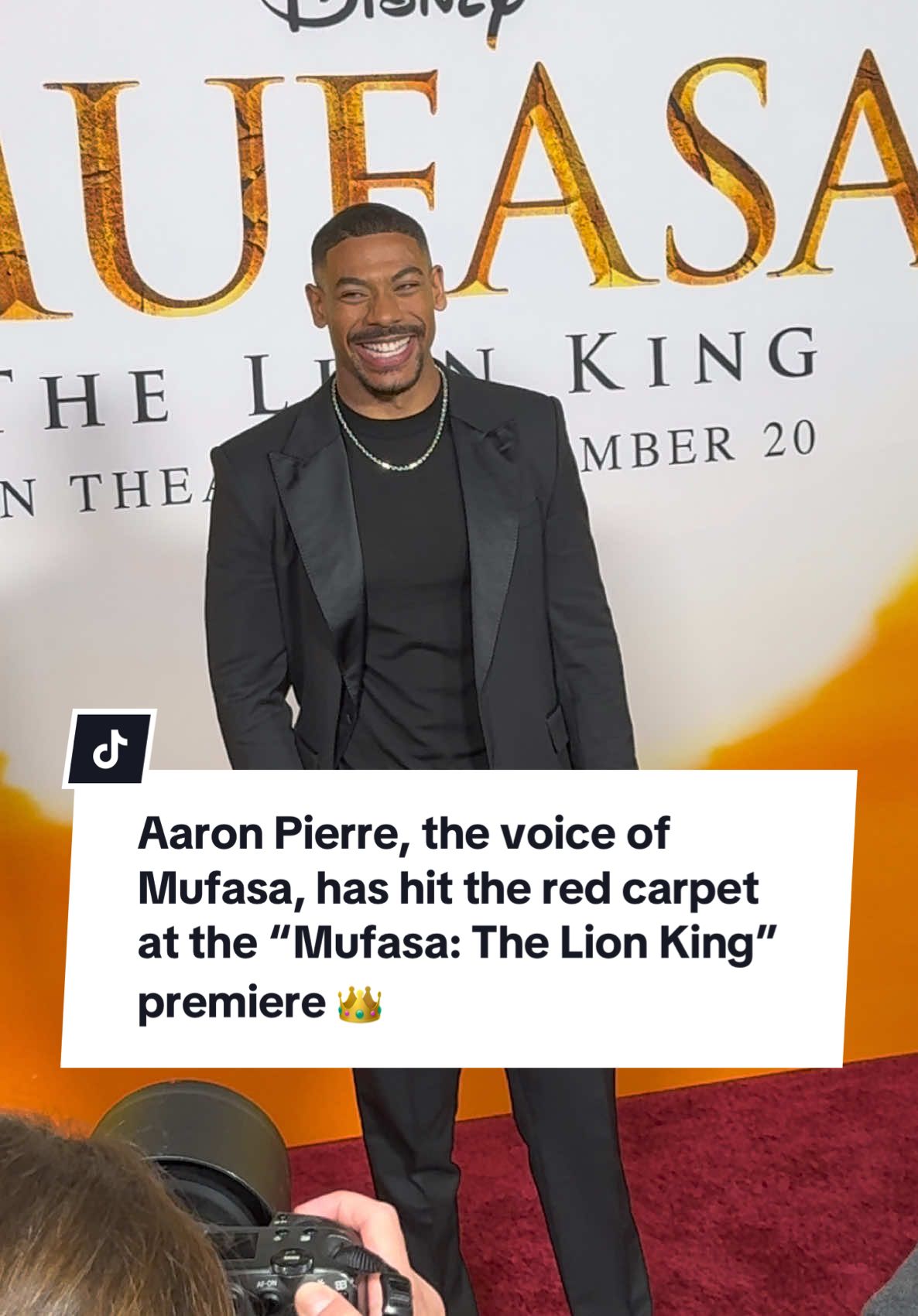
Aaron Pierre redefines the role of Mufasa by infusing the iconic character with a sense of youthful vulnerability and emotional complexity that contrasts with the established authority of the original. Working with director Barry Jenkins, Pierre moves beyond imitation, portraying Mufasa’s transformative journey from an orphaned outsider to a legendary king through a nuanced, soul-stirring vocal performance.
The Weight of a Legacy: Stepping into the Shadow of James Earl Jones
For nearly three decades, the character of Mufasa was synonymous with the singular voice of James Earl Jones. His bass-heavy, authoritative, and warm delivery in the 1994 original and the 2019 remake created a definitive blueprint for cinematic fatherhood and leadership. When Aaron Pierre was announced as the voice of a younger Mufasa in the prequel Mufasa: The Lion King, he faced the monumental task of honoring that legacy while carving out a distinct identity for the character.
Pierre’s approach was not one of mimicry. Instead of attempting to replicate the cavernous depth of Jones’s voice, Pierre focused on the "becoming." By 2026, critics have widely recognized that Pierre’s performance bridges the gap between the cub we never knew and the king we mourned. He portrays a Mufasa who is still finding his voice—literally and figuratively. This version of the character is not yet the "King of the Pride Lands" with all the answers; he is a lion grappling with displacement, identity, and the heavy burden of a destiny he did not seek.
The transition from James Earl Jones to Aaron Pierre represents a shift in storytelling focus. While Jones represented the "Great King" at his peak, Pierre represents the "Striving Hero." This redefinition is essential for a prequel, as it allows the audience to see Mufasa as a relatable protagonist who must earn his wisdom, rather than a static figure of perfection.
From The Underground Railroad to Pride Rock: The Rise of Aaron Pierre
Aaron Pierre’s journey to becoming a Hollywood mainstay was marked by a series of intense, physically demanding, and emotionally resonant roles. Born in Brixton, London, Pierre trained at the London Academy of Music and Dramatic Art (LAMDA), a background that provided him with the classical foundation necessary to handle the "Shakespearean" weight of The Lion King franchise.
His first major breakout occurred in 2021 with Barry Jenkins’s limited series The Underground Railroad, where he played Caesar. It was this collaboration that laid the groundwork for his casting as Mufasa. Jenkins noted Pierre’s "immense screen presence" and a voice that possessed both "gravity and grace." Following this, Pierre appeared in M. Night Shyamalan’s Old and later solidified his leading-man status in the 2024 action-thriller Rebel Ridge.
In Rebel Ridge, Pierre demonstrated a "calm-under-fire" intensity that many fans and critics saw as a prerequisite for Mufasa. His ability to command the screen through silence and controlled vocal delivery became his hallmark. This specific skill set—balancing raw power with refined emotion—is exactly what the role of a young Mufasa required. By 2026, Pierre has leveraged this role to become one of the most sought-after actors in both prestige drama and blockbuster franchises.
Redefining Mufasa’s Origin: Vulnerability as Strength
The narrative of Mufasa: The Lion King centers on Mufasa’s status as an orphaned "stray" who is taken in by the royal family, specifically by Taka (the lion who would become Scar). This backstory fundamentally changes the character's motivation and the way Aaron Pierre voices him.
Unlike the 1994 version, where Mufasa’s authority is inherited and absolute, Pierre’s Mufasa is an outsider who must navigate a world that doesn't initially belong to him. This creates a performance defined by:
- Emotional Resilience: Pierre uses a lighter, more questioning tone in the film’s early acts to highlight Mufasa’s uncertainty.
- Brotherly Bond: The chemistry between Pierre and Kelvin Harrison Jr. (who voices Taka/Scar) is the heart of the film. Pierre portrays Mufasa’s loyalty to Taka with a sense of gratitude that eventually turns into the tragic conflict we know from the original story.
- The Growth of a King: As the film progresses, Pierre gradually lowers his register and slows his cadence, sonically representing Mufasa’s growth into the leader he is destined to be.
This redefinition emphasizes that leadership is a choice made through hardship, not just a birthright. Pierre’s Mufasa is a character who understands loss, which makes his eventual reign feel earned and his philosophy of the "Circle of Life" feel like a hard-won realization rather than a recited mantra.
Technical Craft: Voice Acting in a Photorealistic World
Voice acting for a photorealistic CGI film presents unique challenges. Because the lions in the 2024 prequel (and the 2019 predecessor) do not have the exaggerated facial expressions of traditional animation, the emotional weight of every scene rests almost entirely on the actor's vocal performance.
Aaron Pierre spent months working with vocal coaches to ensure his voice could convey a wide spectrum of emotion without the help of human-like visual cues. Director Barry Jenkins emphasized that the voice sessions were as intense as any live-action shoot. Pierre often performed his lines while moving in a "volume" (a motion-capture stage) to allow his physical movements to inform the rhythm of his speech.
This "physicalized" voice acting is what gives Pierre’s Mufasa a sense of presence. When the character is exhausted, you hear the breathiness in Pierre’s delivery. When he is asserting his power, you hear the resonance coming from the chest. This technical precision is what allows the CGI character to feel "human" and relatable to the audience, bridging the gap between the digital artistry of the animators and the soul of the character.
Comparing the Kings: James Earl Jones vs. Aaron Pierre
To understand how Pierre is redefining the role, it is helpful to look at the differences in characterization and vocal approach between the two actors who have defined Mufasa.
| Feature | James Earl Jones (1994/2019) | Aaron Pierre (2024/2026) |
|---|---|---|
| Vocal Tone | Deep, booming, "God-like" authority. | Resonant, rhythmic, soulful, and youthful. |
| Character Status | Established Monarch / Father. | Orphan / Outsider / Brother. |
| Primary Theme | Wisdom and Legacy. | Survival and Transformation. |
| Emotional Key | Calm, unshakeable strength. | Vulnerability and emerging confidence. |
| Relationship Focus | Father-Son (Simba). | Brother-Brother (Taka/Scar). |
| Origin Story | Divine right of kings. | Self-made leadership through hardship. |
This comparison highlights that Pierre is not a replacement for Jones, but a companion piece. Jones provides the destination, while Pierre provides the journey. By 2026, the two performances are viewed as a complete portrait of a single life, with Pierre providing the crucial context for why Mufasa became the wise, noble king seen in the original film.
The Cultural Impact of the "New" Mufasa
The casting of Aaron Pierre also carries significant cultural weight. As a Black British actor, Pierre brings a specific heritage and perspective to a role that is deeply rooted in African-inspired storytelling. While The Lion King has always been a global phenomenon, the prequel’s focus on "Found Family" and the struggle of the displaced cub resonated deeply with contemporary audiences in 2025 and 2026.
Pierre’s Mufasa has become a symbol of a more modern form of masculinity—one that allows for fear and grief. In interviews, Pierre has discussed how he wanted young viewers to see that even the strongest characters have moments of doubt. This "redefining" of the role goes beyond just the character of a lion; it reflects a broader shift in cinema toward more emotionally intelligent male protagonists.
Furthermore, Pierre’s success has paved the way for other actors of color to take on "untouchable" legacy roles by demonstrating that it is possible to honor the past while bringing something entirely new to the table. His performance has been lauded by the Academy of Motion Picture Arts and Sciences and other major bodies for its depth and technical mastery.
The Future of Aaron Pierre’s Career
As of 2026, Aaron Pierre is no longer just "the guy who voiced Mufasa." The role acted as a massive catalyst, propelling him into a new tier of stardom. Following the success of the film, Pierre has taken on a variety of roles that showcase his versatility, including lead parts in historical dramas and high-concept science fiction.
Industry analysts suggest that Pierre’s ability to handle a massive Disney franchise without losing his "indie" credibility (thanks to his continued work with directors like Barry Jenkins) has made him a unique asset in Hollywood. He is often compared to actors like Idris Elba or Denzel Washington—performers who possess both the physical stature for action and the emotional depth for complex drama.
For fans of The Lion King, Pierre’s performance remains the definitive look at the character’s youth. It is expected that his version of Mufasa will be featured in future spin-offs, theme park attractions, and merchandise, ensuring that his contribution to the pride lands is remembered for decades to come.
Frequently Asked Questions
Is Aaron Pierre replacing James Earl Jones as Mufasa?
No, Aaron Pierre is not replacing James Earl Jones but rather portraying a younger version of the character in the prequel Mufasa: The Lion King. While James Earl Jones defined the character as an established king and father, Pierre explores Mufasa’s origin story, showing his growth from an orphaned cub into a leader. James Earl Jones remains the voice of the adult Mufasa in the 1994 and 2019 films.
How did Barry Jenkins choose Aaron Pierre for the role?
Director Barry Jenkins chose Aaron Pierre after working with him on the critically acclaimed series The Underground Railroad. Jenkins was impressed by Pierre’s "soulful" vocal quality and his ability to convey immense emotion through subtle shifts in his voice. Jenkins felt that Pierre possessed the necessary "gravity" to honor the character's legacy while bringing a fresh, youthful energy to the prequel.
Does the prequel change Mufasa's backstory?
Yes, the film Mufasa: The Lion King introduces a new origin for the character, revealing that he was an orphaned "stray" rather than a royal cub by birth. This narrative choice, voiced by Aaron Pierre, emphasizes themes of "Found Family" and earned leadership, contrasting with the previous assumption that Mufasa was the direct heir to the throne.
What other movies has Aaron Pierre been in?
Aaron Pierre is known for several high-profile roles before and after Mufasa: The Lion King. His notable work includes the lead role of Terry Richmond in the Netflix thriller Rebel Ridge, Caesar in The Underground Railroad, Mid-Sized Sedan in M. Night Shyamalan’s Old, and Dev-Em in the series Krypton. His career spans both intense action and prestige drama.
How did Aaron Pierre prepare his voice for the role?
Pierre engaged in extensive vocal training and physicalized sessions where he performed his lines on a motion-capture stage. This allowed his physical movements to influence the rhythm and breath of his delivery, ensuring the CGI lion felt grounded and realistic. He focused on finding a balance between the youthful "searching" quality of a young lion and the emerging resonance of a future king.
Next Steps for Fans of Aaron Pierre
To fully appreciate Aaron Pierre's transformation into Mufasa, viewers should watch his performance in Rebel Ridge and The Underground Railroad to see the range of his acting. Those interested in the technical side of his performance can look for "Behind the Scenes" features on the Mufasa: The Lion King 4K/Blu-ray release (2025/2026), which detail the vocal sessions and his collaboration with Kelvin Harrison Jr.