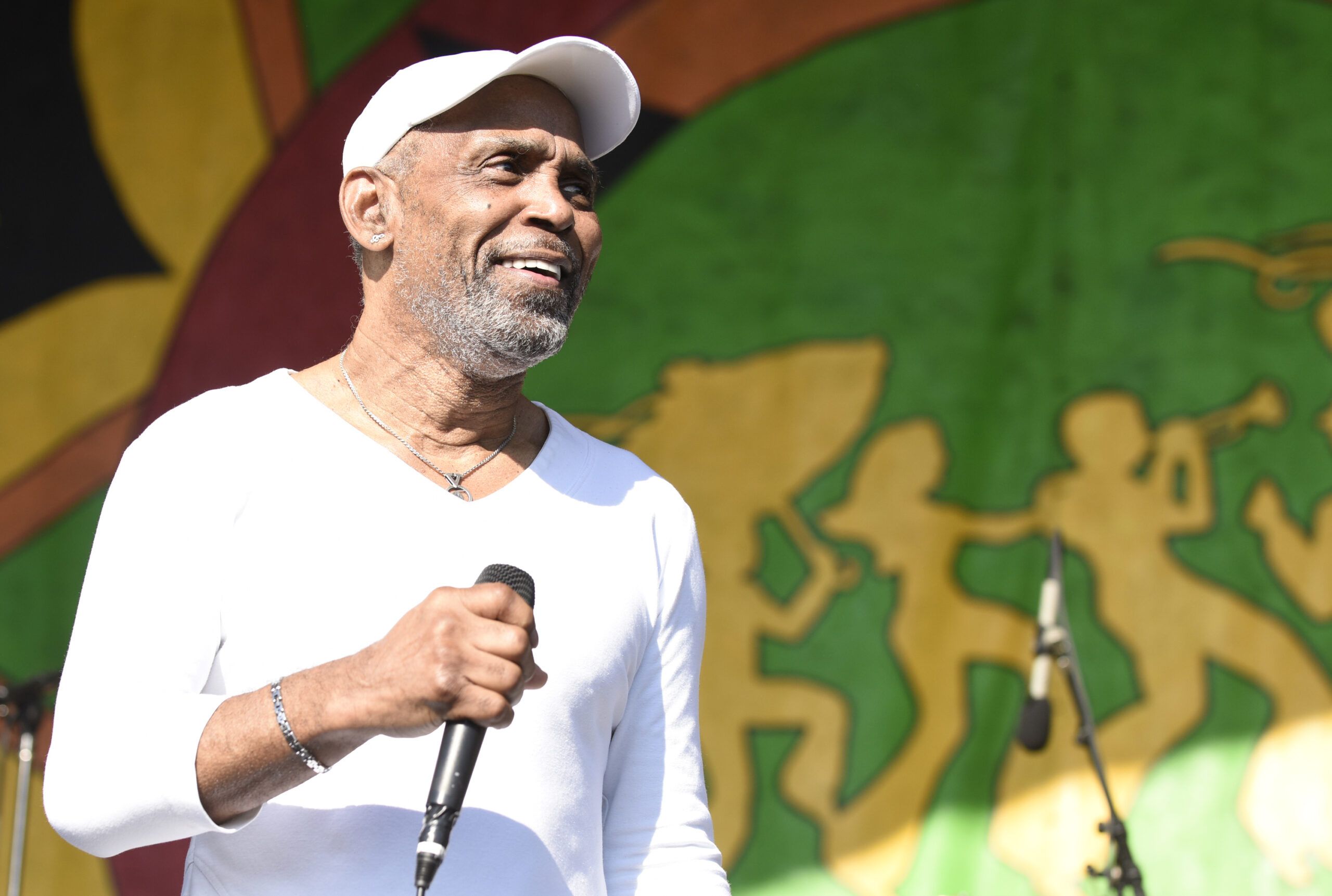
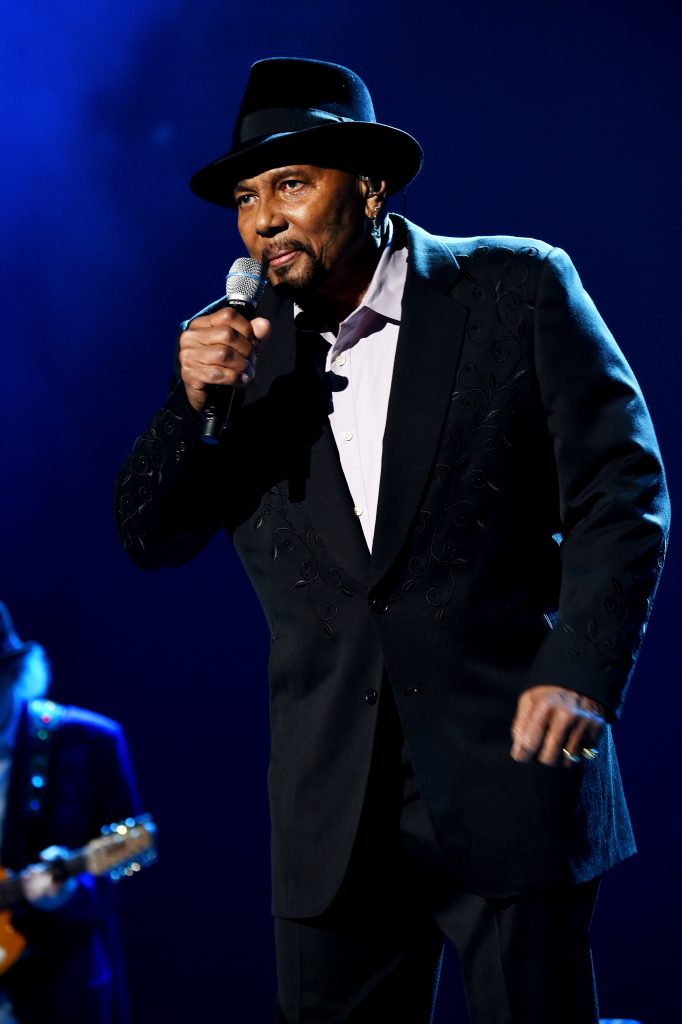
As of 2026, Aaron Neville’s net worth is estimated to be between $8 million and $12 million. This valuation is the result of a career spanning six decades, encompassing chart-topping solo hits, the cultural institution of The Neville Brothers, multiple Grammy Awards, and high-value collaborations that solidified his status as a premier voice in American soul and R&B.
The Foundations of a Multi-Decade Musical Career
To understand Aaron Neville’s financial standing in 2026, one must look back at the erratic but ultimately lucrative trajectory of his recording career. Neville’s wealth is not merely a product of recent earnings but a slow accumulation of intellectual property value and performance history. His initial breakthrough came in 1966 with "Tell It Like It Is," a track that reached number one on the R&B charts. While many artists of that era suffered from predatory contracts, the enduring popularity of this single has provided a steady stream of secondary income through licensing in film, television, and advertising.
The financial "second act" of Neville's career occurred in the late 1980s and early 1990s. This period was marked by his highly successful duets with Linda Ronstadt. Songs like "Don't Know Much" and "All My Life" were not just critical darlings; they were massive commercial successes. The album Cry Like a Rainstorm, Howl Like the Wind was certified Triple Platinum, signifying over three million units sold. For a featured artist like Neville, these certifications translated into significant royalty checks and elevated his booking fees for solo performances for the next thirty years.
The Neville Brothers and the Business of Cultural Heritage
Aaron Neville’s net worth is inextricably linked to his family. The Neville Brothers—consisting of Aaron, Art, Charles, and Cyril—became the definitive sound of New Orleans. From 1977 until their final performances, the group was a staple of the international festival circuit. Their business model relied heavily on the "live experience," particularly their long-standing tradition of closing out the New Orleans Jazz & Heritage Festival.
The financial structure of The Neville Brothers was a collective enterprise, but Aaron’s unique "angelic" tenor made him the breakout star, allowing him to command higher rates for solo appearances while maintaining his share of the band’s collective earnings. The band’s catalog, which includes the critically acclaimed Yellow Moon (produced by Daniel Lanois), continues to generate revenue through streaming platforms. In 2026, legacy artists like Neville benefit from "long-tail" streaming economics, where classic tracks find new life on curated R&B and soul playlists, providing a consistent, albeit smaller, monthly passive income compared to the physical sales era.
Real Estate and Personal Assets
Unlike many celebrities who maintain massive, high-maintenance portfolios, Aaron Neville has historically favored a more grounded approach to his personal assets. Following the devastation of Hurricane Katrina in 2005, Neville moved away from New Orleans, eventually settling in New York with his wife, photographer Sarah A. Friedman.
His real estate holdings, primarily located in the Northeast and occasional interests in Louisiana, represent a stable portion of his net worth. While he has sold several properties over the years, his current residence reflects a lifestyle focused on privacy and health rather than ostentation. For a retired performer in his 80s, the conversion of large estates into more manageable, liquid assets is a common financial strategy to ensure long-term stability and simplify estate planning.
Literary Ventures and Post-Touring Income
In 2021, Aaron Neville officially announced his retirement from touring. While this removed a primary source of active income (concert tickets and merchandise), it did not end his earning potential. In 2023, he released his memoir, Tell It Like It Is: My Story, which provided a new revenue stream through book sales and potential film/documentary optioning.
In 2026, the financial value of a legacy artist's "story" is often as significant as their music. Memoirs serve as a marketing tool for the back catalog, often causing a spike in streaming numbers as readers revisit the discography. Furthermore, Neville has remained active in the recording studio even if he no longer traverses the globe. Small-scale digital releases and guest appearances on other artists' albums allow him to maintain his professional relevance and collect session fees and performance royalties without the overhead costs associated with a full touring production.
| Income Category | Primary Source | Estimated Impact on Net Worth |
|---|---|---|
| Solo Royalties | "Tell It Like It Is," "Everybody Plays the Fool" | High (Steady Passive Income) |
| Collaborations | Linda Ronstadt Duets, Soundtracks | Very High (Back Catalog Strength) |
| The Neville Brothers | Band Albums, Festival History | Moderate (Shared Assets) |
| Literature | Tell It Like It Is (Memoir) | Moderate (One-time and Residual) |
| Real Estate | Residential Property (NY/LA) | Moderate (Equity Growth) |
The Impact of Catalog Sales in the Modern Market
A major discussion point regarding Aaron Neville’s net worth in the current mid-2020s landscape is the potential sale of his publishing rights. Many of his contemporaries have sold their catalogs to investment firms like Hipgnosis or BMG for multi-million dollar payouts. While Neville has not publicly disclosed a full sale of his entire songwriting and performance catalog, the market value for his body of work remains high.
His voice is considered "singular" in the industry, making his recordings highly valuable for "sync rights"—the right to use music in movies and commercials. Any valuation of his net worth in 2026 must account for the "fair market value" of these rights. Even if not liquidated, these rights serve as a significant asset against which credit can be secured or wealth can be transferred to his heirs.
Challenges and Financial Resilience
Neville’s path to a multi-million dollar net worth was not without obstacles. Early in his career, like many New Orleans musicians of the 1960s, he struggled with contracts that favored labels over artists. He also faced personal battles with addiction and the physical loss of his home and memorabilia during Hurricane Katrina.
His financial resilience is attributed to his 1980s career resurgence and his marriage to Sarah A. Friedman, who has been instrumental in managing his late-career public image and business ventures. By diversifying his income between music, books, and careful asset management, Neville has secured a legacy that protects him from the volatility often seen in the entertainment industry.
How much did Aaron Neville make from his duets with Linda Ronstadt?
The duets with Linda Ronstadt were among the most financially lucrative moments of Neville's career. The album Cry Like a Rainstorm, Howl Like the Wind sold over 3 million copies in the US alone. Between mechanical royalties from sales, performance royalties from heavy radio airplay, and two Grammy Awards that boosted his market value, these collaborations likely earned Neville several million dollars over the decades.
Does Aaron Neville still earn money from "Tell It Like It Is"?
Yes, Aaron Neville continues to earn royalties from "Tell It Like It Is." Although the song was recorded in 1966, it is considered a soul standard. It generates revenue through digital streaming, radio play (BMI/ASCAP), and sync licensing in media. While the original contract terms from the 60s were less favorable than modern deals, the sheer volume of usage ensures a consistent income stream.
Did Hurricane Katrina destroy Aaron Neville's wealth?
Hurricane Katrina was a significant financial and personal blow, as Neville lost his home and many irreplaceable personal items. However, it did not destroy his net worth. His wealth was largely held in intellectual property and diversified assets outside of his primary New Orleans residence. The event actually led to a period of high demand for his performances as he became a symbol of New Orleans’ resilience.
Is Aaron Neville still active in the music business in 2026?
While Aaron Neville retired from full-scale touring in 2021, he remains active in the music business through recording and special projects. In 2026, he continues to earn from his memoir, studio collaborations, and the management of his extensive catalog. His retirement refers to the grueling schedule of "life on the road" rather than a total cessation of professional income.
What is the primary source of Aaron Neville's income today?
In 2026, Neville's primary income is "passive." This includes royalties from his 50+ years of recordings, publishing income from songs he wrote or co-wrote, and distributions from the sales of his autobiography. This is supplemented by the investment growth of his existing capital and property holdings.
Protecting the Musical Legacy
For fans and researchers looking at Aaron Neville’s financial standing, the most important takeaway is the shift from active performance to legacy management. As a musician in his mid-80s, his "net worth" is no longer about the next big tour, but about the enduring value of his unique vocal contributions to the American songbook. For those looking to support legacy artists, purchasing official memoirs and streaming music via high-fidelity platforms ensures that royalties continue to flow to the creators who defined the soul genre.