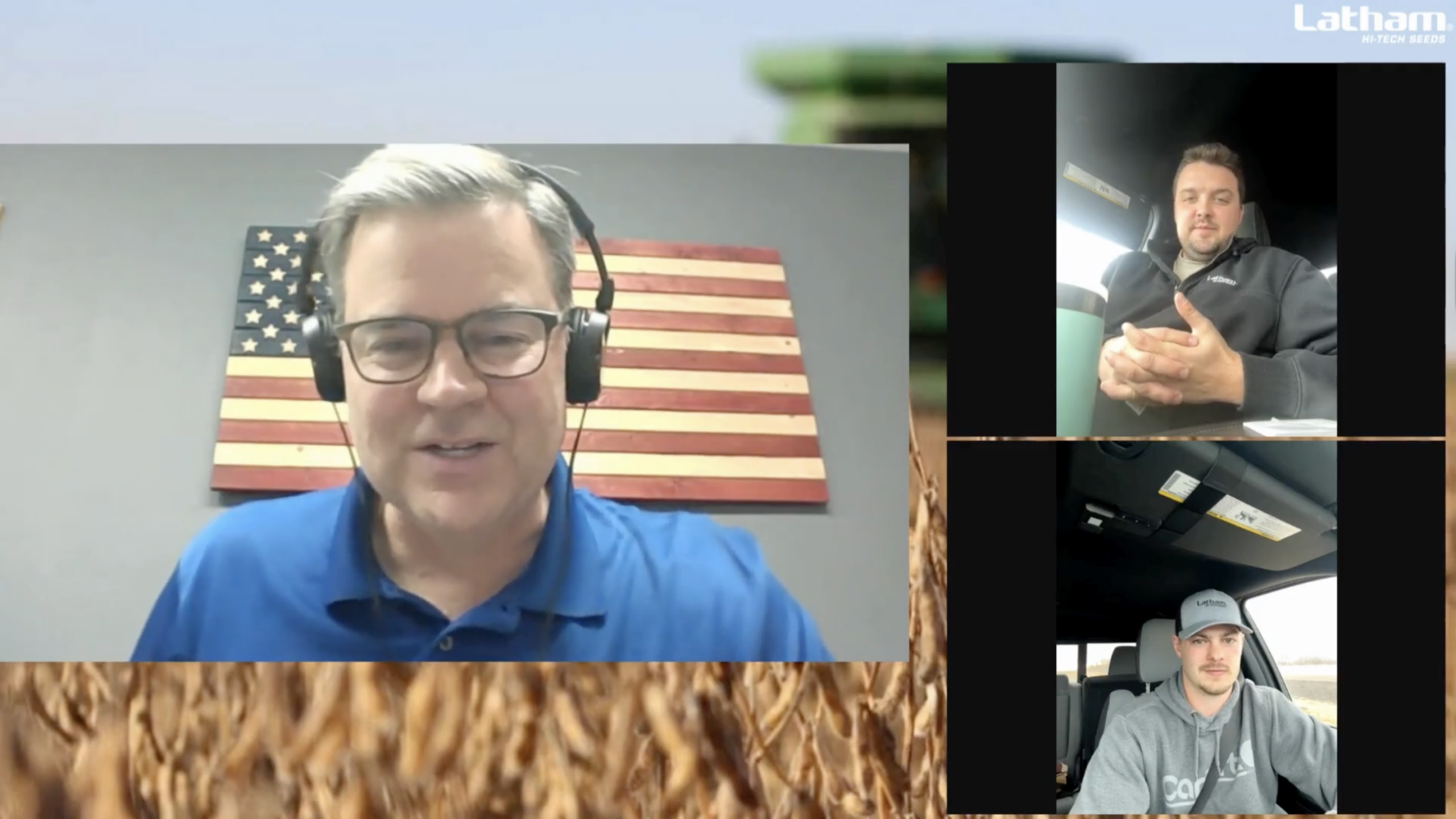
Aaron Latham was a prominent American journalist, novelist, and screenwriter best known for his defining contributions to "New Journalism" and for penning the stories that became cultural touchstones, such as Urban Cowboy and Perfect. Throughout his career, Latham bridged the gap between immersive magazine reporting and Hollywood screenwriting, capturing the essence of American subcultures with precision and wit.
Born in the heart of Texas and educated in the Ivy League, Latham possessed a unique ability to translate regional phenomena into national trends. His work often explored themes of masculinity, the search for identity in modern America, and the intersection of reality and myth. As of 2026, his legacy continues to be studied by aspiring journalists and filmmakers who seek to understand the transformative power of narrative non-fiction.
Early Life and Academic Roots in Texas and the Ivy League
Aaron Latham was born on October 3, 1943, in Spur, Texas. His upbringing in the small-town West provided him with a foundational understanding of the "cowboy" ethos that would later define his most famous work. The vast landscapes and the rugged, often stoic nature of Texas life deeply influenced his perspective as a writer, allowing him to write about the American West with an authenticity that many of his East Coast contemporaries lacked.
Despite his rural roots, Latham was an academic standout. He attended Amherst College for his undergraduate studies, where he sharpened his literary skills. He later moved to Princeton University, where he earned a PhD in English literature. His doctoral dissertation focused on the legendary F. Scott Fitzgerald, specifically Fitzgerald’s time in Hollywood. This research was eventually published as the book Crazy Sundays: F. Scott Fitzgerald in Hollywood (1971).
This early immersion in Fitzgerald’s life—examining how a great novelist struggled with the commercial demands of the film industry—proved prophetic. Latham would eventually navigate the same waters, finding success where many others stumbled. His academic background gave him a structural discipline that balanced the more experimental "New Journalism" style he would adopt in the 1970s.
The Rise of a New Journalism Icon
In the 1970s, the landscape of American media was shifting. Magazines like Esquire, Rolling Stone, and New York Magazine were becoming the epicenter of "New Journalism," a style that utilized literary techniques to report on real-life events. Aaron Latham was at the forefront of this movement.
Working as an editor and writer for these prestigious publications, Latham developed a reputation for "immersion reporting." He didn't just interview subjects; he lived among them, observing the minutiae of their lives to find the larger sociological truth. His writing was characterized by a sharp eye for detail and an empathetic, yet clear-eyed, portrayal of his subjects.
Latham’s career in journalism was not just about writing; it was about identifying the "zeitgeist." He had an uncanny ability to spot a trend before it hit the mainstream. Whether it was the political machinations of Washington D.C. or the rising popularity of a niche subculture in a Houston suburb, Latham’s reporting provided a window into the evolving American psyche.
Urban Cowboy: A Cultural Phenomenon
The pinnacle of Latham’s journalistic influence came in 1978 with the publication of his Esquire cover story, "The Ballad of the Urban Cowboy and America’s Search for True Grit." The article focused on the patrons of Gilley’s, a massive honky-tonk in Pasadena, Texas, particularly a young man named Dew Thompson.
Latham’s reporting captured a specific moment in time: the transition from the glitz of the disco era back toward a rugged, blue-collar American identity. He famously chronicled the use of the mechanical bull, which served as a metaphor for the struggles of the working man. The article was so compelling that it was quickly optioned for a film.
Latham co-wrote the screenplay for the 1980 film Urban Cowboy, starring John Travolta and Debra Winger. The movie was a massive hit, sparking a nationwide craze for Western wear, country music, and mechanical bulls. Beyond the commercial success, the work established Latham as a writer who could successfully translate the depth of a magazine feature into the narrative structure of a feature film.
Major Literary and Cinematic Works
While Urban Cowboy remains his most famous contribution, Latham’s body of work is extensive and varied. He consistently explored the boundaries between reporting and fiction, often writing novels that felt like deep-dive journalism and screenplays that felt like lived experiences.
Key Screenplays and Films
- Urban Cowboy (1980): As mentioned, this film redefined the Western genre for a modern, industrial audience.
- Perfect (1985): Based on Latham’s own articles for Rolling Stone about the health club subculture in Los Angeles. Starring John Travolta and Jamie Lee Curtis, the film examined the obsession with physical fitness and the journalistic ethics of the era.
- The Program (1993): Latham co-wrote this gritty look at the pressures of college football. The film was noted for its realistic—and sometimes controversial—depiction of the win-at-all-costs mentality in collegiate sports.
Notable Books and Novels
- Crazy Sundays (1971): A scholarly yet accessible look at F. Scott Fitzgerald's final years.
- Orchids for Doc (1975): A delve into the world of espionage and the CIA.
- The Frozen Leopard (1991): An adventurous narrative set in Africa, showcasing Latham's range beyond American subcultures.
- Code of the West (2001): A novel that revisited his fascination with Texas and the modern cowboy.
A Power Couple in Media: Latham and Lesley Stahl
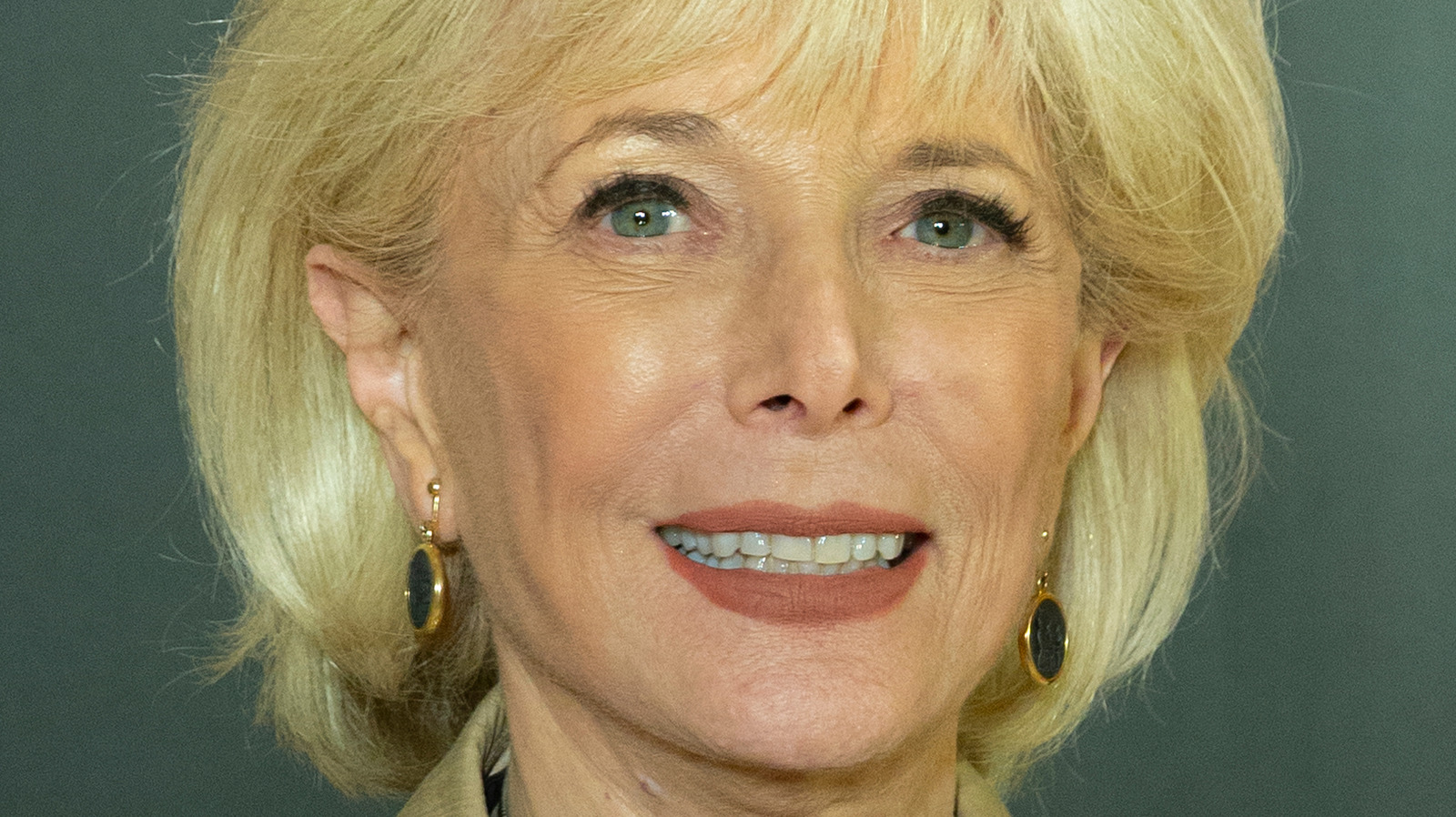
In 1977, Aaron Latham married Lesley Stahl, the renowned journalist and longtime correspondent for CBS’s 60 Minutes. Their partnership became one of the most respected in the media world. While Stahl tackled hard-hitting political news and international affairs, Latham focused on the cultural and narrative threads of American life.
The couple’s relationship was often cited as a model of mutual professional respect. They met during the Watergate era—Latham was reporting on the scandal, and Stahl was covering it for CBS. Their shared passion for storytelling and truth-seeking bound them together for over four decades.
In her memoir, Stahl frequently credited Latham with being her most trusted editor and confidant. Their life together in New York City was a blend of high-level journalism and a deeply grounded family life, including their daughter, Taylor.
Later Years, Parkinson’s, and Resilience
In the early 2000s, Aaron Latham was diagnosed with Parkinson’s disease. Typical of his character, he did not allow the diagnosis to end his creative life. Instead, he turned his struggle into a source of inspiration and further exploration.
Latham became a vocal advocate for Parkinson’s research and was a regular participant in "Rock Steady Boxing," a program designed to help Parkinson’s patients manage their symptoms through non-contact boxing. He famously noted that "writing is a way of fighting back," and he continued to work on plays and articles well into his later years.
He wrote a play titled The Cowboy and the Widow, which dealt with themes of aging and companionship, reflecting his own experiences with the limitations of the body versus the vitality of the mind. Aaron Latham passed away on July 23, 2022, at the age of 78, leaving behind a legacy of work that remains as vibrant and relevant as the day it was published.
Summary of Key Facts
The following table summarizes the essential milestones and facts regarding the life and career of Aaron Latham.
| Category | Details |
|---|---|
| Full Name | Aaron Latham |
| Birth Date | October 3, 1943 |
| Death Date | July 23, 2022 |
| Hometown | Spur, Texas, USA |
| Education | Amherst College (BA), Princeton University (PhD) |
| Spouse | Lesley Stahl (Married 1977) |
| Primary Genre | New Journalism, Screenwriting, Western Fiction |
| Most Famous Article | "The Ballad of the Urban Cowboy and America’s Search for True Grit" |
| Key Films | Urban Cowboy, Perfect, The Program |
| Key Books | Crazy Sundays, The Frozen Leopard, Code of the West |
| Legacy | Popularized the modern "Urban Cowboy" aesthetic; pioneer of immersive journalism. |
Frequently Asked Questions
What was Aaron Latham's role in "New Journalism"?
Latham was a key practitioner of New Journalism, a movement that flourished in the 1960s and 70s. This style used techniques typically found in fiction—such as character development, dialogue, and vivid scene-setting—to tell non-fiction stories. Latham’s work for Esquire and New York Magazine helped define this era by focusing on the subcultures and "secret lives" of ordinary Americans, treating their stories with the same gravity as major political events.
How did Aaron Latham influence the movie Urban Cowboy?
Latham did more than just write the source material; he co-wrote the screenplay and served as the cultural architect for the film. He spent months at Gilley’s Club in Texas, observing the real-life people who inspired the characters of Bud and Sissy. His ability to identify the mechanical bull as a symbol of American masculine anxiety provided the film with its emotional core and its most iconic imagery.
What was the relationship between Aaron Latham and Lesley Stahl?
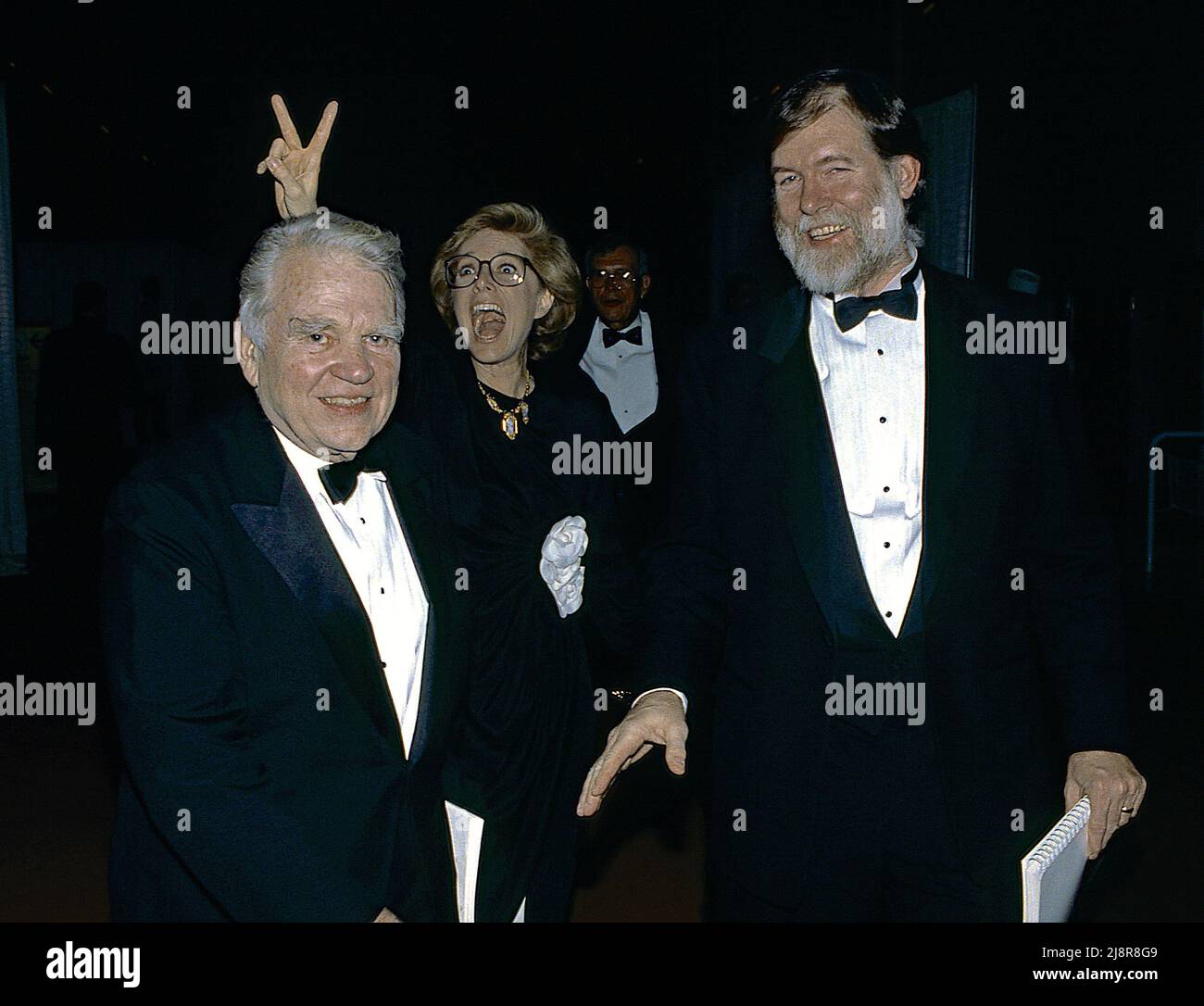
Aaron Latham and Lesley Stahl were married from 1977 until his death in 2022. They were a prominent "media power couple" in New York City. Stahl, a leading voice on 60 Minutes, and Latham, a celebrated writer, often supported each other's professional endeavors. Latham was known to be a significant influence on Stahl's writing, and they remained a close-knit family, often seen together at journalistic and cultural events.
Did Aaron Latham continue writing after his Parkinson's diagnosis?
Yes, Latham remained remarkably active. He viewed his battle with Parkinson’s as another story to be told and another challenge to be met with narrative force. He participated in specialized boxing programs to stay physically active and continued to write plays and novels. His late-career work often touched on the themes of resilience and the human spirit's ability to endure physical decline.
What is the significance of Latham's work on F. Scott Fitzgerald?
Latham’s PhD thesis and subsequent book, Crazy Sundays: F. Scott Fitzgerald in Hollywood, provided a definitive look at the later, often overlooked years of Fitzgerald’s life. It explored the tension between high art and commercial entertainment, a theme that Latham himself would navigate as he moved between the worlds of prestigious magazine journalism and big-budget Hollywood filmmaking.
Navigating the Legacy of Aaron Latham
To truly appreciate the work of Aaron Latham, one should start by reading his original journalism. While the films Urban Cowboy and Perfect are essential viewing for understanding the pop culture of the 1980s, his long-form articles offer a depth of sociological insight that is often lost in the cinematic translation.
For students of writing, Latham’s career serves as a masterclass in versatility. He proved that a writer could be a scholar, a journalist, a novelist, and a screenwriter all at once, provided they have a keen eye for the truth and a deep empathy for their subjects. In 2026, as the lines between different forms of media continue to blur, Latham’s "multi-platform" success before the digital age remains an inspiring blueprint for contemporary creators.