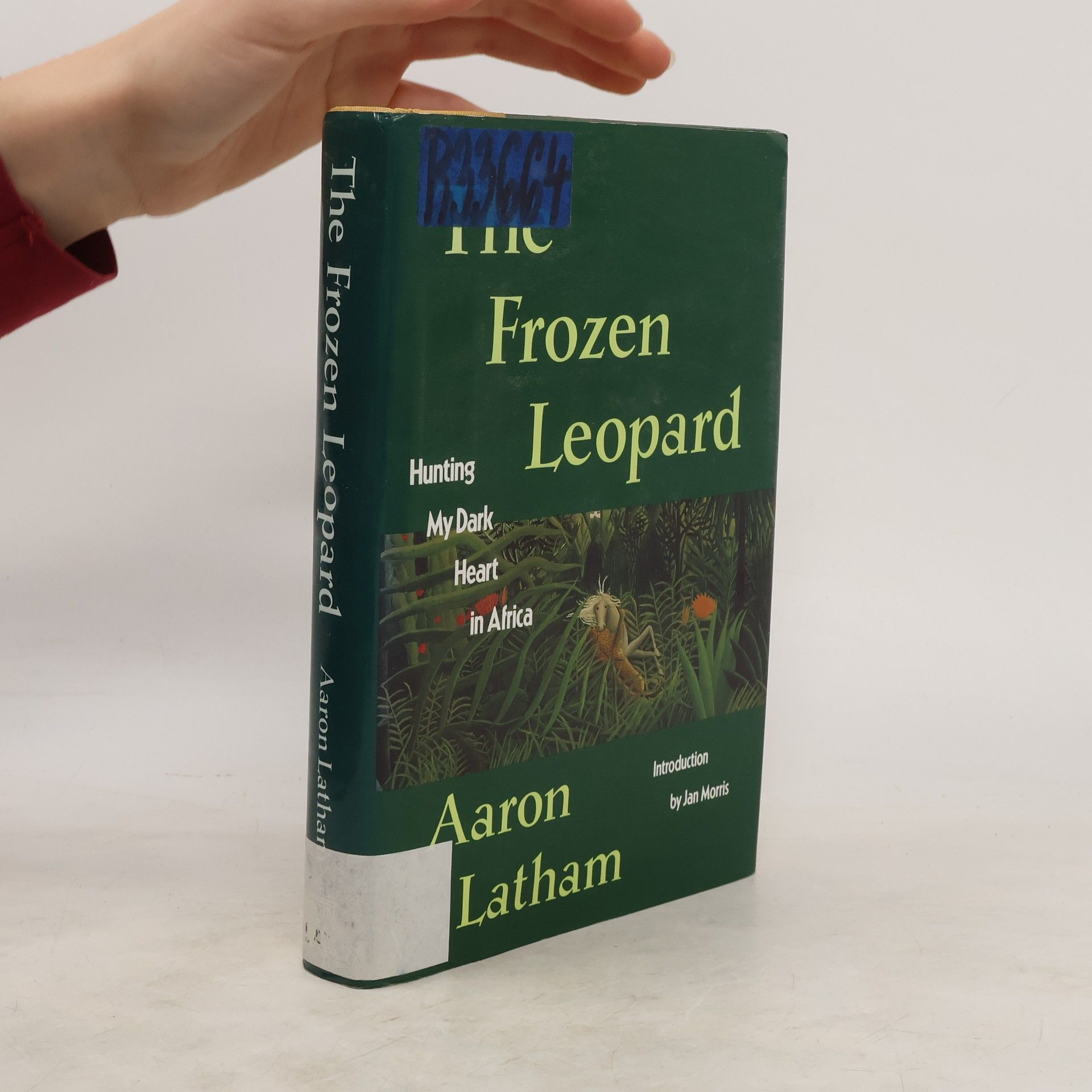
Aaron Latham was a celebrated American journalist, author, and screenwriter, best known for his 1978 Esquire cover story, "The Ballad of the Urban Cowboy," which inspired the iconic film Urban Cowboy. A prominent figure in the New Journalism movement, Latham’s work bridged the gap between immersive reporting and cinematic storytelling, shaping how the world perceived modern masculinity and the evolving American West.
The Intellectual Foundation of a Texas Reporter
Aaron Latham was born on October 3, 1943, in Spur, Texas, a small town that would forever color his perspective on American life. Growing up in the Texas Panhandle provided him with a firsthand look at the transition from traditional agrarian lifestyles to the industrial and social shifts of the mid-20th century. However, Latham was not merely a local observer; he was a scholar of narrative.
He attended Amherst College and later earned a PhD from Princeton University. His doctoral thesis focused on the literary relationship between F. Scott Fitzgerald and his editor, Maxwell Perkins. This academic background gave Latham a rigorous structural understanding of storytelling that many of his journalistic peers lacked. In 2026, looking back at his body of work, it is clear that his PhD was not just a title but a toolkit he used to dissect the psychological motivations of his subjects, whether they were politicians in Washington, D.C., or roughnecks at a dance hall in Pasadena, Texas.
His career began in earnest at The Washington Post, followed by a significant tenure as an editor at New York magazine and Esquire. It was during his time at Esquire in the late 1970s that Latham would encounter the story that would define his legacy and fundamentally alter the landscape of American pop culture.
The "Urban Cowboy" Phenomenon: From Esquire to Hollywood
In the late 1970s, Latham traveled to Pasadena, Texas, to investigate a massive nightclub called Gilley’s. What he found there was a subculture of blue-collar refinery workers who spent their nights dressing as cowboys, riding mechanical bulls, and engaging in a ritualized form of Western romanticism. His resulting article, "The Ballad of the Urban Cowboy," published in Esquire in September 1978, was a masterclass in New Journalism.
The Anatomy of the Article
Latham didn't just report on the club; he lived the experience. He focused on a young man named Dew Westbrook (the real-life inspiration for John Travolta’s Bud Davis) and his tumultuous relationship. Latham’s writing highlighted the dichotomy of the modern Texan: men who worked in high-tech petrochemical plants by day but sought the rugged, individualistic identity of the 19th-century cowboy by night.
The article struck a chord because it identified a crisis of identity in the American male. As the traditional frontier vanished and was replaced by industrial sprawl, the "Urban Cowboy" sought to reclaim his heritage through costume and competition.
Transitioning to the Screen
The impact of the article was so immediate that it was quickly optioned for a film. Latham co-wrote the screenplay for Urban Cowboy (1980) with director James Bridges. The film, starring John Travolta and Debra Winger, was a massive commercial success. It did more than just sell tickets; it launched a nationwide craze for Western wear, country music, and mechanical bulls. By 2026, cultural historians still point to Urban Cowboy as the moment country music moved from a regional niche to a mainstream powerhouse.
A Career Defined by Cultural Immersion
While Urban Cowboy remains his most famous contribution, Latham’s career was defined by a consistent ability to identify cultural shifts before they reached the mainstream. He possessed a unique talent for finding the "cinematic" in everyday reporting, a hallmark of the New Journalism era.
Perfect (1985)
Latham followed a similar trajectory with the 1985 film Perfect. The film was based on a series of articles Latham wrote for Rolling Stone in the late 1970s and early 80s, which examined the burgeoning health club and aerobics scene in Los Angeles. Again, Latham served as a screenwriter, reuniting with James Bridges and John Travolta. Though the film was less critically acclaimed than Urban Cowboy, it captured the 1980s obsession with fitness and the "meat market" atmosphere of high-end gyms, proving Latham's knack for documenting social trends.
The Program (1993)
In the 1990s, Latham turned his attention to the world of college football. He co-wrote the screenplay for The Program (1993), a gritty look at the pressures, scandals, and physical tolls of elite college athletics. The film was noted for its realism and its willingness to address topics like steroid use and academic fraud, reflecting Latham’s journalistic commitment to revealing the darker side of American institutions.
| Work Title | Year | Medium | Primary Theme |
|---|---|---|---|
| "The Ballad of the Urban Cowboy" | 1978 | Magazine Article (Esquire) | Industrialization vs. Western Identity |
| Urban Cowboy | 1980 | Film (Screenplay) | Blue-collar romance and country subculture |
| Perfect | 1985 | Film (Screenplay) | The 1980s fitness craze and journalistic ethics |
| The Program | 1993 | Film (Screenplay) | The corruption and intensity of college football |
| The Texas-Oklahoma Code of the West | 2005 | Novel | Modern-day Western mythology |
Literary Contributions and the Modern Western
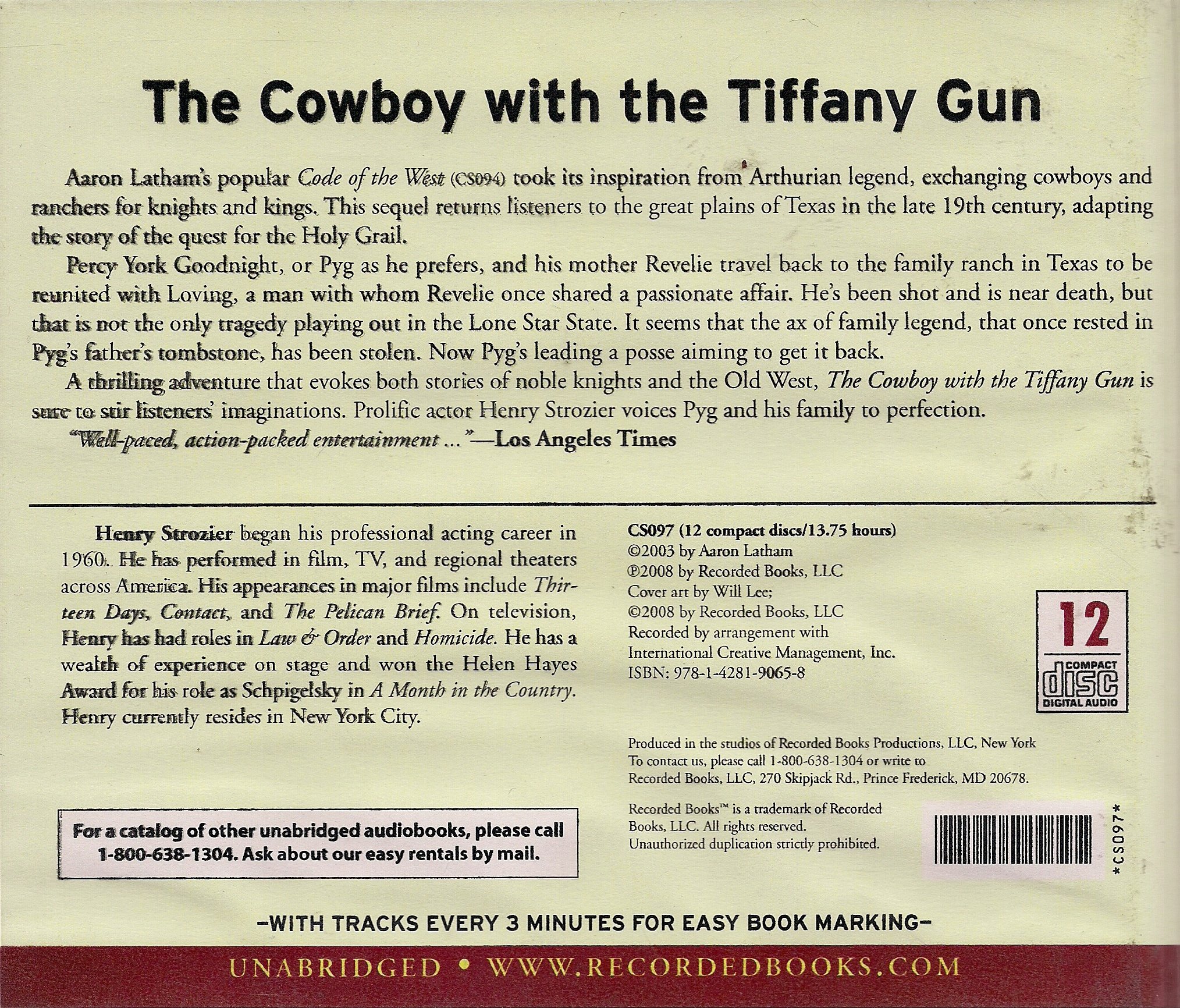
Beyond his screenwriting, Aaron Latham was a prolific novelist. His books often returned to his Texas roots, exploring the "Code of the West" in a modern context. Works like The Texas-Oklahoma Code of the West (2005) and The Cowboy with the Tin Star (2006) blended humor with a deep reverence for Western archetypes.
Latham’s prose was characterized by a rhythmic, almost musical quality, likely influenced by his study of Fitzgerald. He had a way of making the mundane seem epic. In his novels, a high school football game or a drive across the Llano Estacado was treated with the same gravity as a classic gunfight at the O.K. Corral. This ability to elevate the "ordinary" American experience into the realm of mythology is what kept his work relevant well into the 21st century.
Personal Life and Partnership with Lesley Stahl
One cannot discuss the life of Aaron Latham without mentioning his long and enduring marriage to legendary 60 Minutes correspondent Lesley Stahl. The two were married in 1977 and became one of Washington D.C. and New York’s most prominent media couples.
Their relationship was a partnership of equals, with Stahl dominating the world of broadcast journalism while Latham navigated the worlds of print and film. In his later years, Latham was diagnosed with Parkinson’s disease. His struggle with the condition was a testament to his resilience; he famously took up non-contact boxing as a way to manage his symptoms, a story that Stahl shared publicly to raise awareness for the disease.
Latham passed away on July 23, 2022, at the age of 78. By 2026, his legacy is preserved not just through his films but through his influence on a generation of journalists who learned that "the story" is often found in the places everyone else is ignoring.
The Enduring Influence of New Journalism
Aaron Latham belonged to a cohort of writers—including Tom Wolfe, Hunter S. Thompson, and Joan Didion—who believed that the reporter should not be a "fly on the wall" but an active participant and a stylist. Latham’s contribution to this movement was his focus on the "middle" of America. While others were writing about the counterculture of San Francisco or the high-society parties of Manhattan, Latham was documenting the refinery workers of Texas and the gym-goers of Los Angeles.
His work proved that there was profound drama in the lives of ordinary people who were trying to figure out who they were in a rapidly changing world. He understood that clothing, music, and hobbies were not just "lifestyle" choices; they were the armor people wore to survive the modern age.
Key Elements of Latham’s Style:
- Immersive Research: He spent months embedded in the environments he wrote about.
- Character-Driven Narrative: He focused on specific individuals to represent larger societal shifts.
- Cross-Media Adaptation: He had a rare ability to translate the internal monologue of a magazine piece into the external action of a screenplay.
- Mythological Layering: He frequently used Western tropes to explain modern behavior.
Common Questions About Aaron Latham
Was Aaron Latham a real cowboy?
While Aaron Latham was born and raised in Texas and had a deep affinity for Western culture, he was not a "working" cowboy in the sense of ranching or cattle driving. He was a highly educated journalist and academic (holding a PhD from Princeton). His "cowboy" identity was more intellectual and cultural, rooted in his upbringing in the Texas Panhandle.
How did Aaron Latham meet Lesley Stahl?
The couple met in a rather "journalistic" fashion. Latham was a reporter for New York magazine at the time and reached out to Stahl, who was then a correspondent for CBS News, to interview her about her work covering the Watergate scandal. They were married in 1977 and remained together until his death in 2022.
What is Aaron Latham's most famous book?
While his Esquire article is his most famous short-form work, his most notable books include the biography Crazy Sundays: F. Scott Fitzgerald in Hollywood and his modern Western novels like The Texas-Oklahoma Code of the West. He also wrote several successful plays and screenplays.
Did Aaron Latham write the songs for Urban Cowboy?
No, Latham did not write the music for the film. However, his reporting and screenplay created the environment that allowed the soundtrack to become a multi-platinum success. The film's music was curated to reflect the atmosphere of Gilley’s Club as described in his original article.
What was Aaron Latham's role in the "New Journalism" movement?
Latham was a key practitioner of New Journalism, which used literary techniques (like scene-by-scene construction and detailed character development) to report on real events. His work often appeared alongside other pioneers of the genre in publications like New York and Esquire.
Final Recommendation for New Readers
For those looking to explore Aaron Latham’s work in 2026, the best starting point remains the original 1978 Esquire article, "The Ballad of the Urban Cowboy." It is a timeless piece of social commentary that feels surprisingly relevant in an age where people still use fashion and subculture to forge an identity. Following that, his novels offer a more whimsical but equally insightful look at the American spirit. Latham’s work serves as a reminder that the most interesting stories aren't found in press releases, but in the crowded dance halls and quiet corners of the country where people are simply trying to be heroes in their own lives.