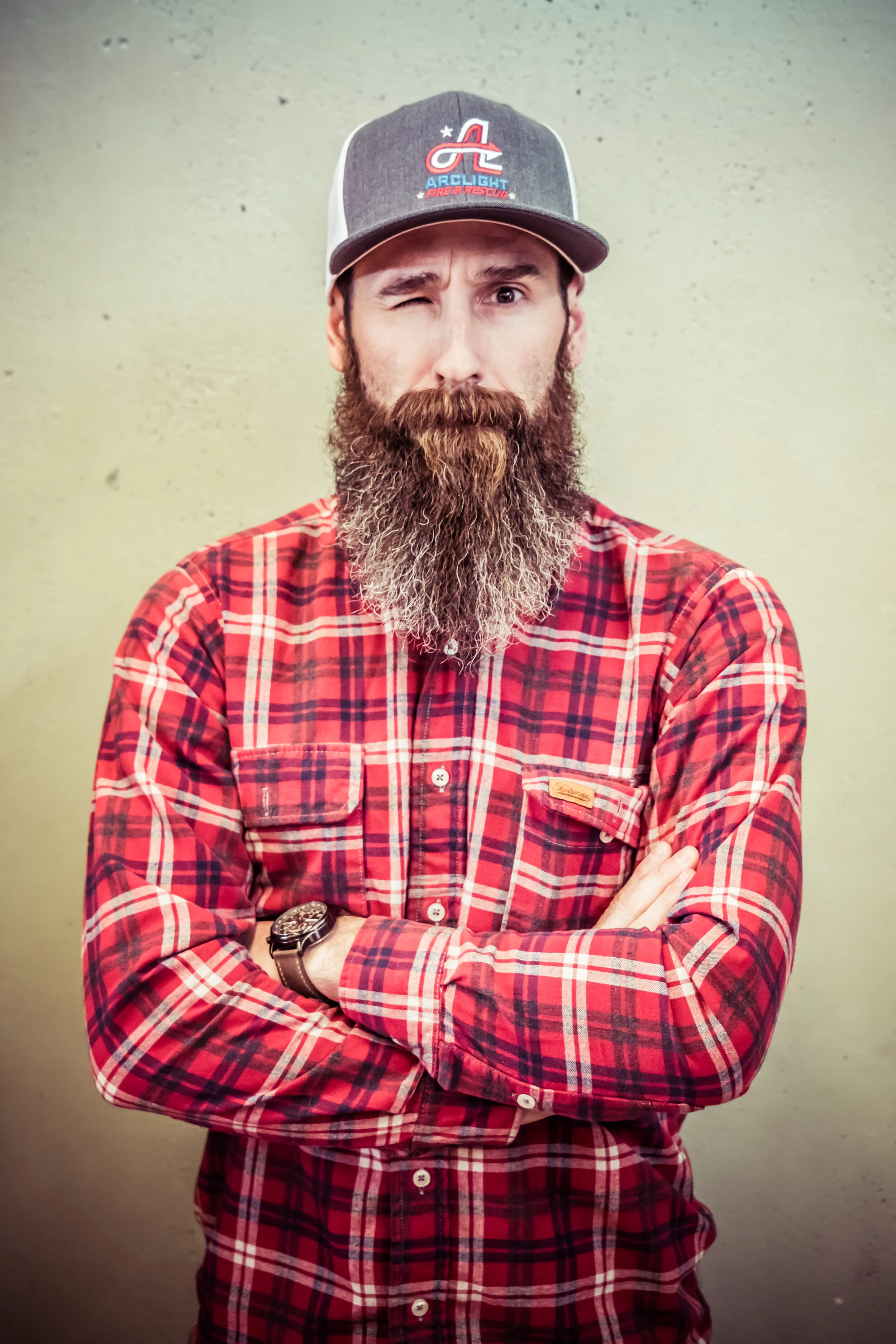
Aaron Kaufman’s tattoos are characterized by a rugged, American Traditional aesthetic that mirrors his professional identity as a master fabricator and mechanic. His collection features high-contrast black and grey work, bold linework, and imagery rooted in automotive culture, mechanical precision, and classic Americana. For enthusiasts in 2026, his ink serves as a primary blueprint for the "maker" subculture, blending functional grit with artistic intentionality.
The Aesthetic Philosophy of Aaron Kaufman’s Ink
Aaron Kaufman is not merely a collector of tattoos; he is a practitioner of a specific visual language that aligns with his life’s work. In the world of custom fabrication, every weld and bend must be deliberate. This same philosophy translates to his skin. Kaufman’s tattoos are notable for their lack of "trend-chasing." While many celebrities opt for fine-line micro-tattoos or photorealistic portraits that may blur over time, Kaufman has remained loyal to styles that offer longevity and high visibility.
His aesthetic is heavily influenced by the "Blue Collar" tattoo movement, which prioritizes bold outlines and saturated shading. This style is practical for someone who spends their days in a shop environment. Tattoos on fabricators are subject to UV exposure, sparks, and abrasions; hence, the heavy-handed application of ink ensures that the designs remain legible even after years of physical labor.
For those looking for style inspiration, Kaufman’s approach suggests that tattoos should be an extension of one’s lifestyle. His ink does not look out of place when he is under a chassis or behind a welding mask. It is an "integrated" look where the art complements the grease and the grit of the automotive trade.
Breakdown of Iconic Designs and Placements
To understand the impact of Aaron Kaufman’s tattoos, one must look at the specific regions of his body that have become synonymous with his public image. His placements are strategic, often highlighting the "working" parts of the body—the hands, arms, and neck.
The Full Sleeves and Arm Composition
Kaufman’s arms are almost entirely covered in a dense tapestry of ink. Unlike "patchwork" sleeves where individual stickers are placed with significant skin gaps, Kaufman’s sleeves feature heavy background shading that ties various motifs together. You will find a mix of mechanical components—such as gears and tools—interspersed with traditional icons like eagles and daggers. The flow of these tattoos follows the musculature of his forearms, a technical detail that tattoo artists appreciate because it prevents the design from looking distorted when the limb is in motion.
The Neck and Throat Pieces
One of Kaufman’s most recognizable features is his neck ink. Neck tattoos are often referred to as "job stoppers," but for a self-made mogul in the fabrication world, they serve as a badge of independence. The designs here are bold and symmetrical, framing his famous beard. These pieces often utilize darker saturation to ensure they pop against the natural shadows of the jawline. For fans, this is often the most replicated area, symbolizing a commitment to a craft that exists outside the traditional corporate structure.
Hand and Knuckle Tattoos
The hands are a high-wear area, especially for a mechanic. Kaufman’s hand tattoos often feature simplified geometric or traditional symbols. In the fabrication community, hand tattoos are a nod to the "tools of the trade." When he holds a wrench or operates a lathe, the ink is front and center, creating a visual connection between the artist and the machine.
The Influence of Automotive Culture on Tattoo Choices
The intersection of "Kustom Kulture" and tattooing is a historical one, and Aaron Kaufman is a modern torchbearer for this tradition. In the mid-20th century, hot rod builders and tattoo artists shared the same garages and parlors, leading to a shared iconography.
- Pinstriping Motifs: Many of the decorative flourishes in Kaufman’s larger pieces mimic the long, flowing lines found in automotive pinstriping. This technique requires a steady hand and a "one-shot" mentality, much like welding a frame.
- Mechanical Realism vs. Stylization: While Kaufman appreciates the mechanics of a vehicle, his tattoos often stylize these parts. He might feature a piston or a spark plug, but it will be rendered with the thick outlines of a classic tattoo rather than a 1:1 technical drawing. This ensures the "vibe" of the tattoo stays grounded in art rather than just being a diagram.
- Industrial Symbols: Heavy use of bolts, chains, and iron-inspired textures can be seen throughout his collection. These elements provide a "structural" feel to his sleeves, making them look as though they were built rather than just drawn.
Technical Analysis of the Styles Used
If you are looking to replicate or draw inspiration from Kaufman's style in 2026, it is essential to understand the technical classifications of his ink. He predominantly utilizes three specific sub-genres of tattooing:
| Style Category | Key Characteristics | Presence in Kaufman’s Collection |
|---|---|---|
| American Traditional | Bold black outlines, limited color palette (reds, yellows, blacks), iconic imagery. | High. Most of his foundational pieces use this "Old School" logic. |
| Black and Grey | Use of only black ink diluted to create various shades. | Primary. Much of his work relies on smooth gradients of grey for depth. |
| Neo-Traditional | More detailed than traditional, with varied line weights and complex shading. | Moderate. Used for more intricate mechanical or floral motifs. |
| Industrial / Bio-Mechanical | Art that mimics machine parts under the skin. | Subtle. He uses mechanical elements as accents rather than full-body "cyborg" looks. |
How to Curate a Kaufman-Inspired Tattoo Project
Drawing inspiration from a figure like Aaron Kaufman requires more than just copying his designs. It requires adopting his method of curation. If you are planning a tattoo project based on this aesthetic, consider the following steps:
Prioritize Contrast and Legibility
The hallmark of Kaufman’s look is that you can recognize the shapes from across a room. When consulting with an artist, emphasize "high contrast." This means having enough "negative space" (un-inked skin) to let the black areas pop. Without this balance, a sleeve can turn into a muddy dark mass over time, especially for those working in physical trades.
Incorporate Personal "Tools"
Kaufman’s ink is a reflection of his identity as a builder. For your own inspiration, identify the "tools" of your life. If you are a carpenter, look at how traditional tattoos render saws or hammers. If you are a designer, perhaps it is the geometry of a golden ratio. The goal is to take a functional object and give it the "Kaufman treatment"—bold lines and a sense of weight.
Consider the Aging Process
As of 2026, we have a better understanding of how heavy blackwork ages. Kaufman’s choice of bold, thick lines is a "future-proof" strategy. Fine lines tend to dissipate, but the structural integrity of a 12-round shader outline stays intact for decades. If you want an iconic look that lasts, avoid overly delicate details in high-movement areas like elbows and wrists.
Common Mistakes When Seeking the "Kaufman Look"
Many enthusiasts attempt to capture Aaron’s style but fall into common traps that lead to subpar results.
- Over-complicating the Design: One of Kaufman’s strengths is the simplicity of his icons. Trying to cram too many mechanical details into a small area will result in a tattoo that looks cluttered.
- Ignoring Skin Tone and Texture: Kaufman’s skin provides a specific canvas for black and grey. Work with your artist to adjust the "wash" (the lightness of the grey) to suit your specific complexion.
- Copying the "Gas Monkey" Era Only: While his early TV appearances showcased specific ink, his style has evolved. Look at his more recent work with Arclight Fabrication for a more mature, refined version of his aesthetic.
Authenticity in Fabrication and Body Art
The enduring appeal of Aaron Kaufman’s tattoos lies in their authenticity. In a world where "influencer" culture often dictates fleeting trends, Kaufman remains a static symbol of craftsmanship. His tattoos aren't just for show; they are the armor of a man who builds things with his hands.
For the reader in 2026, the takeaway is clear: the best tattoos are those that tell a story of labor, passion, and personal history. Whether it is a small piece on the hand or a full-throttle neck design, the inspiration drawn from Aaron Kaufman is about more than just ink—it is about the intersection of art and the machine.
Frequently Asked Questions
Does Aaron Kaufman have any tattoos related to Gas Monkey Garage?
While Kaufman was the lead mechanic at Gas Monkey Garage for years, he generally avoids brand-specific tattoos in favor of broader automotive and traditional imagery. His ink represents his personal journey as a fabricator rather than a specific corporate entity. Most of his pieces are timeless designs that remain relevant regardless of his current business affiliations.
What is the most common color in Aaron Kaufman's tattoos?
Kaufman’s collection is overwhelmingly black and grey. While there are occasional hints of color in some of his traditional pieces, the heavy saturation of black ink is what defines his "iconic" look. This choice emphasizes the texture and form of the designs over the distraction of a bright color palette.
Who are the artists behind Aaron Kaufman’s tattoos?
Kaufman has worked with various high-level artists throughout his career, often seeking out those who specialize in American Traditional and bold blackwork. Because he travels extensively in the automotive and bike show circuits, his collection is a "travelogue" of sorts, featuring work from respected artists across the United States.
How do I maintain tattoos if I work in a mechanical or industrial field?
Following the Kaufman aesthetic requires rigorous aftercare, especially if you work with your hands. Protecting healing ink from grease, chemicals, and sun is vital. Many fabricators use "second skin" bandages during the first few days of healing to provide a physical barrier against shop debris. Long-term, high-SPF sunscreen is the only way to prevent the black ink from fading into a dull green or blue.
Final Steps for Getting an Iconic Fabricator Tattoo
If you are ready to move forward with a design inspired by Aaron Kaufman, your next action should be to find an artist who specializes in American Traditional or Heavy Blackwork. Bring photos of Kaufman’s placements—specifically how his tattoos wrap around the forearm and neck—to show the "flow" you desire. Focus on one high-quality, bold piece rather than several small, thin-lined designs. This ensures your ink will have the same lasting impact and rugged appeal as the designs seen on the world’s most famous fabricator.