Aaron Fresh established a distinct fashion identity by bridging classic R&B charm, Caribbean cultural heritage, and forward-thinking urban streetwear. This comprehensive guide breaks down the core elements of the Aaron Fresh aesthetic, analyzing how his style evolved from early breakout music appearances to contemporary fashion influences, while providing practical instructions for incorporating these trends into your modern wardrobe.
The Evolution of Aaron Fresh’s Signature Aesthetic
Aaron Fresh (born Aaron Michael Fresh) captured public attention in the late 2000s and early 2010s following his signing to Nick Cannon’s N’Credible Entertainment and Def Jam Recordings. Performing hit singles like "Spend It All" and hosting television programming on Nickelodeon, his visual presentation immediately set him apart from traditional pop and R&B contemporaries. Raised between California and Trinidad and Tobago, Fresh integrated a distinct blend of West Coast casual style and vibrant West Indian island influences into his wardrobe.
In the early stages of his career, his fashion centered on bright color blocking, high-top sneakers, fitted caps, and tailored graphic tops reflecting early 2010s youth culture. As the R&B and hip-hop landscape shifted toward understated luxury and relaxed silhouettes, Fresh's aesthetic evolved into a sophisticated blend of elevated streetwear, minimalist tailoring, and intentional outerwear layering.
Understanding this evolution reveals why his style remains relevant in 2026. Rather than chasing fleeting internet aesthetics, the Aaron Fresh approach relies on timeless wardrobe foundations elevated by high-contrast statement pieces, balanced proportions, and clean grooming.
Key Elements Defining the Aaron Fresh Style Framework
Replicating or adapting this style requires understanding the core structural pillars that define the look. The aesthetic relies on four foundational principles: balanced silhouettes, intentional color contrast, premium texture mixing, and purposeful accessorizing.
AARON FRESH STYLE FRAMEWORK
- BASE LAYER – Neutral, tailored tees, hoodless sweatshirts
- OUTERWEAR – Structured bombers, utility jackets, overcoats
- BOTTOMS – Tapered denim, relaxed cargo pants, joggers
- FOOTWEAR – Clean retro retros, sleek low-top leather
- ACCENTS – Minimalist chain, tailored cap, sunglasses
1. High-Low Streetwear Pairing
A hallmark of this style is pairing high-end designer statement items with accessible, functional athletic wear. For instance, combining tailored trousers or structured leather jackets with classic sports footwear creates a balanced contrast between formal and casual elements. This dynamic prevents an outfit from feeling overly stiff or excessively casual.
2. Strategic Color Harmony
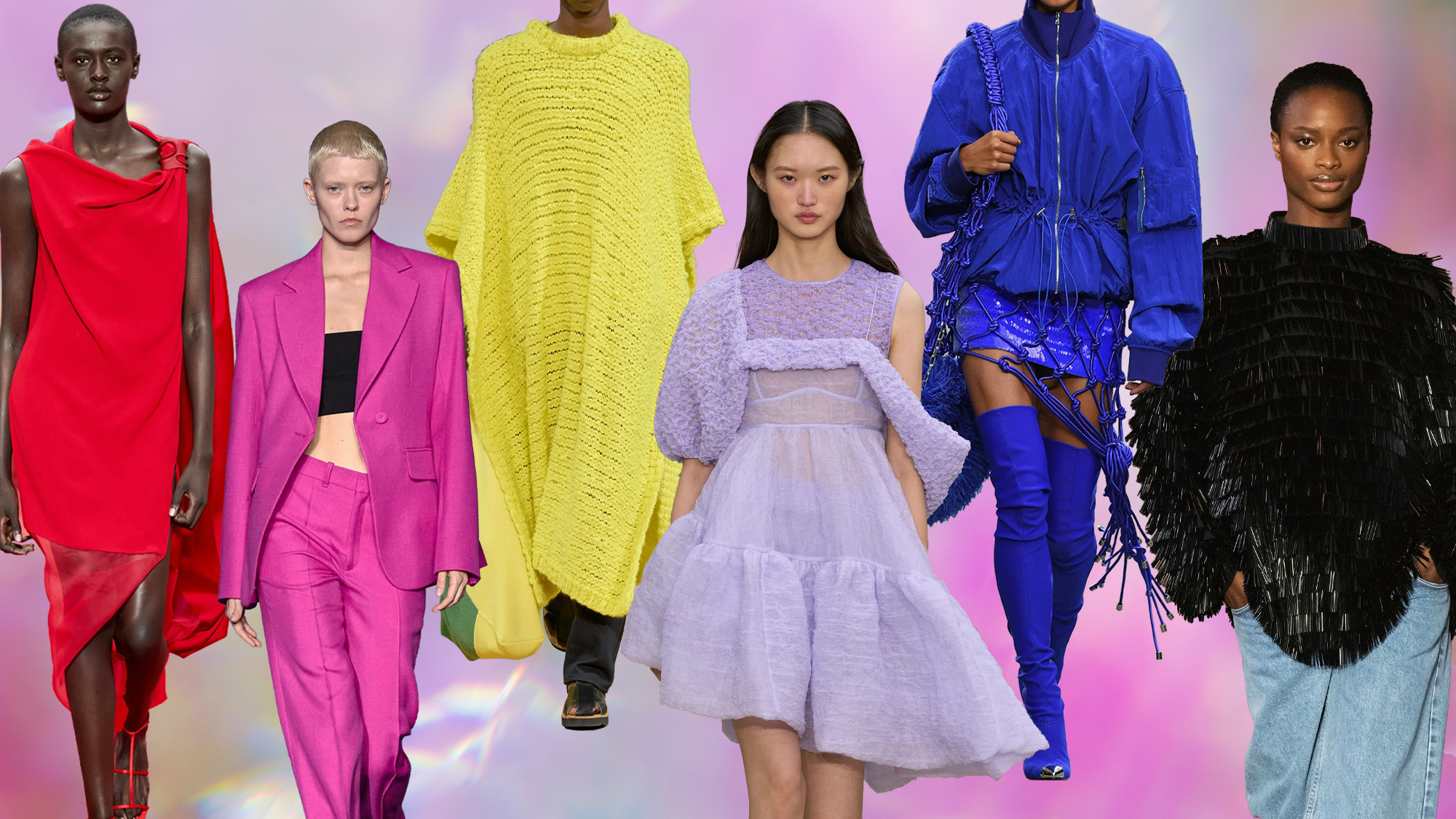
While many streetwear styles lean heavily on all-black monochrome, the Aaron Fresh framework incorporates rich earth tones—such as olive green, chocolate brown, and warm beige—punctuated by deliberate pops of vibrant color. Bright shades like canary yellow, cobalt blue, or crimson are applied strategically through footwear, headwear, or inner layering, keeping the overall silhouette grounded.
3. Proportional Layering
Layering serves both functional and aesthetic purposes. The key lies in contrasting lengths and weights: pairing an elongated, scoop-hem undershirt with a cropped flight jacket or wearing an oversized boxy hoodie under a structured wool trench coat. This structural layering creates visual depth without adding unnecessary visual clutter.
Core Wardrobe Breakdown: Essential Items & Styling Rules
Building an authentic wardrobe inspired by this look requires focusing on quality materials, proper fit, and versatile coordination. The table below outlines the core clothing categories, their key features, and practical pairing guidelines.
| Wardrobe Category | Key Design Specifications | Primary Color Palette | Ideal Pairing | Styling Objective |
|---|---|---|---|---|
| Outerwear | Cropped bombers, utility vests, wool overcoats | Olive, Charcoal, Tan, Matte Black | Heavyweight cotton tee + Tapered denim | Defines top silhouette and adds structural contrast |
| Tops & Shirts | Heavyweight boxy tees (240+ GSM), French terry hoodies | Cream, Warm White, Heather Grey, Rust | Layered under structured jackets | Establishes comfortable, clean foundation |
| Trousers | Slim-tapered cargo pants, tailored cropped trousers | Black, Khaki, Navy, Military Green | Retro low-top sneakers or slim boots | Maintains sleek line from hip to footwear |
| Footwear | Retro basketball sneakers, minimal leather low-tops | White/Gum, Mono-Black, Retro accents | Matching socks + Cropped/rolled cuff | Anchors outfit with athletic nostalgia |
| Accessories | Minimalist Cuban link chains, neutral dad caps, tinted sunglasses | Silver, Gold, Matte Black, Muted Earth | Worn with understated base layers | Adds personal character without overwhelming |
How to Adapt Modern Streetwear Trends to Your Daily Wardrobe
Translating runway and celebrity aesthetics into daily outfits requires a systematic approach. Follow these four actionable steps to execute the look cleanly.
- Step 1: Select Foundation Neutrals
- Step 2: Add One Outer Layer for Structure
- Step 3: Integrate Footwear with Contrast Details
- Step 4: Refine with 1–2 Minimalist Accessories
Step 1: Select Foundation Neutrals
Start with your base layer. Choose a premium heavyweight cotton T-shirt in cream, off-white, or heather charcoal. The neckline should fit snugly against the collarbone, and the shoulder seams should drop slightly past the natural shoulder line. Pair this with slim-tapered cargo trousers or clean, dark-wash denim free of excessive distressing.
Step 2: Add One Outer Layer for Structure
Introduce depth with an outerwear piece. A matte leather bomber jacket, an unlined canvas work jacket, or an oversized utility vest works well. Ensure the hem of your outer layer sits slightly higher or lower than your inner t-shirt hem to highlight your outfit's layered construction.
Step 3: Integrate Footwear with Contrast Details
Choose footwear that complements your outfit's proportion. If your trousers are relaxed and wide-leg, opt for a bulkier retro sneaker silhouette to balance the hem. If your pants are slim or tapered, choose a sleek low-top leather sneaker or clean suede boot. Keep the midsoles clean to maintain a polished appearance.
Step 4: Refine with 1–2 Minimalist Accessories
Limit accessories to one or two well-chosen pieces. A thin silver or gold Cuban link chain resting just above the collar, paired with a monochrome unstructured dad cap or classic dark sunglasses, completes the look without cluttering the silhouette.
Common Fashion Pitfalls to Avoid
When attempting to replicate celebrity R&B and streetwear styles, it is easy to overcomplicate outfits. Avoiding these common mistakes helps ensure a balanced, stylish result:
- Over-Branding and Loud Logos: Wearing multiple visible luxury logos creates visual chaos. Focus on garment fit, fabric quality, and silhouette over heavy brand placement.
- Ignoring Proportions: Pairing oversized tops with baggy, un-tapered bottoms often swallows your frame. Balance an oversized top with structured or tapered bottoms, or pair a fitted top with wider trousers.
- Mismatching Color Warmth: Combining cool gray undertones with warm yellow-based beige can make an outfit look disjointed. Keep your base palette consistently warm or consistently cool.
- Neglecting Garment Maintenance: Streetwear relies heavily on crisp lines. Wrinkled hoodies, scuffed leather sneakers, or stretched-out collars immediately downgrade an otherwise well-planned outfit.
Frequently Asked Questions
What fashion genre best describes Aaron Fresh’s style?
Aaron Fresh’s aesthetic is best categorized as elevated R&B streetwear. It combines elements of classic urban apparel—such as retro sneakers, utility jackets, and graphic caps—with clean, tailored menswear cuts and Caribbean-inspired color accents.
How can I wear bold color accents without overwhelming my outfit?
Keep 70% to 80% of your outfit in neutral tones such as black, cream, charcoal, or olive. Introduce bold colors—like vibrant blue, red, or yellow—through a single focal piece, such as your footwear, a cap, or a graphic detail on an inner layer shirt.
What type of footwear works best with tapered street-style trousers?
Retro low-top sneakers, classic canvas basketball shoes, and minimalist leather trainers pair best with tapered trousers. Ensure the trouser cuff rests slightly above or directly at the top of the shoe without stacking excessively.
Do I need high-end designer brands to achieve this style?
No. The success of this aesthetic depends on garment fit, fabric weight, color coordination, and structural layering rather than brand logos. Premium mid-tier basics from accessible athletic and streetwear brands yield the same visual effect when fitted properly.
How has urban style evolved from the early 2010s to 2026?
Urban fashion has shifted away from hyper-fitted denim, overly complex graphic prints, and aggressive neon colors. Modern streetwear emphasizes relaxed yet tailored silhouettes, muted earth tones, durable heavyweight fabrics, and minimal branding.
Actionable Next Steps for Updating Your Wardrobe
To adopt this refined R&B streetwear aesthetic successfully, start by auditing your current closet rather than buying an entirely new wardrobe at once:
- Audit Your Base Layers: Retire thin, stretched-out T-shirts and invest in 3–4 high-density, heavyweight cotton tees in neutral shades (off-white, black, olive, slate gray).
- Upgrade Your Footwear: Ensure you own at least one pair of clean, minimalist white leather low-tops and one pair of classic retro mid/high-top sneakers.
- Tailor Your Trousers: Take 2–3 pairs of your favorite trousers or cargo pants to a tailor to ensure they taper cleanly from the knee down and sit correctly at your footwear line.
- Master One Layering Combo: Experiment with one reliable outerwear pairing—such as a boxy tee underneath an unbuttoned utility overshirt—until you feel confident expanding into bolder textures and colors.