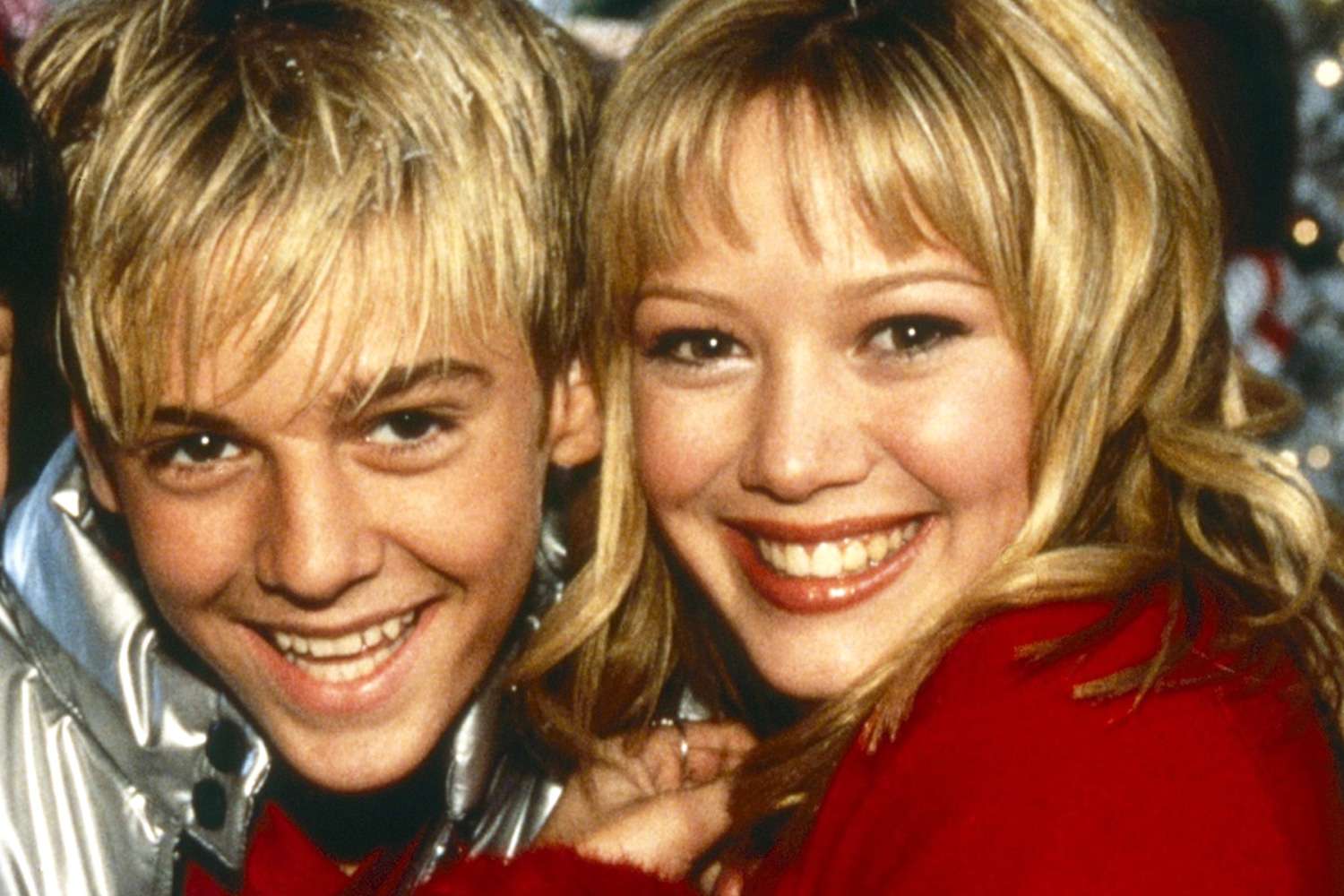
The connection between Aaron Carter and Lizzie McGuire represents a definitive moment in early 2000s pop culture, centered on Carter’s 2001 guest appearance on the Disney Channel series. This professional collaboration sparked a highly publicized real-life romance between Carter and Hilary Duff, shaping the public’s perception of teen stardom for decades.
The Cultural Intersection of a Pop Star and a Disney Icon
In the landscape of 2001, few figures loomed as large in the "tween" demographic as Aaron Carter and Hilary Duff. Carter was the reigning "Prince of Pop" for the pre-teen set, fresh off the multi-platinum success of his album Aaron’s Party (Come Get It). Duff, meanwhile, had just become a household name through the premiere of Lizzie McGuire, a show that captured the awkwardness and charm of middle school life.
The connection was formalized in the episode titled "Here Comes Aaron Carter" (Season 1, Episode 7), which aired on March 23, 2001. In the episode, Lizzie and her friends attempt to sneak onto the set of Aaron Carter’s Christmas-themed music video. The narrative culminated in a scene where Lizzie meets Aaron, and he gives her a kiss under the mistletoe. While the episode was a ratings juggernaut, its lasting legacy was the bridge it built between the music industry and Disney Channel’s burgeoning star machine.
From a production standpoint, this crossover was a masterstroke of synergy. It introduced Carter’s music to Disney’s loyal television audience while providing Lizzie McGuire with the "cool factor" of a real-world pop star. In the years following, this template—integrating musical guests into scripted teen comedies—became the standard operating procedure for the network, eventually leading to the massive success of the High School Musical and Hannah Montana eras.
The Real-Life Romance and the "Teen Idol" Narrative
While the onscreen kiss was scripted, the off-screen relationship between Aaron Carter and Hilary Duff became the primary focus of public fascination. The two began dating shortly after the episode filmed, both roughly 13 years old at the time. For the public, they represented the "ideal" teen couple: the talented pop singer and the relatable girl-next-door actress.
Public perception during this era was heavily mediated by teen magazines like Tiger Beat, J-14, and Bop. These publications framed the Carter-Duff relationship as a fairy-tale romance, creating an intense emotional investment among fans. This investment, however, turned into a media circus when the relationship became part of a "love triangle" involving fellow teen star Lindsay Lohan.
According to later interviews given by Carter, he began dating Lohan while still involved with Duff, leading to a public rift between the two actresses. This conflict defined the tabloid culture of the early 2000s, marking one of the first times that young stars' private lives were treated with the same intensity as adult A-list celebrities. The "Team Hilary vs. Team Lindsay" sentiment was a precursor to the modern fandom wars seen on social media today.
Analyzing the "Here Comes Aaron Carter" Production
The episode itself was more than just a guest spot; it was a high-budget promotional vehicle. The music video Lizzie "crashes" in the show was for Carter’s cover of "I Want Candy," a song that became synonymous with his career. The production quality of the segment mirrored the actual aesthetics of music videos from that era, utilizing bright colors, fast-paced editing, and a choreographed dance sequence.
| Feature | Details of the Connection | Impact on Public Perception |
|---|---|---|
| Episode Air Date | March 23, 2001 | Established Lizzie McGuire as a pop culture hub. |
| Key Song | "I Want Candy" | Boosted Carter's record sales through Disney synergy. |
| On-Screen Moment | The Mistletoe Kiss | Created a "shipping" culture before the term was mainstream. |
| Real-Life Status | Dated for approximately two years | Solidified them as the "it" couple of the early 2000s. |
| The "Triangle" | Involvement of Lindsay Lohan | Shifted perception from "innocent" to "tabloid drama." |
| 2026 Perspective | 25th Anniversary Retrospective | Viewed as a bittersweet milestone in teen star history. |
The Shift in Public Perception Over Time
As the decades passed, the public’s view of the Carter-McGuire connection shifted from tabloid entertainment to a more nuanced understanding of the pressures of child stardom. In the early 2000s, the drama was seen as "fun" or "dramatic" for the fans. However, by 2026, looking back through a lens of mental health awareness and industry critique, the perception has become significantly more empathetic.
Following Aaron Carter’s tragic passing in 2022, the "Here Comes Aaron Carter" episode took on a memorial quality. Fans revisited the footage not just for nostalgia, but as a document of a time when Carter appeared vibrant and at the height of his influence. Hilary Duff’s public tribute to Carter upon his death—noting her "younger self" loved him deeply—recontextualized their childhood romance as a meaningful, albeit complicated, part of their formative years.
The public now perceives this connection as a symbol of the "Golden Age" of Disney Channel, but also as a cautionary tale. It highlights the intense scrutiny placed on children and the difficulty of transitioning from a "teen idol" to a healthy adult life. The "Lizzie McGuire" connection remains the most positive and enduring image of Carter in the collective memory of a generation.
Technical Synergy: How Disney Revolutionized the Crossover
The "Aaron Carter" model of celebrity guest-starring was technically sophisticated for its time. Disney Channel utilized a strategy known as "vertical integration," where the network’s television arm supported the music arm (Disney Records/Hollywood Records) and external partners like Jive Records (Carter’s label).
- Cross-Platform Marketing: The episode was used to promote Carter’s concert tour, while Carter’s appearances on Radio Disney were used to drive viewers to the TV show.
- Narrative Integration: Unlike traditional cameos where a star might play themselves briefly, Carter was the central plot point of the episode, making the celebrity presence feel essential rather than forced.
- Visual Continuity: The wardrobe and set design for the episode were meticulously aligned with Carter’s current branding, ensuring that when fans saw him on TV, it reinforced his "brand" as a pop star.
By 2026, this strategy is recognized by media historians as the blueprint for the "Star System" that produced Miley Cyrus, Selena Gomez, and Demi Lovato. The Carter-McGuire connection was the successful pilot program for an entire industry of teen-oriented multi-hyphenate stars.
Navigating the Legacy of 2000s Pop Culture
For those researching or revisiting this era in 2026, it is important to distinguish between the manufactured media narrative and the actual historical events. Much of the "drama" was amplified by editors of teen magazines to sell copies, while the stars themselves were navigating the complexities of puberty and professional pressure simultaneously.
The connection also serves as a touchstone for "Millennial Nostalgia." The fashion (butterfly clips, frosted tips), the technology (portable CD players), and the tone of the show represent a specific pre-social media window of time. The public perception of this era is often filtered through a "retro" lens that sanitizes the difficulties of the time, focusing instead on the bright, optimistic energy of the Lizzie McGuire universe.
Frequently Asked Questions
Did Aaron Carter and Hilary Duff date during the filming of the episode?
While they met around the time of the production, their formal dating relationship solidified shortly after the episode "Here Comes Aaron Carter" was filmed. They were both approximately 13 years old, and their relationship lasted on and off for about two years. It was during this period that the public began to view them as the premier teen couple of the music and television worlds.
What happened between Aaron Carter, Hilary Duff, and Lindsay Lohan?
This situation is often cited as the first major "teen star feud" of the internet age. Carter began dating Lindsay Lohan while he was still involved with Hilary Duff, leading to a falling out between the two actresses. This conflict was heavily documented in the press and even influenced storylines in other media, creating a public perception of a rivalry that lasted for several years before all parties eventually moved on as adults.
Why was the "I Want Candy" music video so significant to the show?
The music video was a centerpiece of the episode's plot, serving as the "goal" for the characters Lizzie and Miranda. In reality, the video was a massive promotional tool for Aaron Carter's career. By featuring it prominently within a scripted episode of a hit show, Disney and Carter’s management ensured the song would be inextricably linked with the Lizzie McGuire brand, maximizing its commercial reach.
How is the Aaron Carter episode viewed by fans in 2026?
In 2026, the episode is viewed with a mixture of nostalgia and solemnity. It is celebrated as one of the "classic" Disney Channel moments that defined a generation's childhood. However, following the retrospective documentaries and discussions about the struggles of early-2000s child stars, fans also view the episode as a reminder of the immense pressure placed on young performers like Carter and Duff.
Was Aaron Carter ever supposed to return to Lizzie McGuire?
There were often rumors and fan hopes for a return, particularly during the development of The Lizzie McGuire Movie or the proposed (and ultimately cancelled) Disney+ revival. However, Carter never made another guest appearance on the series. His connection to the show remained limited to that single, high-impact episode, which many believe helped preserve its status as a unique cultural "event."
Commemorating the 25-Year Milestone Respectfully
As we observe the 25th anniversary of the Carter-McGuire connection in 2026, the best way for fans and researchers to engage with this history is through a balanced appreciation of the work and an awareness of the human cost of teen stardom. Revisiting the episode "Here Comes Aaron Carter" provides a glimpse into a pivotal moment in entertainment history when the lines between music, television, and reality began to blur.
To honor this legacy, viewers are encouraged to look beyond the tabloid headlines of the past and appreciate the episode for what it was: a high-energy, creative collaboration that brought joy to millions of young viewers. By understanding the professional synergy and the personal impact on the individuals involved, we can maintain a more accurate and respectful public perception of this iconic pop culture era.