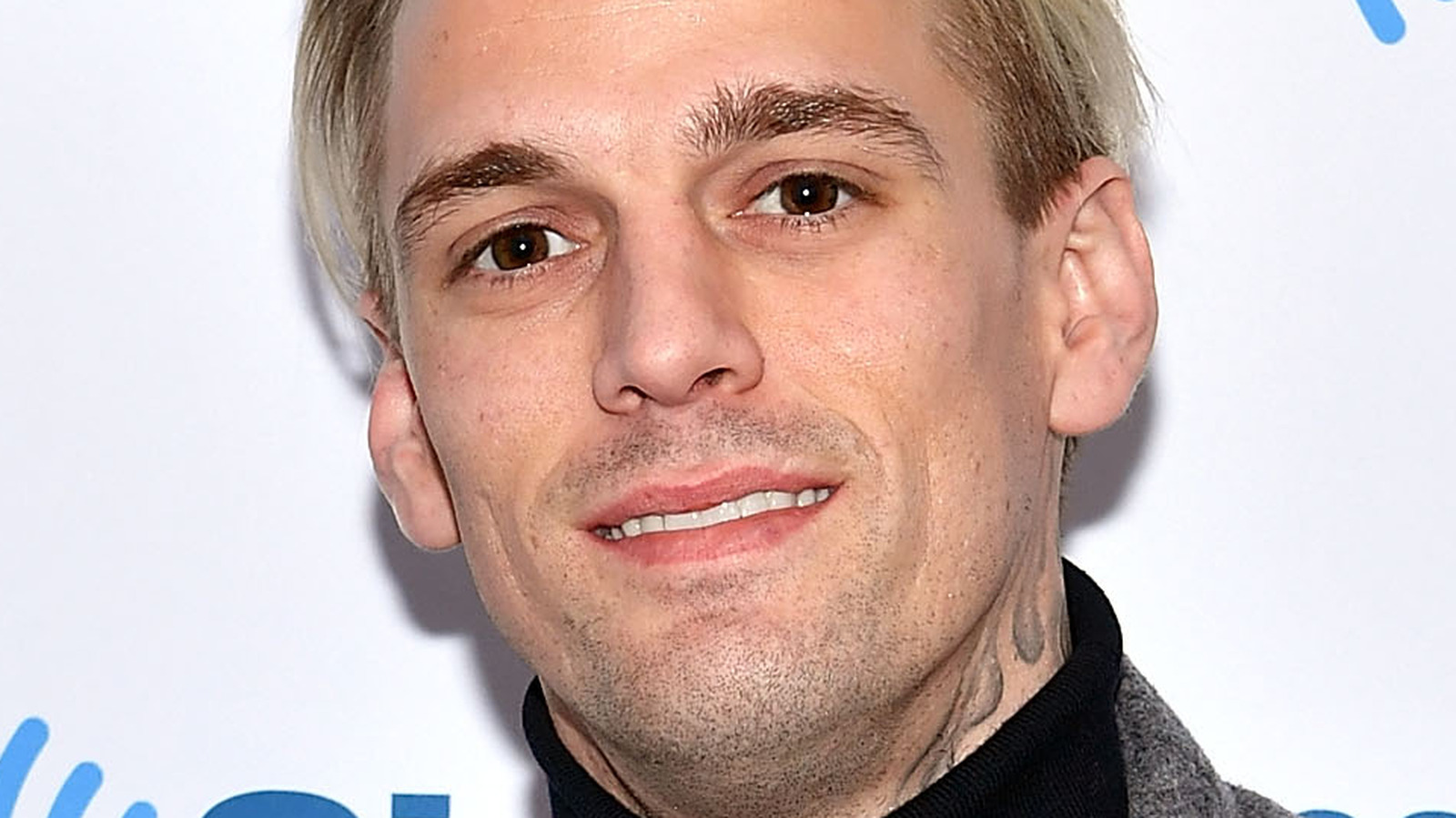
Aaron Carter was a multi-platinum American singer, rapper, and actor who redefined the "teen idol" archetype at the turn of the millennium. Rising to international fame at age nine, he became one of the most successful young solo artists of his era, selling millions of albums and influencing the trajectory of early 2000s pop culture before transitioning into reality television and independent music production.
The Genesis of a Pre-Teen Phenomenon (1997–1999)
Aaron Carter’s entry into the entertainment industry was inextricably linked to the boy-band explosion of the late 1990s. Born on December 7, 1987, in Tampa, Florida, Aaron was the younger brother of Nick Carter, a member of the Backstreet Boys. This familial connection provided the initial platform for his career, but it was Aaron's own energetic stage presence that solidified his status as a solo performer.
His professional debut occurred in March 1997, when he performed a cover of The Beach Boys' "Surfin' U.S.A." as an opening act for the Backstreet Boys in Berlin. This single performance led to a recording contract, and by the age of ten, he released his self-titled debut album, Aaron Carter (1997). The album achieved gold status in several European countries and Canada, anchored by the hit single "Crush on You."
During this period, Carter occupied a unique niche. While the market was saturated with five-member vocal groups, there was a void for a singular, high-energy male solo artist targeting the "tween" demographic. His early success was a precursor to the massive commercial wave that would follow his relocation to the Jive Records label.
The Peak of Stardom: The Aaron’s Party Era (2000–2002)
The most commercially significant chapter of Aaron Carter’s career began with the release of his second studio album, Aaron’s Party (Come Get It), in September 2000. This project transformed him from a niche child star into a household name. The album was certified 3x Platinum by the RIAA, selling over three million copies in the United States alone.
Several factors contributed to the cultural dominance of this era:
- Synergy with Youth Media: Carter became a fixture on Nickelodeon and the Disney Channel. His guest appearance on Lizzie McGuire in the episode "Here Comes Aaron Carter" remains one of the most-watched moments in the series' history, effectively cross-promoting his music to millions of viewers.
- Iconic Singles: Tracks like "I Want Candy" (a cover of the 1965 Strangeloves hit), "That's How I Beat Shaq," and the title track "Aaron’s Party (Come Get It)" were supported by high-budget music videos that prioritized a "cool younger brother" aesthetic.
- Touring and Exposure: He served as a frequent opening act for both the Backstreet Boys and Britney Spears during their peak "Oops!... I Did It Again" and "Into the Millennium" tours, exposing him to the largest possible pop music audiences.
In 2001, he released Oh Aaron, which featured his first recorded duet with his brother Nick. The album also went platinum, making Carter one of the youngest artists to ever achieve multiple platinum certifications before reaching mid-adolescence.
Artistic Transition and Reality Television (2003–2010)
As the "teen pop" bubble of the early 2000s began to deflate, Carter attempted to transition into more mature musical styles and various media formats. His 2002 album Another Earthquake! and the 2003 Most Requested Hits collection marked the end of his peak commercial era with Jive Records.
During the mid-2000s, Carter pivoted toward acting and reality television. In 2006, he starred alongside his siblings Nick, Angel, B.J., and Leslie in the E! reality series House of Carters. The show was a raw, often turbulent look at the family’s dynamics and the pressures of fame. While it provided visibility, it also highlighted the personal struggles that often accompany early success in the industry.
In 2009, Carter appeared on Season 9 of ABC’s Dancing with the Stars, finishing in fifth place. This appearance was significant as it demonstrated his enduring popularity and his technical skill as a performer, briefly revitalizing his public image and reminding audiences of his origins as a high-energy entertainer.
The Independent Era and Musical Evolution (2011–2022)
In the final decade of his life, Aaron Carter moved away from the traditional label system, focusing on songwriting and music production. This era was characterized by a shift toward EDM, trap, and contemporary R&B, moving far beyond the bubblegum pop of his youth.
In 2017, he released the LøVë EP, followed by a full-length album of the same name in 2018. Unlike his earlier work, LøVë saw Carter taking a heavy hand in production and engineering. The lead single, "Fool’s Gold," showcased a more atmospheric, mature sound that received positive reviews for its production quality.
Despite these artistic strides, his later years were often overshadowed by public battles with mental health, substance use disorders, and legal disputes. He was open about his diagnoses of bipolar disorder and schizophrenia, becoming a polarizing but prominent figure in discussions regarding the long-term psychological impact of child stardom.
Key Career Facts and Milestones
| Year | Milestone | Significance |
|---|---|---|
| 1997 | Debut Album Aaron Carter | Established him as an international child star at age 9. |
| 2000 | Aaron's Party (Come Get It) | Sold 3 million+ copies; defined the 2000s teen-pop era. |
| 2001 | Broadway Debut | Starred as JoJo in the musical Seussical. |
| 2001 | Guinness World Record | Once held the record for the youngest artist with a platinum album. |
| 2006 | House of Carters | Pioneered the "celebrity family" reality TV format. |
| 2018 | Release of LøVë | Marked his transition to an independent EDM/Pop producer. |
| 2022 | Final Studio Work | Posthumous releases and unfinished projects highlighted his late-career productivity. |
The Impact of Child Stardom and Personal Challenges
To understand Aaron Carter’s legacy in 2026, one must examine the systemic challenges he faced. Like many child stars of the late 90s, Carter dealt with financial mismanagement and the "Coogan Law" complexities. In 2013, he filed for Chapter 7 bankruptcy, citing millions in debt, much of which stemmed from taxes owed on earnings from his childhood peak—a period when his finances were managed by others.
His public struggles served as a catalyst for renewed discussions regarding the "duty of care" that labels and managers owe to minor performers. Carter was vocal about the lack of support systems within the industry for those who achieve fame before they reach adulthood. His story, while often sensationalized in tabloids, provided a somber look at the reality of the "teen idol" machine.
Legacy and Influence in the Music Industry
Aaron Carter’s legacy is multifaceted. He is remembered as a quintessential figure of the Y2K era, a performer who brought a specific brand of youthful energy to the pop charts.
- Paving the Way for Solo Male Pop Stars: Before the rise of Justin Bieber or Shawn Mendes, Aaron Carter proved that a young male solo artist could command a massive, dedicated "tween" fan base and achieve multi-platinum success independent of a vocal group.
- Cultural Iconography: His music and image are permanent fixtures of 90s/00s nostalgia. Songs like "I Want Candy" remain staples of pop culture retrospectives.
- Advocacy through Transparency: In his later years, his willingness to speak openly about his mental health struggles—while often difficult to witness—contributed to a broader movement toward destigmatizing mental health issues among public figures.
- Artistic Resilience: Despite significant personal and professional hurdles, Carter never ceased creating music. His evolution into an independent producer demonstrated a genuine passion for the craft of music-making that transcended his early fame.
Frequently Asked Questions
What was Aaron Carter's most successful album?
Aaron's Party (Come Get It), released in 2000, remains his most successful work. It was certified 3x Platinum by the RIAA and produced several hit singles that defined his career. The album's success was bolstered by heavy rotation on MTV, Nickelodeon, and Disney Channel, making it a cornerstone of the teen-pop explosion.
How did Aaron Carter first get famous?
Aaron first gained fame as the younger brother of Nick Carter of the Backstreet Boys. However, he quickly established his own identity after opening for the band in 1997. His energetic performances and youthful appeal led to a record deal in Europe, where he became a star before his music was even widely released in the United States.
What happened to Aaron Carter's career in the 2010s?
During the 2010s, Carter shifted away from mainstream pop and focused on the independent music scene. He toured frequently in smaller venues, participated in reality television, and eventually rebranded himself as an EDM-influenced artist with the release of the LøVë EP and album. This period was also marked by personal financial and health struggles.
Did Aaron Carter write his own music?
While his early hits were written by professional pop songwriters like Mickey G (Michael G. Gallier) and various Swedish production teams, his later work, particularly from 2015 onward, was heavily self-authored. On the LøVë album, he is credited as a writer, producer, and engineer on almost every track, showcasing his technical growth.
What is Aaron Carter's lasting legacy in the entertainment industry?
Aaron Carter's legacy is a combination of his massive commercial impact as a child star and his role as a cautionary tale regarding the pressures of the industry. He is credited with helping bridge the gap between 90s boy bands and the solo teen stars of the 2010s, while his personal history continues to influence how the industry approaches mental health and minor protections.
Navigating the History of Pop Culture
For researchers, fans, and industry professionals, Aaron Carter’s career provides a vital case study in the evolution of the American music industry. To fully appreciate his journey, one should look beyond the headlines and examine his discography as a reflection of changing musical tastes—from the polished pop of the late 90s to the independent, genre-blending sounds of the 2020s. His life remains a poignant reminder of the complexities of fame and the enduring power of musical nostalgia.