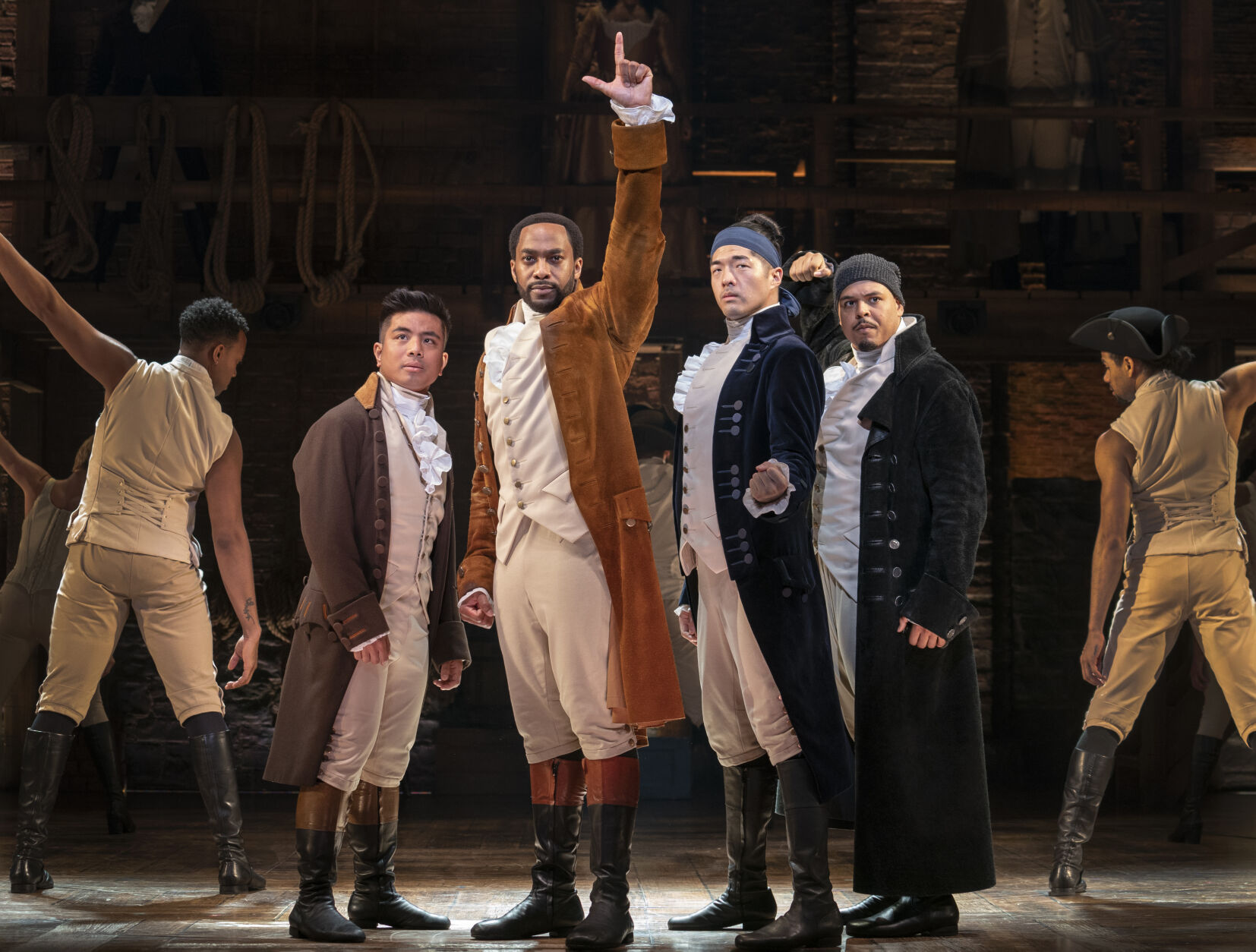
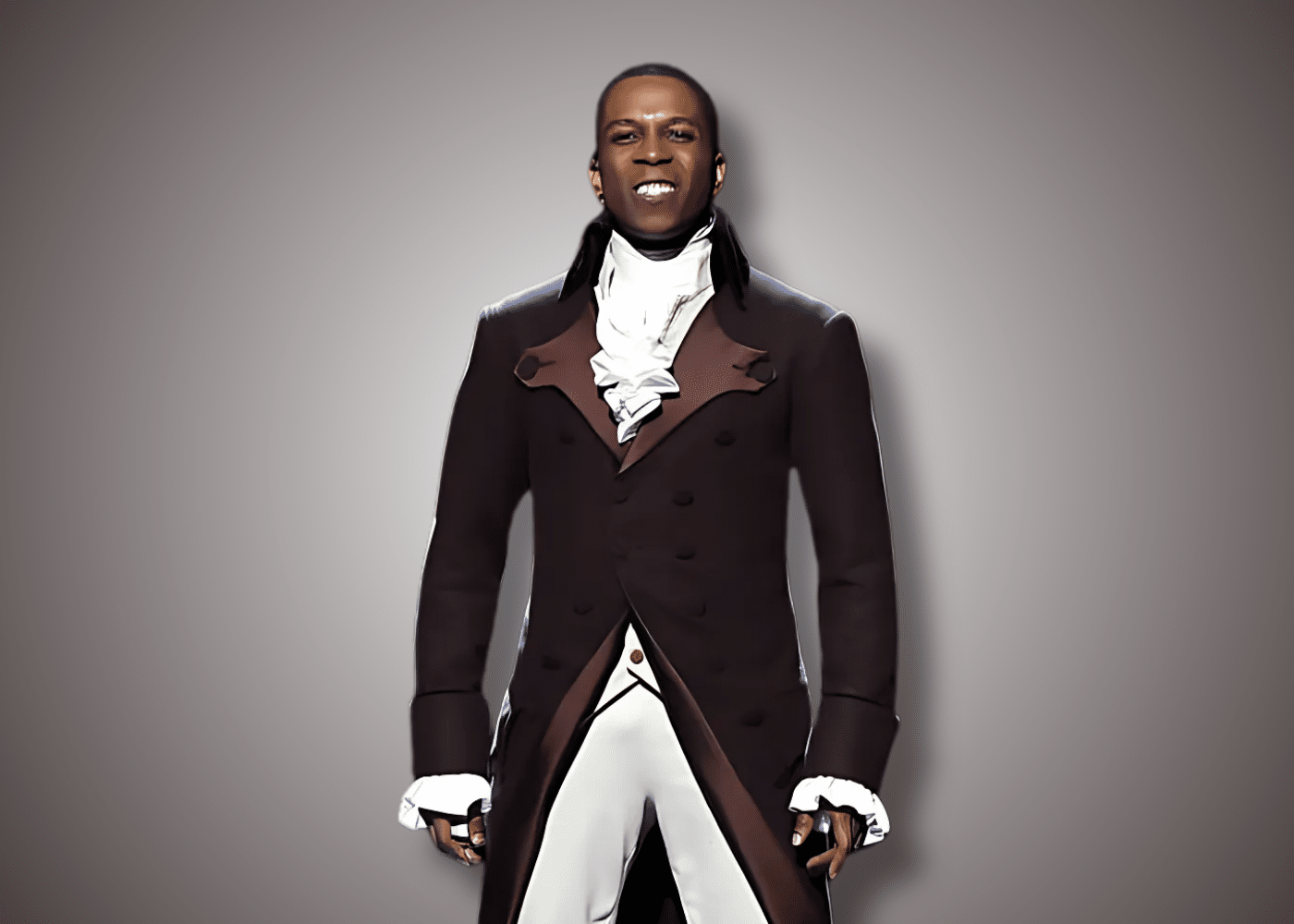
The role of Aaron Burr in Lin-Manuel Miranda’s Hamilton is defined by Leslie Odom Jr.’s Tony-winning performance, which bridges the gap between the 2015 Broadway debut and the 2020 Disney+ cinematic release. While the stage version emphasizes vocal power and grand physicality, the screen version captures intimate emotional nuances, creating two distinct experiences of the character's tragic arc.
In the decade since Hamilton first reshaped the landscape of American musical theater, the character of Aaron Burr has stood as one of the most complex "antagonists" ever written for the stage. Unlike traditional villains, Burr serves as the show’s narrator, a tragic foil to Alexander Hamilton’s relentless ambition. As of 2026, the discussion surrounding the "ultimate" portrayal of Burr remains a focal point for critics and fans alike, particularly when comparing the visceral energy of a live stage performance to the precision and intimacy of the filmed version. To understand the depth of this role, one must examine how different actors—led by the definitive Leslie Odom Jr.—navigate the transition from the footlights of the Richard Rodgers Theatre to the high-definition lenses of global streaming.
The Architecture of an Antagonist: Who is Aaron Burr?
In the context of the musical, Aaron Burr is not merely a historical figure; he is a philosophical counterweight. Where Alexander Hamilton is characterized by "writing like he’s running out of time," Burr is the man who "waits for it." This ideological divide is baked into the musical’s score, which assigns Burr smooth, jazz-inflected R&B melodies that contrast with Hamilton’s aggressive, rapid-fire hip-hop delivery.
The actor playing Burr must possess a unique set of skills. They need the vocal agility to handle the show-stopping "The Room Where It Happens," the quiet vulnerability of "Dear Theodosia," and the simmering resentment of "Wait For It." Beyond the music, the role requires a master of subtext. Burr spends much of the play observing Hamilton from the sidelines, and the actor must convey a decade’s worth of envy and admiration through silence alone. This complexity is why the role is often considered more demanding than the titular character; Burr is the one who must carry the audience through the story while justifying his eventual descent into the man who pulls the trigger.
Leslie Odom Jr.: The Standard-Bearer on Stage and Screen
Leslie Odom Jr. originated the role on Broadway, earning a Tony Award for Best Actor in a Musical in 2016. His portrayal is often cited as the definitive version because he managed to balance Burr’s cold, calculating exterior with a deeply sympathetic interior life. By the time the filmed version was released on Disney+ in 2020, Odom’s performance had been immortalized, allowing audiences to see the "ultimate showdown" of Burr’s psyche in a way that live theater rarely permits.
On stage, Odom used his entire body to communicate Burr’s restraint. His movements were precise, almost balletic, suggesting a man who was always measuring his words and his steps. However, on screen, the camera provided something the back row of a theater never could: the micro-expression. In the filmed production, directed by Thomas Kail, the close-ups on Odom’s face during "Wait For It" reveal a man on the brink of an emotional breakdown, a detail that can be lost in the vastness of a live venue. This "screen" version of the actor didn't change the performance; it magnified the internal logic of Burr’s choices, making the final duel feel inevitable rather than accidental.
Comparative Analysis: Stage Presence vs. Cinematic Intimacy
The transition of a musical from stage to screen often loses the "lightning in a bottle" feel of live performance, but Hamilton’s filmed version attempted to preserve this by shooting during live shows with the original cast. For the actor playing Aaron Burr, this created a hybrid challenge: maintaining the projection necessary for a 1,300-seat theater while remaining "small" enough for the camera.
The Live Stage Experience
In a live setting, the actor playing Burr must dominate the space. In "The Room Where It Happens," the choreography is expansive. The actor is jumping on tables, interacting with the ensemble, and using high-energy Broadway jazz movements to illustrate his desperation for power. The "showdown" here is between the actor and the audience; the goal is to win them over despite the character’s flaws. The sheer wall of sound produced by a live orchestra and a live vocal performance creates a visceral, heart-pounding reaction that the screen cannot fully replicate.
The Filmed Cinematic Experience
The filmed version of the "ultimate showdown" shifts the focus to the psychological. During the climactic duel in "The World Was Wide Enough," the camera lingers on Burr’s eyes as he realizes Hamilton pointed his pistol at the sky. In this medium, the actor’s stillness becomes his greatest tool. We see the exact moment regret sets in—a flicker of the eyelid, a slight tremble of the lip. This cinematic intimacy makes Burr a more humanized figure, as the audience is forced to confront his grief in a voyeuristic, up-close manner.
| Feature | Stage Performance (Live) | Filmed Production (Screen) |
|---|---|---|
| Audience Connection | Direct, energetic, and communal. | Intimate, analytical, and voyeuristic. |
| Physicality | Large, expressive movements to reach the balcony. | Subtle, nuanced gestures captured by close-ups. |
| Vocal Delivery | Prioritizes projection and sustained power. | Prioritizes texture, breath, and lyrical clarity. |
| Emotional Focus | The "Wait" as a public posture. | The "Wait" as a private agony. |
| Narrative Clarity | Focuses on the grand arc of the ensemble. | Focuses on the internal monologue of the narrator. |
Notable Successors: How the Role Evolved Beyond the OBC
While Leslie Odom Jr. set the template, many other actors have stepped into Burr’s boots, each bringing a different flavor to the stage-screen debate. As of 2026, the role has been interpreted by dozens of world-class performers in touring companies and international productions, such as the West End.
- Joshua Henry: Known for his powerhouse vocals, Henry brought a more aggressive, physically imposing energy to Burr. His version of the "showdown" felt more like a clash of titans, emphasizing the "villainous" potential of the character through sheer vocal might.
- Giles Terera: The original London Burr, who also won an Olivier Award, focused on the intellectual weight of the role. His Burr was a "chess player," someone who felt truly dangerous because of his quiet, calculating intellect.
- Nik Walker and Brandon Victor Dixon: These actors expanded on the R&B roots of the character, bringing a modern, soulful sensibility that made Burr feel contemporary and relatable to younger audiences.
Each of these actors had to decide how to navigate the "shadow" of the filmed version. For many, the challenge was to offer something the screen could not: an unpredictable, "in-the-moment" volatility that only happens when an actor is ten feet away from their audience.
The "Ultimate Showdown": Analyzing the Duel in Two Mediums
The duel between Hamilton and Burr is the "ultimate showdown" referenced in the musical’s climax. Historically and theatrically, this moment is the culmination of decades of friction. Analyzing how the actor portrays this moment on stage versus on screen reveals the core differences in the mediums.
On stage, the duel is a feat of lighting and choreography. The "bullet" (played by a member of the ensemble) moves in slow motion, and the actor playing Burr must remain frozen in time, a statue of regret, while Hamilton delivers his final monologue. The distance between the actors on stage emphasizes the literal and figurative "gap" between their philosophies.
On screen, the editing of the 2020 film adds a layer of tension. Quick cuts between Burr’s finger on the trigger and Hamilton’s face create a sense of urgency that the stage’s wide-angle view lacks. The screen version allows the actor to play the "internal" duel—the battle between Burr’s fear and his conscience. According to Playbill, the ability to see the "beads of sweat" on the actors' brows during this sequence changed the way many fans understood the stakes of the duel.
Technical Demands and Vocal Longevity
Playing Aaron Burr is a marathon. Whether on Broadway or on a national tour, the actor must perform "The Room Where It Happens"—a high-intensity dance and vocal number—eight times a week. This requires a level of athletic conditioning that the filmed version doesn't fully convey.
The vocal range required for Burr is extensive. He must hit the soulful low notes of "Dear Theodosia" and the soaring, gritty high notes of "The Election of 1800." In the live environment, there is no "post-production" to fix a pitch or a cracked note. The "showdown" for the actor is often a battle with their own stamina. By 2026, the training for these roles has become standardized, with actors employing specialized vocal coaches to maintain the "Odom-esque" clarity while preserving their voices for the long-term demands of the stage.
Exploring the Legacy of the Character in 2026
As we look at the legacy of Hamilton in 2026, the character of Aaron Burr remains the most discussed figure in the show. The "showdown" between the stage and screen versions has largely settled into a mutual appreciation: the screen version provides the definitive "text" and a close-up study of Odom’s genius, while the stage continues to be the place where new actors reinvent the character for new generations.
The enduring popularity of the filmed version on streaming platforms has created a "global audience" for a Broadway show, something previously thought impossible on this scale. This has raised the bar for actors currently playing the role on stage. They are no longer just competing with the actors of the past; they are competing with a high-definition, perfectly edited version of the role that fans can watch in their living rooms at any time. This has pushed performers to find even deeper levels of nuance to justify the price of a live ticket.
How to Best Experience the "Showdown" Today
If you are looking to truly understand the brilliance of the Aaron Burr role, the best approach is a multi-media comparison:
- Watch the Disney+ Filmed Production: Pay close attention to the eyes and the subtle facial movements of the cast. This provides the psychological "blueprint" for the character.
- Attend a Live Performance: If possible, see a touring or resident production. Notice how the energy of "The Room Where It Happens" vibrates through the floorboards and how the "live" element changes the tension of the final duel.
- Listen to the Original Cast Recording: Strip away the visuals and focus entirely on the vocal storytelling. Notice how the "waiting" is built into the rhythm of the songs.
Frequently Asked Questions
Who played the original Aaron Burr in Hamilton?
Leslie Odom Jr. originated the role of Aaron Burr in the Off-Broadway and Broadway productions of Hamilton. He won the 2016 Tony Award for Best Actor in a Musical for his performance. His portrayal is also featured in the filmed version of the musical released on Disney+ in 2020.
Is Aaron Burr the protagonist or the antagonist of the musical?
Aaron Burr serves as both the narrator and the primary antagonist. However, Lin-Manuel Miranda wrote the character as a "co-protagonist." The story is as much about Burr's journey and mistakes as it is about Hamilton's rise and fall. He is a tragic figure whose cautious nature ultimately leads to his downfall.
How does the filmed version of Aaron Burr differ from the stage version?
The primary difference is the use of cinematography to highlight intimacy. While the stage version requires the actor to project their emotions to the back of the house, the filmed version uses close-ups to show the subtle, internal struggles of the character. This makes the screen version feel more like a psychological drama.
Why is "The Room Where It Happens" considered a pivotal moment for the actor?
This song represents Burr’s turning point from a passive observer to an active participant in his own ambition. It is the most physically and vocally demanding number for the actor, requiring a mix of high-energy dance, comedic timing, and powerful belt vocals. It is the moment the character fully "breaks" from his "Wait For It" philosophy.
Have there been any major changes to the role since 2015?
While the script and score remain the same, various actors have introduced different cultural and personal nuances to the role. Some play Burr as more overtly jealous, while others play him as a man paralyzed by the fear of making a mistake. The core of the character remains consistent, but the "interpretation" evolves with every new actor.
Final Recommendation for Hamilton Enthusiasts
To fully appreciate the "ultimate showdown" between Aaron Burr’s stage and screen presence, one must look beyond the surface level of the duel. The true showdown is the conflict between the man who wants to be in the "room where it happens" and the man who is too afraid to step into the light. Whether you are watching Leslie Odom Jr.’s masterful performance on screen or a new talent on a Broadway stage in 2026, focus on the "silences" between the lines. It is in those quiet moments—the "waits"—that the true character of Aaron Burr is revealed. For the best experience, start with the filmed version to understand the subtext, then witness a live performance to feel the raw, unedited power of the music.