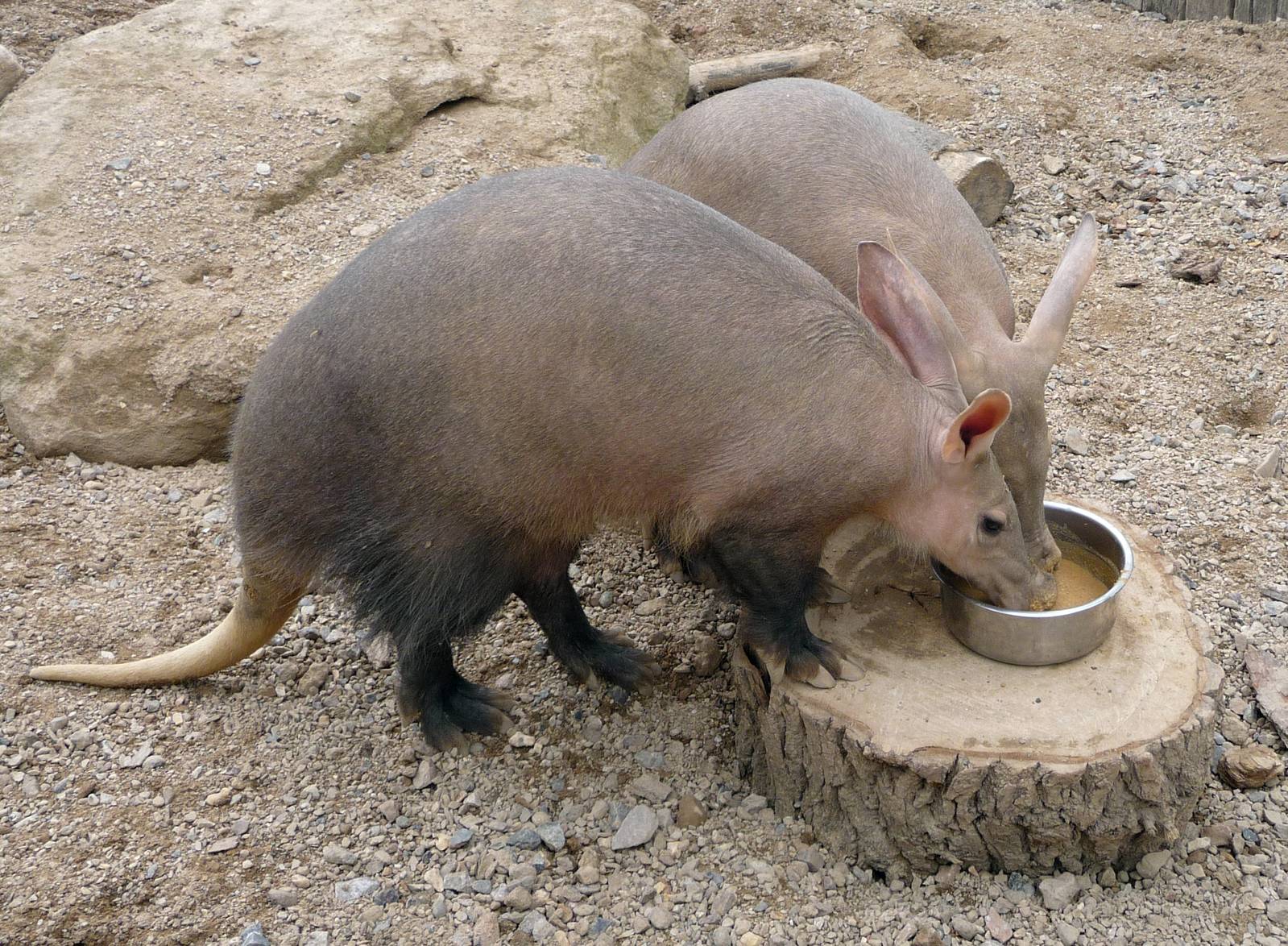
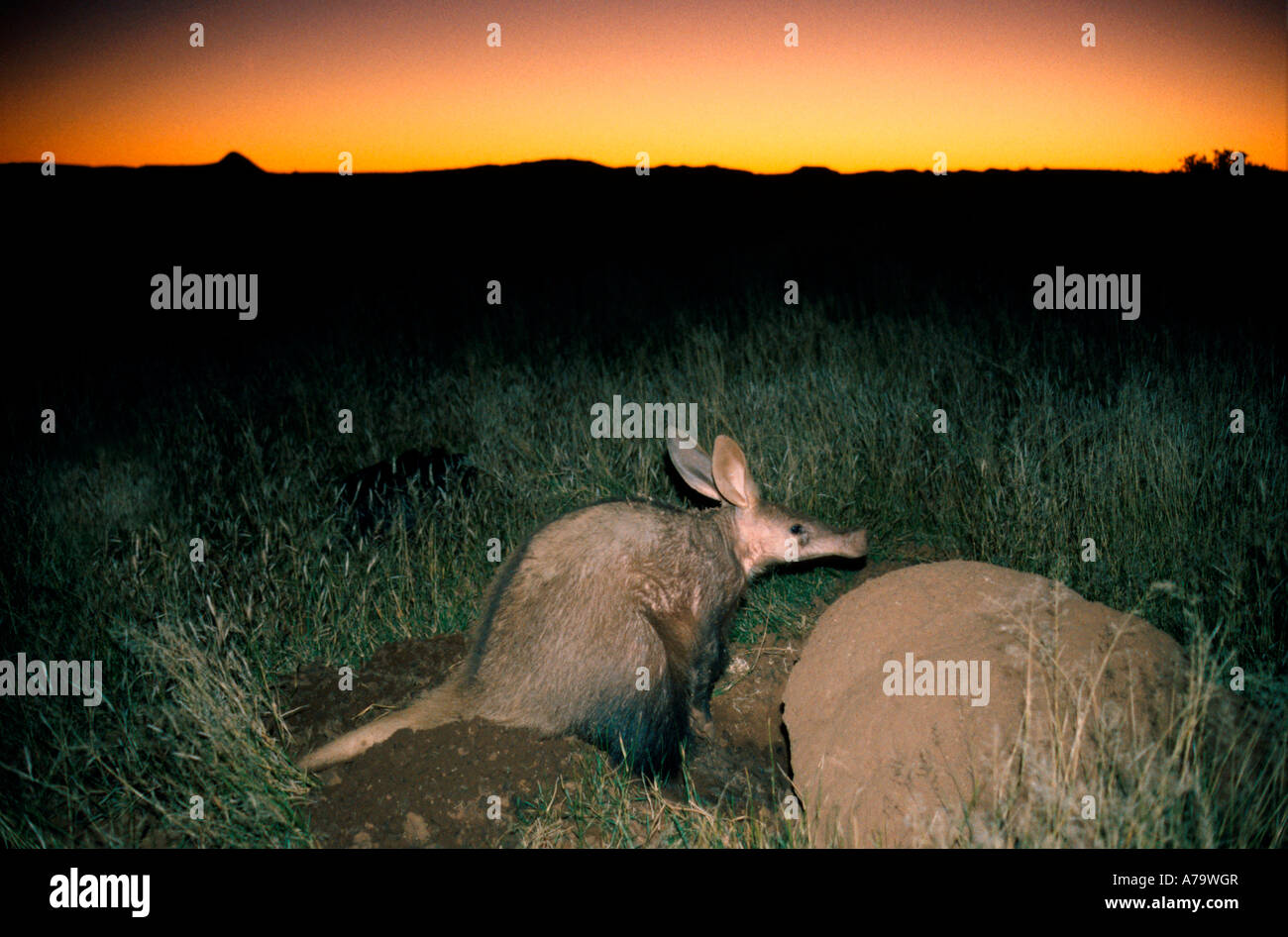
The aardvark (Orycteropus afer), or "antbear," is a solitary, nocturnal mammal native to sub-Saharan Africa. As the sole living member of the order Tubulidentata, it represents a unique evolutionary lineage defined by its specialized diet of ants and termites, powerful digging capabilities, and essential role as an ecosystem engineer.
The Evolutionary Uniqueness of the Tubulidentata
The aardvark is often described as a "living fossil," a term used by biologists to denote species that have remained relatively unchanged over millions of years. Belonging to the superorder Afrotheria—which also includes elephants, manatees, and hyraxes—the aardvark is the only surviving representative of the order Tubulidentata. Its name, derived from the Afrikaans for "earth pig," reflects its porcine appearance, yet it is not closely related to true swine.
The name "Tubulidentata" refers to the animal's highly specialized teeth. Unlike most mammals, aardvarks do not have incisors or canines in their adult form. Instead, they possess columnar cheek teeth consisting of numerous hexagonal tubes of dentin fused together, lacking a protective enamel coating. These teeth grow continuously throughout the animal’s life, an adaptation necessitated by a diet that occasionally includes abrasive soil and grit. This evolutionary path highlights a high degree of specialization that has allowed the aardvark to occupy a specific ecological niche across diverse African landscapes for over 50 million years.
Physical Adaptations of the Ultimate Digging Machine
To understand the aardvark is to understand the mechanics of efficient excavation. Every aspect of its physiology is optimized for finding and extracting insects from hardened mounds. An adult aardvark typically weighs between 50 and 80 kilograms (110–175 lbs) and can reach a length of up to 2.2 meters, including its thick, muscular tail.
The most striking feature is the snout, which is highly mobile and houses an extraordinarily sophisticated olfactory system. The aardvark possesses more turbinate bones (the structures that support the olfactory membranes) than any other mammal, giving it a sense of smell that surpasses even that of a bloodhound. This allows them to locate termite colonies deep underground or within the centers of concrete-like mounds.
Supporting this olfactory prowess are the powerful forelimbs. Each foot is equipped with four or five thick, shovel-like claws that are halfway between a hoof and a nail. These claws can penetrate termite mounds that are too hard for a human to break with a pickaxe. Once a breach is made, the aardvark employs its 30-centimeter-long, vermiform (worm-like) tongue. This tongue is coated in a sticky saliva that allows the animal to extract thousands of insects in a single feeding session.
Behavior and the Nocturnal Lifestyle
Aardvarks are notoriously elusive due to their strictly nocturnal and solitary nature. They typically emerge from their burrows shortly after sunset, though they may occasionally venture out during the day in colder regions to sunbathe. Their activity patterns are dictated by the activity of their prey and the ambient temperature of their environment.
Aardvarks are highly territorial, though their territories often overlap. They use scent marking, via glands located on their hips, to communicate with other individuals. While they are generally silent, they are capable of making soft grunting sounds or loud bleats if threatened. Their primary defense mechanism is not combat but retreat; an aardvark can dig a hole fast enough to disappear from sight in just a few minutes, even when starting on compacted earth. If cornered, they will roll onto their backs and use their powerful claws to defend themselves against predators such as lions, leopards, and hyenas.
Ecosystem Engineering: The Importance of the Burrow
Perhaps the most significant contribution of the aardvark to its environment is its role as an "ecosystem engineer." Aardvarks are prolific diggers, creating three types of burrows:
- Foraging holes: Shallow excavations made while searching for food.
- Temporary shelters: Small burrows used for a few nights during travel.
- Permanent dens: Complex, multi-chambered tunnel systems that can extend over 10 meters in length and have several entrances.
These permanent dens are vital to the survival of numerous other species. In the African savanna, where temperatures can fluctuate wildly and wildfires are common, these abandoned aardvark burrows provide critical refuge. Species such as the African wild dog, hyena, warthog, various owls, and countless reptiles and invertebrates rely on these cool, stable environments for breeding and protection. Without the aardvark’s continuous "construction" work, many of these species would struggle to find adequate shelter, leading to a potential collapse in local biodiversity.
Identifying Myrmecophagous Species
The aardvark is frequently confused with other insect-eating (myrmecophagous) mammals due to convergent evolution—where unrelated species evolve similar traits. The following table clarifies the distinctions between the aardvark and its commonly confused counterparts.
| Feature | Aardvark (Orycteropus afer) | Giant Anteater (Myrmecophaga tridactyla) | Sunda Pangolin (Manis javanica) |
|---|---|---|---|
| Region | Sub-Saharan Africa | Central and South America | Southeast Asia |
| Order | Tubulidentata | Pilosa | Pholidota |
| Integument | Sparse, coarse hair; thick skin | Dense, long fur | Large, overlapping keratin scales |
| Teeth | Hexagonal dentin tubes (no enamel) | Completely toothless | Completely toothless |
| Ears | Large, rabbit-like ears | Small, rounded ears | Small or absent external ears |
| Defense | Rapid digging; powerful claws | Defensive posture; long claws | Rolling into a ball |
Lessons from 2018: Climate Change and the Kalahari Studies
Research published around 2018 provided a somber look at the vulnerability of this "mysterious" animal. A landmark study conducted by the University of the Witwatersrand focused on aardvarks in the Kalahari Desert during a period of extreme drought. The findings highlighted a critical "bottleneck" in the aardvark’s specialized biology.
As temperatures rose and the desert became increasingly arid, the termites and ants that aardvarks rely on retreated deeper underground or experienced population crashes. Because aardvarks have a high metabolic cost associated with digging and maintaining their body temperature, the lack of accessible prey led to "starvation in a landscape of plenty." Many aardvarks were observed foraging during the day—a desperate attempt to conserve energy by utilizing the sun’s warmth—but this behavior left them vulnerable to predators and heatstroke.
By 2026, these 2018 findings have become a cornerstone of aardvark conservation strategy. They underscore that while the aardvark is physically resilient and capable of surviving in diverse habitats (from rainforests to scrublands), its dependence on a very specific food source makes it a "canary in the coal mine" for climate-driven ecological shifts.
The Aardvark Cucumber: A Unique Symbiosis
One of the most fascinating aspects of aardvark biology is its relationship with the Aardvark Cucumber (Cucumis humifructus). This is the only species of cucumber that fruits underground. The plant relies entirely on the aardvark for its propagation.
The aardvark eats the moisture-rich fruit for its water content, especially in arid regions. The seeds of the cucumber have a tough outer shell that survives the aardvark’s digestive tract. When the aardvark defecates near its burrows—often burying its dung—it effectively "plants" the seeds in a nutrient-rich environment. This symbiotic relationship is a rare example of a mammal and a plant co-evolving in a way that provides both hydration for the animal and a reproductive mechanism for the plant.
Conservation and Status in 2026
As of 2026, the aardvark is listed as "Least Concern" on the IUCN Red List of Threatened Species, but this classification can be misleading. Because aardvarks are nocturnal and live at low densities, accurate population counts are notoriously difficult to obtain.
The primary threats to aardvarks include:
- Habitat Fragmentation: As agricultural land expands, the contiguous areas required for aardvarks to forage and dig are being broken up.
- The Bushmeat Trade: In some regions, aardvarks are hunted for their meat and for their claws and teeth, which are used in traditional medicine or as charms.
- Climate Change: As established in the 2018 studies, prolonged droughts significantly impact the availability of their primary prey.
Conservation efforts are currently focused on protecting large tracts of habitat and educating local communities about the vital "free labor" aardvarks provide by controlling termite populations, which can otherwise damage crops and wooden structures.
Frequently Asked Questions
Are aardvarks related to pigs?
No, aardvarks are not related to pigs despite their name meaning "earth pig." They belong to the superorder Afrotheria, making them more closely related to elephants and manatees than to swine. Their porcine appearance is a result of evolutionary adaptations for rooting in the soil, which is a form of convergent morphology.
How many ants can an aardvark eat in one night?
An adult aardvark can consume upwards of 50,000 to 60,000 ants and termites in a single night. They use their specialized snout to locate nests and their 12-inch sticky tongue to lap up the insects. This high intake is necessary to sustain their large body mass, as ants and termites are individually low in caloric value.
Can aardvarks swim?
Yes, aardvarks are surprisingly competent swimmers. While they prefer to stay on dry land where their prey is located, they have been observed crossing rivers and moving through flooded areas. Their powerful musculature, which is primarily used for digging, provides the strength necessary for swimming when required.
Why do aardvarks have such large ears?
The large, rabbit-like ears of the aardvark serve two primary purposes: detecting predators and thermoregulation. Their hearing is extremely acute, allowing them to detect the faint sounds of moving insects or the approaching footsteps of a predator. Additionally, the large surface area of the ears, which are filled with blood vessels, helps the animal dissipate heat in the hot African climate.
Do aardvarks live in groups?
Aardvarks are strictly solitary animals. They only seek out others of their species for the purpose of mating. A mother will stay with her single cub for about six months, teaching it how to forage and dig, after which the cub will leave to establish its own territory. Interaction between adults outside of the mating season is very rare.
Protecting the Future of the Antbear
To ensure the continued survival of this "mysterious" species, individuals and organizations should focus on habitat preservation and support for ecological research. Supporting organizations like the African Wildlife Foundation or local conservancies in South Africa and Namibia helps fund the monitoring programs necessary to track population trends. Furthermore, as the research from 2018 suggests, addressing broader climate change initiatives is perhaps the most critical long-term action for protecting specialized species like the aardvark. For those living in or visiting sub-Saharan Africa, promoting "aardvark-friendly" farming—which avoids the use of heavy pesticides that kill off termite and ant colonies—is a practical way to support the local ecosystem.