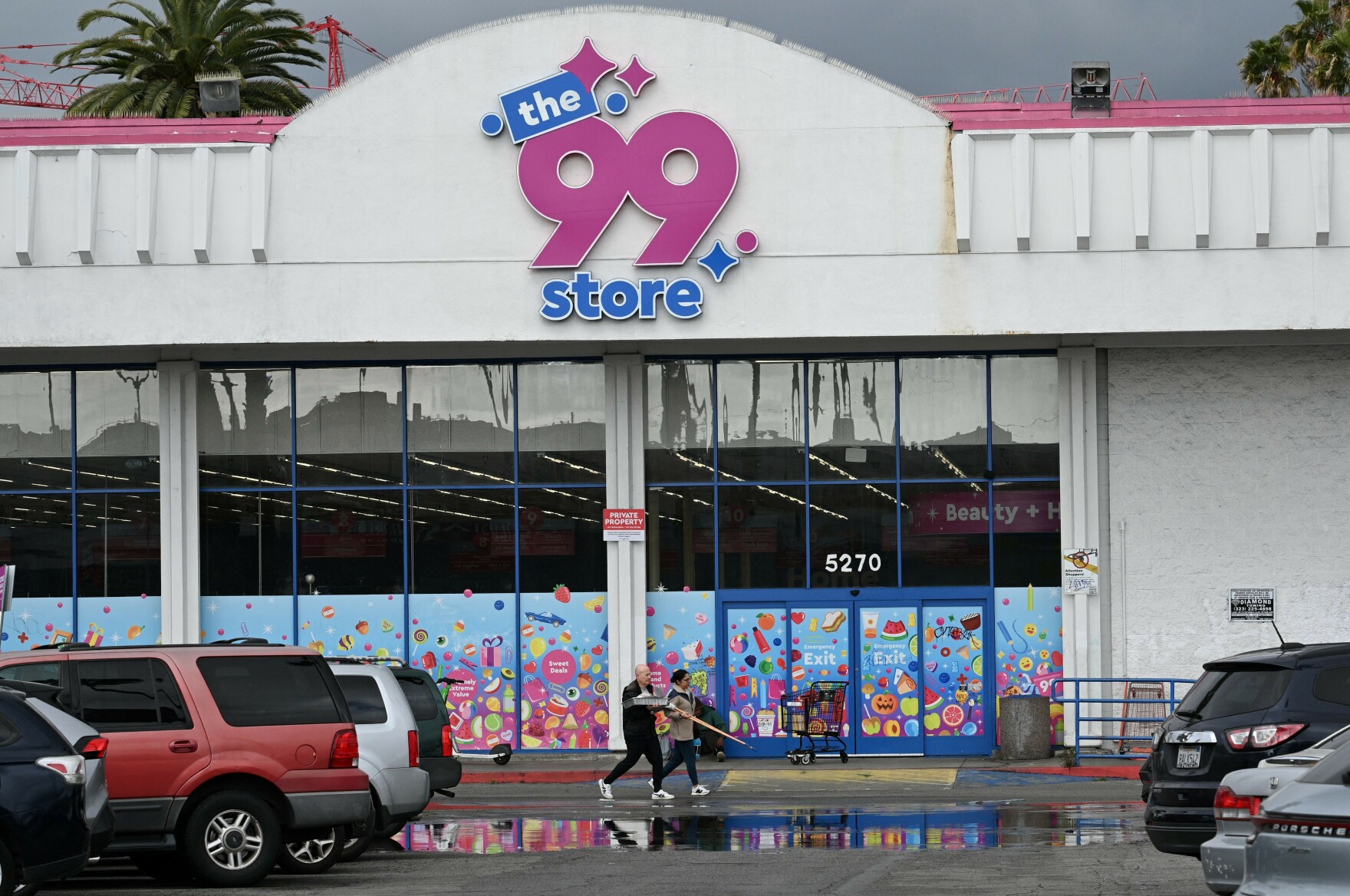
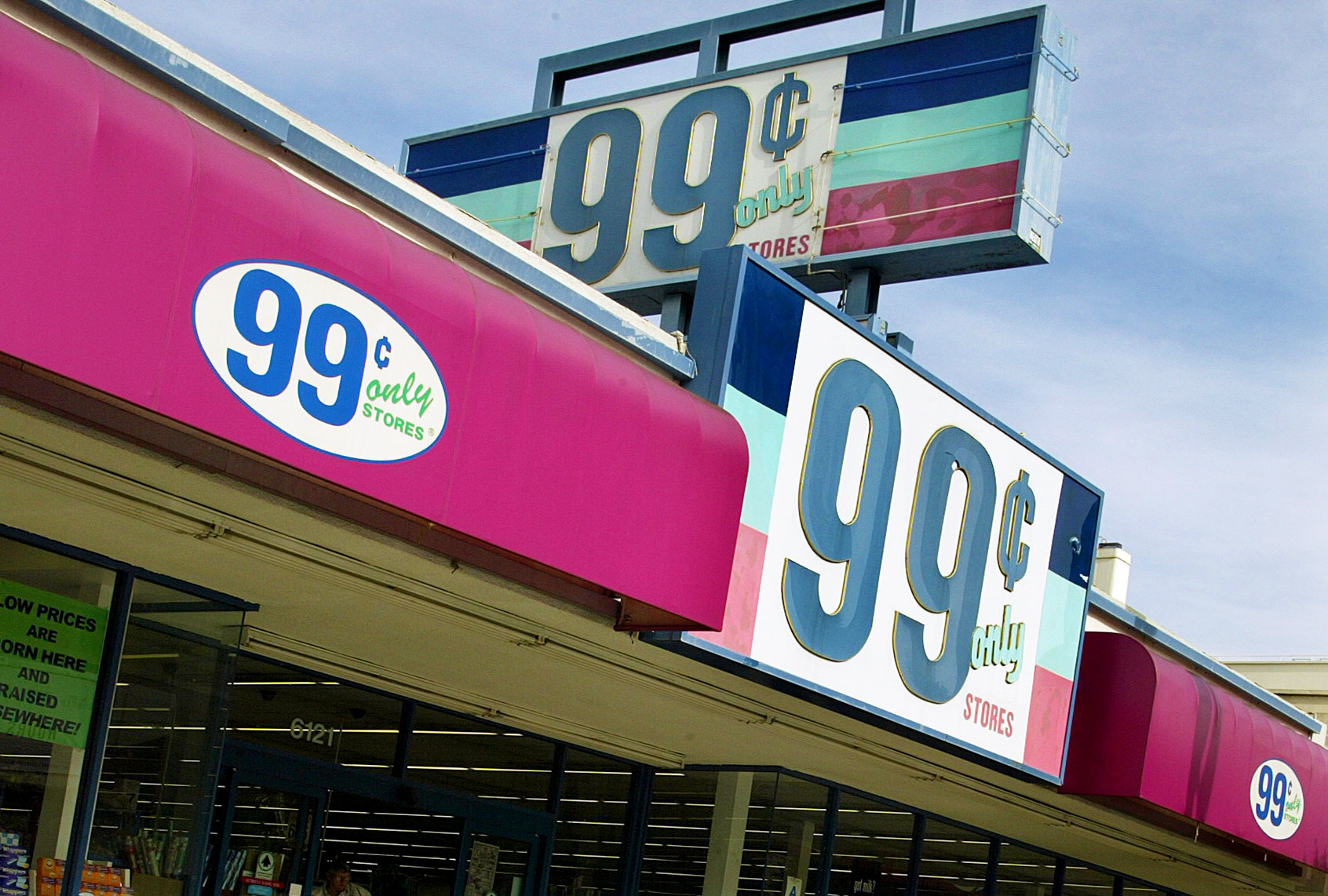
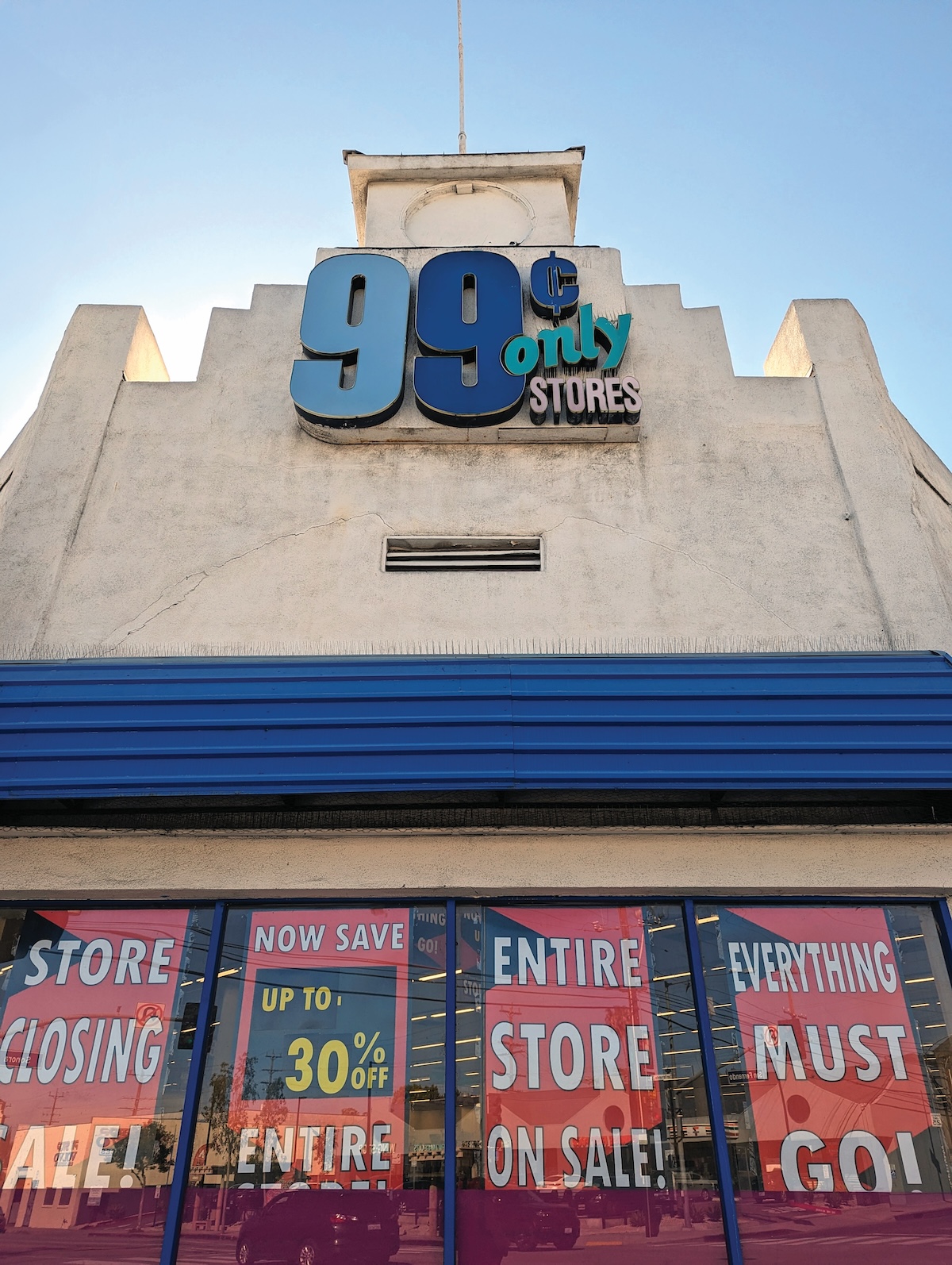
In 2026, the "99 cent store" remains a foundational element of the value retail sector, though the landscape has shifted significantly since the mid-2020s. While the iconic 99 Cents Only Stores chain completed its liquidation in 2024, the term now primarily describes a diverse ecosystem of local independent retailers, remaining national dollar chains, and liquidators that have moved into former high-traffic discount locations.
The Evolution of the 99 Cent Store Concept
The 99 cent store model was originally built on a simple premise: providing a wide variety of household essentials, groceries, and seasonal items at a single, ultra-low price point. For decades, this model relied on high volume and low overhead. However, the economic pressures that intensified in the early 2020s—including record-breaking inflation, supply chain disruptions, and rising labor costs—forced a fundamental evolution of the niche.
By 2026, the "pure" 99 cent store—where every single item is strictly 99 cents—is increasingly rare. Most retailers in this category have transitioned to a "multi-price" model. This shift allows stores to maintain a core selection of items at or near the 99-cent mark while offering higher-quality goods at price points like $1.25, $3.00, or $5.00. This hybrid approach has preserved the "extreme value" identity of these stores while ensuring they remain commercially viable in a higher-cost environment.
Independent 99 cent stores, often found in urban centers, continue to serve as essential "corner stores" for their communities. These businesses typically source their inventory from closeout wholesalers, liquidators, and direct imports, allowing them to offer unique, unbranded, or international products that national chains might overlook.
The Fall of the 99 Cents Only Stores Chain
To understand the current state of 99 cent retail in 2026, one must look back at the 2024 bankruptcy and subsequent liquidation of 99 Cents Only Stores LLC. Founded in 1982, the company was a pioneer of the single-price model, operating nearly 400 locations across California, Arizona, Nevada, and Texas.
The chain's closure was a watershed moment for the industry. Several factors contributed to its demise:
- Inventory Shrinkage: High levels of organized retail theft significantly impacted margins in urban locations.
- Economic Volatility: The rapid rise in the cost of goods sold (COGS) meant that many staples could no longer be profitably sold for under a dollar.
- Infrastructure Debt: The company struggled with significant debt obligations that limited its ability to modernize stores or compete with the digital capabilities of larger rivals.
Following the 2024 liquidation, many of these prime retail sites were acquired by competitors. Dollar Tree and Ollie's Bargain Outlet were among the most aggressive in securing these leases, effectively replacing the 99 Cents Only brand with their own value propositions. In 2026, consumers visiting these old locations will find a different layout and pricing structure, reflecting the more resilient business models of the surviving national giants.
What to Expect in a 99 Cent Store Today
Shopping at a 99 cent store in 2026 requires a more discerning eye than in previous decades. Because the strict price cap has loosened, shoppers encounter a tiered inventory system designed to maximize value while managing store costs.
Consumables and Groceries
Groceries remain a primary draw. Shoppers can typically find bread, eggs (when market prices allow), milk, and a variety of canned goods. Many independent 99 cent stores have leaned into the "food desert" niche, providing fresh produce in areas where larger supermarkets are absent. However, it is essential to check expiration dates and packaging integrity, as these items are often sourced through secondary markets or closeout deals.
Household Essentials
Cleaning supplies, paper products, and kitchenware are staples of the 2026 value store. To keep prices low, manufacturers often produce smaller "dollar store sizes" specifically for this channel. For example, a bottle of dish soap may be 10 ounces instead of the 20 ounces found at a traditional grocer. Smart shoppers calculate the price-per-ounce to ensure the 99-cent price tag is truly a bargain.
Seasonal and Party Supplies
The 99 cent store remains the undisputed leader in seasonal decorations and party goods. From greeting cards to balloons and gift wrap, the markup at high-end retailers makes the discount alternative a clear winner. In 2026, these sections are often the most crowded, particularly during the "Value Holiday" seasons where consumers look to maintain traditions on tighter budgets.
Comparing Major Value Retailers in 2026
The following table compares the current market leaders and local independents that occupy the space formerly dominated by traditional 99 cent stores.
| Retailer Type | Typical Price Floor | Primary Sourcing | Best For... |
|---|---|---|---|
| Dollar Tree | $1.25 | Private label and mass contracts | Party supplies, seasonal items, and stationery. |
| Dollar General | $1.00 | National brands and private label | Rural staples, branded cleaning products, and snacks. |
| Ollie's Bargain Outlet | Varies (High Discount) | Brand-name closeouts and liquidations | Small appliances, books, flooring, and toys. |
| Local 99 Cent Shops | $0.99 - $1.99 | Wholesalers and international imports | Fresh produce, international spices, and housewares. |
| Five Below | $1.00 - $5.00 | Trend-focused manufacturing | Tech accessories, fitness gear, and youth gifts. |
Quality Control and Safety Standards
One of the most frequent questions regarding 99 cent stores involves the quality and safety of the products. In 2026, regulatory oversight by the Consumer Product Safety Commission (CPSC) and the FDA remains stringent, but the nature of discount sourcing requires consumer vigilance.
Product Recalls: Value stores often carry items from smaller manufacturers that may not have the same rigorous quality control as global brands. It is advisable to cross-reference unfamiliar toy or electronics brands with national recall databases.
Ingredient Transparency: For health and beauty products, consumers should check for active ingredients. While a 99-cent bottle of ibuprofen is chemically identical to a name brand, other products like shampoos or lotions may contain higher water content or different preservatives to achieve the lower price point.
Electrical Safety: Low-cost charging cables and small electronics are common in these stores. Shoppers should look for the "UL" (Underwriters Laboratories) or "ETL" marks, which indicate that the product has been tested for safety. Uncertified electronics carry a higher risk of overheating or causing electrical shorts.
The Role of Technology in Discount Shopping
By 2026, even the smallest 99 cent stores have begun to integrate technology to compete with big-box retailers. Digital coupons, loyalty apps, and "scan-and-go" features are becoming more common in national chains like Dollar General and Dollar Tree.
For the consumer, technology has changed how "99 cent" deals are found. Comparison shopping apps now allow users to scan a barcode at a local discount store to see if the price-per-unit is actually lower than buying in bulk at a warehouse club or through an online subscription. This transparency has forced 99 cent stores to be more competitive with their core inventory while relying on "treasure hunt" items—one-time deals on name-brand goods—to drive foot traffic.
Frequently Asked Questions
Are everything in a 99 cent store still 99 cents?
In 2026, most stores using this name have adopted a multi-price strategy. While they maintain a significant inventory of items for 99 cents or $1.25, you will often find "premium" items priced at $3, $5, or even $10. This allows the stores to carry a wider variety of goods, such as small electronics or larger housewares, that cannot be sold for under a dollar.
Is the food at 99 cent stores safe to eat?
Yes, the food sold in these stores must meet the same federal safety standards as food sold in high-end supermarkets. However, because these stores often purchase closeout inventory, it is important to check the "Best By" or "Use By" dates. The quality might decline after these dates, even if the food remains safe to consume.
Why did the national 99 Cents Only Stores close?
The chain filed for bankruptcy in 2024 due to a combination of high inflation, which made their $0.99 price point unsustainable, significant losses from retail theft (shrinkage), and changing consumer habits. The company chose to liquidate rather than reorganize, leading to the closure of all locations.
How do 99 cent stores make a profit?
They rely on a high-volume, low-margin business model. Profitability is achieved through low-cost real estate, minimal staffing, and purchasing inventory in massive quantities or through "opportunistic buying" (purchasing surplus goods from other retailers or manufacturers at a deep discount).
Are 99 cent stores a good place to buy electronics?
They are excellent for simple items like phone stands, basic headphones, or screen protectors. However, for items that carry a charge or plug into a wall, you should ensure the product has safety certifications (like UL). High-drain devices like power banks or fast chargers from these stores may not perform as well as more expensive branded versions.
Can I find brand-name products at these stores?
Yes, but they are often inconsistent. National brands frequently use 99 cent and dollar stores to clear out old packaging, seasonal overstock, or products that didn't sell well in larger markets. This creates a "treasure hunt" experience where you might find a name-brand detergent or snack one week, but it may not be restocked the next.
Strategy for Smart Discount Shopping
To maximize the benefits of shopping at a 99 cent store in 2026, consumers should treat it as one part of a broader household procurement strategy. These stores are most effective when used for specific categories where the "brand tax" is high, such as party supplies, cleaning tools (brooms, buckets), and basic kitchen staples.
Before heading to the checkout, perform a quick "unit price" check. A small container of milk or a 4-pack of toilet paper at a 99 cent store can sometimes be more expensive per unit than buying in bulk at a traditional grocery store. The true value of the 99 cent store lies in its ability to provide access to goods for a low absolute dollar amount, which is essential for managing weekly cash flow, even if the long-term bulk price is higher elsewhere.