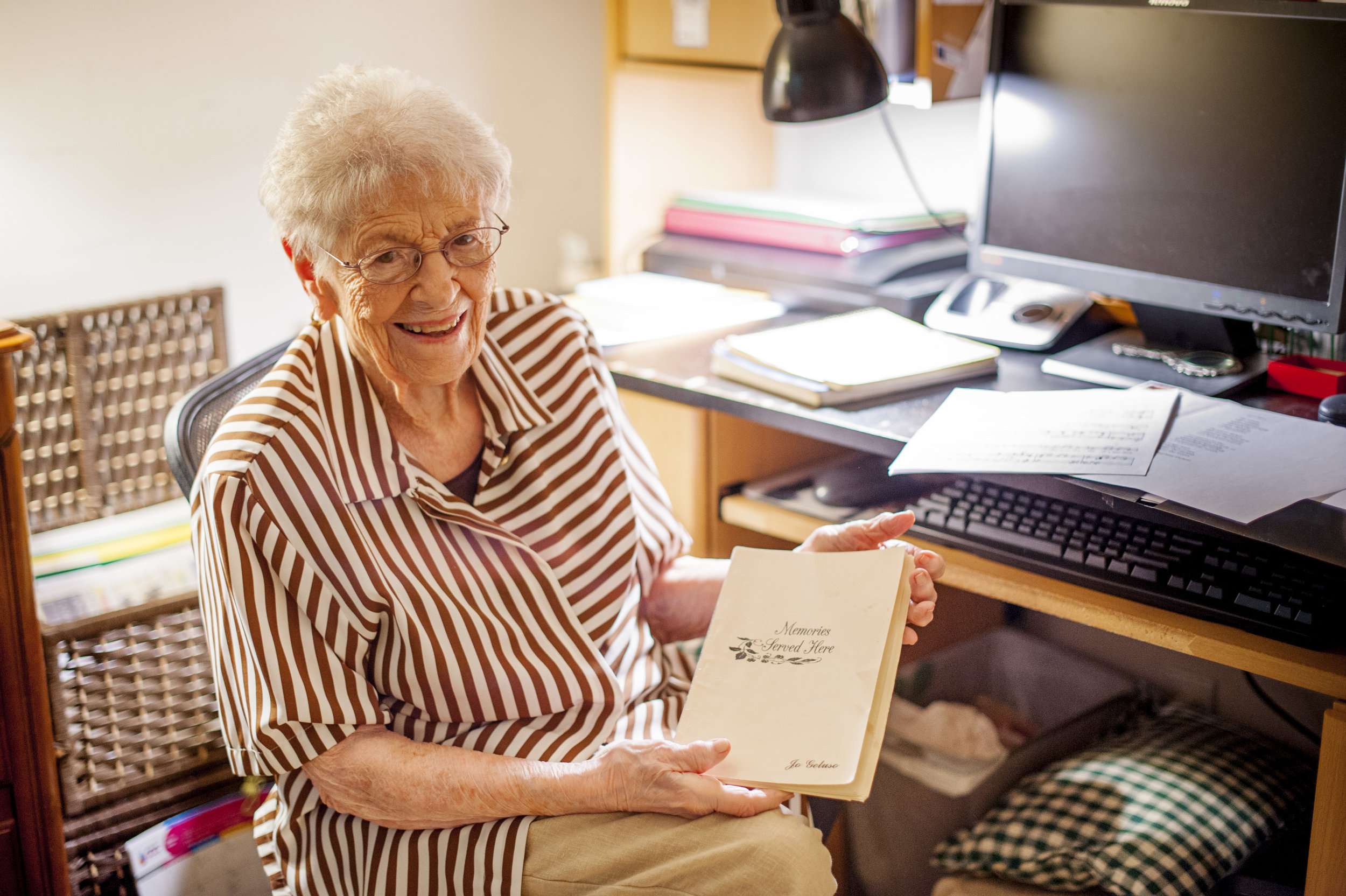
Reaching 94 years old in 2026 represents a significant milestone of human longevity, placing an individual in the "old-old" or nonagenarian category. At this age, the primary focus shifts from active retirement to specialized health maintenance, cognitive preservation, complex financial management of longevity risk, and the formalization of legacy and estate transition plans.
Biological Realities of the Nonagenarian Phase
At 94 years old, the human body has undergone nearly a century of cellular replication and environmental exposure. Biologically, this period is often defined by the concept of "frailty," a clinical syndrome characterized by diminished strength, endurance, and reduced physiologic function. However, the experience of a 94-year-old in 2026 is vastly different from previous generations due to advancements in regenerative medicine and personalized pharmacology.
The cardiovascular system at 94 typically exhibits increased arterial stiffness and a decrease in maximum heart rate. Myocardial thickening is common, and the heart must work harder to circulate blood. Respiratory capacity also declines as lung tissue loses elasticity and the rib cage becomes more rigid. In 2026, many nonagenarians manage these changes through sophisticated remote monitoring devices that track oxygen saturation and cardiac rhythms in real-time, allowing for immediate adjustments in medication or activity levels.
Skeletal muscle mass, a condition known as sarcopenia, is a critical concern at this age. Without targeted resistance exercise and high-quality protein intake, a 94-year-old faces a higher risk of falls and subsequent fractures. Bone density naturally diminishes, particularly in women, making osteoporosis management a cornerstone of geriatric care. Neurologically, while some cognitive slowing is expected, many 94-year-olds maintain high levels of "crystallized intelligence"—the ability to use learned knowledge and experience—even if "fluid intelligence" or processing speed has declined.
Navigating the Healthcare Landscape at 94
Healthcare for a 94-year-old in 2026 is increasingly focused on "compression of morbidity," the goal of shortening the period of illness at the end of life. Managing polypharmacy is one of the most significant challenges. It is common for individuals of this age to be prescribed multiple medications for hypertension, cholesterol, arthritis, and sleep. In 2026, geriatricians prioritize regular medication reviews to eliminate "prescribing cascades," where a second drug is prescribed to treat the side effects of a first drug.
Preventative screenings at 94 become highly individualized. While routine screenings like colonoscopies may be phased out based on life expectancy and the physical toll of the procedure, other screenings for sensory impairments—vision and hearing—become paramount. Hearing loss is closely linked to cognitive decline and social isolation; therefore, the use of modern, AI-integrated hearing aids is a standard recommendation. Vision issues such as macular degeneration and cataracts are also aggressively managed to prevent the loss of independence.
The role of the caregiver, whether a family member or a professional, is vital. By 94, many individuals require assistance with at least one "Activity of Daily Living" (ADL), such as bathing, dressing, or transferring. In 2026, the integration of "Age-Tech"—including smart flooring that detects falls and automated medication dispensers—has allowed more 94-year-olds to age in place safely rather than moving to assisted living facilities.
Financial Stability and Longevity Risk
One of the most profound challenges of being 94 years old is "longevity risk"—the risk of outliving one’s financial resources. In 2026, many nonagenarians are managing portfolios that were originally designed to last until age 85 or 90. The inflationary pressures of the early 2020s have made it necessary for 94-year-olds and their financial advisors to meticulously manage cash flow and withdrawal rates.
Social Security and pension benefits remain the bedrock of income for most 94-year-olds. However, the cost of long-term care has risen significantly. Whether it is in-home care, which can cost upwards of $6,000 to $9,000 per month for full-time assistance, or skilled nursing facilities, which may exceed $12,000 per month, the financial burden is substantial. In 2026, those who planned with long-term care insurance or "hybrid" life insurance policies are in a much more stable position.
Tax planning for the 94-year-old involves managing Required Minimum Distributions (RMDs) from retirement accounts while balancing the potential for high deductible medical expenses. At this age, gifting strategies are often employed to reduce the taxable estate, provided the individual has sufficient liquidity for their own remaining years. Professionals recommend a "bucket" approach to assets: keeping two to three years of living expenses in highly liquid, low-risk accounts while maintaining a smaller portion in diversified investments to hedge against ongoing inflation.
Comparative Metrics of Aging and Health Status
To understand the specific needs of a 94-year-old, it is helpful to compare their typical physiological and social profile against other stages of seniority.
| Metric | Young-Old (65–74) | Middle-Old (75–84) | Nonagenarian (90–99) |
|---|---|---|---|
| Primary Health Goal | Disease prevention & lifestyle | Chronic disease management | Maintenance of function & ADLs |
| Cognitive Profile | High fluid intelligence | Transition to crystallized focus | High reliance on experience/wisdom |
| Mobility Status | Independent / Active | Some assistive device use | Significant assistance or mobility aids |
| Social Focus | Travel, family, new hobbies | Community involvement | Intimate social circles & legacy |
| Care Requirement | Minimal / Periodic | Moderate (Transport/Shopping) | High (Personal care / Supervision) |
| Financial Phase | Early withdrawal / Spending | Portfolio preservation | Longevity risk management |
Psychological Well-being and Social Connectivity
Psychologically, being 94 years old often brings a shift in perspective known as "gerotranscendence." This theory suggests that as people age into their 90s, they experience a shift from a materialistic and rational view of the world to a more cosmic and transcendent one. This often results in an increased feeling of affinity with past generations and a decreased fear of death.
However, social isolation remains a potent threat. As of 2026, a 94-year-old has likely outlived many peers, siblings, and perhaps even a spouse or children. Maintaining "intergenerational connectivity" is the most effective way to combat the depression and cognitive decline associated with loneliness. Programs that pair 94-year-olds with younger students for storytelling or mentorship have proven beneficial for both parties.
Mental stimulation is equally critical. In 2026, many nonagenarians use simplified tablet interfaces to engage in lifelong learning, play brain-training games, and video-call family members. These activities help maintain neural plasticity. Even at 94, the brain is capable of forming new connections, provided it is given consistent and varied stimuli.
The Legal and Administrative Framework for the Very Old
By age 94, legal preparations must move beyond simple wills into comprehensive estate and "life management" planning. The primary document of importance is the Durable Power of Attorney (DPOA), which designates a trusted individual to make financial decisions if the 94-year-old becomes incapacitated. Without this, families often face the expensive and time-consuming process of seeking court-ordered guardianship.
Equally important are Advance Healthcare Directives or "Living Wills." These documents specify what medical interventions a person wants—or does not want—if they cannot speak for themselves. At 94, discussions regarding Do Not Resuscitate (DNR) and Do Not Intubate (DNI) orders are common. These are not about "giving up" but about ensuring that medical care aligns with the individual's values and quality-of-life preferences.
In 2026, digital estate planning has also become a standard requirement. This includes the management of social media accounts, digital assets (like photos and videos), and online banking credentials. A 94-year-old's legacy is no longer just physical heirlooms but a digital footprint that requires a designated "digital executor" to manage.
Is it safe for a 94-year-old to exercise?
Yes, and it is highly recommended. At 94, exercise should focus on balance, flexibility, and light resistance training to prevent falls and maintain muscle tone. Walking, chair yoga, and water aerobics are excellent options. Always consult a physician or a physical therapist to design a routine that accounts for specific cardiovascular or orthopedic limitations.
Can a 94-year-old still drive a car?
Driving ability at 94 is determined by functional capacity rather than age. This includes reaction time, visual acuity, and cognitive processing speed. Many jurisdictions in 2026 require more frequent vision and road tests for drivers over 90. If driving is no longer safe, transitioning to ride-sharing services or specialized senior transport is essential for maintaining independence.
What are the most common nutritional needs at this age?
Nutritional needs at 94 prioritize high-quality protein to combat muscle loss and adequate fiber for digestive health. Vitamin B12, Vitamin D, and Calcium are frequently supplemented, as the body’s ability to absorb these nutrients from food decreases with age. Hydration is also a major concern, as the sensation of thirst often diminishes in the mid-90s.
How does memory loss at 94 differ from Alzheimer's?
Normal age-related memory loss might involve forgetting a name but remembering it later, or occasionally losing items. Alzheimer’s or other forms of dementia involve more severe symptoms, such as getting lost in familiar places, profound confusion about time, and significant personality changes. A formal geriatric assessment is necessary to distinguish between the two.
What is the life expectancy for someone who is already 94?
Statistically, if an individual has reached 94, they have already survived the primary causes of death for younger cohorts. In 2026, a 94-year-old can often expect to live another 2 to 4 years on average, though many reach the 100-year mark depending on their cardiovascular health and lifestyle factors.
Optimizing the Path Toward 100
For the 94-year-old and their support network, the path toward becoming a centenarian should be paved with intentionality. The immediate next action should be a comprehensive "Longevity Audit." This involves a tripartite review of health, finance, and legal status.
First, schedule a consultation with a board-certified geriatrician to simplify medication and focus on functional mobility. Second, meet with a financial planner to stress-test the remaining estate against current inflation and potential long-term care needs for the next six years. Finally, ensure all "end-of-life" and "quality-of-life" legal documents are updated and shared with the designated Power of Attorney. By addressing these practicalities, the 94-year-old can focus on the most important aspect of their tenth decade: enjoying the time they have earned with family and community.