911 is the universal emergency telephone number in North America, while 9-1-1 and 9-1-1: Lone Star are fictional television dramas. They are not different emergency numbers; rather, the shows depict the lives of first responders who answer 911 calls in Los Angeles and Austin, respectively.
The confusion regarding whether "911" and "911 Lone Star" represent different emergency contact systems is understandable given the branding of the popular television franchise. However, it is vital to distinguish between the critical public safety infrastructure and the dramatized media inspired by it. In real life, dialing 9-1-1 connects you to a local dispatcher regardless of your state or city. In the world of entertainment, these titles represent two distinct branches of a television universe created by Ryan Murphy, Brad Falchuk, and Tim Minear.
As we look at the landscape of these series in 2026, the distinction remains clear: one is a life-saving telecommunications standard, and the others are high-octane procedural dramas that have captured the public's imagination.
The Foundation of 911: The Number Behind the Drama
To understand the shows, one must first understand the system they are based on. The 911 emergency number is a North American standard established to provide a single, easy-to-remember number for citizens to access police, fire, and medical services. Before its implementation, citizens had to know the specific phone numbers for different local departments, which was inefficient during high-stress crises.
The first 911 call was placed in 1968 in Haleyville, Alabama. Since then, the system has evolved into what is now known as Enhanced 911 (E911) and, more recently, Next Generation 911 (NG911). E911 allows dispatchers to automatically see the caller's location, while NG911 integrates digital technology to allow for text messages, photos, and videos to be sent to emergency centers.
When you dial 911, the call is routed to a Public Safety Answering Point (PSAP). These are the "dispatch centers" featured heavily in both television shows. In the real world, the personnel answering these calls are trained telecommunicators who follow strict protocols to triage emergencies before dispatching the appropriate units.
"9-1-1" (The Original): Los Angeles First Responders
The original series, simply titled 9-1-1, premiered in 2018 and is set in Los Angeles, California. The show follows the lives of LAPD police officers, firefighters from the fictional Station 118, and dispatchers at the LA call center. By 2026, the show has cemented its legacy as a juggernaut of the procedural genre, having successfully transitioned from its original home on Fox to ABC.
The primary focus of the original series is the interconnectedness of the "first responder loop." It highlights how a call moves from the initial panicked contact with a dispatcher to the tactical response by police and the life-saving measures performed by paramedics and firefighters. Key characters like Athena Grant (a field sergeant), Bobby Nash (the captain of the 118), and Evan "Buck" Buckley have become cultural icons for their portrayal of the personal sacrifices and psychological tolls associated with the job.
The Los Angeles setting allows for a specific type of drama, involving Hollywood-scale disasters such as earthquakes, tsunamis, and massive freeway pile-ups. The "911" in this title refers directly to the universal emergency code as it functions within the massive, urban sprawl of Southern California.
"9-1-1: Lone Star": Texas-Sized Emergencies
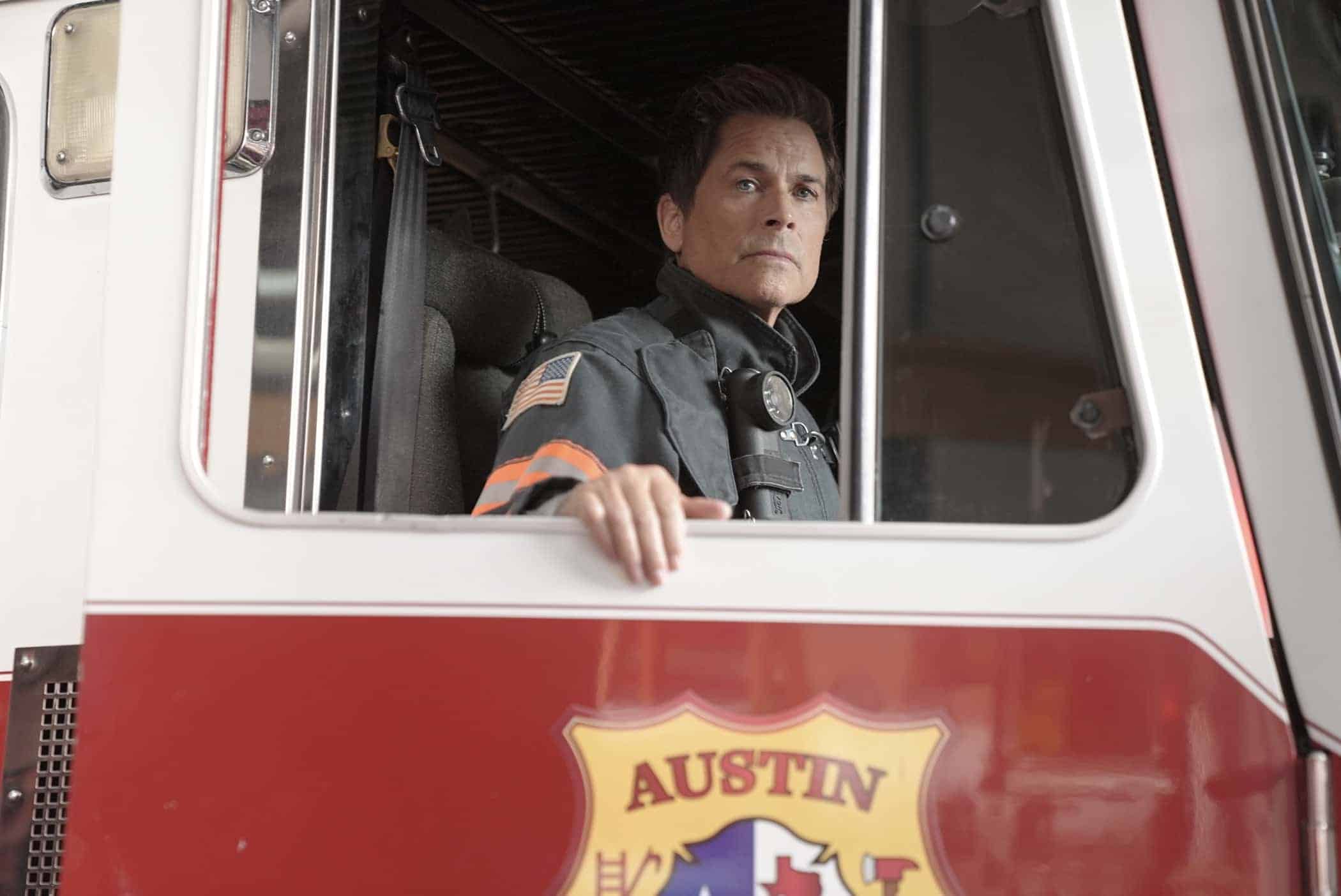
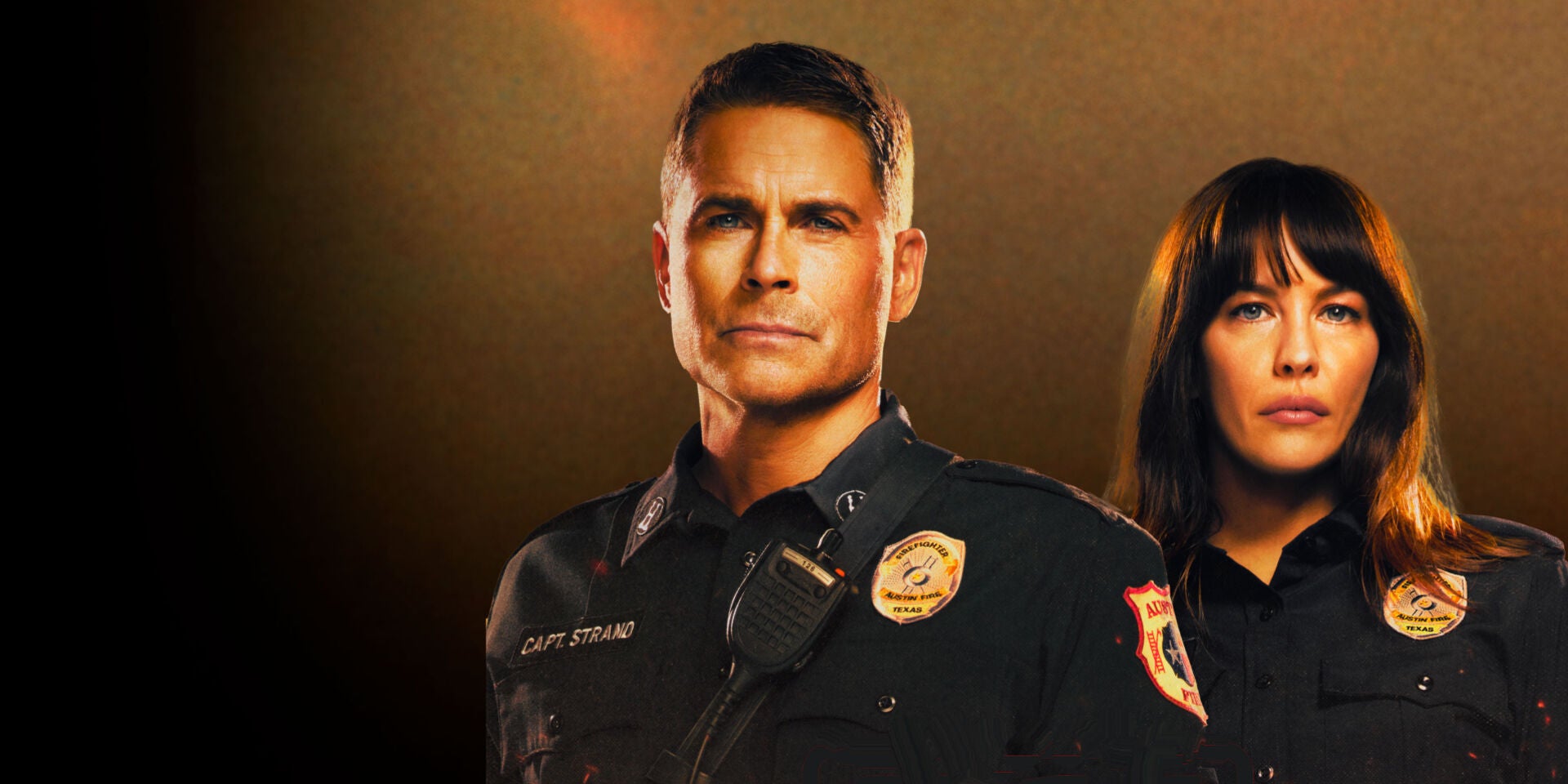
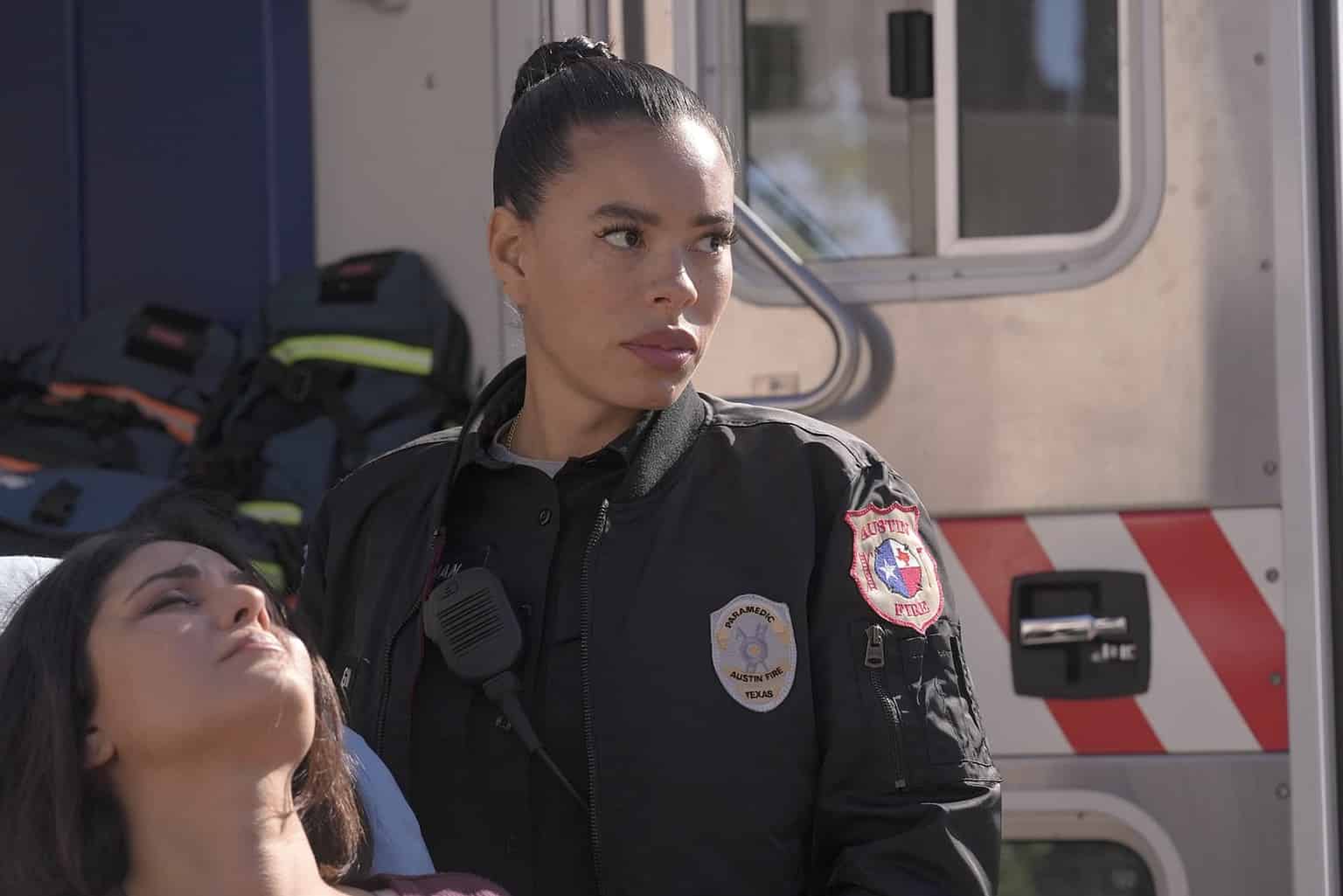
Following the massive success of the original series, the spin-off 9-1-1: Lone Star was launched in 2020. This version takes the same concept—following first responders and dispatchers—but relocates the action to Austin, Texas. The "Lone Star" in the title is a direct reference to the state nickname of Texas, clarifying that this is the Texas-based iteration of the franchise.
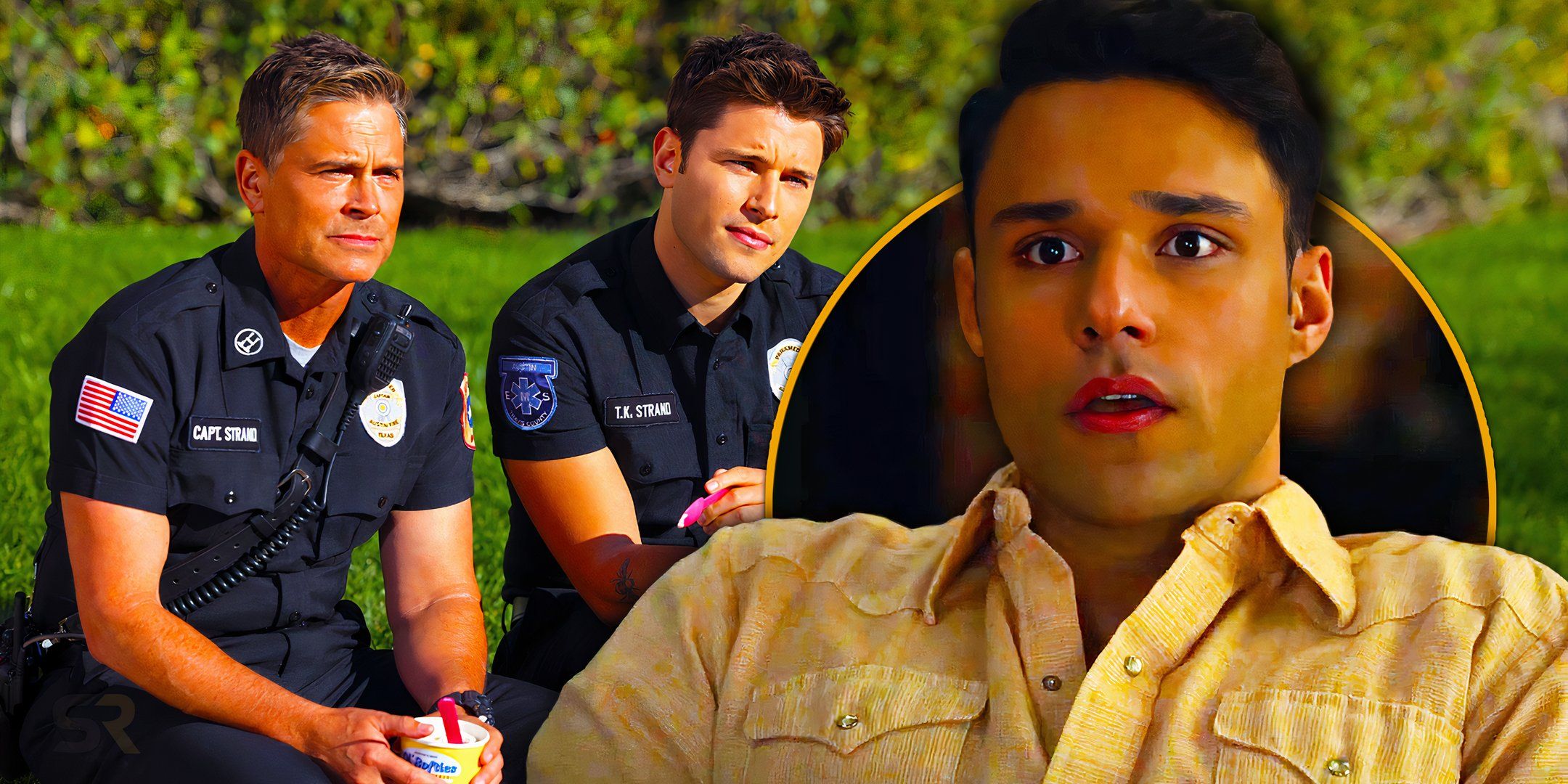
The premise of Lone Star begins with Owen Strand, a New York City fire captain who was the sole survivor of his firehouse on September 11, 2001. He is recruited to Austin to rebuild Station 126, which suffered its own tragedy. This show introduces a different cultural flavor and set of environmental challenges compared to the LA original, such as dust storms, wildfires, and even freak ice storms.
While Lone Star shares the same "911" branding, it operates with a different cast and a slightly different tone. It leans heavily into the "everything is bigger in Texas" philosophy, often featuring emergencies that are more eccentric or weather-dependent than its West Coast counterpart. In the fictional world, the characters in Austin use the same 911 system as those in Los Angeles, but they are separate entities within their respective city governments.
Comparing the Two Shows: Key Differences
While both shows are part of the same fictional universe and occasionally feature crossover events, they are distinct productions. Understanding their differences helps viewers navigate the franchise and reinforces the fact that "911" is the shared theme, not a different phone number.
| Feature | 9-1-1 (Original) | 9-1-1: Lone Star |
|---|---|---|
| Primary Location | Los Angeles, California | Austin, Texas |
| Primary Firehouse | Station 118 | Station 126 |
| Lead Protagonist | Athena Grant / Bobby Nash | Owen Strand |
| Atmospheric Themes | Urban sprawl, coastal disasters | High-tech Austin, rural Texas, extreme weather |
| Network (as of 2026) | ABC | Fox |
| Original Launch | 2018 | 2020 |
| Emergency Number | 9-1-1 | 9-1-1 |
The table above illustrates that while the branding is similar, the "product" (the TV show) is segmented by geography. If you were in Austin in real life, you would still dial 911, just as you would in Los Angeles. The call would simply be answered by a different local PSAP.
Real-Life First Responders vs. Television Fiction
It is important for the public to recognize the "Hollywood-ized" elements of these shows to avoid misconceptions about how the actual emergency number works. While both 9-1-1 and 9-1-1: Lone Star consult with real first responders to maintain a level of authenticity, several key differences exist:
- Response Times: On television, help often arrives within seconds of a call. In reality, response times vary based on traffic, location, and the volume of active calls.
- Personnel Roles: In the shows, firefighters often engage in high-level investigative work or complex rescues that might involve multiple specialized agencies in real life.
- The Dispatcher's Role: TV dispatchers (like Maddie Buckley or Grace Ryder) often stay on the line for the duration of the incident and follow up personally with callers. While real dispatchers are incredibly supportive, their primary goal is to gather information and move to the next emergency call as quickly as possible.
- Universal Access: There is no "Lone Star" version of the emergency number. Whether you are in the deserts of Texas or the hills of Hollywood, the number is always 911.
In 2026, the technology behind 911 has surpassed much of what was seen in the early seasons of these shows. Real-world dispatchers now utilize AI-assisted call routing and real-time data translation services that make the fictional portrayals seem almost traditional by comparison.
Why the Universal 911 Number Matters in 2026
The reason both shows use the "911" branding is because of the number's status as a "Universal Service Code." According to the Federal Communications Commission (FCC), the designation of 911 as the national emergency number ensures that any person, regardless of their location or service provider, can reach help.
In 2026, the infrastructure of 911 is more integrated than ever. The transition to Next Generation 911 has been largely completed across most major U.S. metropolitan areas. This means:
- Text-to-911: Is now a standard feature in almost every jurisdiction.
- Automatic Crash Notification: Vehicles automatically transmit data to 911 centers upon impact.
- Location Accuracy: Mobile device location data is now accurate within a few meters, a major plot point that used to be a hurdle in the early seasons of the TV shows.
Understanding that 911 is a service and not a "brand" helps ensure that people use the system correctly. You should never call 911 for information about the TV shows or to speak with the "actors" of the Austin or LA departments. Real 911 lines must remain open for actual life-threatening emergencies.
FAQ: Common Questions About the 911 Franchise
Are 9-1-1 and 9-1-1: Lone Star connected?
Yes, they exist in the same fictional universe. There have been multiple crossover episodes where characters from the Los Angeles 118 travel to Austin to assist with major disasters, such as massive wildfires. However, they are separate shows with different storylines and main casts.
Is there a different number to call in Texas than in California?
No. Throughout the United States and Canada, 911 is the standard emergency number. Whether you are in the setting of the original show (California) or the spin-off (Texas), the number you dial for police, fire, or ambulance services is exactly the same.
Why did 9-1-1 move to ABC while Lone Star stayed on Fox?
This was a result of production and licensing costs. While both shows were originally on Fox, the original 9-1-1 is produced by 20th Television (owned by Disney/ABC). When Fox decided not to renew it due to high costs, ABC picked it up. Lone Star remained on Fox because its production contracts were structured differently at the time.
Can I text 911 in the cities where these shows take place?
Yes. Both Los Angeles and Austin have implemented "Text-to-911" capabilities. However, public safety officials always emphasize "Call if you can, text if you can't," as voice communication is still the fastest way to convey critical information to a dispatcher.
Is "Lone Star" a real emergency department?
The term "Lone Star" is a nickname for the state of Texas. While there are many agencies in Texas with "Lone Star" in their name, the "911 Lone Star" fire station (Station 126) and its specific characters are entirely fictional and created for the television series.
Recommended Actions for Viewers and Citizens
If you are a fan of the 9-1-1 franchise or someone seeking clarity on the emergency system, here are the practical steps to take:
- Distinguish Between Entertainment and Reality: Enjoy the shows for their drama and character development, but do not use them as a guide for how real-world emergency services operate.
- Know Your Local Non-Emergency Number: For situations that are not life-threatening (e.g., a stolen bicycle or a noise complaint), find your local police department’s non-emergency line. This keeps the 911 lines—featured so prominently in the shows—clear for real crises.
- Keep Your Phone Updated: Ensure your smartphone’s OS is up to date. Modern updates often include improvements to "Emergency SOS" features that work in tandem with the 911 systems described in these shows.
- Stay Informed on Show Status: Since the shows are on different networks as of 2026, check your local listings or streaming platforms (like Hulu or Disney+) to ensure you are catching the correct "branch" of the franchise.
The "911" vs "911 Lone Star" debate is ultimately a matter of geography and fiction. The number is the same; the stories are just set in different parts of the country.