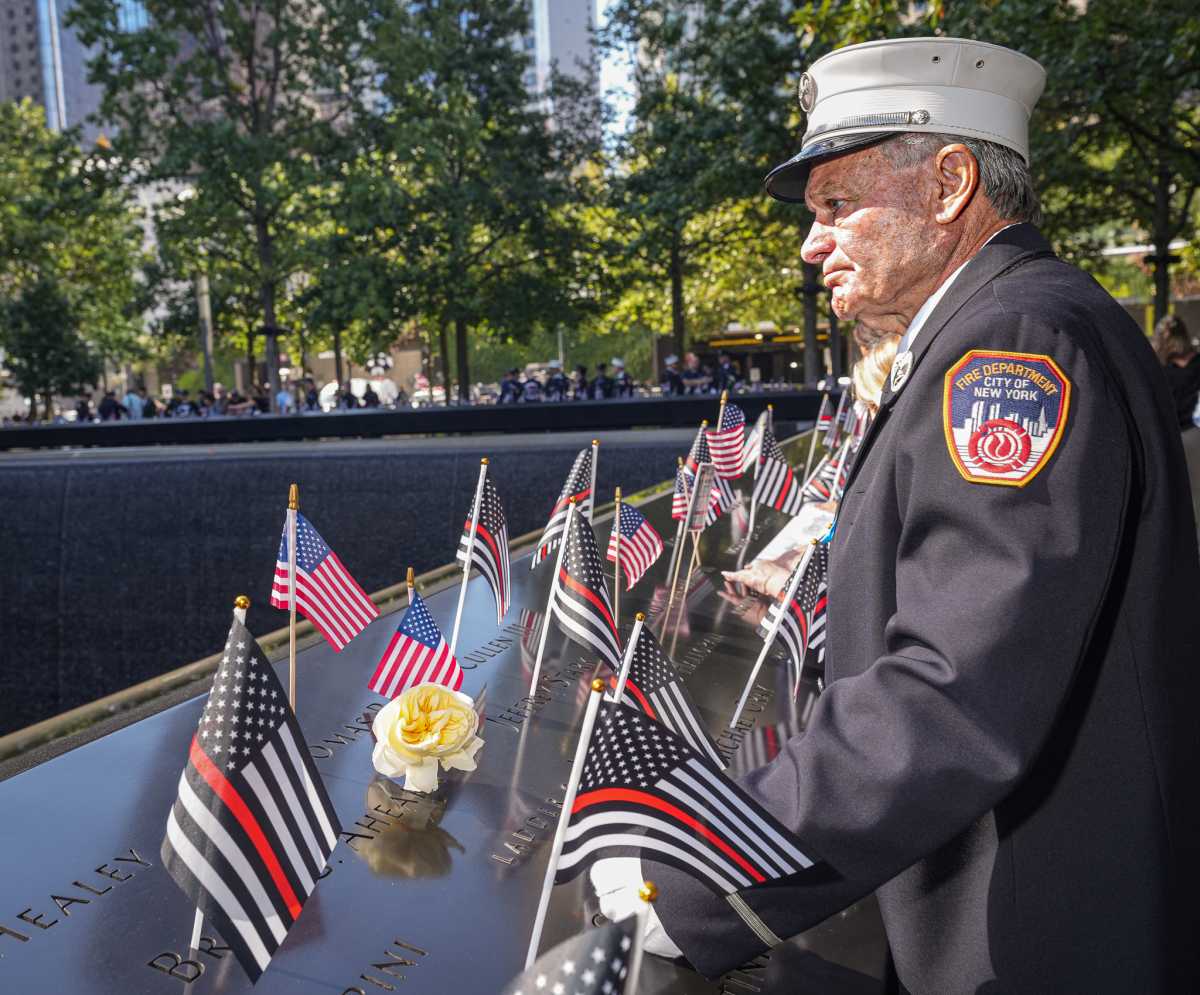
As of 2026, individuals recognized as 911 survivors—including responders and community members—remain eligible for significant federal support through the World Trade Center Health Program (WTCHP) and the September 11th Victim Compensation Fund (VCF). These programs provide no-cost medical treatment for certified conditions and financial compensation for economic and non-economic losses, with both currently authorized to operate through 2090.
The passage of time has not diminished the health risks associated with the toxic dust and debris released during the September 11, 2001, terrorist attacks. In fact, 2026 marks the 25th anniversary of the attacks, a milestone that underscores the long-term latency of many 9/11-related illnesses, particularly various forms of cancer. Whether you were a first responder, a local resident, a student, or a worker in Lower Manhattan, the Pentagon, or Shanksville, understanding your rights and the available resources is essential for managing your long-term health and financial security.
Defining 911 Survivors: Responders vs. Community Members
In the context of federal benefits, the term "911 survivor" is often used broadly, but the programs specifically distinguish between two primary groups: Responders and Survivors (Community Members). This distinction is important because it dictates which clinical centers you visit and the specific criteria for enrollment.
Responders
Responders include the thousands of brave individuals who participated in rescue, recovery, debris removal, and related support services. This category encompasses:
- Firefighters and emergency medical service providers.
- Police officers (NYPD, Port Authority, State, and Federal).
- Construction, debris removal, and sanitation workers.
- Volunteers who worked at Ground Zero, the Staten Island Landfill, or the NYC Chief Medical Examiner’s Office.
- Responders at the Pentagon and the Shanksville, Pennsylvania, crash site.
Survivors (Community Members)
The "Survivor" category refers to those who were present in the NYC Exposure Zone during the attacks or in the months that followed but were not performing responder duties. This includes:
- Residents living in Lower Manhattan south of Houston Street or in specific areas of Brooklyn.
- Employees who worked in offices, retail, or other businesses in the affected area.
- Students and staff at schools and daycare centers in the zone.
- Individuals who happened to be in the area for any reason between September 11, 2001, and July 31, 2002.
The World Trade Center Health Program (WTCHP)
The World Trade Center Health Program is administered by the National Institute for Occupational Safety and Health (NIOSH). It is not a traditional health insurance plan; rather, it is a specialized program that provides medical monitoring and treatment specifically for health conditions certified as being related to 9/11 exposure.
Clinical Centers of Excellence
For those living in the New York City metropolitan area, care is provided through Clinical Centers of Excellence (CCEs). These centers, located at major hospitals such as Mount Sinai, NYU Langone, and Rutgers, specialize in the unique pathology of 9/11-related illnesses. For survivors living outside the NYC area, the Nationwide Provider Network (NPN) coordinates care through local doctors across the United States.
The Certification Process
A critical step for any 911 survivor is obtaining certification. This is a formal determination by the WTCHP that your specific illness is a "covered condition" and that your exposure on or after 9/11 was a substantially contributing factor to the condition. Once certified, the program covers 100% of the costs for treatment, including doctor visits, diagnostic tests, and prescription medications related to that condition.
The September 11th Victim Compensation Fund (VCF)
While the WTCHP handles medical care, the September 11th Victim Compensation Fund (VCF) provides financial compensation. In 2019, the "Never Forget the Heroes: James Zadroga, Ray Pfeifer, and Luis Alvarez Permanent Authorization of the September 11th Victim Compensation Fund Act" was signed into law, extending the fund's claim-filing deadline to October 1, 2090.
Registration vs. Filing a Claim
There is often confusion between registering with the VCF and filing a claim. It is vital to understand the difference:
- Registration: This is the process of putting the VCF on notice that you are a potential claimant. Registration is not the same as applying for money; it simply preserves your right to file a claim in the future. For those who have not yet been diagnosed with a 9/11-related illness, registration is a proactive safeguard.
- Filing a Claim: This is the actual application for compensation. You can only file a claim once you have been diagnosed with a 9/11-related condition that has been certified by the WTCHP.
Compensation Categories
The VCF provides two main types of awards:
- Non-Economic Loss: Often referred to as "pain and suffering." The VCF has statutory caps on these awards, generally ranging from $90,000 to $250,000 depending on the severity of the illness.
- Economic Loss: This covers lost earnings, loss of employment benefits, and out-of-pocket medical expenses not covered by insurance or the WTCHP.
Eligibility Criteria and the NYC Exposure Zone
To qualify for these programs, a survivor must prove their presence within the designated NYC Exposure Zone during the eligible timeframe. As of 2026, the definitions for these zones remain strictly enforced.
| Feature | World Trade Center Health Program (WTCHP) | Victim Compensation Fund (VCF) |
|---|---|---|
| Primary Purpose | Medical monitoring and treatment. | Financial compensation for losses. |
| Administering Body | NIOSH / CDC. | Department of Justice (DOJ). |
| Geographic Scope | Manhattan south of Houston St; 1.5-mile radius of Pentagon; Shanksville site. | Manhattan south of Canal St; Pentagon; Shanksville site. |
| Deadline | Enrollment open until 2090. | Claims accepted until October 1, 2090. |
| Cost to User | No cost for certified conditions. | No cost to apply (legal fees capped if using an attorney). |
| Key Requirement | Diagnosis of a "covered condition." | WTCHP Certification of the condition. |
The "Disaster Area" vs. the "Exposure Zone"
For the VCF, the "NYC Exposure Zone" is defined as the area in Manhattan south of Canal Street. However, the WTCHP "Survivor" zone is slightly broader, extending north to Houston Street and including parts of Brooklyn that were in the dust cloud's path. Proving presence usually requires documentation such as leases, utility bills, school transcripts, or employer affidavits.
Recognized Health Conditions and the 25-Year Latency
Medical research has identified over 70 types of cancer and numerous chronic respiratory and digestive disorders linked to 9/11 toxins. In 2026, we are seeing an increase in "late-onset" conditions—illnesses that took decades to manifest after the initial exposure.
Respiratory and Digestive Disorders
Known collectively as "aerodigestive" disorders, these are the most common conditions among survivors. They include:
- Asthma and Chronic Obstructive Pulmonary Disease (COPD).
- Chronic Rhinosinusitis and Sleep Apnea.
- Gastroesophageal Reflux Disease (GERD).
9/11-Related Cancers
The WTCHP covers almost all types of cancer, including but not limited to:
- Skin Cancers: Both melanoma and non-melanoma (basal and squamous cell).
- Blood Cancers: Leukemia, Lymphoma, and Multiple Myeloma.
- Solid Tumors: Cancers of the lung, breast, prostate, colon, and thyroid.
Mental Health Impacts
The psychological toll of 9/11 remains a significant concern 25 years later. The WTCHP provides treatment for Post-Traumatic Stress Disorder (PTSD), anxiety, and depression. Unlike physical conditions, mental health conditions generally do not qualify for VCF compensation unless they are linked to a physical injury or illness.
How to Apply for Benefits in 2026
Navigating the application process can be complex, but it generally follows a sequential path.
- Gather Evidence of Presence: Collect documents that prove you were in the exposure zone between September 11, 2001, and July 31, 2002.
- Apply to the WTCHP: Submit an application for enrollment in the health program. You will need to provide your presence documentation and medical records if you have a current diagnosis.
- Attend a Monitoring or Diagnostic Exam: Once enrolled, you will be scheduled for an exam at a CCE or through the NPN to evaluate your health and certify your condition.
- Register with the VCF: Even if you are healthy now, register with the VCF to protect your future rights.
- File a VCF Claim: Once the WTCHP certifies your condition, you can submit your claim for financial compensation.
Common Mistakes to Avoid
- Waiting for Symptoms: Many survivors wait until they are sick to register. Because of the latency of cancer, it is safer to enroll in monitoring now.
- Incomplete Presence Proof: The VCF and WTCHP have high standards for evidence. Affidavit letters from former coworkers or neighbors should be as specific as possible.
- Missing Registration Deadlines: While the fund is open until 2090, there are specific "two-year" windows for registration following the death of a survivor or the certification of a new condition.
FAQ: Frequently Asked Questions
Can I still apply if I moved away from New York City?
Yes. The World Trade Center Health Program operates a Nationwide Provider Network (NPN) specifically for survivors and responders who live outside the New York metropolitan area. You can receive the same no-cost monitoring and treatment from local providers in your current state.
Is there a deadline to register for the VCF?
The VCF Permanent Authorization Act extended the final date to file a claim to October 1, 2090. However, if a survivor passes away due to a 9/11-related condition, the family generally must register the death with the VCF within two years of the date of death (or the date the condition was certified as 9/11-related) to preserve the right to a wrongful death claim.
Does the program cover my family members?
The WTCHP and VCF are based on individual exposure. Family members are only eligible if they were also present in the exposure zone during the eligible timeframe. However, the VCF does provide "wrongful death" compensation to the families of survivors who have passed away due to a certified 9/11-related illness.
Do I need a lawyer to file a claim?
No, you are not required to have a lawyer. The VCF is designed to be accessible to individuals. However, many survivors choose to hire legal counsel to help gather presence evidence and navigate the administrative requirements. By law, attorney fees for VCF claims are capped at 10% of the award.
What if my condition is not on the list?
The WTCHP has a formal process for adding new conditions to the covered list. If new scientific evidence emerges linking a specific illness to 9/11 toxins, the program administrator can add it. You can also petition the program to consider a new condition.
Next Actions for Survivors
If you were present in the NYC Exposure Zone, the Pentagon, or Shanksville during the designated periods, your first priority should be enrolling in the World Trade Center Health Program. Even if you feel healthy today, the 25-year milestone in 2026 serves as a reminder that many illnesses, particularly cancers, can remain dormant for decades. Annual monitoring through the WTCHP is the best way to ensure early detection and immediate access to specialized care. Once enrolled, ensure you are also registered with the Victim Compensation Fund to secure your financial future and that of your family.