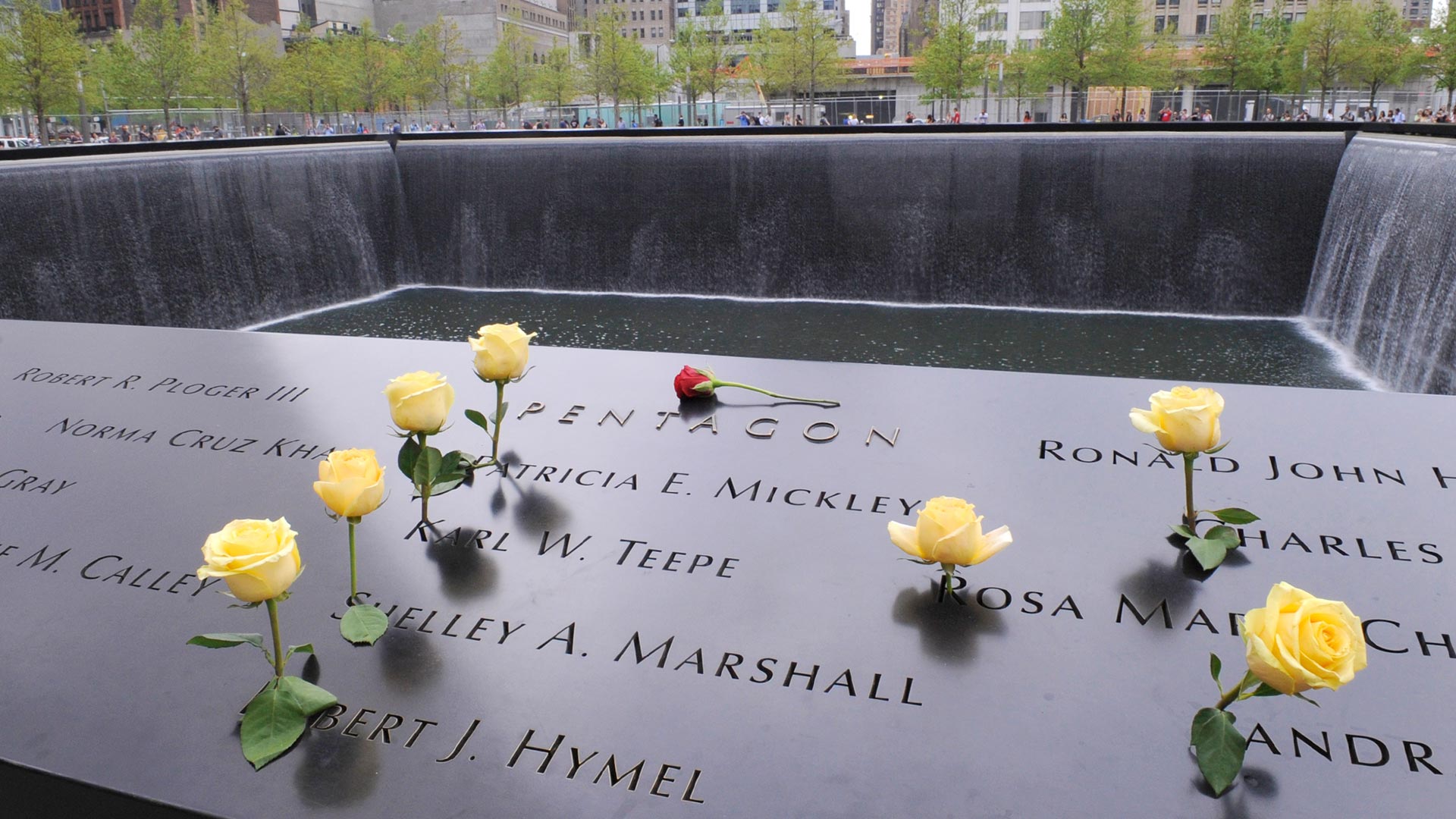
The National September 11 Memorial & Museum is the primary institution in the United States dedicated to documenting the history of the September 11, 2001, attacks and the February 26, 1993, World Trade Center bombing. Located at the World Trade Center site in Lower Manhattan, it honors the 2,983 victims through a poignant outdoor memorial and an extensive underground museum.
The Architecture of Remembrance: The Memorial Plaza
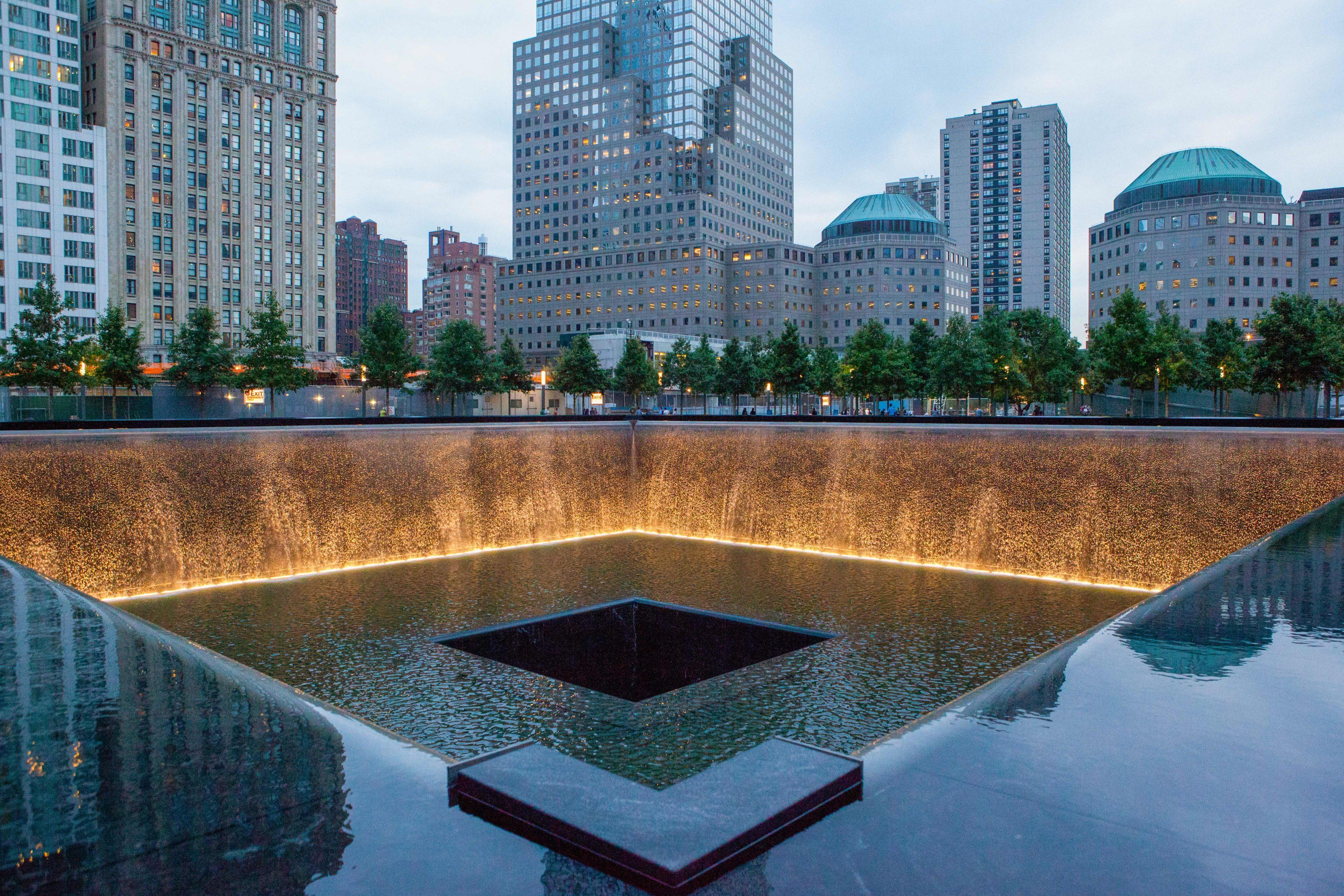
The outdoor 911 Memorial, titled "Reflecting Absence," was designed by architect Michael Arad and landscape architect Peter Walker. Spanning eight acres, the plaza is a forest of over 400 swamp white oak trees, providing a literal and figurative canopy of peace amidst the bustling Financial District of New York City. As of 2026, the plaza remains a free, public space open daily to visitors from around the world.
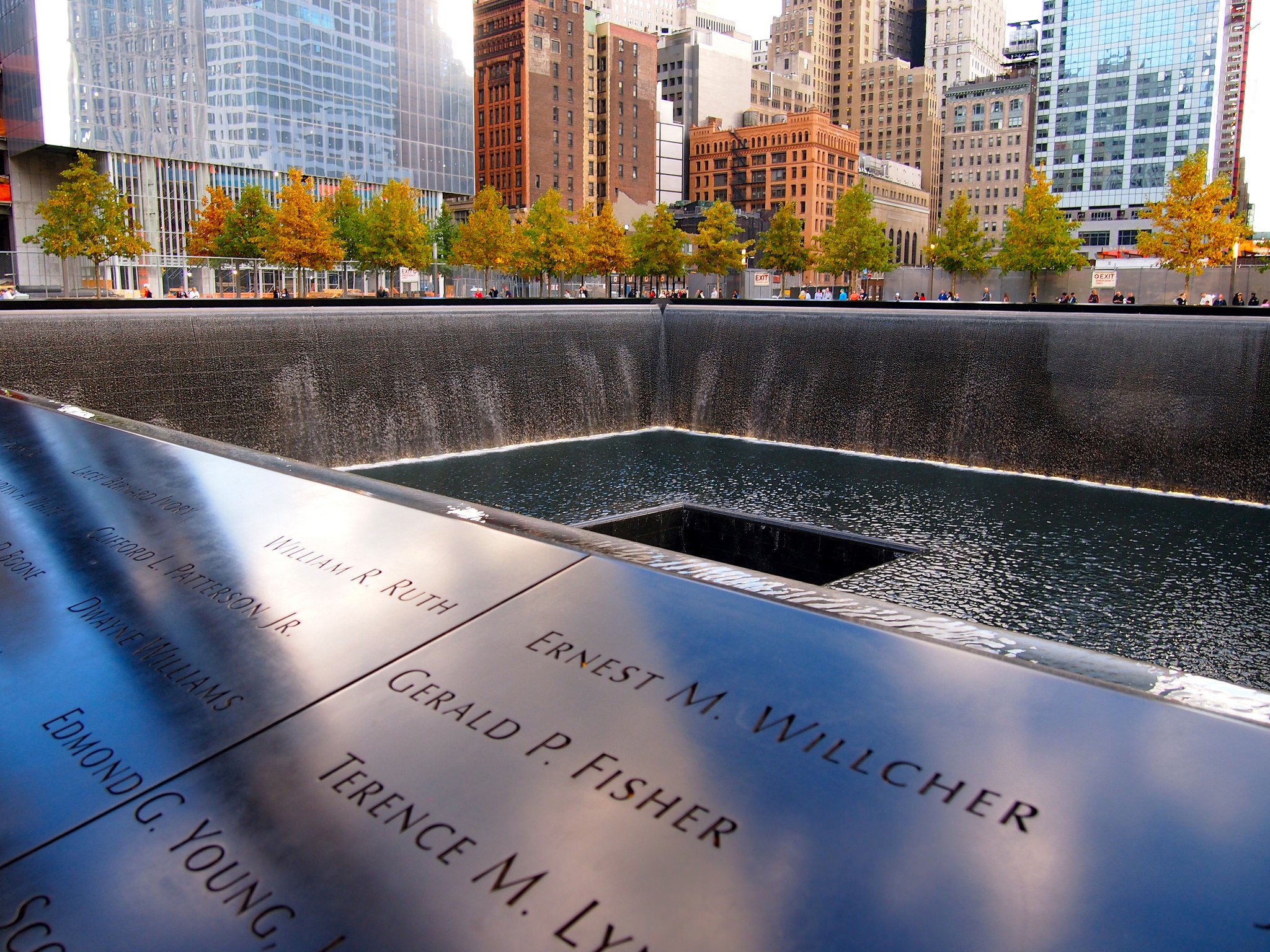
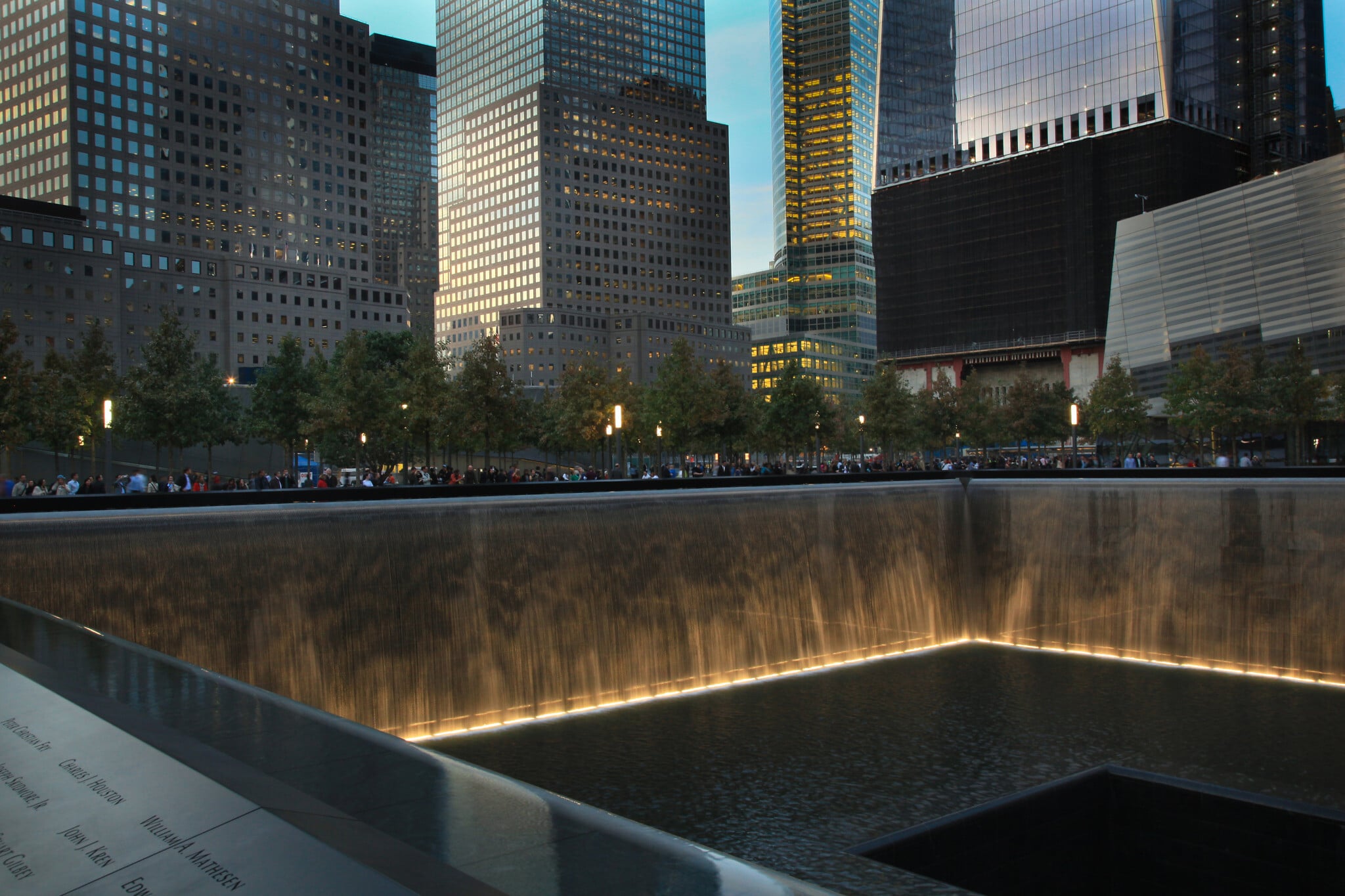
The centerpieces of the plaza are the Twin Reflecting Pools, each nearly an acre in size, sitting within the original footprints of the North and South Towers. These pools feature the largest man-made waterfalls in North America, with water cascading 30 feet down the sides before disappearing into a central void. The sound of the falling water is intentionally designed to mask the city's ambient noise, creating a contemplative atmosphere for reflection.
The names of the 2,983 victims are inscribed in bronze parapets surrounding the pools. Unlike traditional alphabetical listings, the names are arranged by "meaningful adjacencies." This complex layout groups people based on where they were during the attacks—such as those in the North Tower, on Flight 11, or first responders—and further refines the placement based on personal relationships and requests from family members. This ensures that coworkers, friends, and family members remain together in perpetuity. To assist visitors, electronic kiosks and mobile apps are available on-site to help locate specific names.
Exploring the 9/11 Museum Exhibits
Beneath the Memorial Plaza lies the 9/11 Museum, a 110,000-square-foot space that takes visitors on a journey through the events of the day, the lead-up to the attacks, and the aftermath. The museum's architecture is a feat of engineering, as it is situated largely within the original "bathtub" foundation of the World Trade Center.
The Historical Exhibition: September 11, 2001
This core exhibition is divided into three distinct chronological segments:
- Events of the Day: A minute-by-minute account of Tuesday, September 11, 2001, utilizing artifacts, images, videos, and first-person testimony to convey the scale of the tragedy.
- Before 9/11: This section provides historical context, examining the rise of Al-Qaeda and the 1993 World Trade Center bombing.
- After 9/11: This segment explores the global response, the recovery efforts at Ground Zero, and the ongoing impact on civil liberties and international security.
The Memorial Exhibition: In Memoriam
This gallery honors the lives of those killed in the 2001 and 1993 attacks. It features a "Wall of Faces" displaying photographs of the victims. Visitors can use touchscreens to learn about each individual’s life through photos, audio remembrances provided by loved ones, and brief biographies. This section serves as a reminder that the tragedy is defined not just by a number, but by thousands of individual human stories.
Foundation Hall and the Last Column
Foundation Hall is the museum's largest room, containing a massive portion of the Slurry Wall, the original retaining wall built to keep the Hudson River from flooding the World Trade Center site. In the center stands the "Last Column," a 36-foot-tall piece of steel that was the final object removed from the site during the recovery effort in May 2002. It is covered in inscriptions, memorials, and missing person posters placed there by recovery workers and families.
Essential Visitor Logistics and Requirements in 2026
Visiting the 911 Memorial and Museum requires planning, especially during peak tourist seasons. While the outdoor Memorial Plaza is free and open to the public, the Museum requires a paid ticket for entry.
Ticketing and Reservations
As of 2026, the Museum utilizes a timed-entry system to manage capacity and ensure a respectful experience. It is highly recommended to book tickets online at least two to four weeks in advance.
| Feature | Memorial Plaza (Outdoor) | 9/11 Museum (Indoor) |
|---|---|---|
| Admission Fee | Free | Paid (Approx. $30–$35 USD) |
| Operating Hours | 8:00 AM – 8:00 PM Daily | 9:00 AM – 7:00 PM (Closed Tue) |
| Reservations | Not Required | Highly Recommended |
| Security Check | No (General Public Space) | Yes (Airport-style Screening) |
| Average Time | 30–60 Minutes | 2–3 Hours |
| Photography | Permitted | Restricted in certain galleries |
Security Protocols
Every visitor to the Museum must pass through a security screening similar to that found at an airport. Large bags and backpacks are generally discouraged; however, a cloakroom is available for smaller items. Weapons, including small pocketknives, are strictly prohibited and will be confiscated.
Free Admission Opportunities
In 2026, the Museum continues its tradition of offering Free Admission Mondays for a limited number of visitors. These tickets are typically distributed online on a first-come, first-served basis starting on Monday mornings. Additionally, the Museum provides complimentary entry to 9/11 family members, first responders, and active-duty U.S. military personnel with valid identification.
The Survivor Tree and the Memorial Glade
Two significant features on the plaza offer a deeper look into the themes of resilience and the long-term health impacts of the attacks.
The Survivor Tree is a Callery pear tree that was recovered from the rubble of the World Trade Center in October 2001. At the time of its discovery, it was severely burned and had only one living branch. It was nursed back to health by the New York City Department of Parks and Recreation and replanted at the Memorial in 2010. Today, it stands as a living symbol of resilience and rebirth.
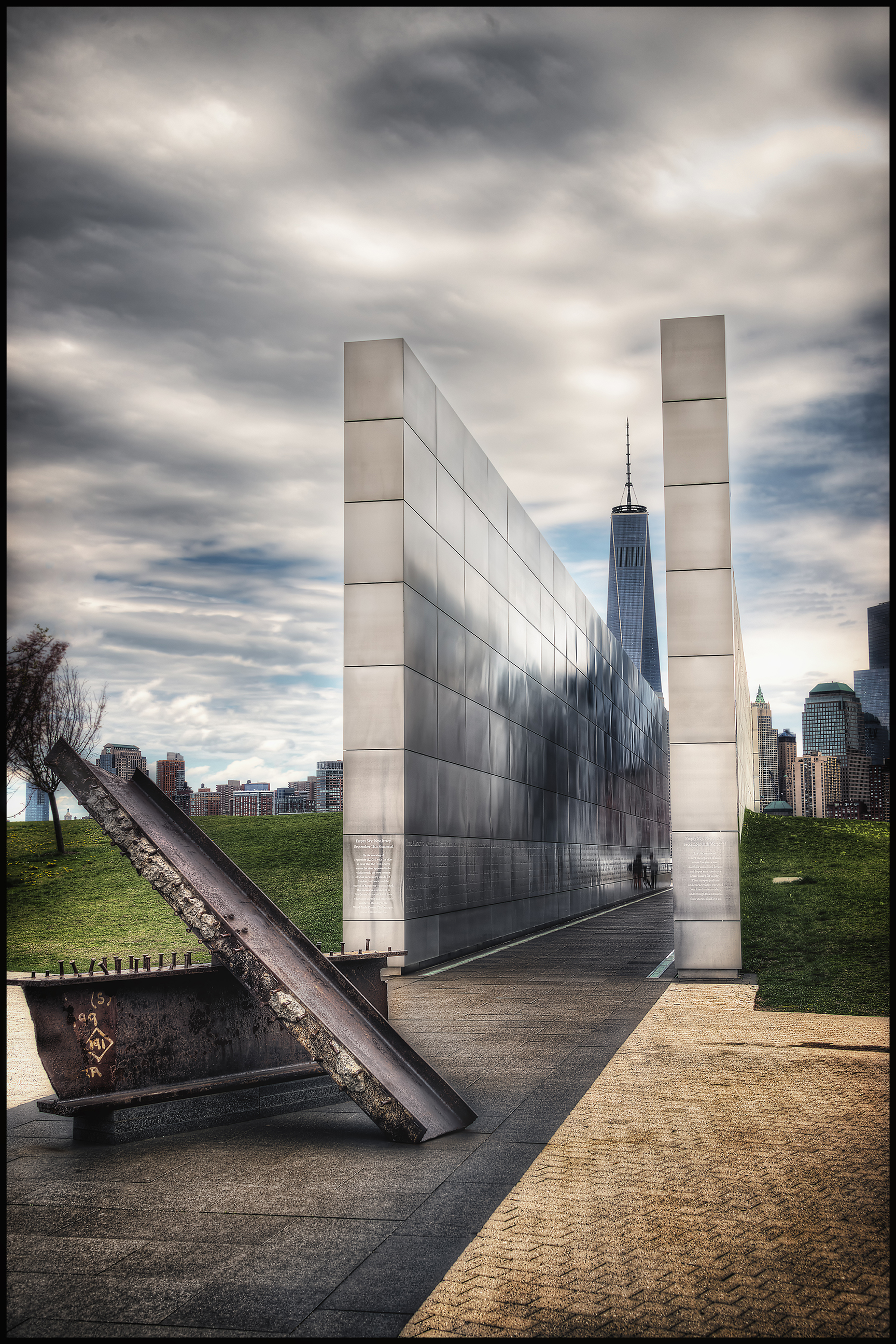
The Memorial Glade, dedicated in 2019, honors the tens of thousands of rescue, recovery, and relief workers, as well as the residents and office workers who have suffered from illnesses related to the toxins present at Ground Zero. The Glade consists of six large stone monoliths inlaid with remnants of World Trade Center steel, flanking a path that symbolizes the strength of the human spirit.
Transportation and Accessibility in Lower Manhattan
Reaching the 911 Memorial is straightforward due to its location at one of New York City's major transit hubs. The site is fully accessible to visitors with disabilities.
- Subway: The closest stations are World Trade Center (E Train), Cortlandt Street (R/W Trains), and Fulton Street (2, 3, 4, 5, A, C, J, Z Trains).
- PATH Train: The World Trade Center Transportation Hub (The Oculus) connects the site directly to Jersey City and Newark, New Jersey.
- Bus: Several MTA bus lines, including the M55, M20, and M22, stop within blocks of the Memorial.
- Accessibility: The Museum is fully ADA-compliant, offering elevators to all levels, wheelchair rentals at the information desk, and open-captioning on all video presentations. Assistive listening devices and Braille guides are also available upon request.
Official information regarding current transit schedules can be found at the MTA official website.
Etiquette and Respectful Conduct
The 911 Memorial and Museum is a site of profound grief and historical significance. Visitors are expected to maintain a level of decorum appropriate for a cemetery or a national monument.
- Noise Levels: While conversation is permitted, visitors are asked to keep their voices low, especially near the reflecting pools where families may be mourning.
- Photography: Photography for personal use is permitted on the Memorial Plaza and in most areas of the Museum. However, photography is strictly prohibited in the "In Memoriam" gallery and the Historical Exhibition to protect the privacy of victims' families and the integrity of the artifacts.
- Attire: There is no formal dress code, but respectful attire is encouraged.
- Prohibited Items: Eating, drinking (except bottled water), and smoking are prohibited inside the Museum. Professional photography equipment, such as tripods or commercial filming gear, requires prior authorization from the 9/11 Memorial & Museum press office.
Frequently Asked Questions
Can I visit the Memorial without buying a Museum ticket?
Yes. The outdoor Memorial Plaza, which includes the Twin Reflecting Pools, the Survivor Tree, and the Memorial Glade, is a public park and is free to visit. You only need a ticket if you wish to enter the underground Museum.
How much time should I allocate for a full visit?
To experience the Memorial Plaza and the Museum thoroughly, you should set aside at least three hours. The Museum alone typically takes two hours to navigate, as the exhibits are dense with information and media.
Is the Museum appropriate for young children?
The Museum's content is emotionally intense and historically graphic. While there is no age minimum, the Historical Exhibition may not be suitable for children under the age of 10. Parents are encouraged to preview the "Education" section of the official website for tips on discussing 9/11 with children.
Are there other 9/11 memorials I should visit?
While the New York City site is the largest, there are two other national memorial sites: the Pentagon Memorial in Arlington, Virginia, and the Flight 93 National Memorial in Shanksville, Pennsylvania. Both are managed by the National Park Service and provide critical context to the events of September 11.
Is the site open on the anniversary?
On September 11th, the Memorial Plaza is generally closed to the public for most of the day to accommodate the official commemorative ceremony for victims' families. It typically reopens to the public in the evening for the viewing of the Tribute in Light, two beams of light that project four miles into the sky in honor of the Twin Towers.
Next Steps: Finalizing Your Visit
If you are planning to visit the 911 Memorial and Museum in 2026, your first step should be to confirm the current hours of operation and secure your timed-entry tickets through the official 9/11 Memorial website. Given the site's popularity, arriving 15 minutes before your scheduled Museum entry time is advisable to clear security without rushing. For a more comprehensive experience, consider downloading the "9/11 Memorial Audio Guide" app before your arrival, which provides narrated tours of the plaza and museum galleries in multiple languages.