To get the full experience of the franchise, you should watch the original 9-1-1 (Los Angeles) up through the end of Season 3 before starting 9-1-1: Lone Star. For the specific wildfire crossover event, you must watch 9-1-1 Season 4, Episode 3 followed by 9-1-1: Lone Star Season 2, Episode 3 to maintain chronological continuity and character development.
The 9-1-1 franchise, created by Ryan Murphy, Brad Falchuk, and Tim Minear, has evolved into a massive television universe since its debut. By 2026, with both the original series and its Austin-based spin-off, Lone Star, boasting multiple seasons and complex character arcs, new viewers often feel overwhelmed by the sheer volume of content. While each show is designed to stand on its own, the crossovers provide a unique layer of depth that is best appreciated in a specific order.
Understanding the timeline is not just about avoiding spoilers; it is about witnessing the growth of the first responders in a way that aligns with the writers' intentions. The original series sets the procedural and emotional template, while Lone Star expands that universe into new territory.
Understanding the Foundations: 9-1-1 (Los Angeles)
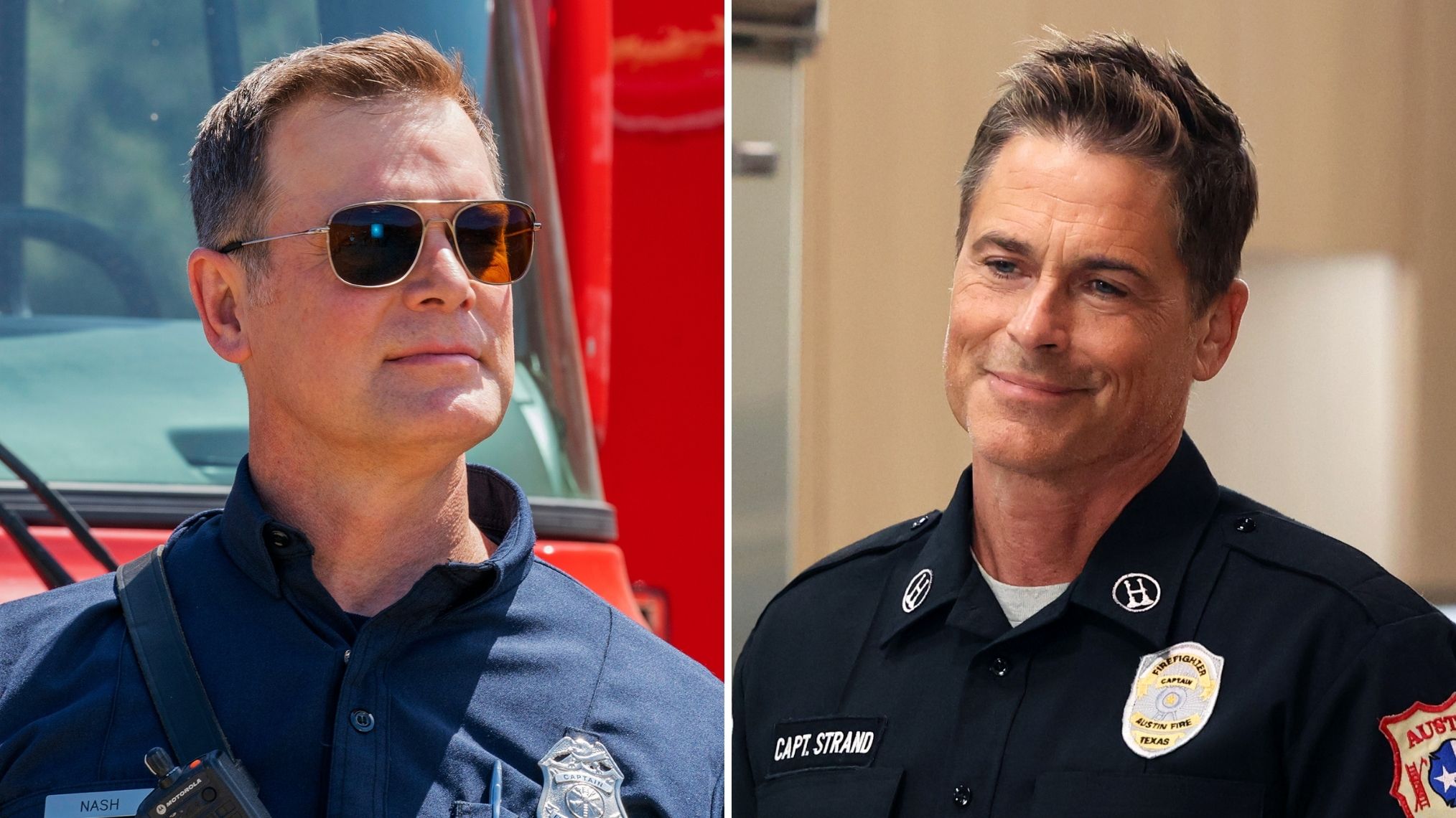
The original 9-1-1 premiered in 2018, focusing on the high-pressure experiences of police officers, firefighters, and dispatchers in Los Angeles. The series is anchored by powerhouse performances from Angela Bassett (Athena Grant) and Peter Krause (Bobby Nash). From the beginning, the show established a "go big or go home" philosophy, featuring massive disasters like earthquakes, tsunamis, and dam breaks.
Watching the original series first is essential because it establishes the lore of the "118" firehouse. Characters like Evan "Buck" Buckley, Henrietta "Hen" Wilson, and Howie "Chimney" Han become the emotional core of the franchise. Their backstories, which are explored through dedicated "Begins" episodes, provide the context needed to appreciate their interactions with the Texas crew later on.
By the time you reach the third season of the original series, the production team was ready to expand. This led to the creation of 9-1-1: Lone Star, which moved the action to Austin, Texas. While the spirit remains the same, the aesthetic and cultural nuances of the two shows are distinct.
The Rise of 9-1-1: Lone Star (Austin)
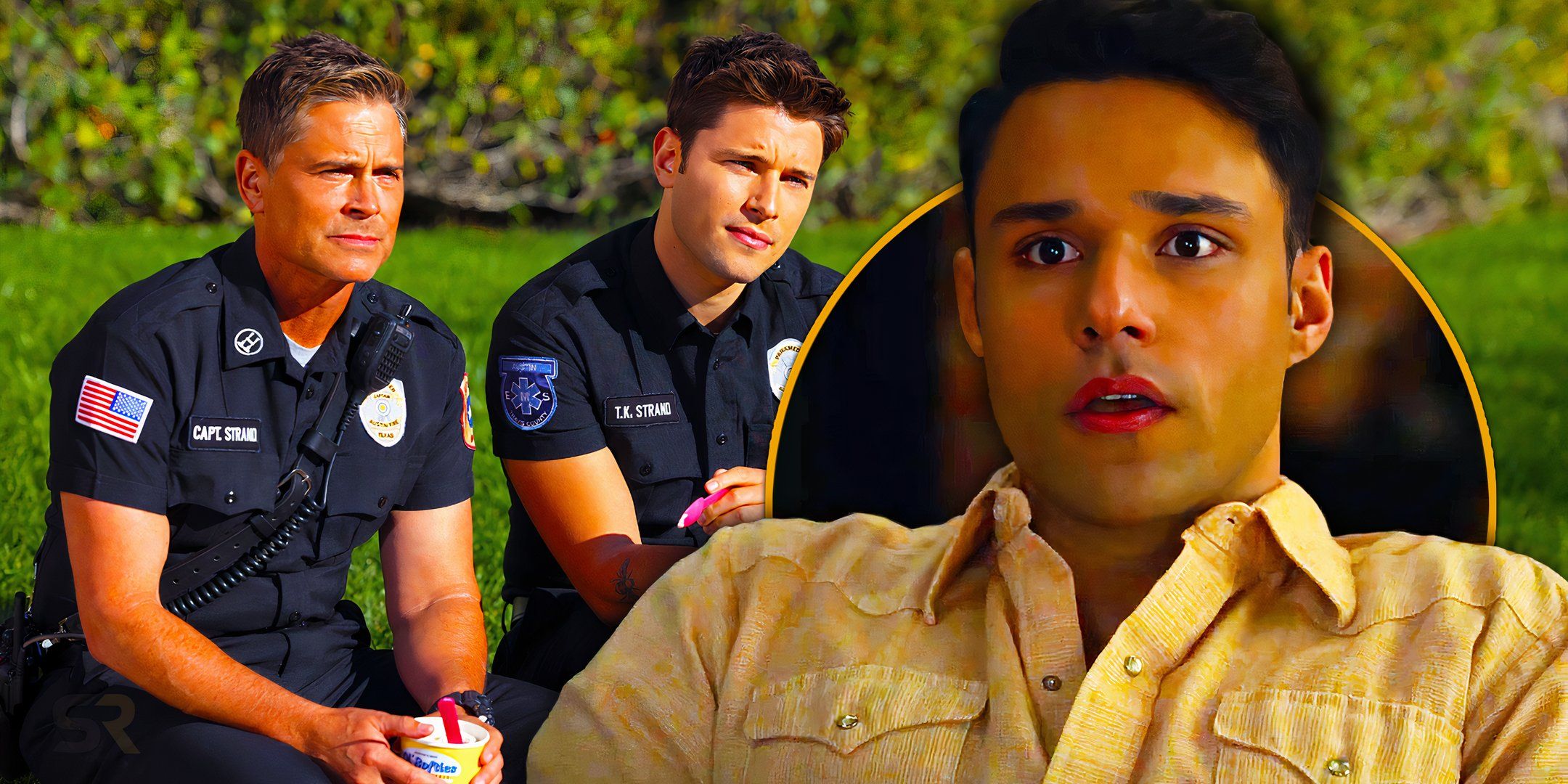
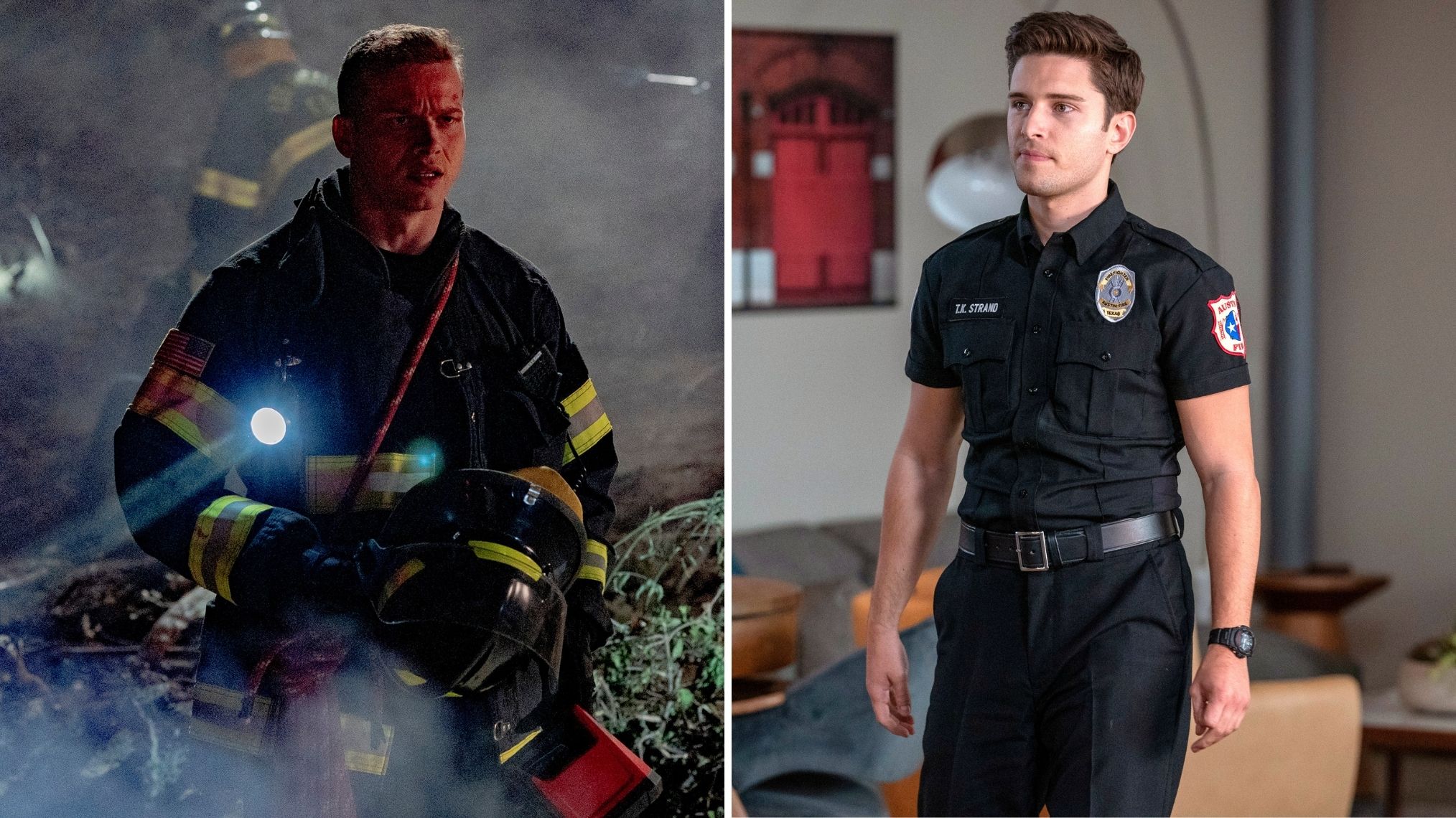
9-1-1: Lone Star launched in early 2020, starring Rob Lowe as Owen Strand, a sophisticated New York fire captain who relocates to Austin to rebuild a firehouse following a tragedy. Unlike the ensemble-heavy start of the original, Lone Star initially focused heavily on Owen and his son T.K. (played by Ronen Rubinstein), though it quickly evolved into a rich ensemble piece featuring fan favorites like Grace and Judd Ryder.
The spin-off introduced different dynamics, such as the intersection of traditional Texan values with a rapidly modernizing city. It also leaned into specific types of emergencies—wildfires, dust storms, and ice storms—that reflect the Texas landscape. If you watch Lone Star without having seen the original, you won't miss any critical plot points for the first season, but you will miss the "DNA" of the franchise that informs how the 126 operates.
The Definitive Chronological Viewing Guide
For viewers who want to see every character interaction in the order they occurred, the following timeline is the gold standard. As of 2026, the franchise has a significant number of episodes, but following this structure ensures you never encounter a "how did they get there?" moment.
| Viewing Phase | Show Title | Seasons/Episodes | Why This Order? |
|---|---|---|---|
| Phase 1 | 9-1-1 (Original) | Seasons 1, 2, & 3 | Establishes the universe, the 118 crew, and the scale of emergencies. |
| Phase 2 | 9-1-1: Lone Star | Season 1 | Introduces the 126 in Austin. Can be watched concurrently with 9-1-1 Season 3. |
| Phase 3 | 9-1-1 (Original) | Season 4, Eps 1–3 | Sets the stage for the global/national events happening in the timeline. |
| Phase 4 | The Crossover | Lone Star S2, Ep 3 | "Hold the Line" - Buck, Hen, and Eddie from LA travel to Austin to help with a wildfire. |
| Phase 5 | Both Shows | Subsequent Seasons | Alternate between seasons or watch blocks of 5 episodes to keep timelines aligned. |
Deep Dive: The "Hold the Line" Crossover Event
The most significant crossover in the franchise occurs in the third episode of Lone Star's second season, titled "Hold the Line." In this episode, a massive wildfire breaks out in Texas, and several members of the LA 118—specifically Buck, Hen, and Eddie—are sent to assist.
This event is the primary reason why viewers should watch the original series first. The emotional payoff of seeing Buck and T.K. interact, or Hen sharing a professional bond with the Austin paramedics, is much higher if you have spent three seasons learning about the LA crew's struggles. For example, Eddie Diaz’s perspective as a fellow Texan returning to his home state adds a layer of unspoken narrative that only long-time viewers of the original will fully grasp.
Crucially, while the characters from the original series appear in Lone Star, the reverse rarely happens in a formal "event" capacity. The LA crew are the "visitors," making their show the foundational text of the crossover.
Subtle Intersections and Cameos
Beyond the major wildfire event, the two shows share a "connective tissue" that rewards attentive viewers. These are not full crossovers but small moments that unify the universe:
- Voice Cameos: Angela Bassett’s Athena Grant has appeared via phone calls or dispatch recordings in Lone Star, providing a sense that the two cities are connected by more than just a title.
- Shared Tragedies: Both shows occasionally reference the same large-scale national events, such as the pandemic or specific weather patterns moving across the country.
- The "Pepper" Connection: Even animals have crossed over! A dog featured in one show has made a guest appearance in the other, a small nod to the fans who watch every episode.
If you skip the original and go straight to Lone Star, these moments will simply fly over your head. While they don't break the plot, they enrich the world-building that Ryan Murphy’s team is known for.
Technical Depth: Production and Tonal Differences
When choosing which to watch first, it is also worth considering the technical and tonal evolution of the franchise. The original 9-1-1 on ABC (formerly FOX) has a slightly more "operatic" feel. The emergencies are often surreal and symbolic. The cinematography in LA uses a bright, high-contrast palette to reflect the California sun.
Lone Star, by comparison, often feels a bit more grounded in character-driven drama, particularly in its middle seasons. The color grading leans toward warmer, "dustier" tones to match the Austin aesthetic. By watching the original first, you see the evolution of the "9-1-1 style." You can see how the directors and cinematographers took what worked in LA and refined it for the Texas setting.
Furthermore, the original series had a higher turnover of secondary characters in its early years, which helped the writers learn how to build a more stable ensemble for Lone Star from the jump. Starting with the original allows you to appreciate the growth of the franchise's storytelling capabilities.
Common Viewing Mistakes to Avoid
Many new fans make the mistake of watching the "Hold the Line" crossover episode as a standalone piece of media because it is highly rated. This is a mistake for two reasons:
- Character Spoilers: The crossover episode contains minor spoilers regarding the relationship statuses and professional ranks of the characters from the original series.
- The Emotional Gap: The stakes of a wildfire are high, but the stakes of Hen or Buck being in danger are only high if you have seen them survive the tsunami or the ladder truck bombing in the original series.
Another common error is trying to watch both shows episode-by-episode in a "zigzag" fashion from the very beginning. This is unnecessary and can be exhausting. The best approach is to treat the first three seasons of the original 9-1-1 as a "Prologue" to the expanded universe.
Why the Original Series Still Holds the Crown
While Lone Star has a massive following and has arguably some of the best individual character arcs (such as the journey of Grace Ryder), the original 9-1-1 remains the flagship for a reason. Its ability to balance massive spectacles with intimate character moments—like Athena’s complex relationship with her family—set a bar that is rarely reached in procedural television.
Starting with the original series ensures that you are grounded in the core philosophy of the franchise: that the people who answer the call are just as broken and heroic as the people they are saving. This theme is the heartbeat of every crossover and every spin-off episode.
Frequently Asked Questions
Do I need to watch the original 9-1-1 to understand 9-1-1: Lone Star?
No, you can understand the plot of Lone Star without seeing the original. The storylines are independent, and the Austin characters are introduced with their own complete backstories. However, you will miss the context of the crossover episodes and the shared universe references that make the franchise more enjoyable.
Which crossover episode is the most important?
The most important crossover is 9-1-1: Lone Star Season 2, Episode 3, "Hold the Line." It features the most significant character interactions and has the largest impact on the "world-building" between Los Angeles and Austin.
Are there any crossovers after 2024?
While there have been smaller cameos and mentions, the frequency of major crossovers decreased slightly due to the shows moving to different networks (9-1-1 moved to ABC, while Lone Star remained on FOX). However, by 2026, producers have occasionally found ways to allow characters to interact through shared "universe events" or phone calls.
Should I watch the shows in order of release?
Yes, release order is generally the best way to experience the franchise. This means starting with 9-1-1 Season 1 (2018) and following the timeline until Lone Star premieres during the original's third season.
Is there a specific character that links both shows?
There is no single character who is a series regular on both, but characters like Buck (Oliver Stark) and Hen (Aisha Hinds) are the most frequent "bridge" characters who appear or are mentioned across the two shows.
Final Recommendation for New Viewers
If you are starting your journey into the 9-1-1 universe in 2026, begin with the original 9-1-1 (Los Angeles) Season 1. Resist the urge to jump straight into the crossover or the spin-off. Allow yourself to grow with the 118 crew for the first three seasons. Once you reach the mid-point of Season 3, introduce 9-1-1: Lone Star Season 1 into your rotation. By the time you reach the wildfire crossover in Lone Star Season 2, the arrival of the LA firefighters in Austin will feel like a major cinematic event rather than just another episode. This "Original-First" strategy provides the most rewarding emotional arc and ensures you catch every nuance the writers have hidden in this expansive procedural world.