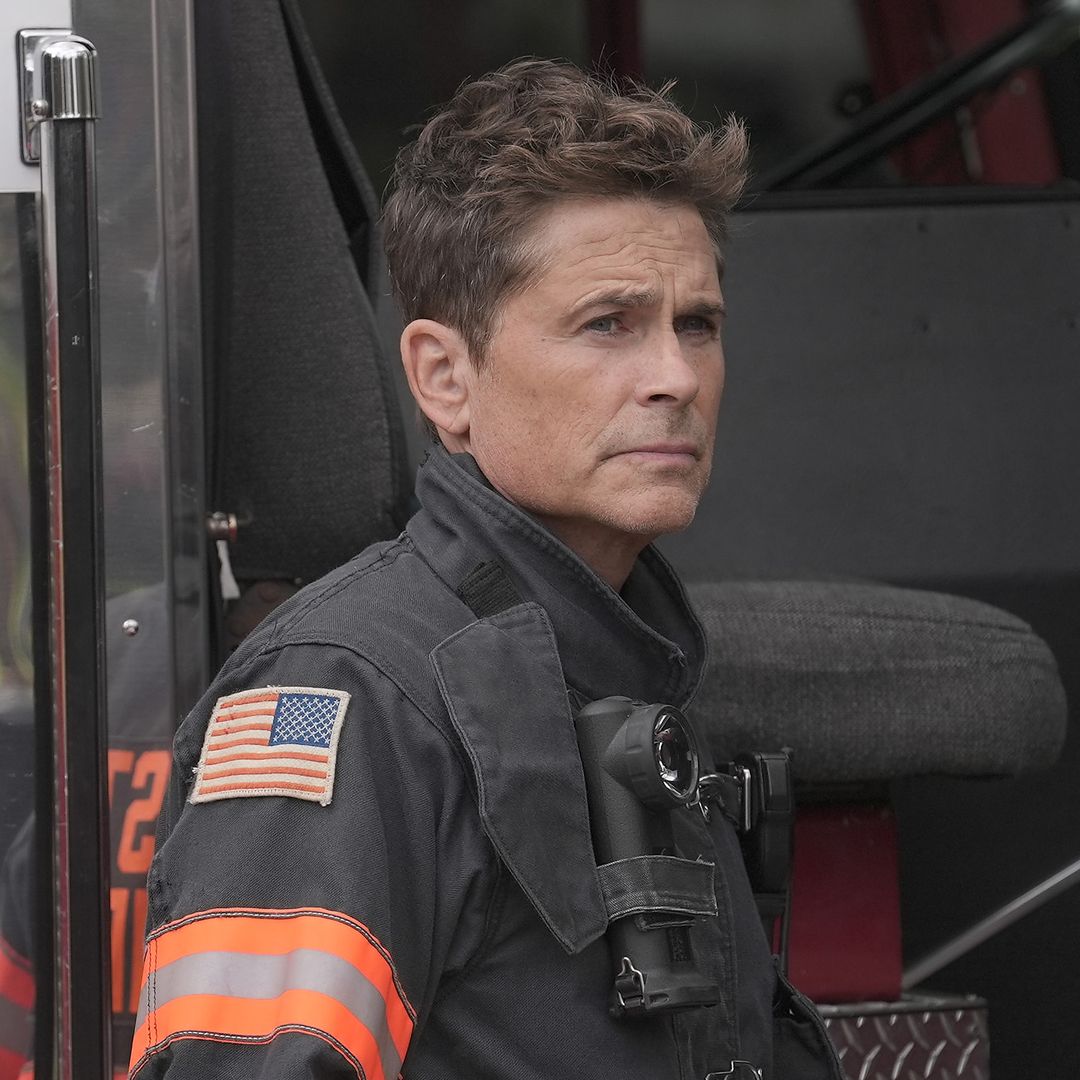
Charles Vega died unexpectedly in the penultimate episode of 9-1-1: Lone Star Season 2 due to a sudden brain aneurysm. While his death occurred off-screen between scenes, it was confirmed in the Season 2 finale, "Dust to Dust," after his wife, Tommy Vega, found him unresponsive in their kitchen.
The sudden departure of Charles Vega remains one of the most emotional turning points in the history of the 9-1-1 franchise. As a character who represented stability, warmth, and the modern "stay-at-home dad" dynamic, his loss resonated deeply with the audience. To understand what really happened, one must look at both the narrative choices made by the writers and the real-world professional commitments of the actor, Derek Webster.
The Shocking Narrative: How Charles Vega Died
The events leading to Charles Vega’s death were intentionally quiet, contrasting with the high-octane explosions and rescues typical of the series. In Season 2, Episode 13, titled "One Day," the primary focus was on a tense situation at a hospital. However, the B-plot involved Tommy Vega (played by Gina Torres) returning home after an exhausting shift.
Upon entering her home, Tommy found Charles sitting in a chair in the kitchen. At first, it appeared he had simply fallen asleep while waiting for her. However, as she approached, she realized he was unresponsive. Despite her years of medical training as a paramedic captain, Tommy’s efforts to assess and revive him were futile. The episode ended on a haunting cliffhanger, with Tommy calling 911—not as a first responder, but as a grieving wife.
The Season 2 finale, "Dust to Dust," provided the definitive answer. The medical examiner confirmed that Charles suffered a ruptured brain aneurysm. This medical event is often referred to as a "silent killer" because it can occur without prior symptoms or warning signs. In the context of the show, this specific cause of death served a dual purpose: it explained why a seemingly healthy man in the prime of his life could die so suddenly, and it highlighted the helplessness even the most skilled medical professionals feel when faced with such an event.
Why Did Derek Webster Leave 9-1-1: Lone Star?
In the world of television production, character deaths are rarely accidental. When a series regular like Derek Webster exits a show, it is usually the result of contract negotiations, creative shifts, or competing opportunities. For 9-1-1: Lone Star, the "what really happened" behind the scenes was a combination of actor availability and narrative evolution.
Derek Webster, a seasoned character actor known for his work in Star Trek: Picard and NCIS: New Orleans, had secured a significant role in another major production. At the time of his departure from Lone Star, Webster had joined the cast of the Paramount+ series Mayor of Kingstown, starring alongside Jeremy Renner. Balancing the filming schedules of two major television dramas is often logistically impossible for an actor, leading to the decision to write Charles Vega out of the script.
Showrunner Tim Minear has noted in various interviews that while losing Webster was a blow to the cast's chemistry, it presented a "beautifully tragic" opportunity for Gina Torres’s character. By removing the safety net of Tommy’s stable home life, the writers were able to explore the complexities of grief, single motherhood, and the struggle to remain a leader in a high-stress environment while personal life is in shambles. As of 2026, this arc remains one of the most praised performances in Torres's career.
The Medical Reality of Brain Aneurysms
The show’s choice of a brain aneurysm as the cause of death is grounded in medical reality, which adds a layer of relatability for viewers who have experienced similar sudden losses. A cerebral aneurysm is a weak spot in a blood vessel in the brain that bulges and fills with blood. If it ruptures, it causes a subarachnoid hemorrhage, which is a life-threatening type of stroke.
| Feature | Details of Charles Vega’s Medical Event |
|---|---|
| Medical Condition | Ruptured Cerebral Aneurysm |
| Symptom Onset | Sudden and asymptomatic prior to rupture |
| Likelihood of Survival | Approximately 50% of cases are fatal immediately |
| Portrayal Accuracy | High; reflects the "silent" nature of the condition |
| Narrative Utility | Used to facilitate a sudden character exit without a long illness arc |
In the series, the suddenness was the point. There were no long hospital vigils or "goodbye" scenes. This forced the character of Tommy Vega to process the trauma in real-time, mirroring the experience of many who lose loved ones to cardiovascular or neurological events. The lack of closure for Tommy became a central theme in subsequent seasons, as she navigated the "new normal" of her life.
Narrative Impact: Life After Charles
The death of Charles Vega didn't just end a character's journey; it redefined the trajectory of the 126. Tommy Vega had only recently returned to the workforce after a hiatus to raise her daughters. Charles was the anchor that allowed her to pursue her career as a Paramedic Captain. His death forced a total reorganization of her family life and brought her closer to her colleagues, specifically Judd and Grace Ryder.
The bond between the Vegas and the Ryders was a cornerstone of the show's civilian-life segments. Following Charles's death, the show explored the "widowhood" experience with a level of nuance rarely seen in procedural dramas. We saw Tommy struggle with the "phantom" presence of her husband, the difficulty of explaining death to young children, and the eventual, hesitant steps toward dating again in later seasons.
By 2026, looking back at the series' progression, it is clear that Charles’s death served as the catalyst for Tommy’s most profound growth. It transformed her from a talented paramedic into a resilient survivor, a transition that deepened the audience's emotional investment in the show.
Comparing Character Deaths in the 9-1-1 Universe
The 9-1-1 franchise is known for its high stakes, but major character deaths are relatively infrequent compared to other dramas. This makes the loss of Charles Vega even more significant.
- Charles Vega (Lone Star): Died of natural causes (aneurysm). Impact: Deepened the emotional stakes for Tommy Vega and highlighted the fragility of life outside of work.
- Gwyneth Morgan (Lone Star): Died in a freak accident involving a delivery driver. Impact: Forced Owen Strand to confront his past and his relationship with their son, T.K.
- Shannon Diaz (9-1-1): Died in a car accident. Impact: Reshaped Eddie Diaz’s journey as a single father and his future romantic prospects.
- Marcy Nash (9-1-1): Died in an apartment fire prior to the series start. Impact: Formed the foundational trauma for Bobby Nash’s character arc.
Charles Vega’s death stands out because it was one of the few instances where a beloved supporting character died of internal medical issues rather than a traumatic external event like a fire or a crash. This choice made the tragedy feel more intimate and "real" to many viewers.
Frequently Asked Questions
Did Charles Vega have any symptoms before he died?
No, the show explicitly portrayed his death as sudden and asymptomatic. This is consistent with many real-world cases of brain aneurysms, where the individual appears perfectly healthy until the moment of rupture. The lack of warning signs added to the shock for both the characters and the audience.
Was Derek Webster fired from 9-1-1: Lone Star?
No, Derek Webster was not fired. His departure was a creative decision influenced by his casting in the series Mayor of Kingstown. Character exits in long-running procedurals are often the result of actors seeking new opportunities or showrunners looking to shake up the narrative status quo.
In which episode does Charles Vega die?
Charles Vega’s death occurs at the end of Season 2, Episode 13, "One Day." His death is formally confirmed and the aftermath is dealt with in Season 2, Episode 14, "Dust to Dust."
Does Charles Vega ever return to the show?
While the character is deceased, Charles has appeared in the form of memories and is frequently mentioned by Tommy and their daughters. In the world of 9-1-1: Lone Star, his legacy continues through the "Charles Vega Memorial" themes explored in Tommy's later story arcs, though he does not return via "ghost" sequences or supernatural tropes.
How did Tommy Vega handle the death in the long term?
Tommy’s journey through grief was a multi-season arc. She initially struggled with anger and loneliness, but with the support of the 126 family, she eventually found a balance between honoring Charles’s memory and moving forward with her own life, including a return to dating and continued excellence in her professional role.
Final Recommendation for Fans
For those revisiting the series in 2026, the episodes "One Day" and "Dust to Dust" remain essential viewing for understanding the emotional backbone of the later seasons. If you are a viewer who appreciates deep character development over mere action, pay close attention to Gina Torres’s performance in the wake of Charles’s death. It provides a masterclass in portraying "functional grief"—the act of holding a life together while falling apart inside. For further context on brain health and the realities of aneurysms, consulting official medical resources like the Brain Aneurysm Foundation can provide additional perspective on the "silent killer" that took Charles Vega.