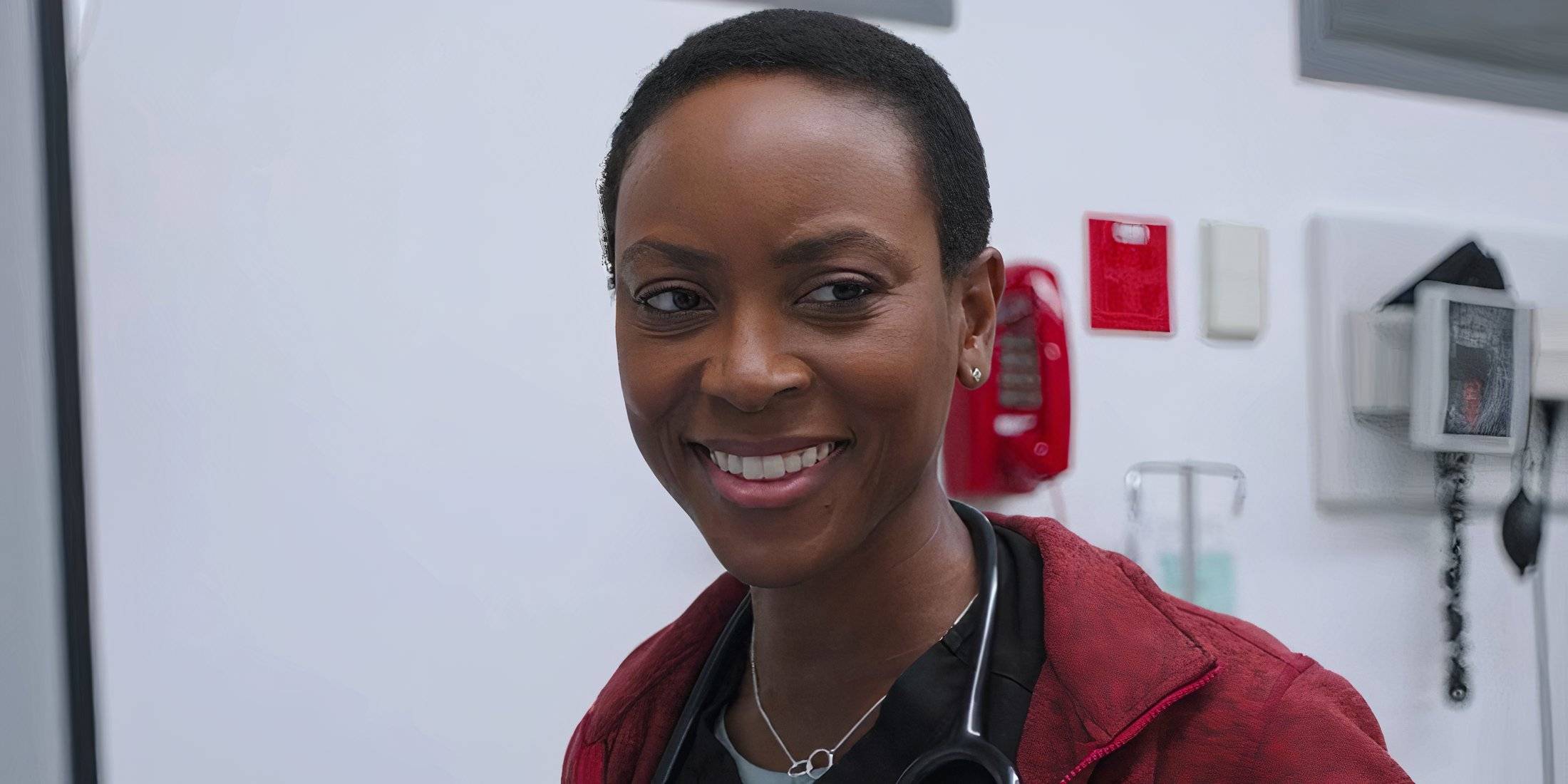
In the procedural drama 9-1-1, Henrietta "Hen" Wilson does not die, despite several high-stakes episodes that suggest otherwise. The "real-life tragedy" often associated with her character refers to a Season 3 storyline where Hen is involved in a fatal ambulance collision that kills a young musician, a plot inspired by the very real and frequent accidents involving emergency vehicles in the United States.
As of 2026, Henrietta Wilson remains a cornerstone of the 118 crew. However, the recurring searches regarding her "death" or "real-life tragedy" stem from the show's habit of placing her in life-threatening situations and its commitment to portraying "ripped from the headlines" scenarios. To understand the gravity of these storylines, one must look at the specific narrative arc that redefined her character and the sobering real-world statistics that provide the show with its dramatic foundation.
The Season 3 Incident: A Narrative Turning Point
The most significant "tragedy" in Hen Wilson’s career occurred in the Season 3 episode titled "Malfunction." While transporting a patient, Hen is driving the ambulance through an intersection with lights and sirens active. A technical malfunction in the city's traffic control system causes a green light to be displayed for both the ambulance and cross-traffic. This leads to a devastating collision between the ambulance and a passenger car driven by Evelyn, a young cellist.
Unlike many television dramas where main characters walk away from accidents unscathed, 9-1-1 chose to lean into the tragedy. Evelyn died from her injuries, and the subsequent episodes focused heavily on Hen’s psychological trauma and the legal investigations that followed. This arc was not about Hen’s physical death, but rather the death of her confidence and the moral weight of a first responder causing the very harm they are sworn to prevent.
The "real-life" aspect of this tragedy is the phenomenon known as "The Second Victim." This term refers to healthcare providers or first responders who become traumatized by an unanticipated adverse patient event or a medical error. The show meticulously documented Hen's withdrawal, her questioning of her vocation, and the intense scrutiny from the Department of Transportation and the LAPD.
Is Henrietta Wilson Based on a Real Person?
One of the most common points of confusion for viewers is whether Henrietta Wilson is a fictionalized version of a specific real-life paramedic. While the show creators often draw inspiration from viral videos, news reports, and actual 911 call transcripts, Hen Wilson is an original character created for the series. She was designed to represent the intersectionality of being a Black woman and a lesbian in a traditionally male-dominated field, providing a lens through which the show explores social and professional barriers.
However, the "tragedy" of the ambulance crash was designed to mirror real-world concerns regarding emergency vehicle safety. According to data from the National Highway Traffic Safety Administration (NHTSA), there are thousands of accidents involving ambulances annually. The show used Hen’s storyline to highlight how even the most experienced drivers are susceptible to system failures and the chaotic nature of urban transit.
By 2026, the character has navigated numerous other "tragedies," including the death of her mother and various near-death experiences on the job. These plot points are often conflated in social media discussions, leading to the persistent (but incorrect) belief that the character has been killed off.
Real-World Context: Emergency Vehicle Collisions
The reason the "Hen dies" rumors persist is that the tragedy portrayed in 9-1-1 is a daily reality for many departments. The show’s writers intentionally blurred the lines between fiction and reality to raise awareness about the risks first responders take.
Statistics regarding ambulance accidents provide a sobering context for why viewers find Hen's storylines so impactful:
| Category | Annual Estimate (U.S.) | Key Factor |
|---|---|---|
| Total Ambulance Crashes | ~4,500 - 6,500 | High-speed transit and intersection navigation. |
| Injuries per Year | ~2,600 | Majority of injuries occur in the rear patient compartment. |
| Fatalities | ~33 | Includes crew, patients, and occupants of other vehicles. |
| Intersection Accidents | 60% of total | "Siren blindness" and conflicting traffic signals. |
These figures explain the "real-life tragedy" better than any single biography could. When 9-1-1 depicts Hen struggling with the aftermath of Evelyn’s death, it is reflecting the experiences of the roughly 30-40 families per year who lose a loved one in such incidents, as well as the drivers who must live with that burden.
Why Fans Often Think Hen Has Died
The confusion surrounding Hen’s survival status often boils down to "cliffhanger culture" and the high turnover rate of characters in procedural dramas. Hen has had several brushes with death that felt final to the audience at the moment:
- The Bridge Collapse: In Season 2, Hen was trapped under a collapsed highway. The episode ended with her status unknown, leading to a week of speculation that she had died.
- The Ambulance Flip: In the Season 5 finale, an ambulance crash once again put her life in jeopardy, echoing the trauma of the Season 3 accident.
- The Lab Explosion: More recently, Hen has been involved in high-stakes rescues involving hazardous materials and explosions where the visual effects suggested a low probability of survival.
Furthermore, the actress Aisha Hinds is a sought-after talent. Whenever a lead actor takes on a new project, "death" rumors circulate as fans assume they are leaving the show. However, Hinds has remained committed to the role, and the writers have consistently used these near-death experiences to deepen her character's resilience rather than to write her out.
The Psychological Depth of "The Tragedy Explained"
To truly explain the tragedy associated with Hen, one must look at the theme of "Survivor’s Guilt." Throughout the series, Hen often carries the weight of those she couldn't save. This is a common trait among long-term paramedics, often leading to burnout or PTSD.
The Season 3 accident was unique because it wasn't a failure of skill, but a failure of the system (the traffic lights). This highlights a specific type of tragedy: the loss of agency. Hen did everything right—she was trained, she was alert, and she was responding to an emergency—yet a young woman still died. This narrative choice was a sophisticated way for the show to move beyond "hero" tropes and explore the messy, often unfair reality of emergency medicine.
In the 2026 landscape of television, 9-1-1 continues to be praised for this grounded approach. By focusing on the emotional aftermath rather than just the spectacle of the crash, the show honors the real-life first responders who deal with the psychological scars of their profession long after the sirens have stopped.
Frequently Asked Questions
Did Hen Wilson die in the Season 7 or Season 8 premiere?
No, Henrietta Wilson is alive. While the premieres of later seasons often feature massive disasters (such as the cruise ship disaster or the "bee-nado"), Hen has successfully survived these events. As of 2026, she remains a primary character and a leader within the 118.
Is the actress who plays Hen, Aisha Hinds, leaving 9-1-1?
There has been no official announcement regarding Aisha Hinds leaving the show. While she frequently works on other film and television projects, she has maintained her series regular status on 9-1-1. The rumors of her departure are usually fueled by intense storylines involving her character's safety.
What was the "real-life tragedy" the show was based on?
The show is not based on a single tragedy but is a compilation of various real-life incidents. The accident involving Hen and the cellist was inspired by the real-world dangers of "Opticom" (traffic light preemption) system failures and the high incidence of ambulance crashes at intersections.
Does Hen lose her job after the fatal accident?
After the investigation into Evelyn’s death, Hen was cleared of criminal wrongdoing because the accident was caused by a city-wide signal malfunction. However, she faced a lengthy internal review and personal struggle before returning to the field.
How many times has Hen almost died?
Hen has faced near-death scenarios at least five times, including being trapped in a collapsed building, being involved in two major ambulance crashes, a shooting incident, and a laboratory explosion. Her survival is a testament to the character’s "indestructible" reputation among the fanbase.
Is there a real 911 operator named Henrietta who died?
There is no widely publicized case of a real-life 911 operator or paramedic named Henrietta Wilson whose death served as the basis for this show. The name and specific character traits are fictional, though her experiences are representative of real-world first responders.
Recommended Next Actions for Fans
For those looking to understand the reality behind the drama, exploring the resources provided by the National Volunteer Fire Council (NVFC) or the First Responder Center for Excellence can provide insight into the mental health challenges and safety protocols mentioned in the show.
If you are watching the series for the first time or re-watching the 2026 updates, pay close attention to the episodes "Malfunction" (3x08) and "The Searchers" (3x09). These episodes offer the most comprehensive look at the tragedy that defined Hen’s mid-series development. Additionally, following official social media channels for 9-1-1 on ABC (or its current 2026 streaming platform) is the best way to stay informed about character statuses and avoid falling for "death" hoaxes that frequently circulate on TikTok and X.