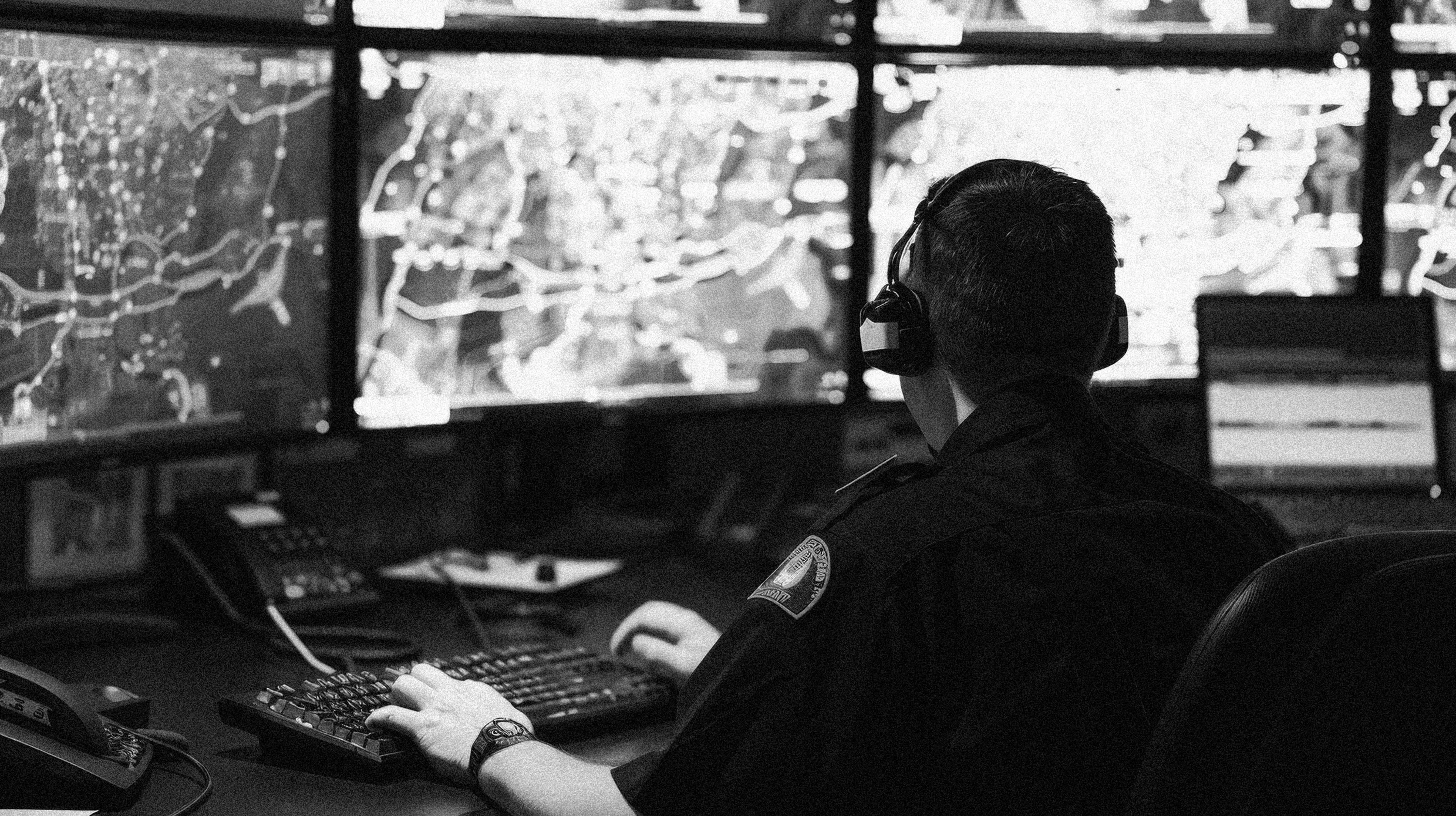
When you dial 911, your call is routed through a specialized emergency network to a Public Safety Answering Point (PSAP). A trained dispatcher identifies your location, determines the nature of the emergency, and coordinates the dispatch of police, fire, or medical services while providing life-saving instructions over the phone.
The 911 system is the cornerstone of emergency response in North America, acting as a critical bridge between citizens in distress and the professional services designed to protect them. While the simple act of dialing three digits remains unchanged, the underlying technology has undergone a massive transformation. As of 2026, the transition from legacy analog systems to Next Generation 911 (NG911) has fundamentally altered how data, location, and voice are transmitted to emergency responders. Understanding how these calls function—from the moment the "send" button is pressed to the arrival of first responders—is essential for public safety and effective emergency management.
The Evolution of 911 Infrastructure: From Analog to NG911
The history of 911 began in 1968, but the architecture supporting it has evolved through three distinct phases. Originally, 911 was a simple "Basic 911" service that connected a caller to a central location without providing any identification or location data. This was followed by "Enhanced 911" (E911), which introduced Automatic Number Identification (ANI) and Automatic Location Identification (ALI). E911 relied on traditional circuit-switched landline technology, which matched the caller’s phone number against a database of physical addresses.
By 2026, the industry standard has shifted toward Next Generation 911 (NG911). This is an internet-based (IP-based) system that replaces the aging copper-wire infrastructure. Unlike its predecessors, NG911 allows the emergency system to receive not just voice calls, but also photos, videos, and text messages. This transition was necessitated by the ubiquity of mobile devices and Voice over Internet Protocol (VoIP) services, which do not have a fixed physical address associated with the hardware. NG911 uses a Managed Emergency Services IP Network (ESInet) to route calls based on the caller’s actual geographic coordinates rather than a billing address.
The shift to NG911 also improves system resiliency. In the event of a natural disaster that disables a local PSAP, an IP-based system allows calls to be instantly rerouted to a neighboring facility with full data transparency. This ensures that the emergency system remains operational even when local infrastructure is compromised.
What Happens During a 911 Call: The Dispatch Lifecycle
The lifecycle of a 911 call is a high-speed sequence of information gathering and resource allocation. It begins with the Call Intake Phase, where the dispatcher (often referred to as a "Call Taker") answers with a standard greeting, such as "911, what is the address of your emergency?" This question is prioritized because, even if the call is disconnected, knowing the location allows help to be sent.
Once the location is established, the process enters the Triage and Interrogation Phase. Dispatchers use standardized protocols, such as the Emergency Medical Dispatch (EMD) system, to ask specific questions. For a medical call, these might include "Is the patient conscious?" or "Are they breathing normally?" These questions are not a delay; help is typically dispatched by a second operator (the "Dispatcher") while the first operator continues to collect information and provide instructions.
The final stage is the Pre-Arrival Instructions Phase. Modern 911 dispatchers are trained to provide "just-in-time" training for callers. This includes guiding a bystander through CPR, explaining how to use an AED, or instructing a caller on how to apply a tourniquet to stop life-threatening bleeding. The call typically remains active until first responders arrive on the scene and take over.
Location Tracking Technology: How First Responders Find You
One of the most complex aspects of a 911 call in 2026 is the determination of a caller's precise location, especially in multi-story buildings or rural areas. The technology used depends entirely on the device being used to place the call:
- Landlines: These remain the most reliable for location accuracy because they are tied to a Master Street Address Guide (MSAG). The location is "static" and hard-coded into the system.
- Wireless (Cellular) Phase I: This provides the dispatcher with the location of the cell tower receiving the call and the caller's phone number. This is often not precise enough for an effective response.
- Wireless (Cellular) Phase II: This requires carriers to provide more precise latitude and longitude coordinates. By 2026, this has been supplemented by Z-axis (vertical) reporting. This technology allows dispatchers to see not just the building address, but also the approximate floor level, which is vital in dense urban environments.
- VoIP and WiFi Calling: These systems rely on "Registered Locations" provided by the user. If a user moves their VoIP phone to a new house but fails to update their address in the service provider's portal, the 911 call may be routed to the wrong city.
The Federal Communications Commission (FCC) has consistently updated its enhanced 911 rules to ensure that wireless providers improve the accuracy of these location "fixes" to within 50 meters for the vast majority of calls.
Comparing 911 Call Types and Capabilities
The following table outlines the differences in how various communication methods interact with the emergency response system.
| Connection Type | Location Accuracy | Media Support (NG911) | Known Limitations |
|---|---|---|---|
| Landline | Excellent (Exact Address) | Voice Only | Physical wire can be cut; limited mobility. |
| Wireless (Cellular) | High (GPS + Z-Axis) | Voice, Text, Video, Photos | Signal dead zones; battery dependency. |
| VoIP (Internet) | Variable (User-defined) | Voice, Text | Requires power/internet; outdated addresses. |
| Text-to-911 | High (Cellular-based) | Text/SMS Only | Slower than voice; not available in all areas. |
| Satellite (SOS) | High (Global) | Short Text/Coordinates | Requires clear sky view; high latency. |
Protocols and Triage: The Role of the Professional Dispatcher
Dispatchers are much more than "operators"; they are the first "first responders" on any scene. They utilize a Computer-Aided Dispatch (CAD) system to manage information in real-time. When a dispatcher enters data into the CAD, it is instantly visible to police officers on their mobile data terminals (MDTs) and to paramedics on their tablets.
A critical component of this role is Incident Prioritization. Not every 911 call warrants a "lights and sirens" response. Calls are coded based on severity. For example, a "Priority 1" call might be a cardiac arrest or an active shooter, requiring the immediate diversion of all available units. A "Priority 4" call might be a report of a stolen bicycle where the suspect is no longer on the scene. This prioritization ensures that limited emergency resources are used where they can save the most lives.
Furthermore, dispatchers are trained in crisis intervention and de-escalation. They often talk individuals through mental health crises, negotiate with suicidal callers, and keep victims of domestic violence on the line while officers are in transit to ensure their safety.
Special Circumstances: Text-to-911 and Video Emergencies
While voice calls are the preferred method for reaching 911, there are scenarios where speaking is either impossible or dangerous. Text-to-911 has become a vital tool for the Deaf and Hard-of-Hearing communities, as well as for individuals in "silent call" situations, such as a home invasion or a kidnapping.
The primary rule for Text-to-911 is: "Call if you can, text if you can't." Texting is inherently slower than voice communication and does not allow the dispatcher to hear background noises (like sirens, shouting, or gunshots) that provide vital context. In an NG911 environment, some jurisdictions have begun implementing "Video-to-911." This allows a caller to stream live video of a fire or a medical emergency, giving responders a literal "eyes-on" view of the situation before they arrive. This can be particularly useful for identifying the specific type of hazardous material at a crash site or assessing the severity of a physical injury.
Common Challenges and System Limitations
Despite technological advancements, the 911 system faces significant hurdles. One of the most persistent issues is the non-emergency call. In many jurisdictions, up to 30% of 911 calls are for non-emergency issues, such as power outages, noise complaints, or general information requests. These calls tie up lines and can delay the response to actual life-or-death situations.
Another challenge is Accidental Dialing (often called "butt-dialing"). With the advent of "Emergency SOS" features on smartphones and smartwatches, many users accidentally trigger 911 calls during exercise or by dropping their phones. Public safety agencies emphasize that if you call 911 by mistake, you should never hang up. Stay on the line and tell the dispatcher it was an accident. If you hang up, the dispatcher must call you back, and if they cannot reach you, they may be required to send a police officer to your location to check on your welfare, wasting valuable resources.
Finally, language barriers remain a concern. To address this, most PSAPs utilize third-party translation services, such as LanguageLine, which can provide interpreters for over 200 languages within seconds.
Frequently Asked Questions
What should I do if I cannot speak during a 911 call?
If you are unable to speak due to a medical condition or because it is unsafe to do so, dial 911 and stay on the line. Dispatchers are trained to look for "silent call" cues. You can tap on the microphone, use a TTY/TDD device, or, if available in your area, send a text message to 911. In many jurisdictions, if a silent call is received from a landline, an officer is automatically dispatched to the address.
Can I call 911 from a cellphone that has no active service plan?
Yes. Under FCC regulations, all wireless carriers are required to transmit 911 calls to a PSAP, regardless of whether the phone has a service plan or an active SIM card. However, there is a major limitation: the dispatcher will not receive your phone number and cannot call you back if the line is disconnected.
Is there a charge for calling 911 in an emergency?
There is no direct charge for the act of calling 911 or for the arrival of police and fire services. However, many jurisdictions charge for ambulance transport and emergency medical treatment provided on-site. These costs are typically billed after the incident and are often covered by health insurance.
How does 911 work if I am traveling in a different state?
The 911 system is designed to route your call based on the cell tower you are connected to. If you are a resident of New York but calling from California, your call will be answered by the local PSAP in California. If you need to report an emergency happening in another state (e.g., calling about an elderly relative across the country), tell the local dispatcher immediately, and they can transfer you to the correct jurisdiction.
What information should I have ready when calling 911?
The most important information is your exact location. Be prepared to provide the street address, apartment number, building name, or nearby landmarks. You should also be able to briefly describe the problem (police, fire, or medical) and provide your phone number in case the call is dropped.
Next Actions for Personal and Public Safety
To ensure you are prepared for an emergency, take proactive steps to interface correctly with the 911 system. First, ensure your "Medical ID" or "Emergency SOS" settings are configured on your smartphone. These features can provide dispatchers with your medical history and emergency contacts even if you are unconscious. Second, if you use a VoIP or internet-based phone system at home, verify that your service provider has your current, correct physical address on file for 911 routing.
For households with children, it is essential to teach them how to dial 911 from a locked smartphone and to explain that 911 is for emergencies only. Finally, consider looking up your local non-emergency number. Having this number saved in your phone for issues like "found property" or "reporting a stray animal" helps keep the 911 lines clear for those in immediate danger.