911 call handling is the structured process of receiving emergency requests, identifying the caller's precise location, and dispatching appropriate police, fire, or medical services. In 2026, this critical function relies on a sophisticated interplay between highly trained telecommunicators and Next Generation 911 (NG911) digital infrastructure to ensure rapid, data-driven emergency responses.
The Core Functions of a Public Safety Answering Point (PSAP)
At the heart of the emergency response system is the Public Safety Answering Point (PSAP). This is the physical location, often referred to as a dispatch center, where 911 calls are first received. PSAPs are categorized into primary and secondary facilities. A primary PSAP is the first point of contact for a 911 call, while a secondary PSAP receives transferred calls—for example, when a city dispatcher transfers a medical emergency to a specific ambulance service provider.
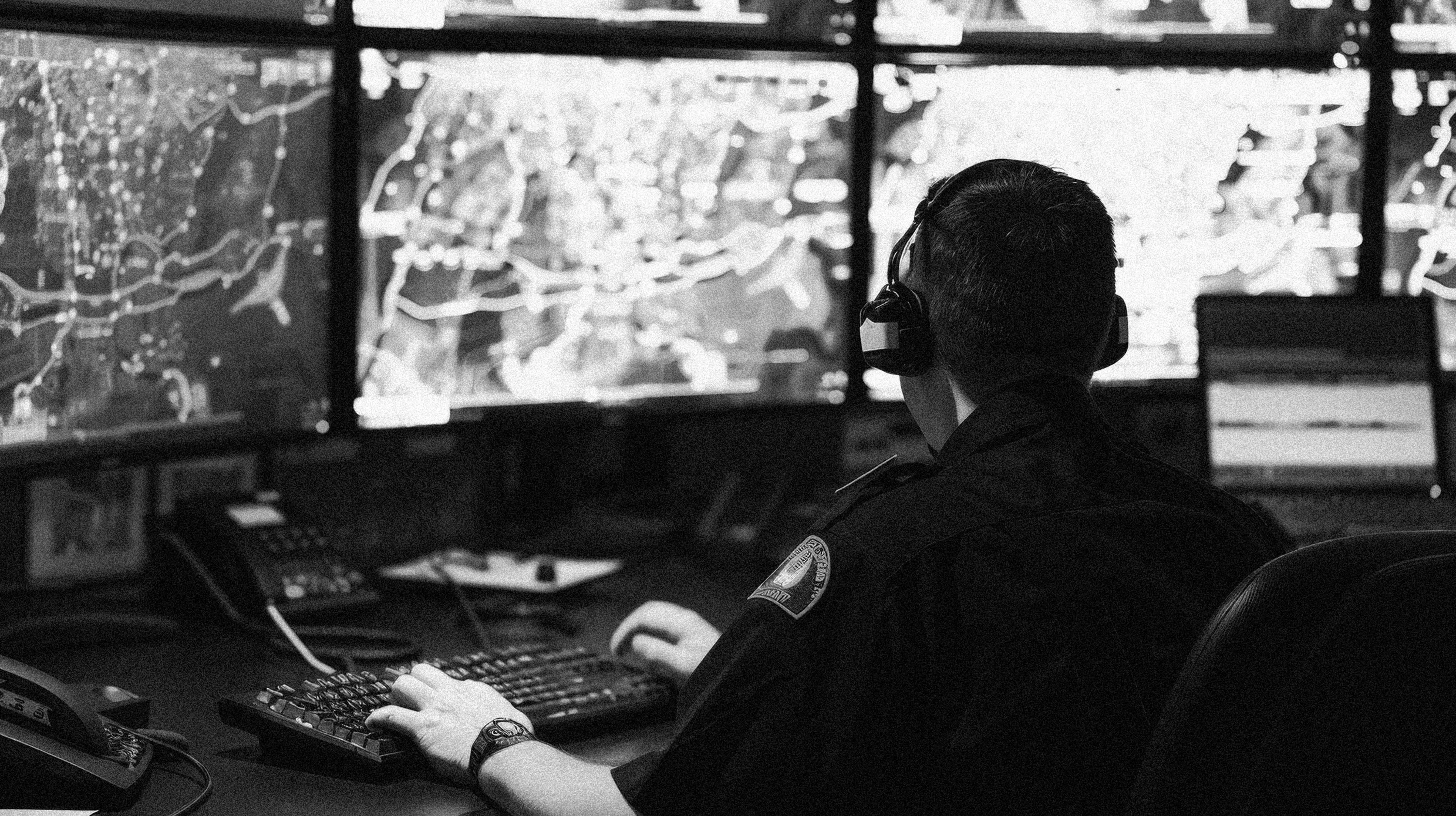
In 2026, PSAPs have evolved into high-tech hubs that manage more than just voice calls. Modern call handling involves managing a "data rich" environment where telecommunicators process video feeds, digital images, and automated crash notifications. The efficiency of a PSAP is measured by its call-to-dispatch time, which is the interval between the moment the phone rings and the moment the first responder is notified. Achieving sub-60-second dispatch times requires optimized software interfaces and rigorous staff training.
The infrastructure within a PSAP must be incredibly resilient. This includes redundant power supplies, backup telecommunications circuits, and robust cybersecurity protocols. As emergency services move toward cloud-based environments, the traditional "island" model of PSAPs—where each center operated in isolation—is being replaced by interconnected networks that allow one center to take over another’s calls during a disaster or a massive system failure.
The Critical Workflow of Emergency Call Handling
The process of handling a 911 call is a high-stakes sequence that follows a specific logic to ensure no critical information is missed. While every call is unique, the standard operating procedure generally follows four distinct phases.
Phase 1: Call Intake and Location Verification
The moment a call enters the system, the priority is identifying where the emergency is occurring. In 2026, most calls originate from mobile devices. Modern systems utilize Device-Based Hybrid (DBH) location data, which combines GPS, Wi-Fi, and cellular tower information to pin down a caller's location, often with a "z-axis" (floor level) accuracy. Despite this technology, dispatchers are trained to verbally verify the location immediately, as technology can occasionally fail or provide coordinates for a nearby building.
Phase 2: Problem Identification and Triage
Once the location is established, the telecommunicator must determine the "What." This involves asking concise questions to categorize the incident. Is it a crime in progress? A medical emergency? A fire? This triage phase is vital for prioritizing calls in a queue. For instance, a report of a person not breathing will always take precedence over a report of a stolen bicycle discovered hours after the fact.
Phase 3: Protocol-Driven Interrogation
To maintain consistency and reduce liability, most modern PSAPs use standardized protocols, such as the Emergency Medical Dispatch (EMD), Emergency Fire Dispatch (EFD), or Emergency Police Dispatch (EPD) systems. These protocols provide a script of questions that guide the dispatcher through the call. These are not merely suggestions; they are scientifically validated sequences designed to extract the most relevant information for the responders while providing life-saving instructions to the caller before help arrives.
Phase 4: Dispatching and Field Support
While one telecommunicator (the call-taker) stays on the line with the caller, another (the dispatcher) is often simultaneously communicating with units in the field. The dispatcher uses Computer-Aided Dispatch (CAD) software to see which units are closest to the scene and which are available. Throughout the duration of the incident, the call handler provides updates to the units—such as "the suspect has fled on foot" or "the patient is now conscious"—to ensure the safety and preparedness of the responders.
The Evolution to Next Generation 911 (NG911)
As of 2026, the transition from legacy, landline-centric 911 systems to Next Generation 911 (NG911) has fundamentally changed how calls are handled. Traditional 911 was built on an analog, circuit-switched infrastructure designed for landline telephones at fixed addresses. NG911 is an Internet Protocol (IP)-based system that treats emergency requests as data packets.
The shift to NG911 has introduced several transformative capabilities:
- Geospatial Routing: Instead of routing calls based on the cell tower that picks up the signal, NG911 uses the caller's actual GPS coordinates to route the call to the geographically correct PSAP. This eliminates the need for time-consuming transfers between jurisdictions.
- Multimedia Integration: Call handlers can now receive photos and videos from the scene. For example, a witness can stream video of a building fire, allowing fire chiefs to see the color and intensity of the smoke before they even arrive.
- Advanced Text-to-911: While basic text-to-911 has existed for years, current systems allow for seamless two-way "Real-Time Text" (RTT), which is essential for callers in domestic violence situations or those with hearing and speech disabilities.
- ESInets: The Emergency Services IP Network (ESInet) is the backbone of NG911. It is a managed, private network that allows for the secure sharing of data between different public safety agencies across state and county lines.
Comparison of 911 Technologies and Capabilities
| Feature | Legacy E911 (Analog) | Next Generation 911 (NG911) | Impact on Call Handling |
|---|---|---|---|
| Routing Method | Tabular/Address-based | GIS/Geospatial-based | Increases accuracy; reduces call transfers. |
| Media Support | Voice & limited SMS | Voice, Video, Photos, Data | Provides better situational awareness for responders. |
| Network Type | Selective Routers (SS7) | IP-based (ESInet) | Higher resiliency and easier interconnection. |
| Location Accuracy | Cell Tower Triangulation | Device-Based Hybrid (GPS/Wi-Fi) | Faster find-times for callers in distress. |
| System Flexibility | Rigid, hardware-dependent | Scalable, software-defined | Allows for easier system updates and remote dispatching. |
Technical Components of the Dispatch Console
A modern call handler’s workstation is an intensive multi-monitor environment. Understanding these components is essential for anyone looking to enter the field or manage public safety operations.
Computer-Aided Dispatch (CAD)
The CAD system is the primary software interface used by call handlers. It integrates map data, personnel status, and incident records. When a call is entered, the CAD system suggests the appropriate units to send based on the type of call and the units' current GPS locations (Automatic Vehicle Location or AVL).
Geographic Information Systems (GIS)
GIS is no longer just a digital map; it is the engine that drives routing. High-quality local GIS data—including accurate street centerlines, address points, and building footprints—is required for NG911 to function. Without precise GIS data, the system cannot "know" which PSAP has jurisdiction over a specific set of coordinates.
Radio Dispatch Consoles
While the 911 call comes in over the phone or data network, communication with responders happens over land mobile radio (LMR) systems. In 2026, most agencies use Project 25 (P25) digital radio standards, which allow for encrypted and clear voice communication. The dispatcher uses a software-based radio console to talk to multiple "talkgroups" or channels simultaneously.
Logging Recorders
Legal compliance and quality assurance require that every second of every call and radio transmission be recorded. These logging recorders are searchable by timestamp, unit ID, or incident number. They are frequently used as evidence in court proceedings and are essential for the "Quality Improvement" (QI) process, where supervisors review calls to ensure protocols were followed.
Challenges and Future Trends in Call Handling
Despite the technological leaps made by 2026, the 911 industry faces significant hurdles. One of the most pressing issues is the national staffing shortage. Telecommunicators are frequently required to work 12-hour shifts and mandatory overtime due to high turnover rates. This has led to a greater focus on the mental health and wellness of these "first first responders," with many states now recognizing them as emergency responders entitled to the same PTSD benefits as police and firefighters.
Another emerging trend is the integration of Artificial Intelligence (AI) in the PSAP. AI is currently being used to:
- Filter Non-Emergency Calls: AI-powered "voice bots" can handle administrative lines or non-emergency reports, freeing up human call-takers for life-threatening situations.
- Language Translation: Real-time AI translation allows dispatchers to communicate instantly with callers speaking any language, bypassing the delay often caused by third-party translation services.
- Acoustic Gunshot Detection: Integration with city-wide sensors allows the CAD system to automatically create a call for service the moment a gunshot is detected, often before a human even dials 911.
Cybersecurity also remains a top-tier concern. Because PSAPs are now part of an interconnected IP network, they are targets for ransomware attacks. Ensuring that 911 infrastructure is isolated from the general internet and protected by advanced threat detection is a primary focus for federal agencies like the Cybersecurity and Infrastructure Security Agency (CISA).
FAQs about 911 Call Handling
What should I do if I accidentally dial 911?
If you accidentally dial 911, do not hang up. Stay on the line and explain to the dispatcher that it was a mistake. If you hang up, the dispatcher is required to call you back, and in many jurisdictions, they must send a police officer to your location to ensure your safety. This consumes valuable resources that could be used for actual emergencies.
Can 911 see my exact location inside a building?
In 2026, the technology for "vertical location" or z-axis data has significantly improved. If you have a modern smartphone, the dispatcher can often see your approximate floor level or room location. However, this is not 100% foolproof. You should always be prepared to provide your apartment number, floor, or specific office location to the call taker.
Why does the dispatcher ask so many questions?
The questions are not meant to delay the response. In most cases, while the call-taker is asking you questions, the dispatcher has already sent the appropriate units to your location. The additional questions are designed to provide responders with critical information, such as the presence of weapons or specific medical symptoms, which helps them prepare while they are en route.
Can I text 911 if I am in a dangerous situation?
Yes, Text-to-911 is widely available across most of the United States and Canada in 2026. You should use text if calling would put you in danger (such as during a home invasion or domestic dispute) or if you have a hearing or speech impairment. The "Call if you can, text if you can't" rule remains the industry standard.
How are calls handled if the 911 center is overwhelmed?
Modern ESInets allow for "overflow routing." If a 911 center reaches its capacity or suffers a localized failure, calls can be automatically rerouted to a neighboring PSAP. This ensures that every emergency call is answered by a live operator, regardless of local conditions.
Next Actions for Improving 911 Outcomes
For citizens, the best way to support efficient 911 call handling is to remain calm and answer questions clearly. Providing a precise address is the most important piece of information you can offer. If you are interested in the technical or professional side of emergency services, consider researching certification programs offered by the National Emergency Number Association (NENA) or the Association of Public-Safety Communications Officials (APCO).
For public safety administrators, the priority remains the completion of the NG911 transition. Ensuring that local GIS data is up to date and that staff are trained in multimedia call handling will be the difference between a legacy response and a modern, life-saving intervention. Regular stress-testing of ESInets and investing in mental health resources for telecommunicators are also essential steps for maintaining a robust emergency response system in 2026 and beyond.