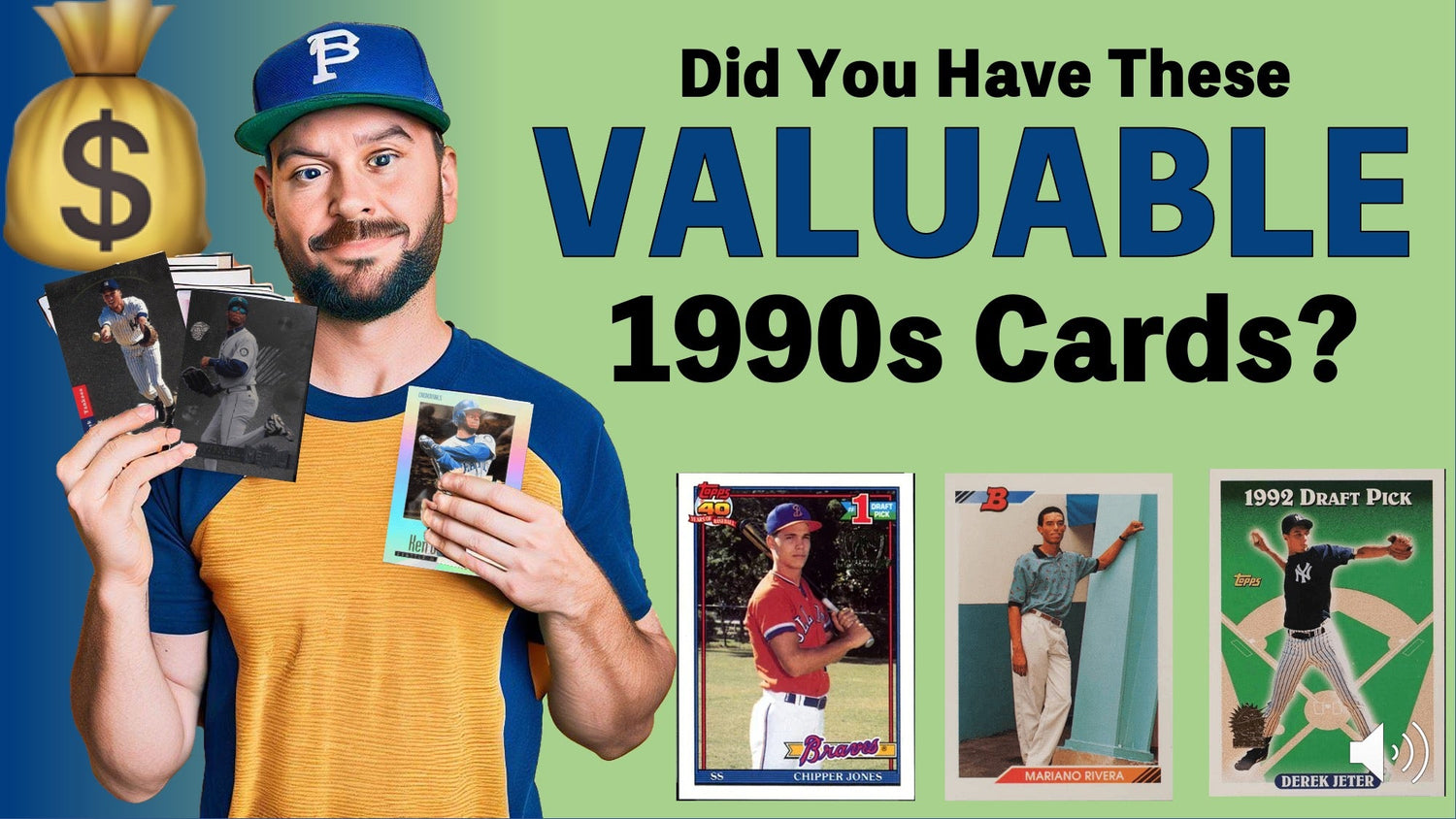
While the early 1990s are often dismissed as the "Junk Wax Era" due to massive overproduction, the decade as a whole represents the most significant technological and aesthetic evolution in the history of the hobby. In 2026, the market for high-grade 90s sports cards remains robust, driven by the scarcity of rare inserts, the introduction of "parallels," and the iconic status of superstars like Michael Jordan, Kobe Bryant, and Derek Jeter. Identifying value requires distinguishing between common base cards and the low-population "chase" cards that defined the latter half of the decade.
The Great Divide: Junk Wax vs. The Insert Revolution
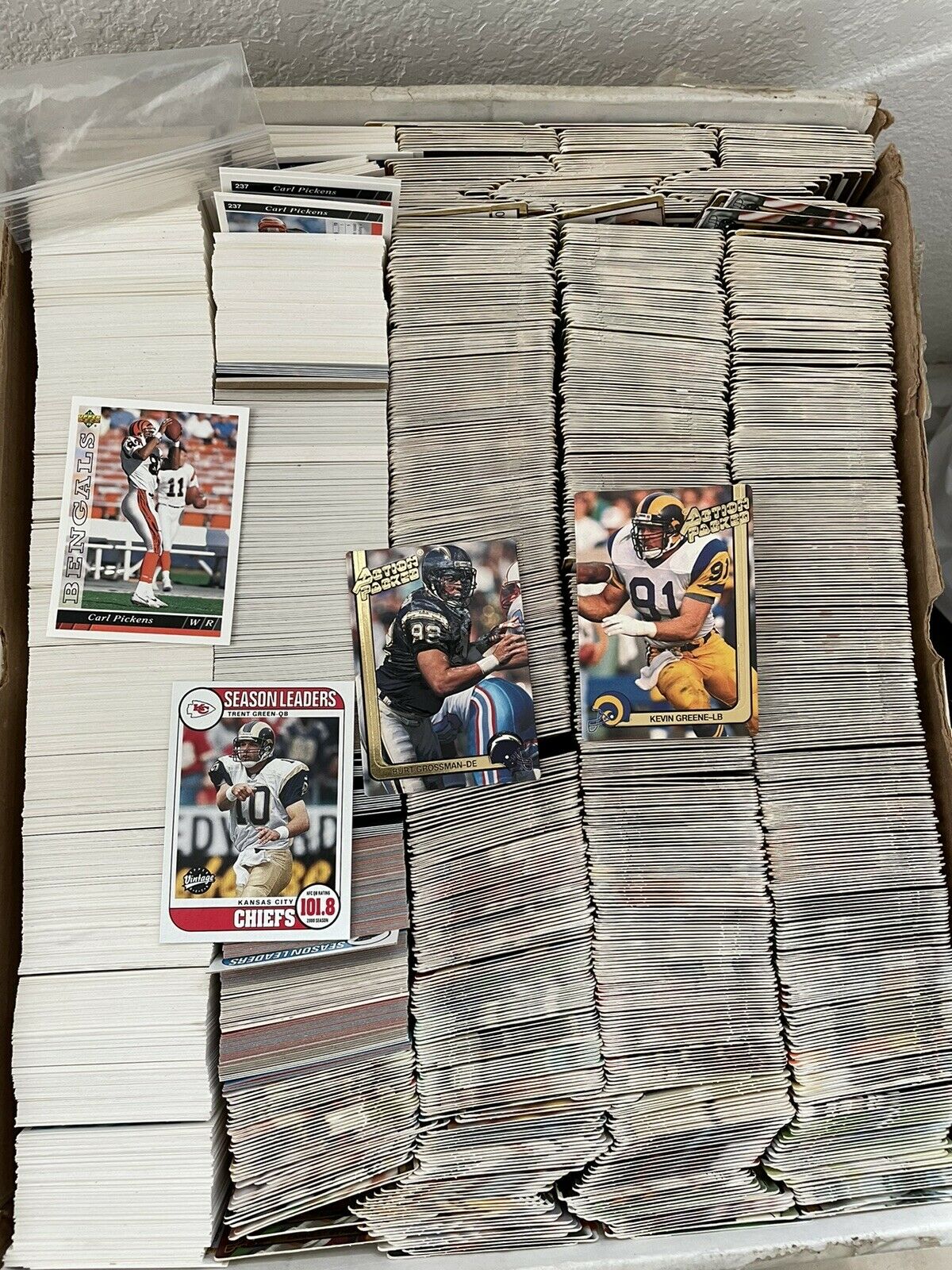
To understand which 90s sports cards are worth money, one must recognize the two distinct halves of the decade. From 1990 to roughly 1992, manufacturers like Topps, Upper Deck, Fleer, and Donruss printed cards by the millions. This period, known as the Junk Wax Era, resulted in a market saturated with cards that, for the most part, hold very little financial value today. Even Hall of Fame rookie cards from these years, such as the 1990 Leaf Frank Thomas or the 1991 Upper Deck Chipper Jones, require a "Gem Mint" grade from a professional service to command more than a few dollars.
However, around 1993, the industry shifted. Manufacturers realized that collectors were willing to pay a premium for scarcity. This led to the birth of the "Insert" and the "Parallel." These were limited-edition cards randomly inserted into packs at high odds. By the mid-to-late 90s, brands like SkyBox Metal Universe, Topps Chrome, and Flair Showcase were producing cards with intricate foil designs, die-cut shapes, and serial numbering. These are the "vintage" collectibles of the 90s that currently drive six and seven-figure valuations at major auction houses.
Iconic Baseball Cards of the 1990s
Baseball cards in the 90s were dominated by the emergence of future first-ballot Hall of Famers. While millions of 1990 Ken Griffey Jr. cards exist, specific releases from later in the decade are incredibly difficult to find in pristine condition.
The 1993 SP Derek Jeter Foil #290
The 1993 SP Derek Jeter rookie card is widely considered the most important baseball card of the decade. Unlike the standard paper cards of the time, the SP set featured a premium foil surface that was incredibly prone to "chipping" and surface scratches. Because of this fragility, finding a copy in a PSA 10 (Gem Mint) grade is an extreme rarity. In 2026, a PSA 10 Jeter Foil remains a "holy grail" item, often fetching prices that rival high-end vintage cards from the 1950s.
The Rise of Refractors
In 1993, Topps introduced the "Refractor" in its inaugural Topps Finest set. These cards featured a metallic, rainbow-like sheen when held to the light. This technology became the gold standard for 90s rarity. The 1993 Finest Refractor Ken Griffey Jr. or the 1996 Topps Chrome Mickey Mantle (reprint) are prime examples of cards where the base version is affordable, but the Refractor version is a high-value asset.
The Basketball Gold Mine: Jordan, Kobe, and PMGs
The 1990s were the golden age of basketball cards, fueled by the global stardom of Michael Jordan and the arrival of Kobe Bryant. This market is currently the most lucrative segment of 90s collectibles.
Precious Metal Gems (PMGs)
Introduced in the 1997-98 SkyBox Metal Universe set, Precious Metal Gems are among the most coveted sports cards ever produced. These cards feature a brilliant red or green foil background. Only 100 of each player were produced—the first 10 being green and the remaining 90 being red. A 1997 Metal Universe Michael Jordan PMG is a cornerstone of any elite collection. Even in lower grades, these cards command staggering sums due to their iconic design and extreme scarcity.
1996 Topps Chrome Kobe Bryant #138
As one of the most influential players in NBA history, Kobe Bryant’s rookie cards are a staple of the 1990s market. The 1996 Topps Chrome rookie is his most desirable "standard" rookie card. However, the Refractor version of this card is the true prize. Because Topps Chrome was a high-end product with a sensitive "greening" issue on the surface over time, well-preserved copies are increasingly difficult to source.
Football and Hockey Highlights
While basketball and baseball often lead the headlines, 1990s football and hockey cards contain several high-value "short prints" and rookie cards that have seen steady appreciation.
- 1998 Playoff Contenders Ticket Peyton Manning: This is arguably the most important football card of the 90s. As an autographed rookie card with a limited print run, it set the blueprint for the modern "Auto RC" market.
- 1990-91 O-Pee-Chee Jaromir Jagr: While the 1990s were a lean time for hockey card values due to overproduction, the O-Pee-Chee (the Canadian counterpart to Topps) rookie of Jagr remains a steady performer in high grades.
- 1997 Upper Deck Game Jersey Cards: This was the year Upper Deck changed the hobby forever by inserting pieces of game-worn jerseys into cards. The 1997 Upper Deck Game Jersey Michael Jordan remains one of the most historically significant pulls in the history of sports collectibles.
Identifying Value: Rarity, Condition, and Grading
If you are sorting through a collection from the 90s, you must look for specific markers of value. The presence of a superstar athlete is not enough; the card must also possess one or more of the following "value-add" traits:
- Serial Numbering: Look for gold or silver stamps on the back of the card (e.g., 05/25 or 100/500). This indicates a "limited print run," which is a primary driver of value.
- Chrome or Foil Finishes: Cards that look like mirrors (Refractors) or have textured foil (like the 1993 SP set) are generally more valuable than standard cardboard.
- Die-Cut Edges: Cards that are not rectangular (scalloped edges, circular cutouts) were often "short-printed" and are highly sought after by set collectors.
- Professional Grading: In 2026, the "raw" (ungraded) value of a 90s card is often only 10-20% of its graded value. Third-party grading services like PSA (Professional Sports Authenticator) or BGS (Beckett Grading Services) verify the card's authenticity and assign a numerical score from 1 to 10. A "10" grade can increase a card's value exponentially.
Key 90s Sports Cards Value Comparison Table
The following table highlights some of the most impactful sports cards from the 1990s and their defining characteristics that drive market value in 2026.
| Card Description | Sport | Rarity Factor | Primary Value Driver |
|---|---|---|---|
| 1993 SP Derek Jeter #290 | Baseball | High | Condition-sensitive foil; iconic rookie status |
| 1996 Topps Chrome Kobe Bryant Refractor | Basketball | High | First "Chrome" rookie; Refractor finish |
| 1997 Metal Universe Michael Jordan PMG | Basketball | Extreme | Serial numbered to 100; legendary design |
| 1998 Playoff Contenders Peyton Manning | Football | High | On-card autograph; rookie ticket design |
| 1993 Finest Refractor Ken Griffey Jr. | Baseball | Moderate | First-ever Refractor set; massive player demand |
| 1996 SI for Kids Tiger Woods | Golf | High | Perforated edges; notoriously difficult to grade |
| 1999 Upper Deck Retro Inkredible Jordan | Basketball | Extreme | On-card autograph; legendary Upper Deck branding |
How to Value and Sell Your 90s Cards in 2026
If you believe you have rare 90s sports cards, the first step is to verify their current market price. Do not rely on old price guides or "asking prices" on marketplaces. Instead, use "Sold" data to see what collectors are actually paying.
- eBay Sold Listings: Search for your card and filter by "Sold Items." This provides the most accurate real-time data for high-volume cards.
- 130Point: This tool aggregates sold data from eBay and various auction houses, providing a comprehensive look at the market.
- Auction Houses: For cards valued over $5,000, consider specialized sports auction houses like Goldin Auctions or Heritage Auctions. These platforms attract high-net-worth investors and often achieve record-breaking prices for 90s rarities.
FAQ: Common Questions About 90s Collectibles
Are cards from 1990, 1991, and 1992 worth anything?
Generally, no. Most base cards from these years were printed in such high quantities that supply vastly outweighs demand. The exception is "Gem Mint" graded Hall of Fame rookies or rare error cards that have been verified by a grading service. If your cards are loose in a shoebox and show signs of wear, they are likely worth very little.
What is a "Refractor" and how can I tell if I have one?
A Refractor is a card with a special coating that creates a rainbow effect when tilted under a light source. In many 90s sets, the word "Refractor" is printed on the back of the card near the card number, though this is not always the case. They are significantly rarer than the standard "base" versions of the same card.
Is it worth grading 90s cards today?
Grading is worth the investment only if the card is in flawless condition and has a high "raw" market value. Because 90s foil cards show wear so easily, a card that looks "good" to the naked eye might only receive a Grade 7 or 8, which often won't cover the cost of the grading fee. Always use a magnifying glass to check for surface scratches and corner wear before submitting.
Why are 90s cards more popular now than 80s cards?
The 90s represented a "creative explosion" in the hobby. Collectors who grew up in that era now have the disposable income to buy the cards they couldn't afford as children. Additionally, the technological complexity of 90s inserts makes them much harder to counterfeit than simpler paper cards from the 70s or 80s.
Essential Next Steps for Collectors
If you are looking to capitalize on the 90s sports card market in 2026, your first action should be organization and protection. Remove any potential high-value cards from old "sticky" photo albums or loose boxes and place them in PVC-free "penny sleeves" and "top loaders." This prevents further degradation of the sensitive foil surfaces common in this era.
Once protected, perform a rigorous visual inspection. If you find a 1993 SP Jeter or a 1996 Topps Chrome star that appears to have perfect corners and a mirror-like surface, the next step is professional grading. In the 2026 market, the "Grade" is often more important than the card itself; a one-point difference between a PSA 9 and a PSA 10 can represent a difference of thousands of dollars in liquidity.