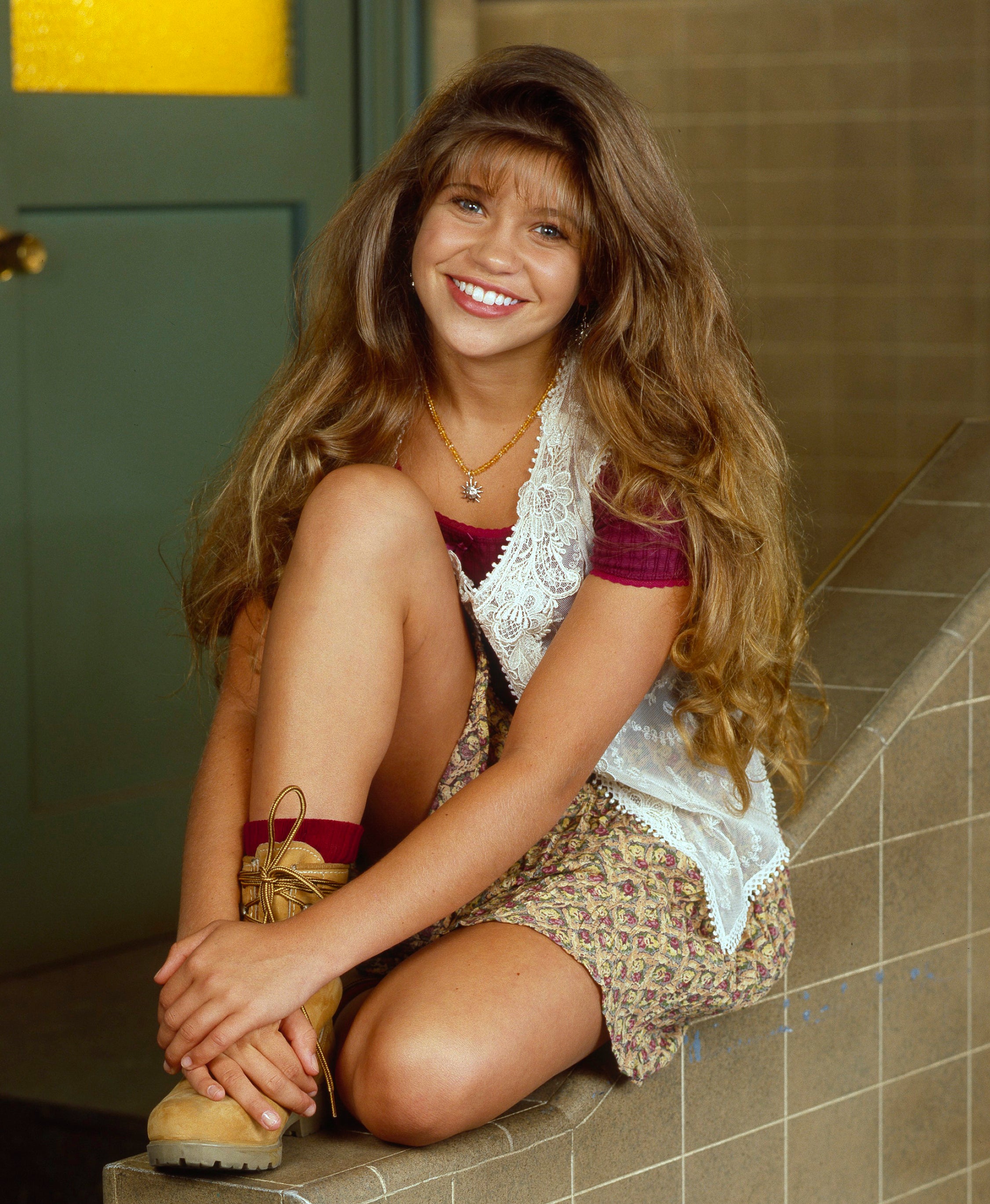
The ultimate ranking of 1990s sitcom actresses is led by Jennifer Aniston and Julia Louis-Dreyfus, whose performances in Friends and Seinfeld redefined female leads. These stars are evaluated based on their cultural impact, comedic timing, industry awards, and the enduring popularity of their series through 2026 streaming data.
The Cultural Legacy of 1990s Sitcom Queens
The 1990s represented a transformative decade for television, particularly within the multi-camera sitcom format. As we look back from 2026, the influence of these actresses remains palpable in modern streaming habits and the "comfort TV" genre. During this era, the "female lead" evolved from the traditional domestic housewife seen in the 70s and 80s into a diverse array of characters: career-driven professionals, independent single women, and complex, flawed individuals.
This ranking does not merely look at Nielsen ratings from thirty years ago; it examines the holistic contribution of these women to the medium. We consider how their characters challenged social norms, their ability to carry a show for a decade, and the technical precision of their comedic delivery. From the physical comedy of Elaine Benes to the relatable fashion-forward journey of Rachel Green, these actresses created blueprints for every sitcom that followed.
1. Jennifer Aniston (Friends)
Jennifer Aniston’s portrayal of Rachel Green is arguably the most influential sitcom performance of the 1990s. While Friends was an ensemble show, Aniston’s character arc—from a runaway bride to a high-powered fashion executive—captured the zeitgeist of Gen X and older Millennials.
Aniston’s strength lay in her impeccable timing and her ability to play the "straight man" while simultaneously delivering high-energy comedy. Her influence extended beyond the screen, famously sparking "The Rachel" haircut phenomenon, which remains a benchmark for television’s impact on pop culture. By the final seasons of the show, her salary and negotiation power, alongside her female co-stars, set new precedents for gender pay equity in Hollywood. Even in 2026, Rachel Green remains a primary archetype for the "relatable but aspirational" female protagonist.
2. Julia Louis-Dreyfus (Seinfeld)
If Jennifer Aniston was the queen of relatability, Julia Louis-Dreyfus was the queen of comedic innovation. As Elaine Benes in Seinfeld, Louis-Dreyfus broke the mold of the "supportive female friend." Elaine was often just as petty, selfish, and hilarious as her male counterparts.
Louis-Dreyfus’s contribution was her fearlessness in physical comedy. Whether it was the "Little Kicks" dance or her aggressive "Get out!" shoves, she brought a visceral energy to a show famously about "nothing." Her performance earned her an Emmy in 1996 and paved the way for her future record-breaking run in Veep. Her work in the 90s proved that a female character didn't need to be likable in the traditional sense to be beloved by audiences.
3. Roseanne Barr (Roseanne)
Despite later controversies, the impact of Roseanne Barr’s portrayal of Roseanne Conner during the prime of the 90s cannot be overlooked. She brought a raw, blue-collar realism to the sitcom landscape that was previously missing.
Roseanne was a domestic goddess who was loud, sarcastic, and struggling to make ends meet. The show tackled heavy subjects—unemployment, domestic violence, and poverty—through a lens of sharp, often biting humor. Barr’s ability to ground the sitcom in the struggles of the American working class made her one of the most powerful women in television history. Her performance ensured that the sitcom wasn't just a place for escapism, but a mirror for the average viewer.
4. Candice Bergen (Murphy Brown)
Candice Bergen’s Murphy Brown was a cultural lightning rod. Playing a sharp-tongued, recovering alcoholic and high-profile news anchor, Bergen redefined what a professional woman looked like on screen.
The character became a focal point of real-world political discourse, most notably when Vice President Dan Quayle criticized the character’s choice to be a single mother. Bergen handled the controversy with the same wit her character possessed, using the show to advocate for modern family structures. Her five Emmy wins for the role speak to the technical excellence she brought to the character, balancing the intensity of a journalist with the comedic timing of a veteran performer.
5. Fran Drescher (The Nanny)
Fran Drescher created a singular icon in Fran Fine. With her distinctive nasal voice, flamboyant designer wardrobe, and "out of place" Queens charm in a posh Manhattan mansion, Drescher turned The Nanny into a global powerhouse.
Drescher’s brilliance was in her branding. She co-created and produced the show, ensuring that her comedic voice was unfiltered. She utilized the "fish out of water" trope to critique class structures while maintaining a lighthearted, romantic-comedy atmosphere. In 2026, her outfits from the show continue to trend on social media, proving that her aesthetic and comedic sensibilities were decades ahead of their time.
Comparative Overview of 90s Sitcom Legends
The following table summarizes the key metrics of the top-ranked actresses during their primary 1990s runs.
| Actress | Primary Show | Active Years (90s) | Major Awards (90s) | Signature Character Trait |
|---|---|---|---|---|
| Jennifer Aniston | Friends | 1994–2004 | Emmy, Golden Globe | Relatable Growth |
| Julia Louis-Dreyfus | Seinfeld | 1990–1998 | Emmy, Golden Globe, SAG | Physical Comedy |
| Roseanne Barr | Roseanne | 1988–1997 | Emmy, Golden Globe | Blue-Collar Realism |
| Candice Bergen | Murphy Brown | 1988–1998 | 5x Emmy Awards | Intellectual Wit |
| Fran Drescher | The Nanny | 1993–1999 | Emmy (Nominated) | Stylized Persona |
| Helen Hunt | Mad About You | 1992–1999 | 4x Emmy Awards | Naturalistic Chemistry |
| Queen Latifah | Living Single | 1993–1998 | Image Award | Independent Leadership |
6. Helen Hunt (Mad About You)
Helen Hunt’s performance as Jamie Buchman offered a more grounded, nuanced look at marriage than the typical "ball and chain" jokes of earlier decades. Alongside Paul Reiser, Hunt portrayed the minutiae of urban life and partnership with a naturalism that was rare for multi-cam sitcoms.
Her back-to-back Emmy wins (1996–1999) highlight the industry’s respect for her craft. Hunt’s ability to transition between high-stakes emotional moments and suburban observational humor made Mad About You a critical darling. She represented the "modern woman" of the 90s—balancing a career in PR with the complexities of a new marriage and, eventually, motherhood.
7. Queen Latifah (Living Single)
Before Friends became a global phenomenon, Living Single was already exploring the lives of six friends living in a Brooklyn brownstone. Queen Latifah, as Khadijah James, was the show’s anchor.
As the editor and publisher of her own magazine, Flavor, Latifah’s character was a powerhouse of Black female entrepreneurship. Her performance was cool, confident, and funny, providing a much-needed counter-narrative to the stereotypes often found in 90s media. Her influence on the "friendship sitcom" genre is monumental, as Living Single proved that audiences were hungry for stories about independent women supporting one another.
8. Katey Sagal (Married... with Children)
As Peggy Bundy, Katey Sagal performed a brilliant satire of the 1950s housewife. With her high-teased hair, spandex leggings, and refusal to cook or clean, Peggy was the antithesis of the "perfect mom."
Sagal’s commitment to the character’s laziness and vanity was a comedic masterclass. She managed to make Peggy sympathetic despite her flaws, largely through her undeniable chemistry with Ed O'Neill. Sagal’s work in the 90s demonstrated her incredible range—a range she would later use to pivot into dramatic roles like Gemma Teller Morrow in Sons of Anarchy.
9. Tia and Tamera Mowry (Sister, Sister)
The Mowry twins brought teenage girlhood to the forefront of the sitcom world. Sister, Sister utilized the classic "separated at birth" trope to explore identity, family dynamics, and the challenges of adolescence.
Tia and Tamera’s ability to play distinct personalities—Tia as the studious, responsible one and Tamera as the impulsive, fun-loving one—allowed the show to cover a wide spectrum of teen experiences. Their success paved the way for youth-oriented programming on networks like The WB and UPN, making them essential figures in 90s television history.
Technical Milestones: Why the 90s Actresses Endure
The longevity of these actresses is not accidental. Several technical and industry factors contributed to their sustained relevance in 2026:
- The Multi-Cam Mastery: These actresses performed in front of live audiences. This required a level of theatrical timing and "playing to the room" that single-camera shows often lack. Their ability to hold for laughs and pivot based on audience reaction sharpened their comedic skills.
- Syndication and Streaming: Shows like Friends and Seinfeld have been in continuous rotation for over 30 years. This has allowed new generations to discover these actresses, keeping their "brand" current even decades after the final episodes aired.
- Creative Control: Many of the women on this list—Barr, Drescher, and Bergen—had significant input into their characters' development and show scripts. This resulted in more authentic and distinctive female voices.
Frequently Asked Questions
Who is the most awarded 90s sitcom actress?
Candice Bergen and Helen Hunt are among the most decorated. Bergen won five Primetime Emmy Awards for Lead Actress in a Comedy Series for Murphy Brown, while Hunt won four consecutive Emmys for Mad About You. Julia Louis-Dreyfus also holds a significant number of awards, though many of her wins came later in her career for Veep.
Which 90s sitcom actress had the most influence on fashion?
Jennifer Aniston is widely considered the most influential in terms of fashion and hair trends, specifically due to "The Rachel" haircut. However, Fran Drescher’s wardrobe in The Nanny has seen a massive resurgence in the 2020s, with high-fashion historians citing her use of Moschino and Todd Oldham as legendary.
Did any 90s sitcom actresses successfully transition to film?
Jennifer Aniston and Helen Hunt had the most notable transitions. Hunt won an Academy Award for Best Actress for As Good as It Gets (1997) while still starring in Mad About You. Aniston became a major romantic comedy lead, starring in hits like Marley & Me and The Break-Up.
Why was Living Single important for 90s sitcom actresses?
Living Single was pivotal because it centered on four professional Black women living together, predating the similar premise of Friends. It provided a platform for Queen Latifah, Kim Coles, Erika Alexander, and Kim Fields to showcase complex, successful, and hilarious Black female identities that were underrepresented on major networks.
How to Revisit the Classics in 2026
For viewers looking to experience these performances today, the best approach is to watch them in their original broadcast order to appreciate the character development. Most major 90s sitcoms are currently housed on premium streaming platforms (such as Max, Netflix, and Hulu).
When rewatching, pay attention to the "B-plots" where these actresses often showcased their range. For example, Lisa Kudrow’s Phoebe Buffay often carried the most absurd subplots in Friends, demonstrating a unique "deadpan-absurdist" style that influenced a generation of alternative comedians. For those interested in the evolution of the genre, starting with Seinfeld for its structure and Murphy Brown for its dialogue provides a comprehensive look at the decade's peak television writing and acting.