90s retail was characterized by the zenith of the American shopping mall, the aggressive expansion of "category killer" big-box stores, and the transition from traditional catalog sales to the birth of e-commerce. It represented a unique cultural era where physical storefronts served as the primary social and commercial hubs before the digital revolution.
The 1990s served as a transformative bridge between the localized commerce of the mid-20th century and the hyper-efficient, data-driven markets of the 21st century. To understand the landscape of 2026, one must analyze the shifts in consumer behavior, real estate dominance, and brand loyalty that occurred during this decade. The era was defined by the dominance of the enclosed mall, the rise of discount department stores, and the initial, tentative steps into the "Information Superhighway."
The Cultural Hegemony of the Enclosed Shopping Mall
In the 1990s, the shopping mall was more than a collection of stores; it was the definitive social infrastructure for suburban and urban populations. The "mall rat" phenomenon peaked during this time, as teenagers and families viewed these climate-controlled environments as the primary venue for leisure and socialization.
The economic model of the 90s mall relied heavily on the "anchor store" system. Large department stores—such as Sears, JCPenney, Macy’s, and Montgomery Ward—occupied the ends of the mall, drawing in massive foot traffic that benefited smaller specialty tenants in the corridors. This era saw the expansion of the "Mega-Mall," exemplified by the 1992 opening of the Mall of America in Minnesota, which integrated retail with massive entertainment complexes, including indoor theme parks.
Specialty retailers like The Limited, Express, and Abercrombie & Fitch utilized sensory marketing—distinctive scents, loud music, and aggressive lighting—to create lifestyle brands. This was a departure from the utility-focused retail of previous decades. By the mid-90s, the mall had become a standardized experience across the United States, leading to a homogenized consumer culture where the same brands were accessible in nearly every zip code.
The Rise of the Category Killer: Big-Box Dominance
While malls dominated the fashion and social sectors, the 1990s also witnessed the proliferation of the "category killer." These were large-format, big-box retailers that specialized in a single category—such as electronics, toys, or office supplies—and used their massive scale to offer lower prices than independent or smaller chain competitors.
Key players in this segment included:
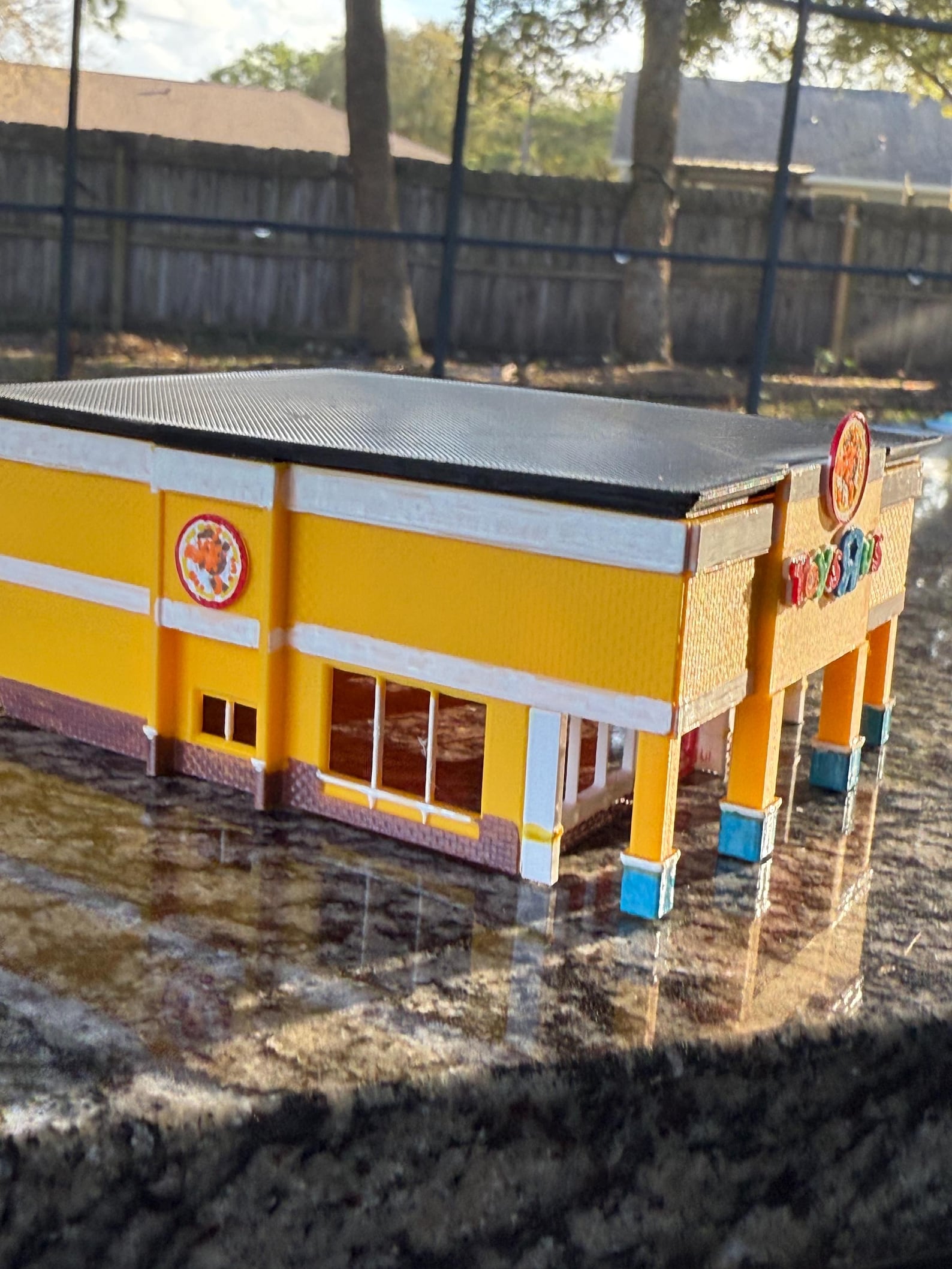
- Toys "R" Us: The undisputed leader in the toy industry for much of the decade, utilizing a warehouse-style layout to offer a depth of inventory that local toy shops could not match.
- Blockbuster Video: By 1990, Blockbuster was opening a new store every 24 hours. Its blue-and-yellow signs became a staple of American strip malls, fundamentally changing how households consumed media.
- Borders and Barnes & Noble: These book giants expanded rapidly, often including cafes (like Starbucks) to encourage customers to linger, which effectively put many independent booksellers out of business.
- Best Buy and Circuit City: The fierce competition between these two electronics giants drove prices down for PCs and home theater systems, making high-end technology accessible to the middle class.
The efficiency of these retailers was bolstered by improvements in supply chain management and the adoption of Point of Sale (POS) systems that allowed for real-time inventory tracking. However, this aggressive expansion often relied on high debt loads and the assumption that physical retail growth would continue indefinitely.
The Transformation of the Discount Department Store
The 1990s saw a brutal consolidation in the discount retail sector. At the start of the decade, several regional players like Ames, Bradlees, Caldor, and Hills were still competitive. However, the national expansion of Walmart, Target, and Kmart created a "race to the bottom" in terms of pricing and operational efficiency.
Walmart, in particular, became a symbol of 90s retail power. In 1991, Walmart surpassed Sears to become the nation's largest retailer. Its "Always Low Prices" strategy, powered by a sophisticated logistics network and a hardline approach to vendor negotiations, redefined the expectations of the American consumer. This period also saw the rise of the "Supercenter" model, which combined a full-scale grocery store with general merchandise under one roof, further consolidating the consumer's "one-stop shop" habits.
Simultaneously, the warehouse club model gained significant traction. The 1993 merger of Price Club and Costco created a retail powerhouse that prioritized volume and membership loyalty over traditional merchandising, catering to the growing suburban middle class looking to save through bulk purchasing.
Comparing 90s Retail Environments with 2026 Realities
The retail landscape has shifted dramatically over the last three decades. The following table highlights the core differences between the peak of 90s retail and the current 2026 environment.
| Feature | 1990s Retail Environment | 2026 Retail Environment |
|---|---|---|
| Primary Social Hub | Enclosed Shopping Malls | Social Media / Digital Communities |
| Media Format | Physical (VHS, CD, Cassette, DVD) | Purely Digital / Subscription Streaming |
| Search/Discovery | Print Catalogs & Window Shopping | AI-Driven Personalization & Social Commerce |
| Delivery Speed | 4–6 Weeks (Mail Order) | Same-Day or 2-Hour Delivery |
| Lead Competitor | Walmart (Physical Dominance) | Amazon / Omnichannel Giants |
| Returns Process | In-person at Customer Service Desk | Automated Drop-offs / Mail-back |
| Data Usage | Limited to Loyalty Cards/Credit History | Real-time Behavioral & Predictive Analytics |
Media Consumption and the Physical Retail Experience
In the 1990s, the "shopping trip" for media was a ritual. Music retailers like Tower Records, Sam Goody, and Virgin Megastore were cultural touchstones. The transition from vinyl and cassettes to the Compact Disc (CD) was finalized in this decade, providing retailers with a high-margin product that was easy to stock and display.
The home video market was equally robust. Blockbuster and Hollywood Video controlled the rental market, while retailers like Suncoast Motion Picture Company catered to collectors. The physical nature of this retail meant that "availability" was a constant struggle for consumers; "New Releases" were often out of stock on Friday nights, a friction point that would eventually be solved by the digital shift but which defined the 90s consumer experience.
This era also saw the peak of the software retail store, such as Egghead Software and Babbage’s (which would later evolve into GameStop). Before high-speed internet allowed for digital downloads, consumers bought their productivity software and video games in large, often oversized cardboard boxes containing multiple floppy disks or, later, a single CD-ROM.
The Technological Pivot: The Birth of E-commerce
The mid-to-late 90s introduced the "disruptor" that would eventually dismantle the traditional retail model. In 1994, Jeff Bezos founded Amazon.com, which began operations in 1995 as an online bookstore. In the same year, Pierre Omidyar launched AuctionWeb, which would become eBay.
Initially, these platforms were viewed as niche curiosities. Most 90s consumers were wary of entering credit card information online, and "dial-up" internet speeds made the browsing experience cumbersome compared to visiting a physical store. However, the 1990s established the logistics and consumer trust foundations for what would follow.
The "Dot-com Bubble" of the late 90s saw massive investment in online retailers like Pets.com and Webvan. While many of these companies failed in the 2000 crash, they pioneered the concepts of home delivery for groceries and pet supplies that are now standard in 2026. The 90s taught retailers that "convenience" would eventually trump "experience" for a significant portion of the population.
Essential FAQs for 90s Retail History
What was the most significant cause of the "Retail Apocalypse" that started after the 90s?
The primary cause was a combination of "over-malling" and the rise of e-commerce. In the 1990s, retail space in the U.S. grew at a rate that far outpaced population growth. When consumer habits shifted toward Amazon and digital media in the early 2000s, the high overhead and debt of massive physical footprints became unsustainable for many 90s giants.
Why were department stores like Sears so dominant in the 90s but struggled later?
Sears was the "everything store" of the 90s, but it failed to invest in its physical infrastructure and digital presence. In the 90s, Sears focused on "The Softer Side of Sears" to compete with apparel stores, but it lost its core identity as the leader in tools and appliances to Home Depot and Lowe's, while losing general merchandise sales to Walmart and Target.
How did 90s retail handle customer data without modern AI?
Data collection was primitive by 2026 standards. Retailers used "Loyalty Clubs" and "Preferred Customer" cards to track purchases. They relied on zip code collection at the register and credit card transaction data to send physical mailers and catalogs. There was no real-time personalization; instead, stores relied on "mass-market" merchandising.
What happened to the major regional discount chains like Caldor or Ames?
Most regional chains were unable to match the "economies of scale" achieved by Walmart and Target. By the late 90s, these smaller chains faced higher procurement costs and lacked the sophisticated logistics technology of their national competitors. Most entered bankruptcy between 1995 and 2002.
Was "Fast Fashion" a part of 90s retail?
The seeds of fast fashion were planted in the 90s. While brands like H&M and Zara were expanding internationally, the 90s version of fast fashion was largely driven by the "Quick Response" manufacturing model. Brands like The Gap began to shorten their design-to-shelf cycles to respond to trends like "grunge" or "minimalism" more rapidly than traditional seasonal department stores.
Analyzing 90s Strategies for Modern Retail Success
While the 1990s might seem like a distant era of neon lights and paper receipts, the fundamental principles established then still apply to the omnichannel landscape of 2026. Modern retailers can learn from the 90s "lifestyle branding" approach, where the store was an experience rather than just a transaction point.
To succeed today, businesses should look at the 90s model of "community-centric" retail. The malls that survived the last three decades are those that returned to the 90s ideal of being a "third place"—a social destination that offers more than just products. Furthermore, the 90s taught us the danger of over-expansion. The "category killers" that failed were those that prioritized footprint over flexibility. In 2026, the most resilient brands are those that maintain a lean physical presence integrated with a robust, AI-supported digital infrastructure, avoiding the debt traps that claimed many icons of the nineties.