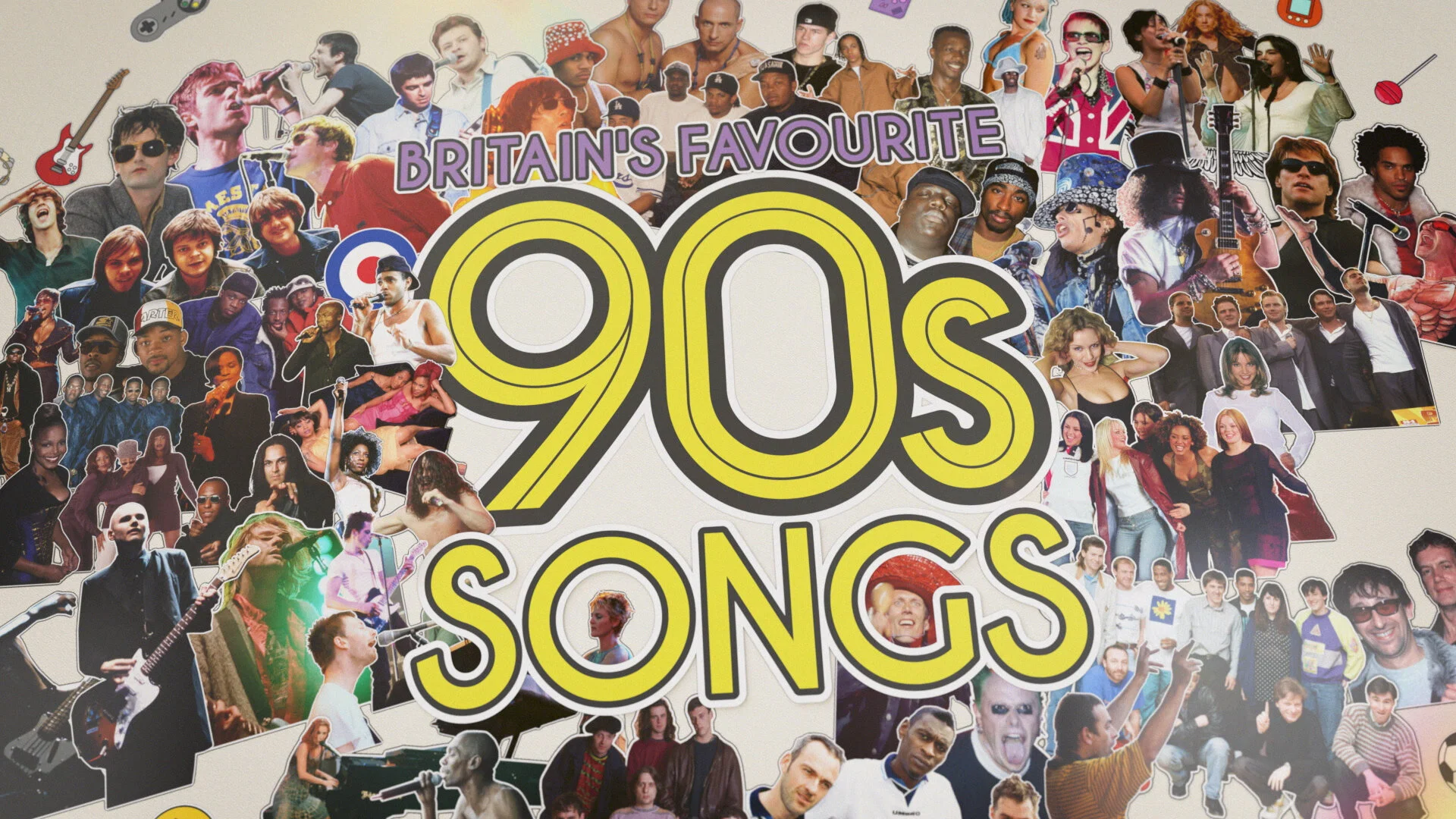
The 1990s represented a transformative era in music history, characterized by the fragmentation of the mainstream into diverse subcultures including grunge, gangsta rap, Britpop, and teen pop. It was the final decade dominated by physical media—specifically the Compact Disc—before the digital revolution of the early 2000s fundamentally altered distribution and consumption.
The music of the 1990s was more than just a collection of hits; it was a decade-long dialogue between underground authenticity and polished commercialism. As of 2026, the influence of this period remains ubiquitous, seen in the persistent popularity of 90s-style production in modern synth-pop and the continued dominance of 90s icons on global touring circuits. To understand 90s music is to understand the bridge between the analog rock traditions of the 20th century and the digitized, genre-fluid landscape of the 21st.
The Grunge Explosion and the Death of Glam Metal
The decade began with a seismic shift in the rock landscape. By 1990, the "Hair Metal" of the 1980s—defined by its theatricality, high-pitched vocals, and polished production—had reached a point of saturation. The audience was primed for something raw, and that catalyst arrived from the Pacific Northwest. Seattle became the epicenter of a new movement: Grunge.
Nirvana’s release of Nevermind in September 1991 is often cited as the official turning point. The lead single, "Smelt Like Teen Spirit," combined punk-rock energy with melodic hooks, effectively ending the dominance of 80s pop-metal overnight. Grunge was characterized by distorted guitars, "slacker" aesthetics (flannel shirts and combat boots), and lyrics that dealt heavily with social alienation, apathy, and psychological trauma.
Beyond Nirvana, the "Big Four" of Seattle—which included Pearl Jam, Soundgarden, and Alice in Chains—redefined rock music for Generation X. Pearl Jam’s Ten focused on anthemic, classic-rock-inspired song structures with Vedder’s baritone delivery, while Alice in Chains leaned into darker, sludge-metal influences. By the mid-90s, however, the movement began to buckle under the weight of its own commercial success and the tragic death of Kurt Cobain in 1994. This vacuum led to the "Post-Grunge" era, where bands like Bush, Silverchair, and Stone Temple Pilots smoothed out the rough edges of the Seattle sound for even broader radio appeal.
The Golden Era of Hip-Hop and Regional Rivalries
While rock was being reinvented in Seattle, hip-hop was entering what many historians consider its "Golden Age." The 1990s saw the genre evolve from a niche urban movement into the most influential cultural force in the world. This era was defined by innovative sampling techniques, complex lyrical wordplay, and the rise of regional identities.
In the early 90s, the West Coast dominated the airwaves with the "G-Funk" sound, pioneered by Dr. Dre on his 1992 masterpiece The Chronic. G-Funk utilized slow, heavy grooves and melodic synthesizers, creating a laid-back but menacing backdrop for the narratives of Snoop Dogg and Tupac Shakur. Meanwhile, the East Coast experienced a resurgence through the gritty, lo-fi production of the Wu-Tang Clan and the unparalleled lyrical precision of The Notorious B.I.G. and Nas.
The competition between the East and West coasts eventually escalated into a tragic rivalry that defined the mid-90s. However, this friction also produced some of the greatest albums in the history of the genre, including Ready to Die and All Eyez on Me. By the late 90s, the focus shifted toward the South and the "Bling Era," with labels like No Limit and Cash Money Records introducing a high-energy, bounce-influenced sound that would set the stage for the Atlanta-dominated hip-hop scene of the 21st century.
The Rise of the Pop Machine: Boy Bands and Teen Idols
The latter half of the 1990s saw a sharp pivot back toward choreographed, high-gloss commercial pop. This "Teen Pop" explosion was largely driven by a handful of power players, including manager Lou Pearlman and Swedish songwriter/producer Max Martin. Martin’s "Cheiron Studios" sound—characterized by heavy compression, mathematical melodic structures, and incredibly catchy choruses—became the blueprint for global hits.
The Spice Girls kicked off the trend in 1996 with "Wannabe," introducing the concept of "Girl Power" and distinct character archetypes within a group. This was followed by the meteoric rise of Backstreet Boys and *NSYNC, who brought tight vocal harmonies and intricate dance routines back to the mainstream.
In 1998, Britney Spears released "...Baby One More Time," a track that effectively launched the modern era of the solo female pop star. Along with Christina Aguilera, Spears dominated the TRL (Total Request Live) era on MTV. This period represented the pinnacle of the "Music Video" as a cultural event; a video's premiere could freeze the day's schedule for millions of teenagers, making the visual aesthetic of the artist as important as the audio recording.
Britpop and the Alternative Revolution
Across the Atlantic, the United Kingdom was undergoing its own musical renaissance known as Britpop. This was a direct reaction to the American dominance of grunge. Where grunge was dark and introspective, Britpop was bright, melodic, and fiercely British, drawing inspiration from The Beatles, The Kinks, and The Smiths.
The "Battle of Britpop" in 1995 between Blur and Oasis became a national news event in the UK, symbolizing a class divide between the art-school leanings of London-based Blur and the working-class swagger of Manchester’s Oasis. Oasis’s What's the Story) Morning Glory? became one of the best-selling albums in history, defined by Liam Gallagher’s sneering vocals and Noel Gallagher’s arena-ready songwriting.
Simultaneously, "Alternative" became a catch-all term for anything that didn't fit the standard pop or rock molds. This allowed for the success of eclectic acts like Beck, who blended folk, hip-hop, and rock; Radiohead, who moved from grunge-adjacent rock to the experimental electronic textures of OK Computer (1997); and the Riot Grrrl movement, which brought feminist politics and DIY punk ethics to the forefront through bands like Sleater-Kinney and Bikini Kill.
Electronic Dance Music (EDM) and the Rave Scene
The 90s also solidified Electronic Dance Music (EDM) as a mainstream powerhouse. What began as an underground rave culture in the late 80s exploded into various sub-genres like Techno, House, Trance, and Drum and Bass. In the UK and Europe, rave culture became a defining social movement for the youth, leading to massive outdoor festivals and the eventual commercialization of the "Superstar DJ."
Artists like The Prodigy and The Chemical Brothers pioneered the "Big Beat" sound, which combined heavy breakbeats with rock sensibilities, making electronic music palatable for rock fans. The Prodigy’s The Fat of the Land (1997) reached number one in several countries, proving that electronic music could achieve the same "rock star" status as traditional bands. In the United States, the "Electronica" boom of the late 90s introduced a wider audience to acts like Moby and Fatboy Slim, laying the groundwork for the EDM festival culture that would dominate the 2010s.
Essential 90s Genre Comparison
The following table outlines the defining characteristics and key figures of the most influential genres of the 1990s.
| Genre | Key Characteristics | Landmark Album | Key Artists |
|---|---|---|---|
| Grunge | Distorted guitars, angst-filled lyrics, flannel aesthetic. | Nevermind (1991) | Nirvana, Pearl Jam, Soundgarden |
| G-Funk | Slow grooves, high-pitched synths, West Coast themes. | The Chronic (1992) | Dr. Dre, Snoop Dogg, Warren G |
| Britpop | Melodic, guitar-driven, British cultural themes. | Definitely Maybe (1994) | Oasis, Blur, Pulp |
| Teen Pop | Polished production, choreographed, youth-oriented. | ...Baby One More Time (1999) | Britney Spears, Backstreet Boys, *NSYNC |
| Trip Hop | Downtempo, atmospheric, jazz/hip-hop fusion. | Dummy (1994) | Portishead, Massive Attack, Tricky |
| Big Beat | Heavy breakbeats, synth loops, energetic. | Dig Your Own Hole (1997) | The Chemical Brothers, The Prodigy |
The Technological Transition: From CDs to Napster
The 1990s were the golden age of the Compact Disc (CD). After nearly a decade of competing with vinyl and cassettes, the CD became the standard format for music consumption due to its durability and superior sound quality. This era saw the height of the "Music Megastore" like Virgin Megastore and Tower Records, where fans would queue at midnight for new releases.
However, the late 90s also saw the seeds of the industry's eventual disruption. The development of the MP3 file format allowed for digital compression of audio without significant loss of quality. In 1999, the launch of Napster, a peer-to-peer file-sharing service, fundamentally changed the value of recorded music. While the industry fought Napster in court, the genie was out of the bottle; the 90s ended with the realization that the physical sale of plastic discs would no longer be the sole driver of the music economy.
Frequently Asked Questions
What was the best-selling album of the 1990s?
The best-selling album released in the 1990s globally is often cited as Alanis Morissette’s Jagged Little Pill (1995) or Shania Twain’s Come On Over (1997). While Whitney Houston's soundtrack for The Bodyguard also holds massive sales figures from the early 90s, Twain's album remains the best-selling studio album by a female artist in history, crossing over from country to mainstream pop.
Why did grunge become so popular so quickly?
Grunge resonated because it felt authentic compared to the "over-produced" sound of the late 1980s. The economic recession of the early 90s and the disillusionment of Generation X created an audience that prioritized emotional honesty and a "DIY" look over the glamor of the previous decade.
How did 90s hip-hop change the music industry?
90s hip-hop moved the genre from the periphery to the center of global culture. It introduced sophisticated business models—such as artist-owned labels like Bad Boy and Death Row—and proved that street-level narratives had massive commercial appeal across all demographics.
Is 90s music still relevant in 2026?
Yes, 90s music remains highly relevant through the "30-year cycle" of nostalgia. Many current artists in 2026 utilize 90s production techniques, such as lo-fi hip-hop beats or grunge-inspired guitar tones. Additionally, the streaming era has allowed 90s "catalog" music to remain as frequently played as modern hits.
Exploring the 90s Sound Today
For those looking to dive into 90s music, the best approach is to explore by "scene" rather than by individual hits. Because the decade was so fragmented, listening to a curated playlist of the "Seattle Sound" provides a very different experience than a "90s Eurodance" set. To truly understand the decade's impact, listen to the transition from 1991 (the year of the alternative breakout) to 1999 (the peak of the pop/digital transition). This provides a clear view of how the industry moved from rebellious underground sounds to a highly refined, global pop machine.