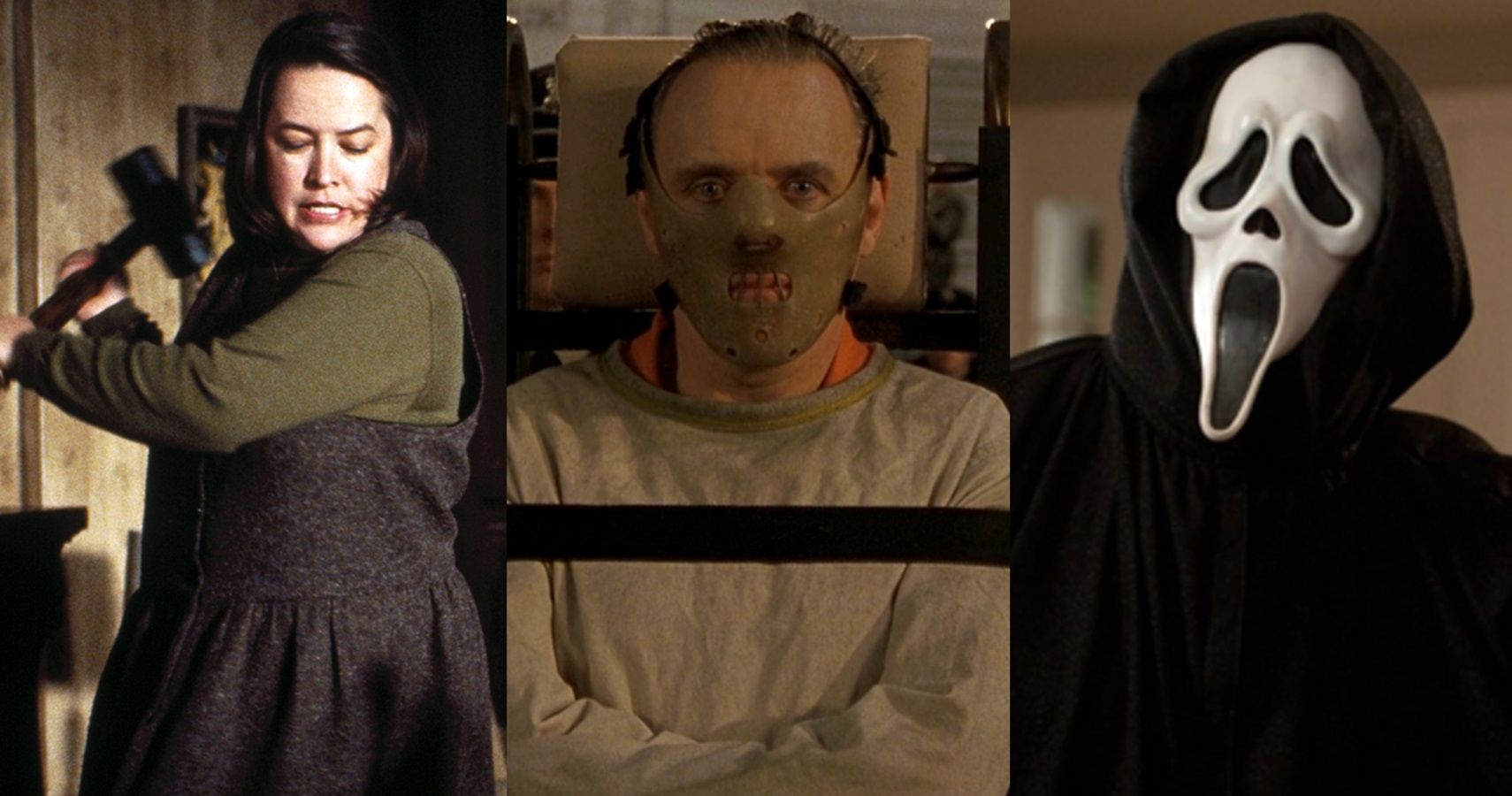
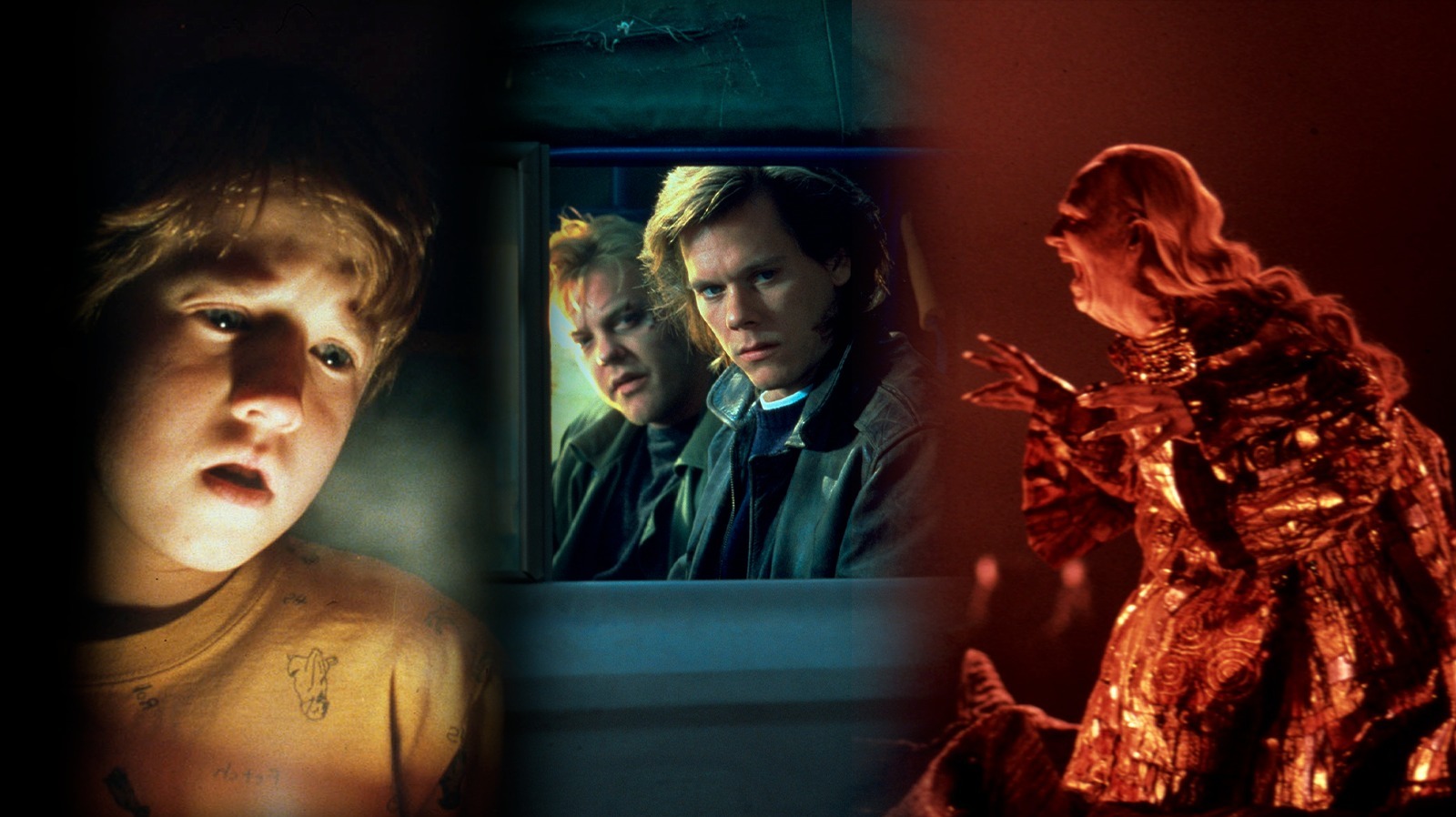
In 2026, the resurgence of 90s horror is headlined by the long-awaited restoration and expansion of films centered on the "Hell" motif, most notably the cult classic Event Horizon. This movement focuses on the revival of cosmic and infernal horror through modern sequels, high-fidelity remasters, and new adaptations that prioritize the visceral, nihilistic dread characteristic of 1990s genre cinema.
The cinematic landscape of 2026 has witnessed a profound fascination with the "hell-gate" subgenre of the 1990s. This era, once dismissed by critics as a transitional period between the slasher boom of the 80s and the J-horror wave of the early 2000s, is now recognized for its unique blend of high-concept sci-fi and occult terror. When fans search for "the movie that came back from hell," they are almost universally referring to Paul W.S. Anderson’s 1997 masterpiece, Event Horizon, a film whose production history is as tortured as its protagonists. Today, the "return" of this era signifies more than just nostalgia; it represents a technical and narrative evolution in how we portray the impossible horrors of the afterlife and deep space.
The Infernal Legacy of Event Horizon and 90s Cosmic Horror
To understand why 90s horror is returning with such force in 2026, one must look at the specific DNA of films like Event Horizon, Hellraiser III: Hell on Earth (1992), and Lord of Illusions (1995). These films moved away from the terrestrial masked killers of the previous decade, instead looking toward the stars or internal psychological dimensions for their "Hell."
Event Horizon remains the definitive "movie that came back from hell." Its premise—a rescue vessel searching for a lost ship that accidentally breached a dimension of "pure chaos"—resonates in 2026 because it combines quantum physics with medieval theological terror. The film’s tagline, "Infinite Space, Infinite Terror," underscored a shift toward cosmic nihilism. In the 90s, the "Hell" depicted wasn't just a place of fire and brimstone; it was a sensory overload of gore, biomechanical architecture, and psychological disintegration.
The current 2026 revival has seen major studios investing in the "lost footage" of these 90s classics. For years, rumors of a legendary "Snyder-cut" equivalent for Event Horizon circulated. While much of the original film stock was famously lost in a salt mine, modern AI-assisted restoration and the discovery of secondary elements have allowed for "Restored Visions" that bring these hellish sequences to modern 4K and 8K audiences, satisfying a decades-long curiosity about the film's original, more graphic intent.
Why 2026 is the Year of the 90s Horror Revival
The return of 90s horror in 2026 is driven by several converging factors. First, the generational cycle has placed 90s children in key creative roles within the film industry. Directors who were traumatized by the "blood orgy" scenes of 1997 are now the ones helming big-budget reboots and spiritual successors.
Second, there is a "tactile fatigue" in the 2020s. After years of clean, digital-heavy horror, audiences are craving the grimy, industrial aesthetic of the 90s. The "Hell" of 90s cinema was often built with practical miniatures, heavy prosthetic makeup, and rusted metal sets. In 2026, filmmakers are returning to these practical roots, supplemented by "invisible" CGI, to recreate the claustrophobic feel of a spaceship or a haunted mental institution.
Furthermore, the themes of the 90s—technological anxiety and the fear of the unknown at the turn of the millennium—feel remarkably relevant today. As we push further into space exploration and complex AI, the idea of a machine "opening a door" to a dimension it cannot control is no longer just a fantasy; it is a potent metaphor for contemporary scientific hubris.
Technical Evolution: Remastering the Gates of Hell
Restoring 90s horror for 2026 audiences presents unique technical challenges and opportunities. Unlike 80s films shot on 35mm with relatively simple effects, 90s horror often utilized early digital compositing. These early CGI elements frequently don't age well, appearing "floaty" or low-resolution on modern screens.
The 2026 restoration efforts focus on Hybrid Reconstruction. This involves:
- Scanning original 35mm negatives at 8K resolution to capture the organic grain and detail of the practical sets.
- AI-Upscaling and Re-rendering: Early CGI elements are being meticulously re-rendered using modern physics engines while maintaining the original artistic intent.
- Spatial Audio Mapping: Upgrading the industrial soundtracks—often featuring 90s icons like Orbital or Michael Kamen—into immersive Dolby Atmos tracks that simulate the shifting metallic groans of a "living" ship or a demonic realm.
This technical bridge allows 90s horror to "come back from hell" in a way that feels contemporary without losing its grit. It isn't just about making the movie look better; it's about making the experience as visceral as it was intended to be before studio interference or technical limitations got in the way.
Comparative Analysis: 90s Originals vs. 2026 Revivals
The following table illustrates the shift in how "Hell-themed" horror has evolved from its 90s roots to the current 2026 landscape.
| Feature | 90s Original Approach (e.g., Event Horizon, In the Mouth of Madness) | 2026 Revival Approach (Remakes, Sequels, Restorations) |
|---|---|---|
| Primary Theme | Fear of the Millennium / Tech Hubris | Cosmic Nihilism / Multiversal Collapse |
| Visual Aesthetic | Industrial Goth, Rust, Flashing Lights | Hyper-Realism, "Liminal Space" Horror, Bio-Mechanical |
| Visual Effects | Practical Models + Early CGI Composites | Advanced Practical FX + AI-Enhanced Textures |
| Sound Design | Industrial Techno / Orchestral Hybrid | Aural Bio-Feedback / Generative Horror Soundscapes |
| Distribution | Theatrical / VHS / DVD | 8K Streaming / Boutique Physical Media / VR "Experiences" |
| Hell Concept | A Physical "Other" Place | A Psychological / Dimensional Overlay |
The "Came Back From Hell" Aesthetic in Modern Media
The aesthetic of a movie that "came back from hell" is characterized by a specific type of visual distortion. In the 90s, this was often represented by rapid-fire editing—subliminal frames of gore and torture that lasted only a fraction of a second. In 2026, this has evolved into "glitch horror."
Modern entries in the 90s revival movement use digital artifacts as a storytelling tool. If a ship or a person has "been to the other side," the very footage of them appears corrupted. This creates a meta-narrative where the medium itself is possessed. We see this in the 2026 limited series expansions of 90s properties, where the "Hell" dimension is not just a location characters visit, but a virus that infects their reality and the viewer's screen.
This aesthetic also leans heavily on Liminal Spaces. While the 90s used cramped corridors, 2026 horror uses vast, empty, yet "wrong" versions of familiar architecture—a concept pioneered by 90s psychological thrillers like Jacob’s Ladder (1990) and refined with today’s understanding of spatial unease.
Identifying the "True" 90s Hell-Gate Classics
If you are looking to explore the roots of this movement, certain films are essential. These are the pillars that define the "movie came back from hell" search intent:
- Event Horizon (1997): The gold standard. A ship disappears into a black hole and returns as a sentient, demonic entity. Its influence on 2026 cinema cannot be overstated.
- In the Mouth of Madness (1994): John Carpenter’s masterpiece about a reality-warping book that brings an eldritch "Hell" to Earth. It captures the 90s fear of losing one's grip on objective reality.
- Lord of Illusions (1995): Clive Barker’s exploration of the "Puritans," a cult seeking to bring a powerful entity back from the grave. It blends 90s noir with extreme body horror.
- Hellraiser: Bloodline (1996): Though troubled by production issues, its ambitious story spanning the past, present, and a space-station future mirrors the structural complexity of modern 2026 horror narratives.
FAQ
What does "the movie came back from hell" specifically refer to?
In most horror circles, this refers to the ship Event Horizon from the 1997 film of the same name. The plot involves a spacecraft that uses a "gravity drive" to fold space-time, accidentally entering a dimension described by the ship's designer as "a world of chaotic evil" (Hell). When the ship reappears, it is essentially "possessed" by that dimension.
Is there a new Event Horizon movie or series in 2026?
As of 2026, the franchise has seen a major resurgence. While a direct theatrical remake has been debated, the focus has been on a high-budget streaming series that expands on the lore of the "Gravity Drive" and the "Dimensions of Chaos," as well as a definitive "Restored Vision" cut of the 1997 film that utilizes AI to reconstruct missing scenes.
Why was 90s horror so obsessed with "Hell" and space?
The 90s were a period of rapid technological advancement and the looming uncertainty of the Year 2000 (Y2K). Combining the "final frontier" of space with the ancient "final frontier" of the afterlife reflected a cultural anxiety that our technology might eventually lead us into spiritual or existential ruin.
How can I watch these 90s horror films in high quality today?
In 2026, the best way to experience these films is through boutique physical media labels that offer 8K UHD transfers or specialized "Horror Vault" streaming services. These versions often include "Evolutionary Commentaries" which explain how the 90s practical effects were achieved and subsequently restored.
Are the 2026 revivals as scary as the 90s originals?
The 2026 revivals often lean more into psychological dread and "cosmic insignificance" than the jump-scare-heavy films of the early 2010s. By returning to the 90s philosophy of "unseen horror" and visceral, practical gore, many critics argue that current horror has regained the intensity that was lost in the era of sanitized PG-13 horror.
Strategic Viewing: Navigating the 90s Horror Resurgence
For those looking to dive into the 90s horror revival, the best approach is to start with the foundational "Hell" films before moving to their 2026 counterparts. Begin with a high-definition viewing of Event Horizon to understand the visual language of "infernal technology." Follow this with John Carpenter’s "Apocalypse Trilogy" to see how the 90s handled the end of the world.
When transitioning to modern 2026 content, look for directors who emphasize practical effects and liminal horror. The "90s horror returns" movement isn't just about remaking old movies; it's about reclaiming a tone of uncompromising, bleak, and imaginative terror that suggests some doors, once opened, can never be closed—and some things that come back from Hell are better left in the dark.