The 1990s represented a seismic shift in the global music landscape, characterized by the rise of grunge, the dominance of Britpop, and the commercial explosion of manufactured pop groups. Defining acts such as Nirvana, the Spice Girls, and Oasis fundamentally reshaped industry standards, moving away from 1980s artifice toward raw authenticity or hyper-curated global branding.
The Grunge Revolution and the Seattle Sound
The early 1990s witnessed the sudden displacement of "hair metal" by the abrasive, introspective sounds of the Pacific Northwest. This movement, broadly categorized as grunge, prioritized raw emotional expression and a "DIY" aesthetic that rejected the polished production of the previous decade.
Nirvana remains the undisputed figurehead of this era. Their 1991 album, Nevermind, specifically the single "Smells Like Teen Spirit," is often cited by music historians as the turning point that brought alternative rock into the mainstream. Kurt Cobain’s songwriting combined melodic pop sensibilities with punk rock aggression, creating a template that dozens of bands would follow throughout the decade.
While Nirvana provided the catalyst, Pearl Jam offered a more classic-rock-inflected version of the Seattle sound. Their debut, Ten, focused on anthemic choruses and Eddie Vedder’s baritone delivery, addressing heavy social themes. Unlike many of their peers, Pearl Jam engaged in a high-profile battle against industry monopolies, most notably their lawsuit against Ticketmaster, which solidified their reputation as a band that prioritized fan interests over corporate profit.
Other foundational acts included Alice in Chains, who blended heavy metal riffs with haunting vocal harmonies, and Soundgarden, known for Chris Cornell’s incredible vocal range and complex time signatures. Together, these groups established the "Seattle Sound" as the dominant cultural force of the early 90s, influencing everything from fashion (flannel shirts and combat boots) to the lyrical focus on alienation and cynicism.
Britpop and the Battle for Cultural Supremacy
While grunge dominated the United States, the United Kingdom saw a resurgence of guitar-based pop-rock known as Britpop. This movement was deeply rooted in British identity, drawing heavy influence from The Beatles, The Kinks, and The Smiths.
The mid-90s were defined by the "Battle of Britpop," a chart rivalry between Oasis and Blur. Oasis, led by brothers Liam and Noel Gallagher, channeled the working-class swagger of 1960s rock. Their 1995 album, (What's the Story) Morning Glory?, became one of the best-selling records in UK history, fueled by hits like "Wonderwall" and "Don't Look Back in Anger."
In contrast, Blur offered a more art-school, experimental take on the genre. Led by Damon Albarn, the band explored satirical themes of British life in albums like Parklife. The rivalry peaked in August 1995 when both bands released singles on the same day—Blur's "Country House" and Oasis's "Roll With It"—a moment that remains a cornerstone of 1990s pop culture history.
Beyond the "Big Two," bands like Pulp, led by Jarvis Cocker, brought a sophisticated, lyrical depth to the genre, while Radiohead began their journey as a standard alternative rock band with Pablo Honey (1993) before fundamentally evolving the genre with the experimental, atmospheric OK Computer in 1997. Radiohead’s transition marked the end of the Britpop era and the beginning of a more fragmented, electronic-influenced rock landscape.
The Global Phenomenon of Pop Groups
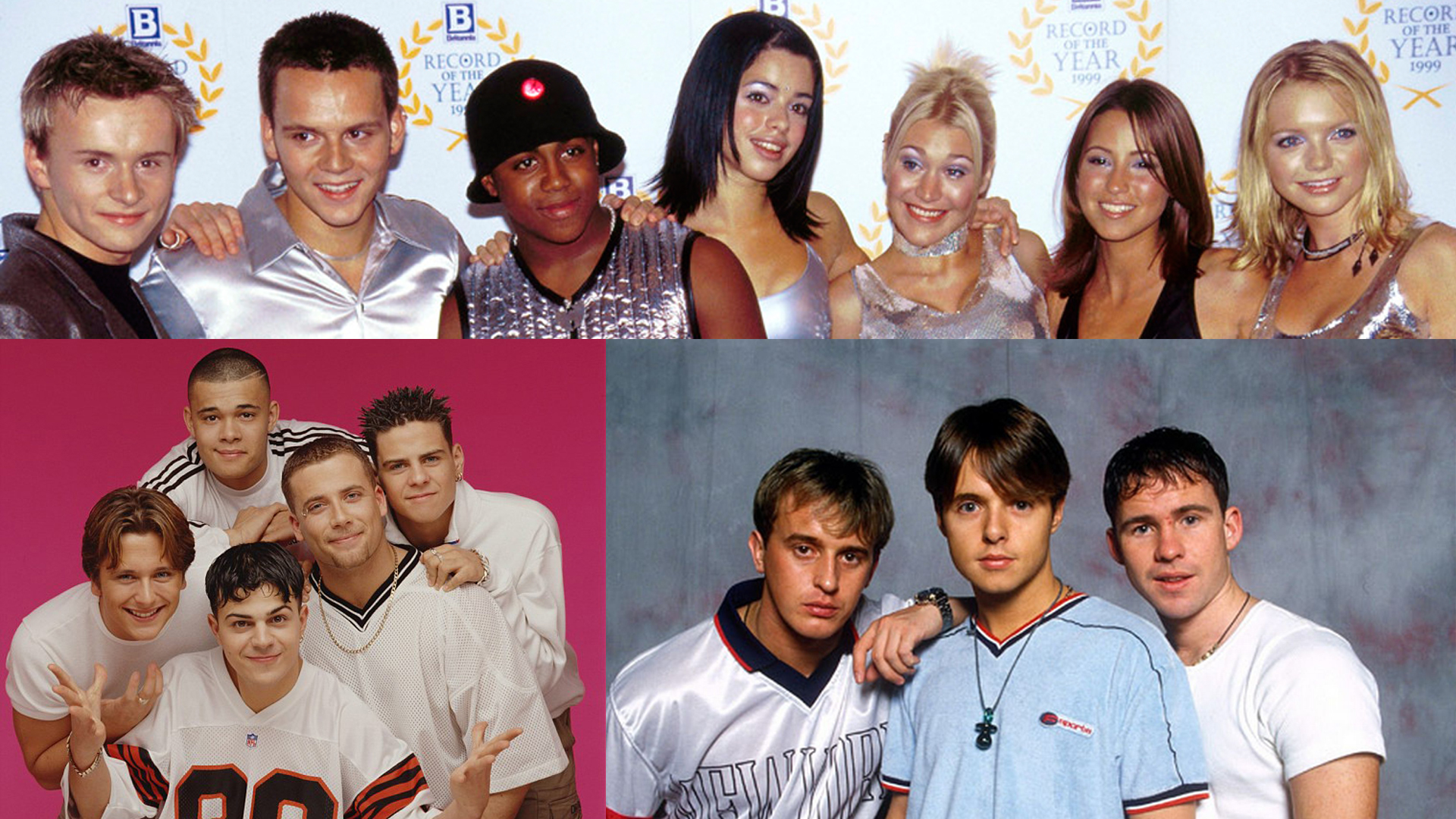
The latter half of the 1990s saw a pivot toward highly produced, visually oriented pop music. This era was defined by the rise of "Girl Power" and the return of the boy band, largely driven by the production prowess of figures like Max Martin and Lou Pearlman.
The Spice Girls were a cultural phenomenon unlike any other in the decade. Their 1996 debut single, "Wannabe," introduced the concept of "Girl Power," a brand of feminism that resonated with a massive global audience. The group’s distinct personas (Posh, Scary, Baby, Sporty, and Ginger) allowed for a level of individual marketing that maximized their reach, making them the most commercially successful female group of the era.
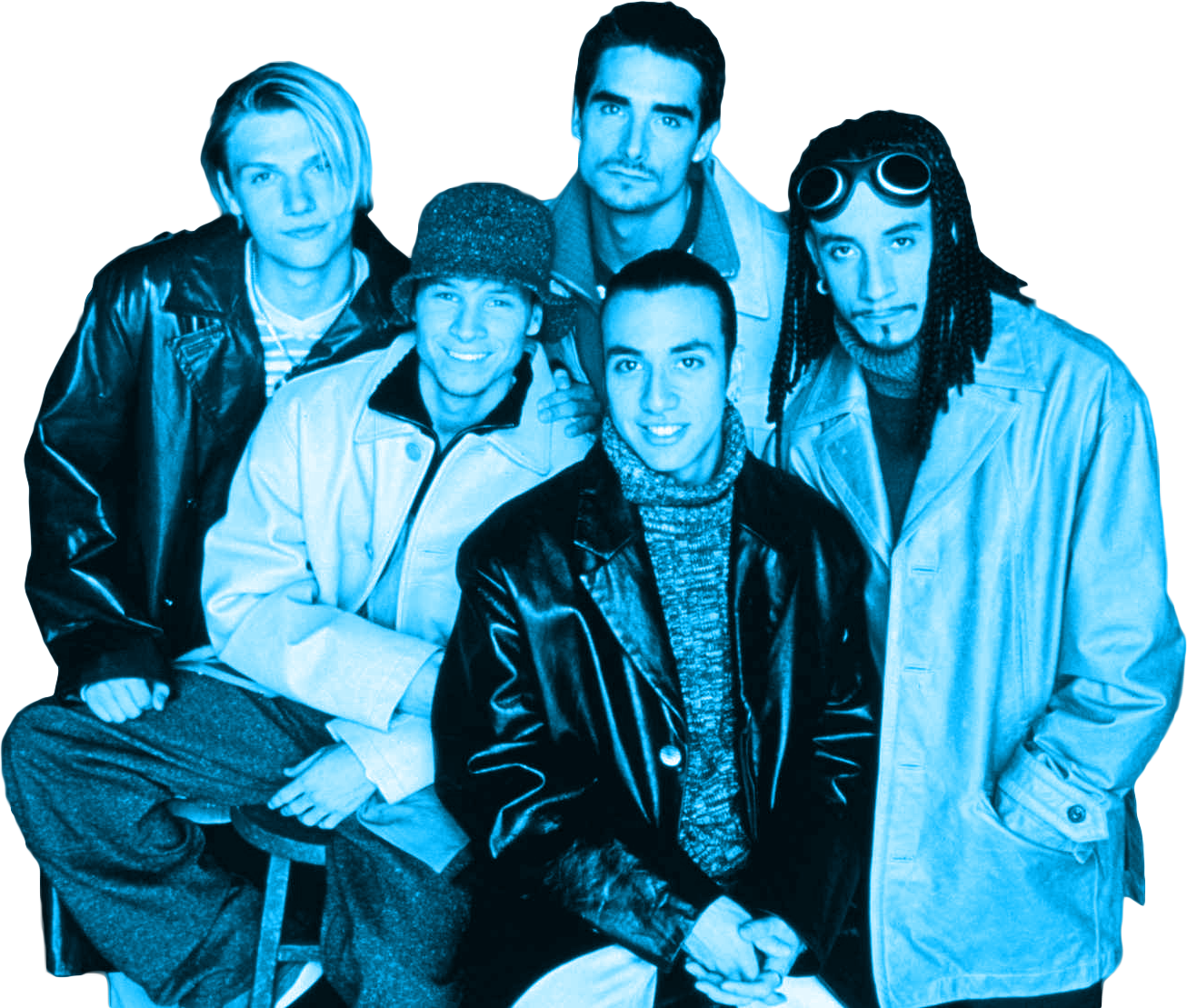
In the boy band sector, Backstreet Boys and *NSYNC engaged in a friendly but fierce competition for chart dominance. Both groups relied on intricate vocal harmonies, synchronized choreography, and polished production. The Backstreet Boys’ Millennium (1999) and *NSYNC’s No Strings Attached (2000, though heavily influenced by their 90s groundwork) set records for first-week sales that stood for over a decade. This era proved that the industry had perfected the art of the "total package" artist, where visual aesthetics and personality were as vital as the music itself.
Alternative Rock and the Indie Evolution
Outside the concentrated hubs of Seattle and London, alternative rock flourished in various sub-genres. R.E.M., who had been underground darlings in the 80s, reached their commercial peak in the early 90s with Out of Time and Automatic for the People. Their success demonstrated that cerebral, folk-inflected rock could achieve massive success without sacrificing artistic integrity.
The Smashing Pumpkins, led by Billy Corgan, brought a symphonic, grandiose scale to alternative rock. Their double album, Mellon Collie and the Infinite Sadness, showcased a range from heavy metal to electronic dream pop, reflecting the era's willingness to experiment with long-form projects.
The Red Hot Chili Peppers also redefined their sound during this period. While they began as a funk-punk outfit, their 1991 release Blood Sugar Sex Magik and later 1999’s Californication introduced more melodic, psychedelic elements. Their longevity is often attributed to this ability to blend rhythmic complexity with radio-friendly hooks.
Hip-Hop Collectives and R&B Groups
The 1990s are often referred to as the "Golden Age" of hip-hop, and much of this was driven by groups rather than solo artists. The Wu-Tang Clan revolutionized the industry structure by signing as a collective to one label while allowing individual members to sign solo deals elsewhere. Their debut, Enter the Wu-Tang (36 Chambers), introduced a gritty, lo-fi production style and intricate lyrical storytelling that became a blueprint for East Coast hip-hop.
On the R&B side, groups like TLC and Destiny’s Child dominated the airwaves. TLC blended hip-hop, soul, and pop with socially conscious lyrics (as heard in "Waterfalls"), while Destiny’s Child (emerging toward the late 90s) set the stage for modern R&B vocal arrangements and empowered lyrical themes. These groups were essential in bridging the gap between urban music and mainstream pop audiences.
Comparison of Defining 90s Music Movements
| Movement | Key Acts | Primary Geographic Hub | Core Themes | Defining Album(s) |
|---|---|---|---|---|
| Grunge | Nirvana, Pearl Jam, Alice in Chains | Seattle, USA | Alienation, authenticity, angst | Nevermind, Ten |
| Britpop | Oasis, Blur, Pulp | London/Manchester, UK | British identity, 60s revivalism | Morning Glory?, Parklife |
| Pop/Boy Bands | Spice Girls, Backstreet Boys, *NSYNC | Global (Orlando/London) | Empowerment, romance, escapism | Spice, Millennium |
| Alt-Rock | R.E.M., Smashing Pumpkins, Radiohead | Athens, GA / Chicago / Oxford | Melancholy, experimentation | Automatic for the People, OK Computer |
| Hip-Hop | Wu-Tang Clan, Outkast, Beastie Boys | NYC / Atlanta / LA | Social realism, lyricism, street culture | 36 Chambers, Aquemini |
The Transition to Nu-Metal and the End of the Decade
As the 1990s drew to a close, the angst of grunge evolved into a more aggressive, rap-influenced genre known as Nu-Metal. Bands like Korn, Deftones, and Limp Bizkit combined down-tuned guitars with hip-hop rhythms. This movement was characterized by its intense energy and focus on domestic and personal trauma, finding a massive audience at the turn of the millennium.
Linkin Park emerged at the very end of the decade, with their debut Hybrid Theory (released in 2000 but heavily developed in the late 90s) becoming one of the best-selling debuts of all time. Their success marked the final evolution of the 90s rock group—a highly produced, genre-blending entity that could appeal to fans of rock, metal, and hip-hop simultaneously.
Frequently Asked Questions
Which 90s group band had the highest album sales?
While many bands had massive success, the Backstreet Boys and the Spice Girls are among the top-selling groups of the decade. The Backstreet Boys' Millennium sold over 24 million copies worldwide, while the Spice Girls' Spice sold over 23 million. In the rock genre, Nirvana’s Nevermind and Metallica’s self-titled "Black Album" also posted legendary numbers, both exceeding 30 million copies over the long term.
Why was the "Battle of Britpop" so significant?
The "Battle of Britpop" was significant because it transcended music to become a cultural event that symbolized British national pride in the mid-90s (often called "Cool Britannia"). It was fueled by the UK media to create a rivalry between the working-class North (Oasis) and the middle-class South (Blur), driving record sales to unprecedented heights and bringing guitar music back to the top of the charts.
What happened to grunge after Kurt Cobain's death?
After Kurt Cobain’s death in 1994, the initial "grunge" wave began to subside. However, it evolved into "Post-Grunge," a more radio-friendly version of the sound. Bands like Foo Fighters (formed by Nirvana drummer Dave Grohl), Bush, and Silverchair continued the aesthetic into the late 90s, though the raw, counter-cultural edge of the early Seattle scene had largely been commercialized.
How did 90s hip-hop groups influence modern music?
90s hip-hop groups like Wu-Tang Clan and A Tribe Called Quest introduced production techniques such as heavy sampling and jazz-inflection that are still standard today. Furthermore, the "collective" model established by Wu-Tang paved the way for modern groups like Odd Future or Brockhampton, where members maintain individual identities while contributing to a shared brand.
What role did female groups play in the 90s?
Female groups in the 90s were pivotal in shifting the pop music demographic. Acts like the Spice Girls, TLC, and En Vogue moved away from the "girl next door" image toward more assertive, independent personas. They addressed topics like safe sex, body image, and professional ambition, significantly influencing the empowerment-focused pop of the 21st century.
Recommendations for Navigating 90s Discographies
To truly understand the 90s group band era in 2026, one must look beyond the "Greatest Hits" compilations. The decade was defined by cohesive albums rather than just singles. Start by listening to the "Big Four" of Grunge (Nirvana, Pearl Jam, Soundgarden, Alice in Chains) to understand the early 90s shift. For the mid-decade transition, compare the production of Oasis’s Morning Glory? with the experimental depth of Radiohead’s OK Computer.
If your interest lies in the pop explosion, analyze the "Max Martin sound" found in early Backstreet Boys records, which established the melodic math used in today’s Top 40. Finally, explore the discography of the Wu-Tang Clan to see how group dynamics can revolutionize music business models. Understanding these acts provides a blueprint for how modern music genres were built, marketed, and consumed.