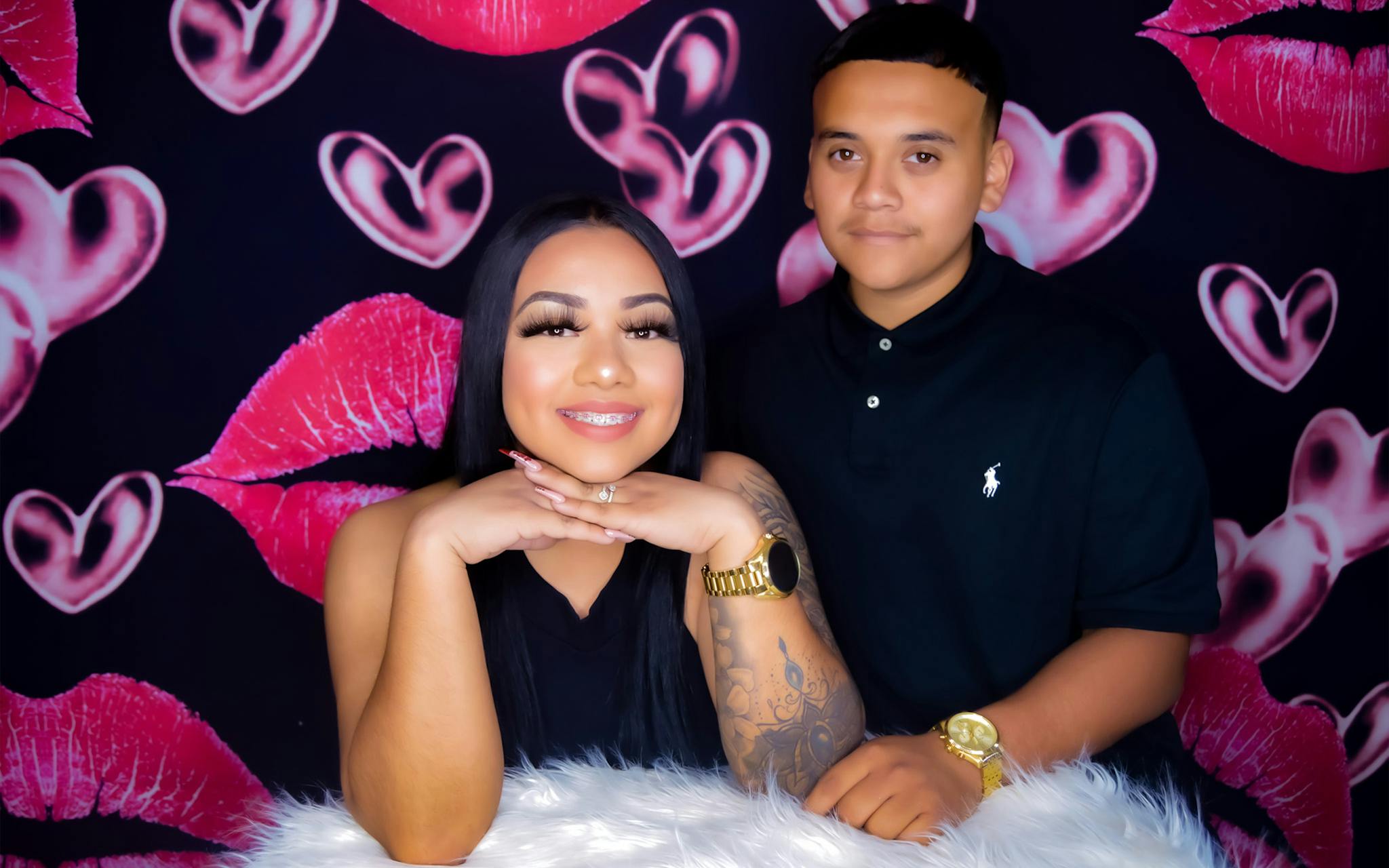
90s glamour shots for couples are defined by high-contrast studio lighting, soft-focus "haze" filters, and highly stylized, coordinated wardrobes including leather jackets, denim, or formal sequins. Achieving this romantic vintage look in 2026 requires blending authentic retro posing—like the "floating head" double exposure—with modern digital editing to replicate the signature airbrushed texture and dramatic backdrops of the era.
The aesthetic of the 1990s was a unique bridge between the neon-soaked 1980s and the minimalist digital age of the early 2000s. For couples today, recreating "Glamour Shots"—the ubiquitous mall-based portrait studio brand—is more than just a costume party; it is a dedicated artistic choice that celebrates kitsch, sincerity, and bold fashion. Whether you are planning an engagement session, an anniversary gift, or a social media series, understanding the technical and stylistic pillars of this era is essential for a successful recreation.
Defining the 90s Glamour Shot Aesthetic for Couples
To successfully execute a 90s-inspired romantic shoot, one must first understand what made the original "Glamour Shots" company so revolutionary. Founded in 1988, the brand reached its cultural zenith in the mid-1990s. The goal was never "natural" beauty; it was "transformed" beauty. For couples, this meant a temporary departure from their everyday selves to become something akin to soap opera stars or R&B album cover models.
The primary visual marker of this style is the diffusion filter. In the 1990s, photographers used physical Pro-Mist filters or even stretched nylon stockings over the lens to create a "glow" that smoothed skin and softened the edges of highlights. This creates a dreamy, romantic atmosphere where the couple seems to exist in a soft, ethereal space.
Lighting was equally specific. Most 90s glamour portraits utilized a four-point lighting setup: a key light, a fill light, a hair light (to create a silhouette glow against the hair), and a background light. For couples, this meant both subjects were equally illuminated, often with a "butterfly" lighting pattern that cast a small shadow under the nose, emphasizing cheekbones and jawlines.
Essential Wardrobe and Styling: The 90s Romantic Look
The wardrobe for a 90s glamour shoot is arguably the most critical element. In 2026, many of these pieces are considered "vintage grails," making them easier to source from high-end resellers. For a romantic couple's shoot, the key is coordination without being identical.
The "Urban Cool" Leather and Denim Look
One of the most iconic 90s couple tropes involves the use of oversized black leather jackets or heavy denim. This look suggests a "rebellious but in love" vibe. To pull this off, both partners should wear high-waisted "mom" or "dad" jeans, tucked-in white t-shirts, and matching or complementary leather jackets. The contrast between the rugged textures and the soft-focus photography creates the quintessential 90s aesthetic.
The "Black Tie" Sophistication
For a more formal romantic approach, look toward the sequins and shoulder pads of the mid-90s. Women often wore sequined cocktail dresses or velvet gowns with significant structural elements. For men, a tuxedo with a slightly oversized fit—avoiding the slim-fit trends of the 2010s—is essential. The goal is to look like a couple attending a high-stakes gala in a 1994 romantic thriller.
Hair and Makeup: The "More is More" Philosophy
Makeup in the 90s glamour era followed specific rules:
- The Matte Face: Before the "dewy" look became popular, matte skin was the gold standard. Use heavy powder to eliminate shine.
- Frosted Lips and Brown Liner: A dark lip liner paired with a lighter, frosted or metallic lipstick is the hallmark of the era.
- Big Hair: Even as the 90s progressed, volume remained a priority. For romantic shoots, hair should be blown out with significant lift at the roots, often styled in "curtain bangs" for men and high-volume curls for women.
Iconic Posing Ideas for Couples
Posing for 90s glamour shots is intentionally stiff and theatrical. Unlike modern "candid" photography that focuses on movement and laughter, these poses are about statuesque positioning and intense eye contact.
The "Floating Head" (Double Exposure)
Perhaps the most famous—and sought after—90s studio technique is the double exposure. This involves a close-up "floating" profile of one or both partners in the upper corner of the frame, while the main body of the photo shows the couple embracing. It creates a surreal, deeply romantic (and slightly humorous) effect that screams vintage mall photography.
The Back-to-Back Smize
In this pose, the couple stands back-to-back, slightly overlapping. One partner looks over their shoulder toward the camera, while the other looks straight ahead or slightly upward. This pose was designed to show off the profiles of both individuals while maintaining a sense of "power couple" unity.
The "Hand on the Chest" Lean
For a more intimate vibe, have the taller partner stand behind the other, wrapping their arms around. The partner in front places their hands over the other's hands, often positioned near the chest or collarbone. This pose was a staple for engagement announcements in the 1990s, focusing on the rings and the physical closeness of the couple.
Choosing the Right Backdrops and Technical Settings
The background of a 90s glamour shot is never an afterthought. Studios used painted canvas backdrops that provided texture and depth without distracting from the subjects.
- Cloudy Blue/Pink: A soft, airbrushed cloud pattern in muted pastels is the most "authentic" choice for romantic shoots.
- The "Laser" Grid: For couples who want a more "school portrait" or "tech-noir" 90s vibe, neon laser lines on a dark background are a popular choice.
- Solid Velvet: A deep maroon, navy, or black velvet backdrop provides a high-contrast environment that makes sequined clothing and "hair lights" pop.
Camera Settings and Post-Processing in 2026
If you are shooting digitally, you must replicate the film characteristics of the 90s. Set your ISO slightly higher than usual to introduce "grain," or add it in post-production. The color palette should be slightly "warm," with a lean toward magenta and yellow tones, mimicking the way 35mm film from that era (like Kodak Gold) aged.
Comparing Professional Studio vs. DIY 90s Shoots
Deciding whether to visit a specialized vintage studio or attempt a DIY shoot depends on your budget and desired level of authenticity.
| Feature | Professional Vintage Studio | DIY Digital Recreation |
|---|---|---|
| Lighting | Authentic 4-point strobe setups. | Natural light or basic ring lights. |
| Wardrobe | Usually provided (vintage archives). | Sourced from thrift stores or personal closets. |
| Backdrops | Genuine painted canvas or velvet. | Digital green screen or solid walls. |
| Photography | Medium format film or high-end CCD sensors. | Smartphone or modern DSLR. |
| Post-Processing | Often unnecessary (shot in-camera). | Requires heavy "haze" and "grain" filters. |
| Cost (2026) | $300 - $800 per session. | $20 - $100 (props and apps). |
Planning Your 90s Themed Photo Session
To ensure your shoot doesn't look like a generic costume party, you must plan the details with precision. Start by creating a "mood board" using authentic 1990s advertisements and actual Glamour Shots archives.
- Source the Props: Small details like a brick-sized cellular phone, a Walkman, or a bouquet of silk roses can add layers of storytelling to the "vintage" theme.
- Test the Lighting: If DIYing, practice "Butterfly Lighting." Place your main light source directly above and behind the camera lens to create that specific 90s shadow under the nose.
- Coordinate the "Level" of Dress: Ensure both partners are at the same level of formality. A couple where one is in a tuxedo and the other is in a casual windbreaker will break the "90s logic" of the shoot.
- Embrace the Cringe: The beauty of 90s glamour shots lies in their earnestness. If you feel slightly embarrassed by the pose, you are probably doing it correctly.
Frequently Asked Questions
What was the most popular 90s glamour shot background for couples?
The "Misty Blue Clouds" backdrop was the gold standard for romantic couple portraits. It offered a neutral but textured environment that complemented almost any clothing choice while providing a "heavenly" or "dreamy" atmosphere.
How can I make my modern photos look like they were taken in the 90s?
The secret is "halation" and "diffusion." You can use digital filters such as "Dehaze" (moving the slider to the left) or dedicated apps that simulate vintage film stock. Adding a slight "bloom" effect to the highlights will replicate the soft-focus lens filters used in 90s studios.
What should men wear for a 90s-style romantic photo shoot?
Men should look for "oversized" tailoring. This includes blazers with wide lapels, pleated trousers, or the classic 90s "tucked-in sweater" look. For a more rugged romantic vibe, a denim shirt layered over a white t-shirt is a timeless 90s choice.
Are 90s glamour shots supposed to look realistic?
No. The entire philosophy of the 90s glamour shot was "aspirational fantasy." The heavy makeup, dramatic lighting, and soft-focus filters were intended to make the subjects look like the best, most "polished" versions of themselves, often resembling celebrities of the era.
Can I do a 90s glamour shot with a modern smartphone?
Yes, but you will need a few accessories. A physical "Star Filter" or "Pro-Mist Filter" that clips onto your smartphone lens will provide better results than digital filters alone. Additionally, using a tripod and a separate light source (rather than the phone's flash) is necessary to achieve the 90s studio look.
Achieving Authentic 90s "Film Grain" and Color
Once the shoot is complete, the final step in your vintage journey is the "development" phase. In 2026, many photographers use AI-driven tools to match the specific grain structures of 1990s film stocks. To get the "romantic" look right, focus on the "blacks" in your photo; they shouldn't be true black, but rather a dark charcoal or slightly lifted grey. This "faded" look mimics the way physical photo prints from malls have aged over the last 30 years. When the texture, the lighting, and the posing align, the result is a timeless piece of nostalgia that honors both the couple and the decade that defined a generation's view of glamour.