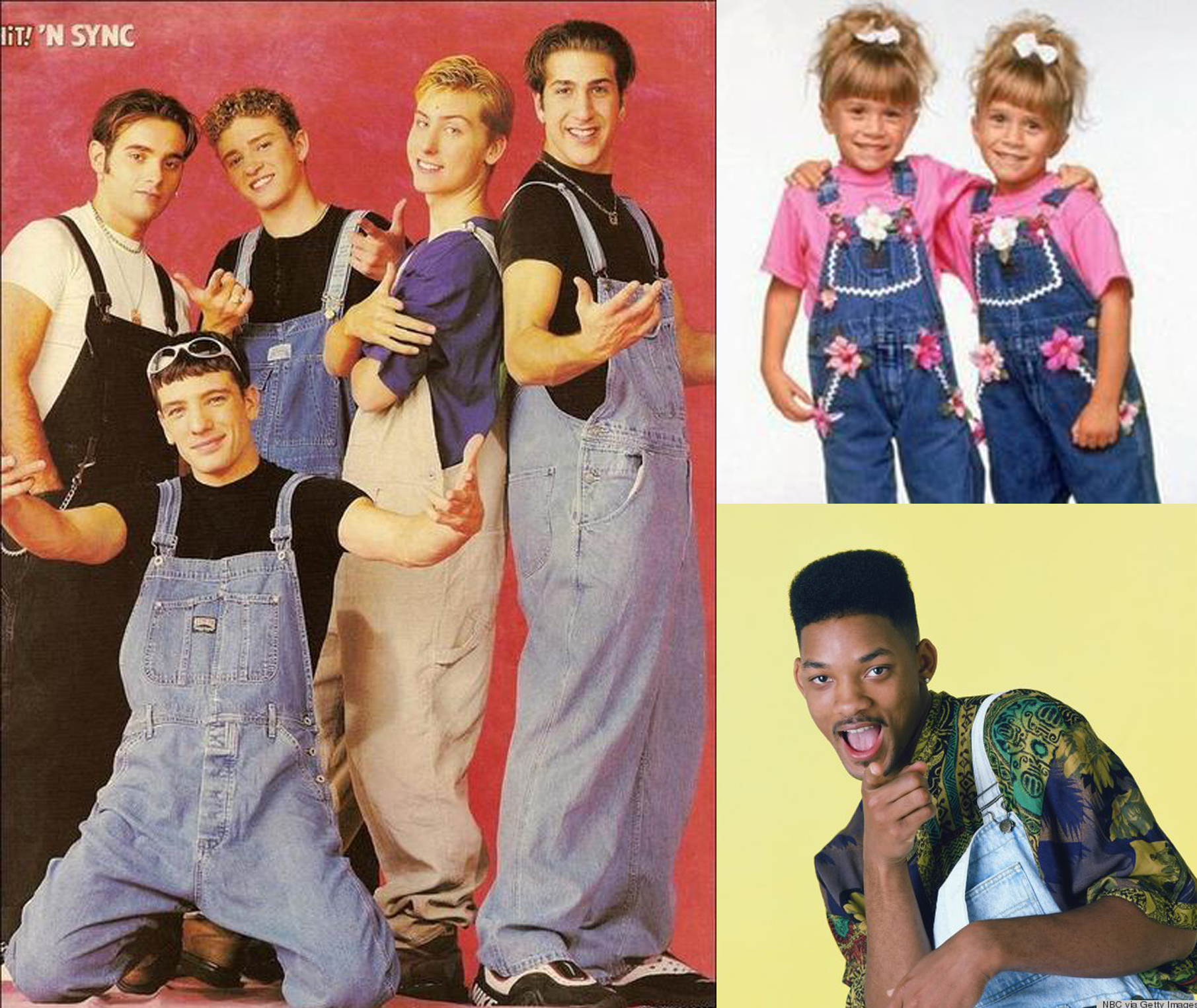
Nineties fashion is defined by a distinct push-pull between minimalist sophistication, grunge-inspired rebellion, and the emerging influence of global hip-hop culture. By understanding the core aesthetics—ranging from slip dresses and oversized denim to athletic-inspired streetwear—you can accurately source, style, or archive garments from this transformative period of textile and design history.
The Cultural Drivers of 90s Style
The aesthetic of the 1990s was not a monolithic trend but rather a collision of subcultures that found mainstream expression through the rapid growth of media, music, and television. Unlike the vibrant, power-suit-driven 1980s, the early 90s marked a pivot toward authenticity and ease.
Economic factors played a crucial role. Following the excess of the previous decade, fashion shifted toward "anti-fashion." The Grunge movement, originating in the Pacific Northwest, prioritized utility, thrift-store finds, and an unkempt aesthetic that signaled a rejection of traditional materialism. Simultaneously, the rise of hip-hop culture introduced baggy silhouettes, high-top sneakers, and branded sportswear into the luxury conversation, bridging the gap between street style and high fashion.
Key Aesthetic Archetypes
To navigate 90s fashion, it is necessary to categorize the primary looks that defined the era. These archetypes often overlapped, but they serve as the foundational pillars for anyone researching the period.
Grunge and The Thrifted Aesthetic
Grunge defined the early-to-mid-90s with its disheveled, layered appearance. The focus was on flannel shirts, distressed denim, oversized knitwear, and combat boots. This was a reactionary style, meant to look accessible and worn-in rather than polished. Authenticity was the goal; high-end labels often mimicked this aesthetic by distressing luxury fabrics to capture the "unbothered" spirit of bands like Nirvana and Mudhoney.
Minimalism and the Slip Dress
In direct opposition to Grunge, the mid-to-late 90s saw the ascent of "Heroin Chic" and high-end minimalism. Designers like Calvin Klein and Helmut Lang stripped away ornamentation, favoring clean lines, neutral color palettes, and body-skimming silhouettes. The iconic slip dress—often paired with thin spaghetti straps and simple footwear—became the uniform of the runway, representing a sleek, understated approach to femininity.
Hip-Hop and Streetwear Evolution
Throughout the 90s, hip-hop culture became a massive driver of global apparel trends. This movement favored scale, utilizing oversized fits that diverged sharply from the body-conscious trends of the era. Key components included tracksuits, bucket hats, puffer jackets, and sneakers that transcended performance gear to become status symbols. The influence of brands like FUBU, Tommy Hilfiger, and Cross Colours helped codify a look that was both bold and highly intentional.
Essential Components of 90s Wardrobe Construction
When identifying or recreating these looks in 2026, focus on specific material choices and garment structures. The construction techniques of the 90s often leaned on synthetic blends, heavy cottons, and specific denims that provide a distinct hand-feel compared to modern fast fashion.
| Element | Material/Key Feature | Primary Context |
|---|---|---|
| Denim | High-waisted, acid-washed, rigid | Grunge, Casual |
| Footwear | Platform shoes, lug-sole boots | Goth, Grunge, Pop |
| Outerwear | Nylon puffers, oversized blazers | Streetwear, Professional |
| Textiles | Crushed velvet, ribbed knits | Evening, Casual |
Navigating Sizing and Fabrication
A common challenge when sourcing vintage items from the 1990s is the discrepancy in sizing and fabric technology. Clothing from this period was frequently constructed with less spandex or elastane than modern garments. Consequently, pieces often feature "rigid" fits that do not possess the stretch consumers expect in 2026.
When evaluating vintage garments:
- Check for natural fibers: 90s pieces composed of 100% cotton, wool, or silk will hold their shape better but offer no give.
- Measure against current standards: Use a tape measure on your own body and compare it to the flat-lay measurements of the garment, rather than relying on the vintage tag size, which often correlates to a smaller frame than modern sizing standards.
- Inspect for "dry rot": Because many synthetic blends and elastic waistbands from the 90s are now over 30 years old, check for degradation in stretch components, which may snap or lose elasticity over time.
Common Misconceptions
One frequent error in interpreting 90s fashion is the conflation of the decade's early and late periods. The early 90s were largely dominated by the hangover of 80s styles, while the late 90s—often referred to as the "Y2K" transition—saw the introduction of tech-inspired fabrics, shiny synthetics, and a more futuristic, polished, or ironic aesthetic.
Furthermore, "90s fashion" is often perceived as exclusively synonymous with neon colors. While neon did appear in athletic wear, the vast majority of the decade's street and high-fashion output was rooted in muted tones: earth tones for the grunge crowd, and monochromatic blacks, whites, and navies for the minimalists.
H3: How do I distinguish authentic 90s vintage from modern reproductions?
Authentic 90s clothing often features "Made in USA" or "Made in [Western European Country]" labels, as off-shore manufacturing became more prevalent later. Additionally, look for metal zippers (such as YKK brass or Talon) rather than plastic, and check for single-stitch hems on T-shirts, a common construction technique of the era that differs from the modern double-stitch standard.
H3: What was the significance of the "platform" trend?
Platforms were popularized in the mid-to-late 90s by both the rave scene and the Spice Girls. They represented a rejection of the understated minimalism of the early decade, injecting humor and exaggerated height into fashion. They were physically demanding to wear and served as a bridge between disco-era inspiration and the futuristic pop aesthetic that would define the start of the new millennium.
H3: Why is oversized clothing so central to the 90s?
Oversized silhouettes in the 90s served two masters: the grunge subculture used it as a signal of apathy and comfort, while hip-hop culture used it to project presence, status, and a rejection of traditional, form-fitting tailoring. In both instances, the oversized cut functioned as an intentional subversion of the conventional "fitted" look popular in the previous decade.
H3: Are 90s synthetic fabrics harmful or difficult to maintain?
Most 90s synthetic garments, such as polyester windbreakers or nylon tracksuits, are durable but prone to heat damage. Always wash these items on a cold, delicate cycle and avoid high-heat drying, which can cause the synthetic fibers to shrink or melt. If the item features screen-printed graphics, turn the garment inside out to prevent the print from cracking.
Practical Next Steps for Enthusiasts
If you are looking to incorporate 90s fashion into your wardrobe or collection in 2026, begin by focusing on "anchor pieces." Do not attempt to replicate a full runway look; instead, purchase one high-quality vintage denim jacket, a pair of rigid high-waisted jeans, or a classic wool blazer. These items provide the necessary structure of the 90s while integrating seamlessly with contemporary attire. When shopping, prioritize condition over trends, as the most enduring 90s items are those that have survived three decades of wear through superior initial construction.