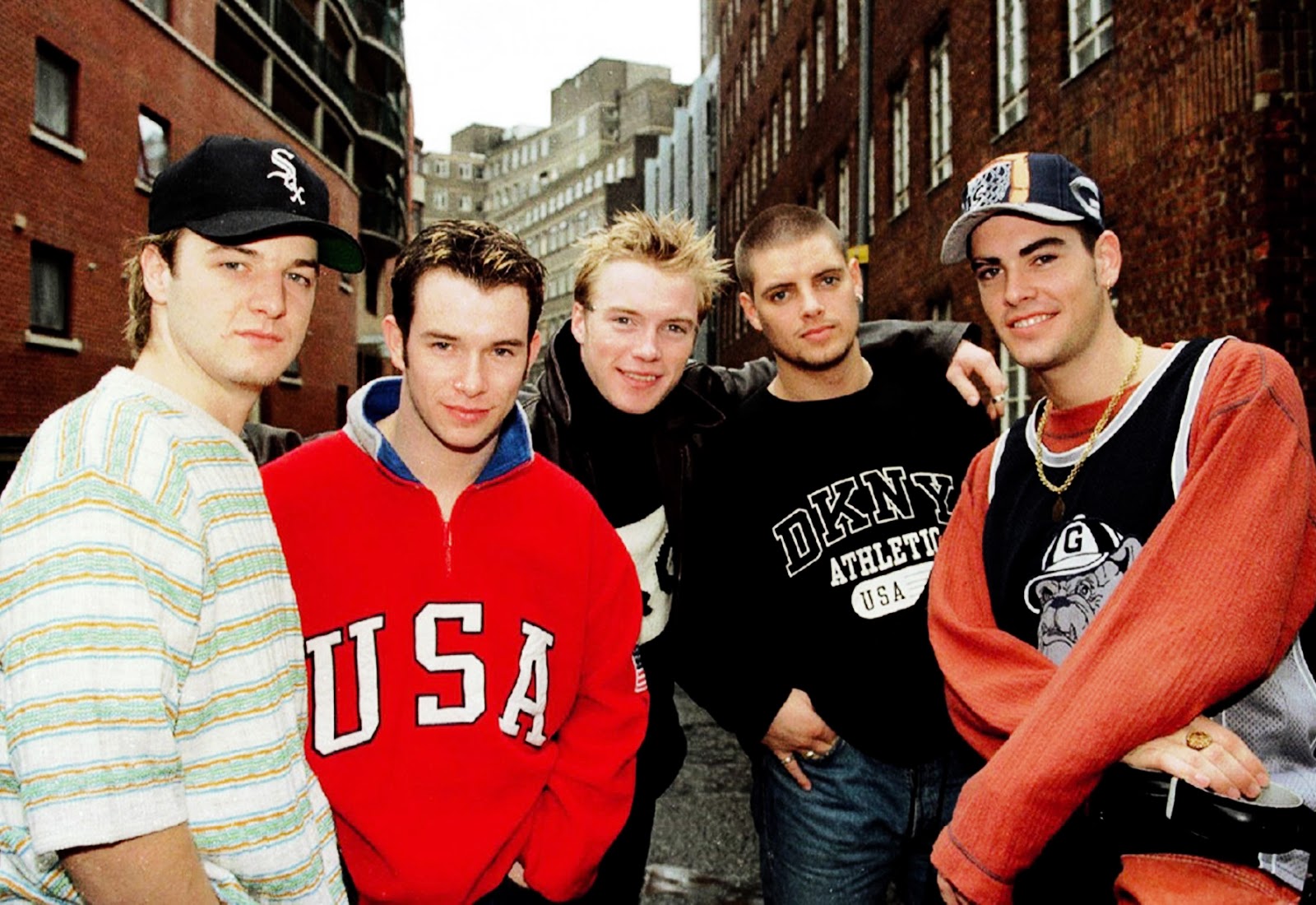
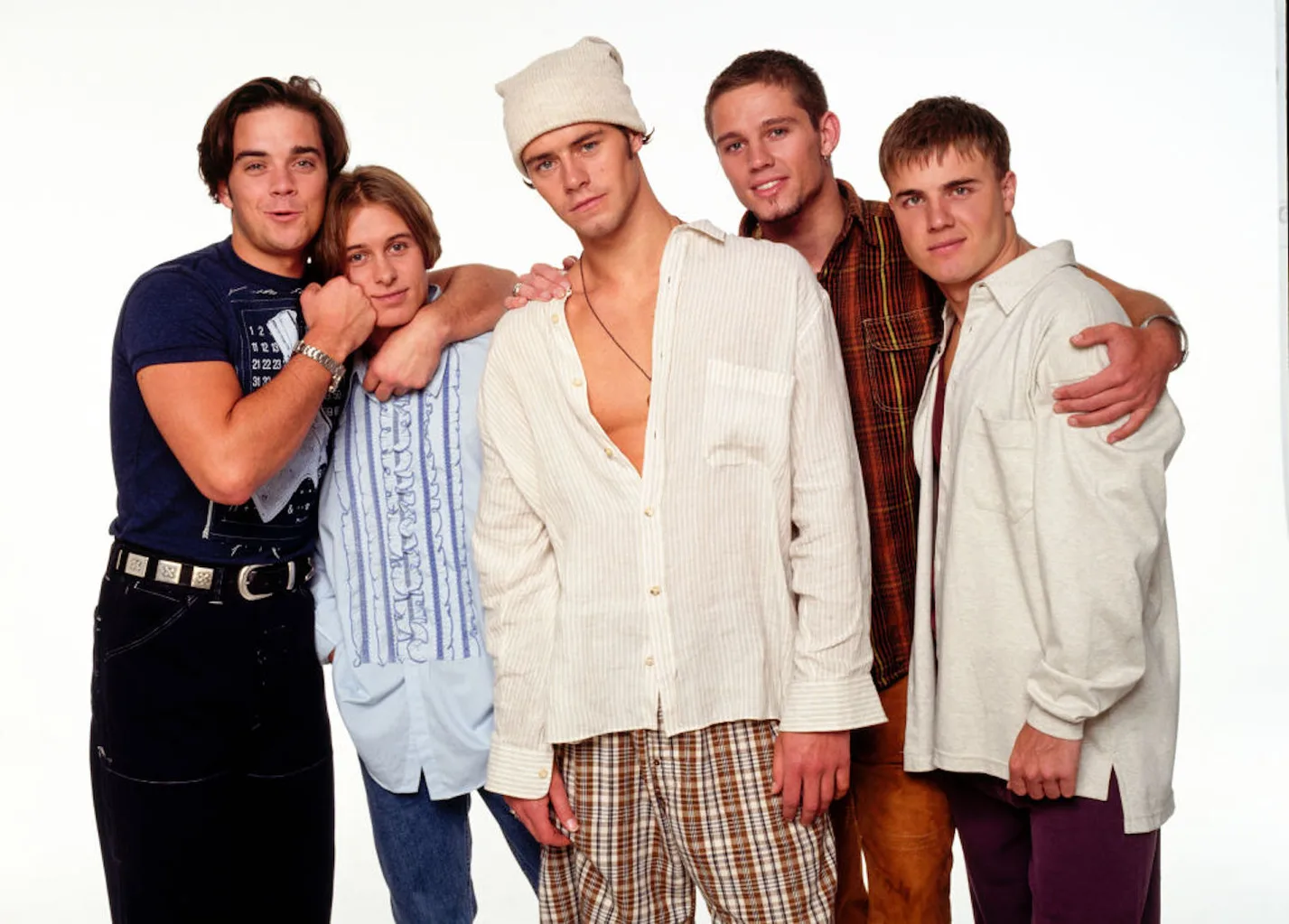
The term "Black 1" in the context of 90s boy groups refers to the specific production and branding strategy centered on a central figure or lead vocal identity within the era’s R&B-infused vocal ensembles. Often emerging from the intersection of executive vision and manufactured "legend" narratives, the phenomenon behind these hits relied on a synthesis of studio technology, aggressive talent scouting, and the strategic positioning of a primary performer to anchor the group’s public image and sonic signature.
Defining the 90s Boy Group Architectural Model
The 1990s represented a distinct evolutionary period for the vocal group format. Moving away from the self-contained band model of the 70s and 80s, the industry shifted toward a producer-driven paradigm where the "group" functioned more as a cohesive unit designed to maximize market appeal. The concept of "Black 1"—a moniker occasionally used in industry circles to describe the primary aesthetic or leading vocal archetype—was not merely a nickname but a structural necessity.
For labels and A&R (Artists and Repertoire) representatives, the goal was to identify a "lead face" or "lead voice" who could anchor the group's visual identity. This person often carried the burden of the group's narrative, frequently framed as the "adopted" or "found" talent whose backstory added a layer of legitimacy to the polished, studio-processed tracks that defined the decade. By creating a focal point, producers ensured that fans could identify with a specific member, simplifying the marketing funnel for magazines, posters, and radio interviews.
The Role of Production Teams in Crafting Legends
The "legend" behind the hits was rarely just a single person; it was almost always a collaborative effort between the performer and a sophisticated team of songwriters and studio engineers. In the 90s, vocal arrangements became increasingly complex. Using technologies like early digital signal processing (DSP) and intensive multi-tracking, producers could blend voices into a singular "wall of sound" that appeared to come from a unified ensemble.
The "adopted" aspect of these narratives typically stemmed from the casting-call culture of the era. Whether through regional talent searches or studio-initiated auditions, the transition of a solo performer into a group member was often retroactively framed as a "destiny" moment. This narrative device served two purposes: it created a parasocial bond with the audience and shielded the group from accusations of being purely corporate-manufactured, a common criticism levied against the boy band explosion of the time.
Analyzing the Impact of Vocal Archetypes
In any successful group, the vocal structure required a balance of timbres. The "Black 1" archetype, in the context of vocal hierarchy, usually referred to the primary tenor or the member entrusted with the most complex runs and riffs. This individual was often the bridge between the R&B roots of the group and the pop-friendly hooks required for radio play.
To understand why this strategy was so effective, one must look at the technical requirements of the time:
- Radio Rotation: Stations demanded consistent vocal signatures to ensure listener recognition within seconds of a song starting.
- Visual Continuity: The "lead" member was frequently used in the music video to establish the emotional context of a ballad or the attitude of a dance track.
- Merchandising: The focal point of the group served as the anchor for demographic-specific marketing, allowing labels to target different segments of the audience through different members of the band.
Comparative Dynamics of 90s Vocal Ensembles
To see how the "Black 1" strategy was implemented, it is helpful to compare the roles within groups that followed this specific production template versus those that focused on choral-style uniformity.
| Feature | The "Lead-Focused" Ensemble | The "Uniform/Collective" Ensemble |
|---|---|---|
| Vocal Distribution | 70% lead, 30% background/harmony | Even distribution among members |
| Public Narrative | Centered on a breakout or "star" member | Centered on friendship and chemistry |
| Studio Priority | Isolating the primary vocal track | Maximizing group-level tonal density |
| Main Marketing | Magazine features on the lead singer | Group photos and collective branding |
This comparison highlights that the "legend" narrative was not accidental; it was a calibrated choice made by management to define how the public consumed the music. When a member was "adopted" into the group, their specific vocal role was often predetermined by the production team to fill a missing frequency in the group's total sound spectrum.
Technical Execution and Studio Craft
Behind every hit song from the 90s that utilized this model was an intense schedule of vocal tracking. The "legend" status was bolstered by the sheer repetition and precision required to achieve that polished, crisp sound synonymous with 90s R&B and Pop. Producers often forced members to record until their voices matched the specific, standardized timbre that the label demanded.
This process often left little room for individual creative expression, which explains why many of these groups eventually splintered when members sought to showcase their own artistic identities. The "legend" behind the hits was thus a temporary construct—a moment in time where studio perfection and marketing narratives perfectly aligned to create a product that felt both authentic and aspirational to the listener.
Troubleshooting the "Manufactured" Stigma
One of the biggest challenges for these groups was overcoming the perception of being "manufactured." When a fan learns that their favorite "legend" was effectively assembled in a boardroom or an audition room, the perception of the music often shifts. However, this shift does not negate the technical quality of the output.
If you are researching the history of a specific group, look for:
- Liner Notes: These provide the most accurate account of who actually wrote the songs and who performed specific vocal parts.
- Industry Interviews: Older interviews from the mid-90s often reveal the candid frustrations of members who felt their contributions were secondary to the "lead" narrative.
- Touring Logs: These confirm whether the vocal dynamics heard on the studio album were recreated live, or if the "legendary" status was entirely a product of studio enhancement.
Frequently Asked Questions
Was the "Black 1" narrative based on real-life auditions?
Yes, in the vast majority of cases, the origins of these groups involved rigorous audition processes. The "adopted" story was a branding embellishment designed to make the group's formation sound more organic and fated rather than a business decision.
How did producers decide who would be the lead singer?
Producers typically chose the member with the highest commercial viability, often based on vocal range, stage presence, and the ability to handle the specific "hook" of a track. This decision was almost always made to maximize radio airplay.
Why did these groups often rely on a single lead vocal?
Radio programming in the 90s prioritized instant recognition. By having one consistent voice lead the tracks, labels ensured that listeners could instantly identify the group's "brand" when the song came on the radio, increasing the likelihood of song completion.
Did the "legend" status negatively impact the other group members?
Frequently, yes. The emphasis on one member created internal friction, which is a common theme in the documented breakups and solo transitions of 90s boy group members. The "star" treatment often meant that other talented vocalists in the group were sidelined.
Can we verify the studio technology used for these hits?
Yes, technical journals and interviews with producers from the era have confirmed the transition from analog tape to digital workstations during the 90s. This transition allowed for the precise editing and layering that defined the "legendary" sound of these hits.
Next Steps for Enthusiasts and Researchers
For those interested in exploring the specific history of an ensemble, the most reliable path is to consult trade publications like Billboard or Rolling Stone archives from the specific years the group was active. Avoid anecdotal forums, as they often conflate urban legends with actual A&R history. Focus on the production credits—the names of the producers and engineers are the true architects of the "legend" and provide the most accurate window into how these hits were constructed. If you are investigating a specific group, start by mapping their release timeline against their label's financial reports from that era to understand the budget behind their "legend" status.