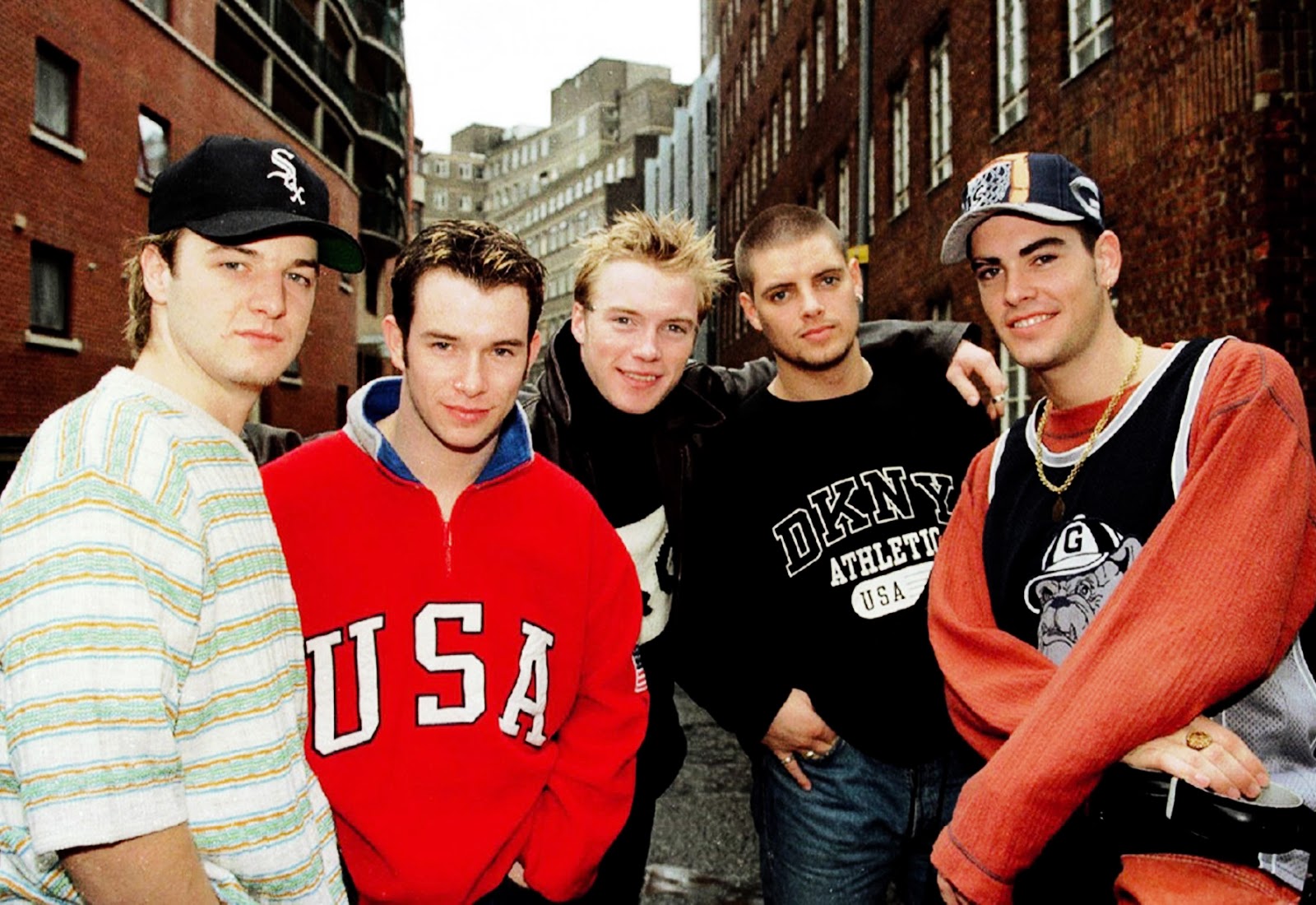
The 1990s represented a cultural zenith for the boy band phenomenon, a decade defined by meticulously choreographed dance routines, polished vocal harmonies, and aggressive marketing strategies that transformed young performers into global icons. These groups acted as the primary vehicle for teen pop’s commercial explosion, bridging the gap between radio-friendly melodies and the burgeoning visual landscape of music television.
The Structural Anatomy of the 90s Boy Band
The commercial success of 90s boy bands was not merely a matter of musical talent; it was the result of a highly engineered industry formula. Record executives often recruited members based on a "archetype" system, ensuring that each group contained a variety of personalities—the "cute" one, the "bad" one, the "quiet" one, and the "lead" vocalist—to ensure broad appeal among teenage demographics. This strategic casting allowed fans to identify with specific members, fostering a parasocial relationship that drove record sales, merchandise movement, and concert attendance.
Beyond casting, the sound was strictly curated. Producers utilized high-fidelity studio techniques to layer vocal tracks, creating an expansive, "wall-of-sound" effect that distinguished professional groups like The Backstreet Boys and NSYNC from their less polished peers. Choreography was equally integral, serving as a visual trademark. These moves were designed to be iconic and repetitive, encouraging fans to learn them, which deepened their engagement with the music and solidified the group’s identity within the cultural zeitgeist.
Regional Dominance: The Atlantic Divide
While the boy band phenomenon was global, its primary hubs were located in the United States and the United Kingdom. These two regions approached the genre with different aesthetic sensibilities. In the United States, the influence of Orlando, Florida, served as the epicenter, largely due to the management of Lou Pearlman. His production house, Trans Continental Records, was responsible for the systematic construction of groups like the Backstreet Boys and NSYNC, focusing heavily on R&B-infused pop and high-production music videos.
In contrast, the United Kingdom leaned into a blend of pop-rock and ballad-heavy sensibilities. Groups like Take That and Boyzone achieved massive success by emphasizing songwriting and live vocal performances. While the American groups often focused on the polished, dance-driven aesthetic, the British groups maintained a slightly more "organic" image, often performing with live instruments or focusing on mature, emotional ballads. This regional variation provided listeners with a diverse spectrum of the genre, ranging from the hard-hitting dance-pop of the US to the reflective, vocal-led pop of Europe.
Comparative Overview of Landmark Groups
The following table highlights the key characteristics and origins of several defining groups of the era.
| Group Name | Region | Primary Peak | Defining Style |
|---|---|---|---|
| The Backstreet Boys | USA | 1996–1999 | R&B-influenced Pop |
| NSYNC | USA | 1997–2000 | Dance-heavy Pop |
| Take That | UK | 1991–1996 | Pop Ballads |
| Boyzone | Ireland | 1994–1999 | Vocal Harmony Pop |
| 98 Degrees | USA | 1997–2000 | Soul-influenced R&B |
| Hanson | USA | 1997–1998 | Pop-Rock |
The Role of Media and Marketing
The rise of the boy band in the 1990s was inextricable from the rise of specialized music television networks, most notably MTV and The Box. These channels provided a 24-hour visual loop that allowed music videos to function as high-budget commercials. Because the primary target audience—teenagers—consumed television as their main form of entertainment, the ability of a group to capture the screen was as important as their ability to hold a note.
Marketing also extended into the physical retail space. The 90s were a peak era for the compact disc (CD) and the cassette single, which were sold in massive quantities through mall-based retailers. Record labels incentivized repeat purchases by releasing "enhanced" versions of singles containing behind-the-scenes footage, remixes, or interview segments. This created a collector’s market, encouraging fans to purchase multiple versions of the same track to gain access to exclusive content, a precursor to the digital "deluxe edition" strategies of the 2020s.
Challenges and Industry Evolution
Despite their immense popularity, these groups faced significant professional volatility. The rigorous touring schedules and intense public scrutiny often led to internal friction. Legal disputes regarding contracts were common, as many members were teenagers who signed restrictive agreements without extensive legal counsel. The "management vs. artist" narrative became a recurring theme in the history of 90s pop, as groups often found themselves locked into unfavorable royalty splits or forced into grueling promotional cycles that left little room for creative autonomy.
By the late 90s, the market saturation became evident. As the decade drew to a close, audiences began shifting toward more "authentic" or "edgy" sounds, leading to the decline of the traditional boy band format. However, the legacy of these groups remained, as many members transitioned into successful solo careers, acting roles, or television hosting, proving that the training provided by these boy band factories served as a foundational experience for a long-term career in entertainment.
How to Curate a 90s Pop Music Collection
For those looking to explore or preserve the music of this era today, the shift from physical to digital formats has changed the acquisition process. While physical CDs are still available through secondary markets, digital high-fidelity archives now serve as the primary mode of preservation.
- Verification of Masters: When searching for music, prioritize "remastered" versions released by major labels. These ensure the highest available audio quality and often include the original liner notes in digital PDF formats.
- Cataloging: Use a structured database—either personal or cloud-based—to track the transition from the mid-90s "pop-dance" sound to the more mature, R&B-tinged sounds of the late-90s.
- Audio Preservation: If dealing with original cassette tapes or early pressings of CDs, store them in climate-controlled environments to prevent disc rot or magnetic tape degradation, as these materials from the 1990s are now entering a stage where they require active archival care.
Frequently Asked Questions
What defined a "boy band" in the 1990s?
A 90s boy band was primarily defined as a vocal-focused male group that utilized synchronized choreography, emphasized a polished pop aesthetic, and targeted a teen audience. Unlike rock bands of the same era, these groups were often assembled by managers or producers rather than forming spontaneously, placing a heavy premium on marketability and performance consistency.
Did 90s boy bands write their own music?
While some members were talented songwriters, the majority of the hits produced in the 1990s were written by professional songwriting teams. These teams were tasked with creating "earworms"—catchy, repetitive hooks designed for maximum radio play. Some groups, such as Hanson, were notable exceptions, as they were instrumentalists who wrote and performed their own material.
How did the rise of the internet affect these groups?
In the mid-to-late 90s, the internet began to change how fans interacted with these groups. Early fan sites, message boards, and AOL chat rooms allowed fans to organize and share information in ways previously impossible. This early digital community served as a proto-social media platform, allowing groups to bypass traditional media and interact directly with their fanbase.
Why did so many 90s boy bands break up?
The breakups were often driven by a combination of contract expiration, creative differences, and the natural "aging out" of the target demographic. As the members matured, they frequently sought to shed the "boy band" label to pursue individual artistic identities, which was often incompatible with the group's established brand image.
Is it still possible to see these groups perform today?
Yes, as of 2026, many 90s boy bands maintain active careers through reunion tours, legacy residency shows, and special events. Because the nostalgia market for 90s music remains robust, these groups often perform at multi-artist festivals or dedicated "throwback" concert tours that cater to the original demographic of fans who are now in their late 30s and 40s.
Recommendations for Further Exploration
If you are interested in the technical and cultural history of this era, focus your research on the business side of the industry, specifically the impact of the Telecommunications Act of 1996, which consolidated radio ownership and fundamentally changed how pop music was distributed across the United States. For those seeking to revisit the musical output, seek out the comprehensive "Greatest Hits" compilations, which generally provide the best representation of the high-production values that defined the decade. When viewing video content, prioritize digitized masters from the original production houses to avoid the audio-visual degradation often found in low-quality web rips.