The most valuable 90s baseball cards are defined by high-grade professional certification, short-printed rookie cards, and specific error variations that bypassed mass production. While the era is often criticized for its massive print runs, "gems" exist in the form of pristine-condition specimens of iconic players and elusive parallels that represent the transition into the modern era of sports card collecting.
The Landscape of 1990s Baseball Card Collecting
The 1990s represent a paradox in the hobby. For much of the decade, manufacturers like Topps, Upper Deck, Donruss, and Fleer increased print runs to meet surging consumer demand, resulting in billions of cards circulating today. Because these cards were produced in such vast quantities, the vast majority hold little to no monetary value. However, the decade also marked the birth of the "chase" card—inserts, parallels, and ultra-rare rookie issues that collectors now treat as the primary investment vehicles of the era.
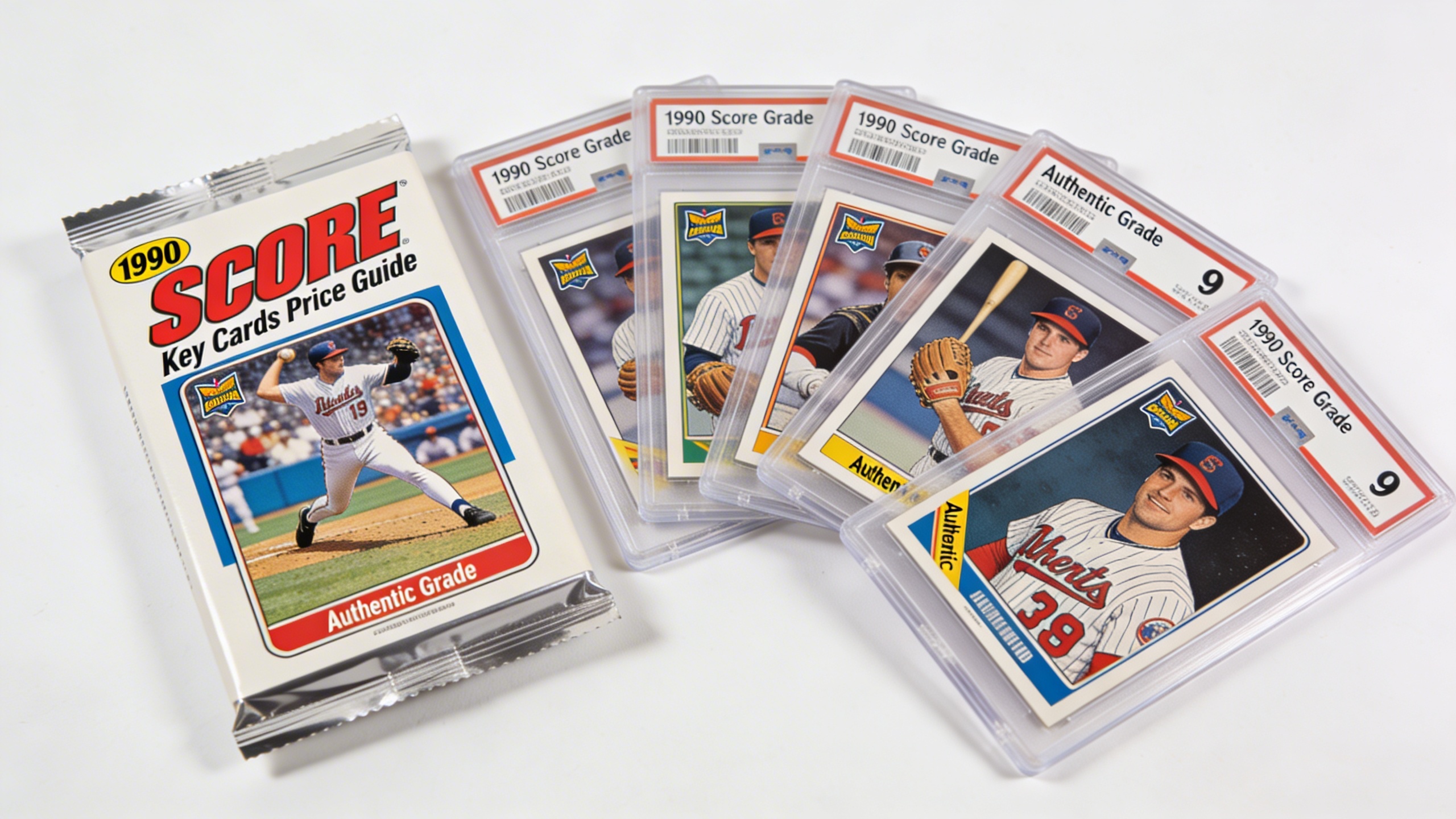
To find value in a collection from this period, one must move past the base sets and focus on professional authentication. In 2026, the marketplace differentiates sharply between a raw card—which is susceptible to human handling and environmental damage—and a "Gem Mint" card graded by reputable third-party services such as PSA (Professional Sports Authenticator) or BGS (Beckett Grading Services). A card that might sell for pennies as a raw copy can be worth thousands if it receives a perfect grade, as the population of such cards is mathematically rare despite the initial overproduction.
Understanding the Factors of Value
Value in 90s cards is not determined by nostalgia, but by a combination of scarcity, player legacy, and physical perfection. The "hidden treasures" are rarely the cards that were once found in every child's shoebox. Instead, they are the inserts that were pulled at a rate of one per several hundred packs, or cards that required a specific redemption process that most collectors at the time ignored.
Condition sensitivity is the primary gatekeeper of value. Cards from the early 90s often feature dark borders, foil stamping, or thin cardstock that is prone to chipping, surface scratches, and corner wear. A card that looks perfect to the naked eye may reveal significant flaws under 10x magnification. In the current 2026 market, professional grading has become the standard for any high-value transaction, as it provides a standardized baseline for condition that buyers can trust.
Notable Categories of High-Value Cards
To navigate the surplus of 90s cards, focus on these specific segments where significant value has historically been concentrated:
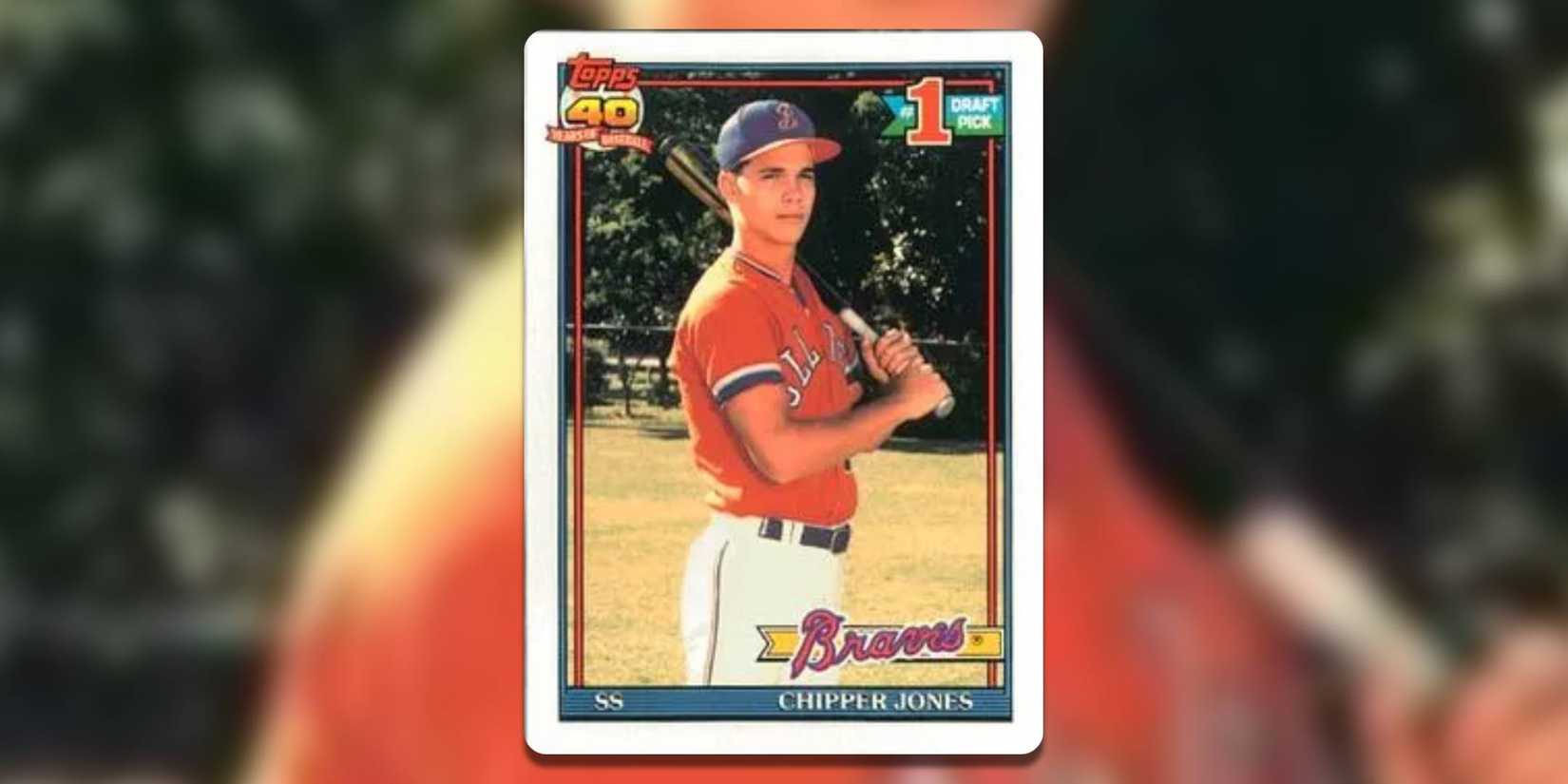
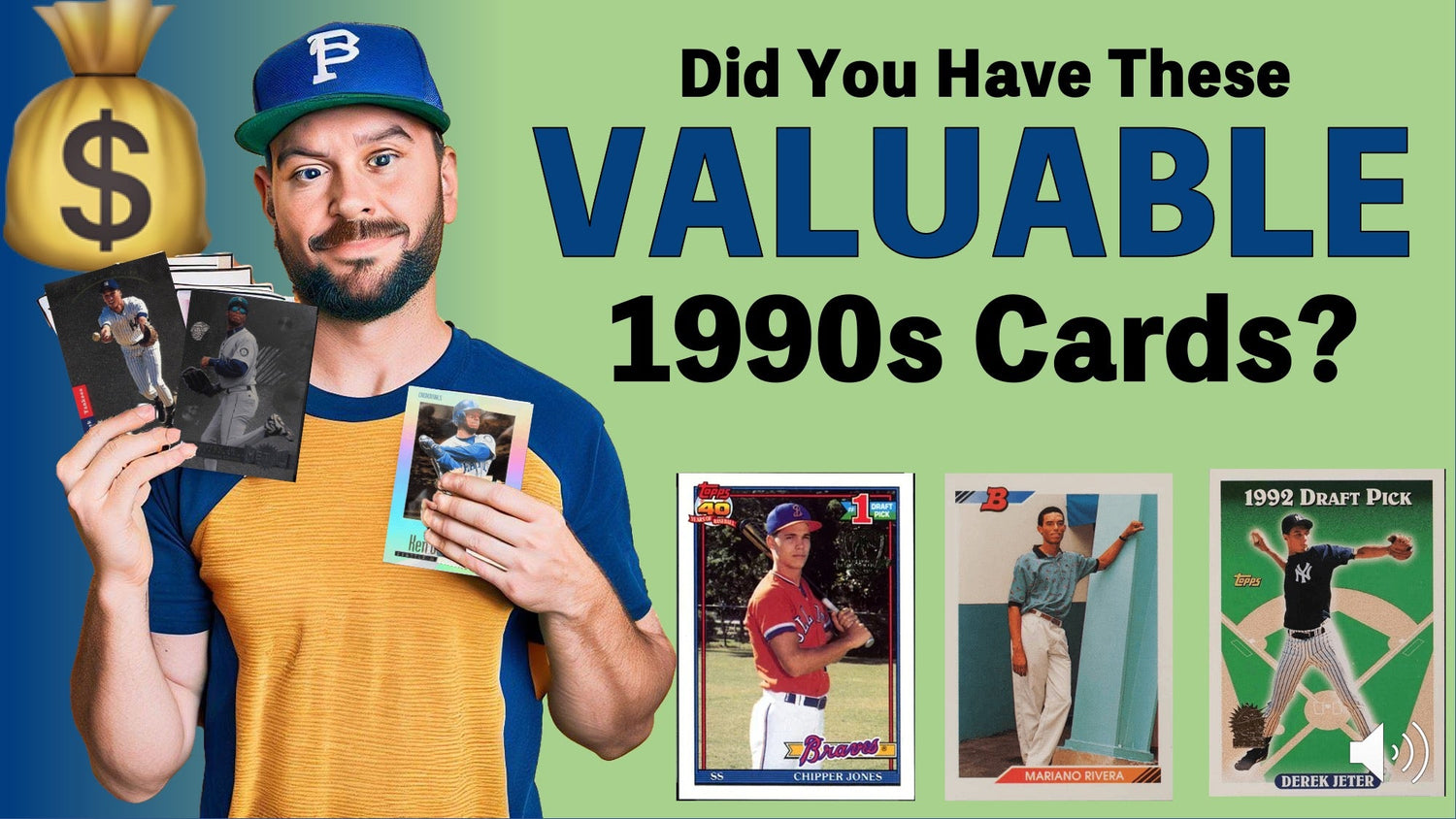
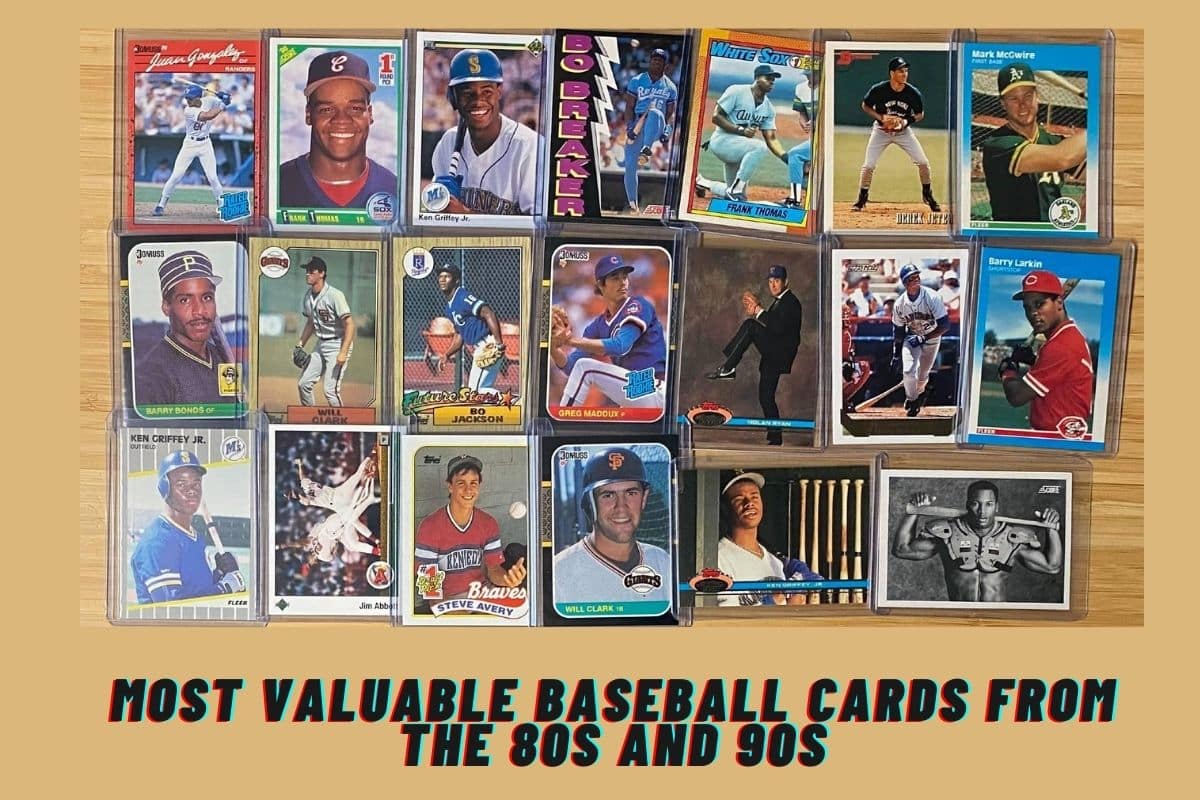
- Key Rookie Cards: Players who went on to achieve Hall of Fame status, such as Derek Jeter, Ken Griffey Jr., and Chipper Jones, remain the anchors of the decade. The 1993 SP Derek Jeter #279 is widely considered the "holy grail" of the era due to its extremely fragile foil borders.
- Early Insert Sets: The 1990s introduced limited-edition inserts like the 1996 Select Certified Mirror Gold or the 1998 E-X Century Credentials. These cards were often serial-numbered, providing a clear limit on the total population that exists, which drives higher demand.
- Error Variations: While many "errors" are merely urban legends, some legitimate printing mistakes, such as incorrect stats on the back or misprinted player names on the front of specific cards, hold value if the error is documented and verified by the grading companies.
- High-Grade Base Cards: Even base cards of superstars can be valuable if they are graded "Gem Mint 10." If only a few hundred copies of a specific base card have achieved a 10 grade out of millions produced, the grade itself creates the scarcity.
Comparison of Card Valuation Factors
| Factor | Impact on Value | Description |
|---|---|---|
| Professional Grade | Extreme | A PSA 10 or BGS 10 multiplier can increase a card's value by 100x or more. |
| Print Run | High | Lower production numbers (e.g., serial-numbered) inherently drive price floors. |
| Player Legacy | Moderate | Hall of Fame players sustain long-term interest compared to career journeymen. |
| Surface/Edge Quality | High | Foil-heavy designs are prone to condition issues; pristine surfaces are rare. |
| Demand/Liquidity | Moderate | Popularity of the player drives the speed and ease of resale in the market. |
The Role of Professional Grading in 2026
In the current market, the process of submitting cards for grading is the single most important step for an owner of potential "gems." Grading companies evaluate cards based on four criteria: centering, corners, edges, and surface. They then encapsulate the card in a tamper-evident, archival-safe holder.
For the average collector, this process requires careful consideration of the cost-to-value ratio. If a card is worth $5 raw but costs $25 to grade, the investment is likely underwater unless the card has a high probability of receiving a top-tier grade. Research the "pop report" (population report) provided by grading firms to see how many of that specific card have already been graded in high numbers. If the market is already flooded with Gem Mint 10s of a particular card, its value will be lower than a card with a small "pop" count.
Common Mistakes to Avoid
Many collectors fall into the trap of assuming age equals value. A 1991 Donruss card is not valuable simply because it is over 35 years old. Collectors should avoid:
- Over-valuing raw cards: Do not purchase bulk collections expecting them to be "hidden treasures" without understanding that most modern cards from the 90s were mass-produced.
- Neglecting storage conditions: Humidity, sunlight, and improper sleeves can degrade the quality of a card, turning a potential treasure into a "common" within a few years.
- Falling for "Error" myths: Many lists online claim cards are rare due to misprints that are actually common across all copies of that release. Always cross-reference with official price guides and verified auction results.
- Ignoring current market data: Use 2026 auction archives to check what buyers are actually paying for specific cards, rather than relying on list prices on public marketplace platforms, which often show inflated asking prices.
Practical Next Actions for Collectors
If you possess a collection of 90s baseball cards, your first step is to perform an audit. Set aside any cards that are clearly damaged—creased, rounded corners, or stained—as these will rarely justify the cost of professional grading. Focus your attention on cards featuring stars and Hall of Famers.
Once you have identified potential high-value candidates, perform a visual inspection using a high-quality light source and a magnifying glass. Look for "centering"—is the image perfectly aligned, or is it skewed toward one edge? Check the edges for "whitening," which indicates the card has been handled. If the card appears to be in perfect condition, compare it against recent sales data for the same card in the same grade. This will allow you to determine if the cost of professional grading and insurance is justified by the potential return on investment.
Frequently Asked Questions
Are all 90s baseball cards worthless because of overproduction?
No, not all cards are worthless. While the base cards of common players from the early 90s were printed in massive quantities, "gems" exist in the form of high-grade examples of superstar cards, rare inserts, and serial-numbered parallels.
Does a certificate of authenticity from the card manufacturer matter?
A certificate from a manufacturer typically confirms a card was part of a specific set or insert program, but it does not certify the condition. For value, professional third-party grading by firms like PSA or BGS is the industry standard for verifying both authenticity and physical condition.
Why do some cards have "10" and others "9"?
Grading companies use a 1-10 scale. A "10" (Gem Mint) denotes a card that is virtually flawless under 10x magnification. A "9" (Mint) may have one microscopic flaw, such as slightly off-center printing or a single corner that isn't perfectly sharp, which leads to a significant price difference.
Should I get my entire collection graded?
Generally, no. Grading is expensive and time-consuming. You should only grade individual cards that are rare, highly sought after, and appear to be in near-perfect condition. Use grading only as a tool to protect and add liquidity to your highest-value assets.
How do I check the current market value of a specific card?
Access the databases of major auction houses or professional grading registries, which maintain historical records of sales for graded cards. These records show exactly what a specific card in a specific grade has sold for in recent months, providing a reliable baseline for your own valuation.