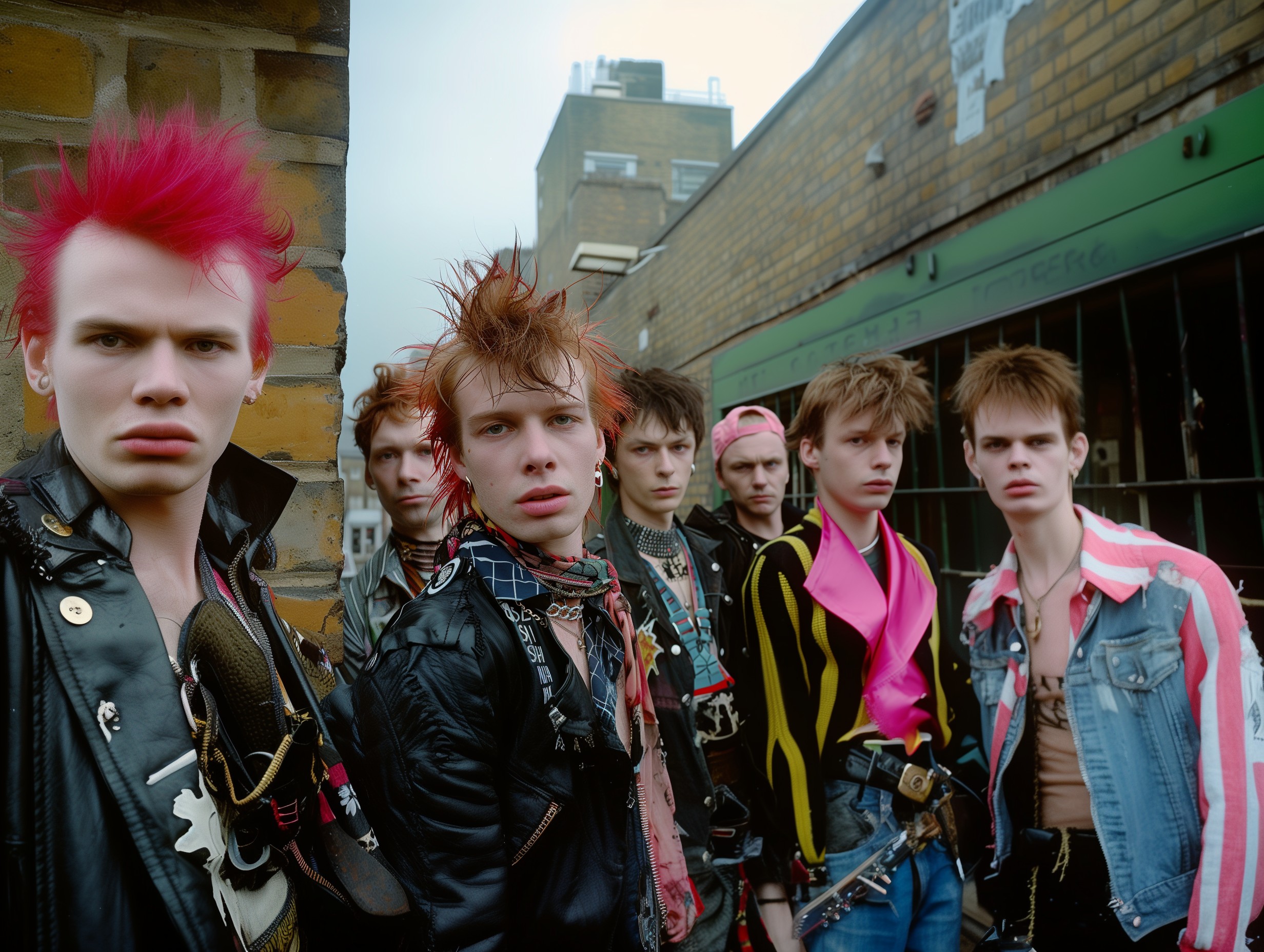
The term "90s bands" refers to musical groups that reached their peak commercial success, cultural influence, or critical acclaim between 1990 and 1999. This era is characterized by the diversification of alternative rock, the explosion of grunge, the commercial height of boy bands and girl groups, and the rise of electronic-influenced pop and hip-hop, shaping the auditory landscape for a decade of significant technological and social transition.
Defining the 90s Musical Landscape
To understand the significance of 90s bands, one must first recognize the structural shift in the music industry during that decade. The transition from vinyl and cassette tapes to the ubiquity of the Compact Disc (CD) allowed for higher fidelity and more consistent album-length listening experiences. This technological shift, combined with the maturation of music video culture through outlets like MTV, allowed bands to build massive, global followings with unprecedented speed.
The decade was not a monolithic genre; rather, it was a collision of disparate movements. In the Pacific Northwest, the "Seattle Sound"—later codified as grunge—pushed aggressive, distorted guitars into the mainstream, led by bands like Nirvana, Pearl Jam, and Soundgarden. Simultaneously, the United Kingdom experienced the peak of Britpop, a movement defined by a retrospective focus on 1960s British guitar pop, championed by Oasis and Blur. These movements existed alongside the global dominance of vocal harmony groups and the emergence of industrial and electronic fusions, ensuring that the "90s sound" is better understood as a fragmented collection of sub-genres than a single style.
Key Movements and Their Defining Entities
When evaluating the impact of bands from this period, it is helpful to group them by the musical communities that fostered their growth. This categorization helps clarify why certain bands are frequently grouped together despite differences in individual sound.
The Rise of Alternative Rock and Grunge
Grunge served as the primary counter-cultural movement of the early 90s. It emphasized raw, unpolished production and lyrics often concerned with social alienation and introspection. Bands like Alice in Chains, Stone Temple Pilots, and Hole defined this era, transitioning alternative rock from a college radio staple to a multi-platinum commercial powerhouse.
The Britpop Phenomenon
Across the Atlantic, British bands sought to distance themselves from the American grunge movement by embracing a distinctly British identity. Britpop bands often utilized melody-driven arrangements and lyrics that commented on the British working and middle-class experience. While Oasis and Blur were the primary rivals, bands like Pulp and Suede provided a sharper, more sardonic edge to the movement.
The Peak of Pop and R&B Collectives
The 90s also saw the commercial zenith of the "boy band" and "girl group" models. Unlike the organic formation of rock bands, these groups were often curated to showcase vocal harmony, synchronized choreography, and mass-market appeal. Acts like the Backstreet Boys, Spice Girls, and NSYNC revolutionized the business side of music, creating templates for touring and merchandising that remain influential in 2026.
Comparison of 90s Band Archetypes
The following table highlights the operational and stylistic differences between the major categories of 90s musical groups, providing a clear distinction for researchers and enthusiasts.
| Category | Primary Origin | Key Performance Focus | Typical Instrumentation |
|---|---|---|---|
| Grunge | Seattle, USA | Authenticity and raw emotion | Electric guitar, bass, drums |
| Britpop | UK | Melodic hooks and cultural identity | Guitar, keyboards, orchestral strings |
| Boy/Girl Groups | Global/Studios | Choreography and vocal harmony | Backing tracks, synth-pop production |
| Industrial/Alt | Various | Sonic experimentation and texture | Samplers, distortion, live instrumentation |
| Pop-Punk | California, USA | High-energy tempo and youth angst | Power-chord guitars, fast drums |
Prerequisites for Researching 90s Music
For those looking to analyze or catalog 90s bands, access to verifiable documentation is essential. Because the decade straddles the transition to the internet age, a significant amount of the history remains in legacy formats. When verifying band histories, researchers should prioritize the following resources:
- Album Discographies: Use official databases like the Discogs project to verify original release dates and catalog numbers. This is critical for distinguishing between original studio albums, re-releases, and compilation records.
- Performance History: To verify when a band was truly active, consult setlist databases that archive physical gig tickets and venue logs.
- Industry Trade Publications: Sources such as Billboard archives from the 1990s provide the most accurate data regarding chart performance and industry standing at the time of release, rather than retrospective or revisionist rankings.
Common Misconceptions and Troubleshooting
A frequent mistake when discussing 90s bands is the conflation of "active years" with "peak influence." Many bands formed in the late 80s or found their greatest success in the early 2000s, but they are often categorized as "90s bands" because their breakthrough moment occurred in that specific window.
When conducting an inquiry, always check the release date of the band's debut studio album. A group that released its first major-label album in 1989 may be technically an 80s band, even if its cultural dominance lasted through the mid-90s. Conversely, groups that formed in 1999 often belong to the aesthetic transition leading into the 2000s rather than the 90s proper. If you encounter contradictory information, prioritize the band's original label signing date over retrospective listicles, which often feature inaccuracies based on subjective popularity rather than chronological fact.
How do you verify if a band is considered a "90s band"?
To verify a band's status, focus on the period of their most significant commercial or critical impact. A band is typically categorized by the decade in which their most recognized work—the material that defined their career trajectory—was released. You can verify this by checking their primary discography against annual industry sales charts from that decade. If their highest-charting hits and most critically acclaimed albums fall between 1990 and 1999, the categorization is historically sound.
What is the difference between "Alternative" and "Grunge" in this context?
Alternative is a broad umbrella term used in the 90s to describe music that did not fit into the established mainstream pop or classic rock categories. Grunge is a specific regional sub-genre that originated in Seattle and featured a specific sound palette, such as down-tuned guitars and specific lyrical themes. While all grunge bands were technically "alternative," not all alternative bands were grunge; many alternative bands during that time explored funk-rock, jangle-pop, or experimental noise, which are distinct from the grunge aesthetic.
Why are boy bands and girl groups grouped with "90s bands"?
These groups are included because their peak of cultural saturation occurred within the 90s. The 90s witnessed a specific evolution in the "managed group" business model, which relied heavily on the emerging music video industry. These groups functioned as a primary counterpart to the guitar-centric music of the era, and their dominance is an essential part of the decade's musical identity.
Did the "90s sound" change significantly throughout the decade?
Yes, the sound evolved rapidly. The early 90s were marked by the dominance of organic, guitar-heavy rock and the rise of gangsta rap. By the mid-90s, the emergence of Britpop in the UK and ska-punk in the US began to shift the aesthetic. By the late 90s, the rise of teen pop and the increasing use of digital production tools signaled the shift toward the more polished, producer-driven sound that characterized the turn of the millennium.
Practical Next Steps for Enthusiasts
If you are currently compiling a collection or performing historical research, the best next step is to anchor your findings in primary sources. Start by verifying the release dates of the band's top-ten hits on legitimate record industry databases. From there, consult peer-reviewed music journalism from the era to understand how the band was perceived by contemporaries. By focusing on primary evidence—charts, album release dates, and documented tour histories—you can build a reliable and objective understanding of the groups that defined the decade. Avoid relying solely on memory or user-generated wikis, as these sources often contain inaccuracies regarding the specific timelines of band formations and commercial peaks.