The 1990s was a transformative decade for music, characterized by the rise of grunge, the explosion of alternative rock, the maturation of hip-hop, and the dominance of industrial and electronic dance music. Within this eclectic landscape, many influential artists chose to incorporate numerals into their band names. These numerical monikers often served as aesthetic markers, conceptual references to band size, or symbols of a modern, digitized era.
This comprehensive list highlights notable musical acts active during the 1990s that featured numbers in their official names, exploring why these choices became a hallmark of the era's branding.
The Significance of Numerals in 90s Band Naming Conventions
The inclusion of numbers in band names during the 1990s was rarely arbitrary. For many groups, numbers were used to signal a break from the more traditional, descriptive, or abstract names of the 1970s and 1980s. The decade was defined by a rapid acceleration in technological development, and numerals offered a sleek, minimalist, and forward-thinking aesthetic that aligned with the emerging digital subcultures.
In some instances, the numbers provided functional identification, such as the number of core members, which helped audiences immediately categorize the scale of the performance. In others, such as industrial or electronic groups, numbers represented a cold, calculated, or futuristic tone. This stylistic choice allowed artists to stand out on flyers, CD covers, and radio rotation charts, creating an instant visual anchor for fans to identify and remember.
Categorizing Numerical Influences: A Comparative Analysis
To better understand the diversity of these bands, it is helpful to categorize them based on the role the number plays in their identity. Some bands utilized numbers to denote unity, while others leaned into the industrial or abstract meanings associated with specific digits.
| Band Name | Primary Genre | Significance of Number |
|---|---|---|
| 10,000 Maniacs | Alternative Rock | Reference to an exaggerated count or concept |
| 311 | Alternative Rock/Rap | Derived from police code or member anecdotes |
| Blink-182 | Pop Punk | Often cited as an arbitrary choice to sound cool |
| 7 Year Bitch | Punk Rock | Cultural play on the "seven-year itch" idiom |
| 2 Live Crew | Hip-Hop | Descriptive of the original two-member lineup |
| 4 Non Blondes | Rock/Alternative | Reference to the band's original membership status |
| 2Pac (Makaveli) | Hip-Hop | Reference to birth name/identity |
Notable 90s Bands by Category
The Alternative and Indie Rock Wave
Alternative rock in the 90s leaned heavily into the "less is more" philosophy. Bands like 10,000 Maniacs utilized numbers to create a sense of scale, providing their brand with an epic, almost mythic quality. Conversely, groups like 311 utilized numerical branding that felt tied to local culture, in this case, the police code for indecent exposure in Omaha, Nebraska. This provided a rebellious, edgy backstory that resonated with the 90s alternative audience, moving away from more conventional band name structures.
The Punk and Pop-Punk Scene
In the punk genre, the use of numbers was often grounded in irony or simple, aggressive brevity. Blink-182 is perhaps the most iconic example of a number-based name from the 90s punk revival. The number "182" was appended to distinguish the band, and it eventually became one of the most recognizable brands in pop-punk history. By using numbers, these bands separated themselves from the classic "The [Noun] [Nouns]" naming convention, signalling that they were part of a new, faster-paced iteration of the genre.
Hip-Hop and Electronic Origins
The hip-hop world also saw significant use of numerals, often as a direct reference to the artist's personal history or the group's hierarchy. 2 Live Crew utilized the "2" to denote their original size, which reinforced the collaborative nature of their rap performances. Similarly, in the world of industrial music, which gained traction in the early 90s, numbers were often used to evoke a sense of the mechanical or the manufactured, fitting the abrasive and digitized soundscapes these artists produced.
Operational Considerations and Branding Impacts
For artists and music historians, the decision to include a number in a band name has long-term implications for searchability, metadata, and branding. In the modern, digital-heavy streaming era of 2026, bands with numerical names often face unique challenges in algorithmic discovery. Search engines and music databases sometimes struggle to differentiate between numerical characters and their written-out counterparts (e.g., "3" versus "three").
Historically, this did not present a problem, as record stores filed albums alphabetically. However, in the 2026 digital ecosystem, the consistent use of numerals is essential for ensuring that streaming services link the correct artist profile to the correct releases. Bands that chose numbers in the 90s were often ahead of their time, as numerical prefixes or suffixes have become a standard, highly recognizable feature in contemporary artist branding.
Common Mistakes in Identifying 90s Numerical Bands
One frequent mistake in identifying these bands is conflating them with groups that used numbers later in their careers or as a stylistic shift in the 2000s. To accurately classify a "90s band," one must look at the band's identity at the time of their most prominent chart activity during the decade.
Furthermore, audiences often misinterpret numerical references. For example, some fans assume the number in a band name refers to a member count even when it does not. It is vital to research the specific origin story of the name to avoid factual errors. When writing about or researching these bands, always consult official discographies or primary bios from the period to ensure the band was active and using that specific nomenclature between 1990 and 1999.
Frequently Asked Questions
Why did so many bands choose numbers for their names in the 90s?
The choice often stemmed from a desire to appear modern, industrial, or minimalist. It was a stylistic rebellion against the wordy, flowery band names of the previous decades, providing a punchy, easy-to-remember brand identity that looked striking on compact disc packaging.
Does the number in a 90s band name always refer to the number of members?
No. While some bands like 2 Live Crew used the number to denote the number of members, many others, such as 311 or 10,000 Maniacs, used numbers for cultural, code-based, or hyperbolic reasons that had nothing to do with the headcount of the musicians.
Are these bands still relevant in 2026?
Many of these acts remain highly active in the music industry. Bands like Blink-182 and 311 continue to tour, record, and maintain large fan bases, demonstrating that their longevity is tied to their musical quality rather than the specific branding style they adopted in the 90s.
How do I accurately verify if a band was a "90s band"?
To verify this, check the release dates of their seminal work. A true 90s band is one that released at least one full-length studio album between January 1, 1990, and December 31, 1999. Cross-reference this with the band's formation date and historical tour archives to ensure they were active during that period.
Do numbers in band names affect digital streaming discovery?
Yes. In 2026, streaming platforms categorize artists via metadata. If a band has switched between spelling out their number (e.g., "Two Live Crew") and using the numeral ("2 Live Crew"), it can cause their discography to be fragmented across different artist profiles. Consistency in naming is crucial for professional success in digital media.
Next Steps for Enthusiasts and Researchers
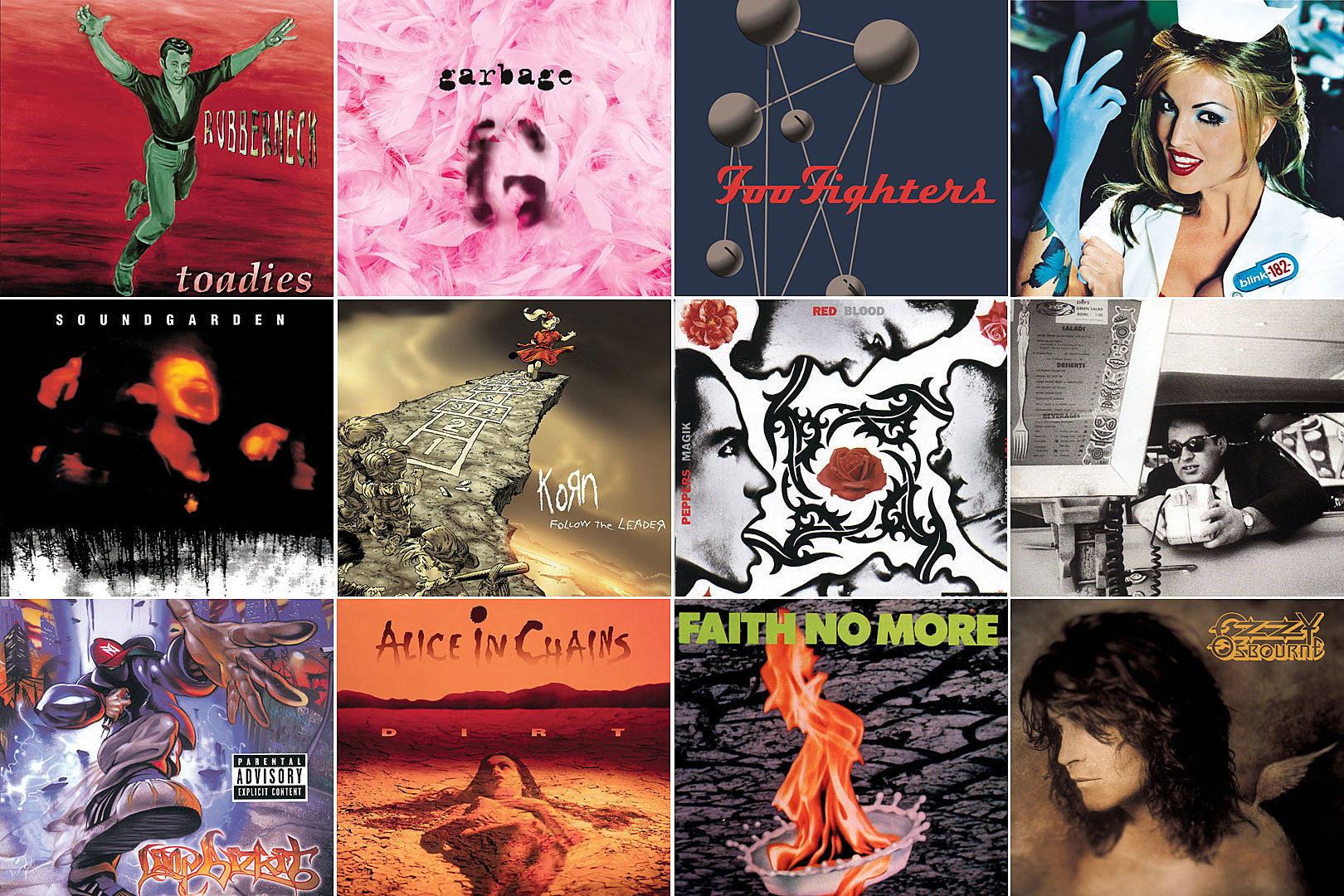
If you are interested in exploring this topic further, the best approach is to start with a curated playlist of 90s alternative and rock charts. Examine the album covers of the era, as the graphic design of the 90s—often featuring bold, sans-serif fonts paired with numerals—tells as much of the story as the music itself. For those conducting research, focus on the liner notes of original 1990s pressings, as these often contain the most reliable documentation regarding the origin of the band's name.