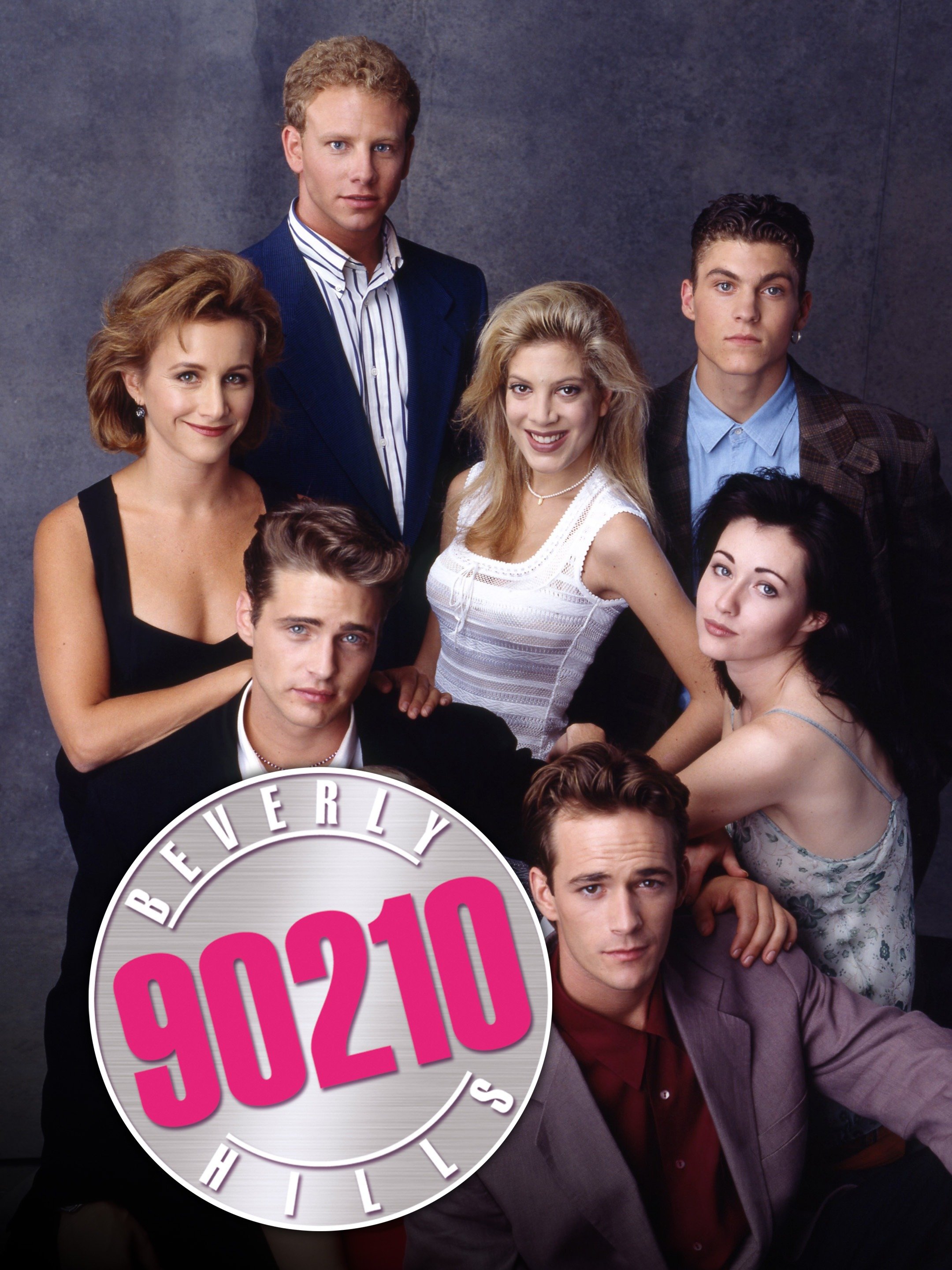
The term "90210 series" primarily refers to the seminal American television franchise created by Darren Star and produced by Aaron Spelling, anchored by the original 1990 teen drama Beverly Hills, 90210. This cultural touchstone fundamentally reshaped the landscape of television by inventing the modern teen soap opera, addressing complex social issues through the lens of affluent youth, and establishing a multi-decade television empire that spawned subsequent reboots and spin-offs.
Origins and Cultural Genesis of the Original Series
The phenomenon began on October 4, 1990, with the premiere of Beverly Hills, 90210 on the Fox network. Conceived by Darren Star and executive produced by Aaron Spelling, the series followed the lives of a close-knit group of teenagers living in an affluent, upscale community of Beverly Hills, California, as they navigated the trials of high school, college, and ultimately adulthood. The core premise hinged on culture shock: Brandon and Brenda Walsh, wholesome twins from Minneapolis, moved with their parents to the glamorous 90210 zip code, providing an outsider perspective through which viewers could explore the extravagant, often turbulent lifestyle of the local elite.
Initially, the series struggled in the ratings during its first autumn broadcast, but the network kept the show on the air by airing a special summer season in 1991. This tactical broadcast decision proved revolutionary. Teenagers, out of school and looking for serialized drama, embraced the show en masse, turning its cast members into overnight global superstars and cultural icons. Luke Perry, Jason Priestley, Shannen Doherty, and Jennie Garth became household names, driving merchandising, teen magazine culture, and a distinct fashion aesthetic defined by early-1990s West Coast style.
Beyond the fashion and teenage romance, the original series distinguished itself by tackling substantive sociopolitical issues that were rarely addressed in prime-time network television at the time. Episodes confronted topics such as date rape, alcoholism, safe sex, AIDS awareness, eating disorders, racism, antisemitism, and teen suicide. By framing these heavy subjects within a glossy, serialized melodrama, the production team successfully engaged a massive youth demographic while prompting broader cultural conversations across American households.
Evolution of the Franchise: Spin-Offs and Continuations
As the original series neared its conclusion in May 2000 after 10 seasons, the intellectual property had already established a blueprint for shared universes in contemporary television. The most prominent expansion was Melrose Place (1992–1999), which also aired on Fox and took a slightly older, more overtly dramatic approach to young adult struggles in a Los Angeles apartment complex. Although it started as a companion piece sharing recurring characters, Melrose Place quickly developed its own distinct identity defined by high-stakes corporate sabotage, romantic betrayal, and heightened villainy.
| Series Title | Original Network | Broadcast Window | Primary Focus |
|---|---|---|---|
| Beverly Hills, 90210 | Fox | 1990 – 2000 | High school & college |
| Melrose Place | Fox | 1992 – 1999 | Young adults in LA |
| Models Inc. | Fox | 1994 – 1995 | Fashion industry drama |
| 90210 | The CW | 2008 – 2013 | Modern high school |
| BH90210 | Fox | 2019 | Meta-fictional reboot |
The expansion continued decades later when the network landscape shifted toward cable and younger-skewing broadcast networks like The CW. In 2008, The CW launched 90210, a contemporary update that brought a new generation of students to West Beverly Hills High School. This iteration successfully blended nostalgic cameos from original cast members—including Jennie Garth, Shannen Doherty, and Tori Spelling—with modern storylines addressing contemporary anxieties, digital media, and modern teenage dynamics, running for five successful seasons until 2013.
Most recently, the franchise explored postmodern meta-fiction with BH90210 in 2019. This limited event series featured the core surviving cast members of the original 1990 series playing heightened, fictionalized versions of themselves trying to pitch a reboot of the original show. By blending mockumentary elements with genuine nostalgia, the series offered a self-aware commentary on aging in the entertainment industry, the weight of pop-culture legacy, and the complex interpersonal dynamics that defined their shared history both on and off screen.
Narrative Themes and Societal Impact
The enduring appeal of the 90210 series umbrella lies in its unique exploration of class, identity, and moral ambiguity. While early television often presented youth in strictly moralizing terms, the original 1990 series embraced flawed protagonists. Characters made profound mistakes, suffered severe consequences, and occasionally failed to redeem themselves within a single episode. This narrative serialization encouraged deep audience investment, establishing the template for modern prestige teen dramas that would later include shows like Gossip Girl, The O.C., and Euphoria.
Furthermore, the geographical specificity of the zip code served as a character in its own right. Beverly Hills represented the pinnacle of the American dream combined with the isolating reality of immense wealth. The juxtaposition between working-class values, embodied by the Walsh family's Midwestern roots, and the decadent excess of characters like Kelly Taylor and Steve Sanders created a perpetual narrative engine. This class friction allowed the writers to examine how wealth can both insulate young people from reality and exacerbate emotional distress.
Production Dynamics and Behind-the-Scenes Realities
The immense cultural footprint of the 90210 series was frequently matched by intensive behind-the-scenes drama, casting changes, and media scrutiny. During the 1990s, the lives of the young actors were tracked by tabloid journalism with an intensity that predated modern social media culture. Creative disputes, contract negotiations, and well-documented friction among cast members frequently spilled into the public eye, occasionally forcing sudden character write-offs and shifting narrative arcs.
Despite these production hurdles, the technical craft behind the franchise remained influential. The production utilized high-end on-location filming across Los Angeles county, establishing a visual standard for sunny, sun-drenched suburban luxury that contrasted sharply with the gritty, industrial aesthetics of other contemporary dramas. The costume design, musical curation, and executive supervision by Aaron Spelling ensured that each episode maintained a polished, cinematic quality that appealed to international syndication markets, cementing the franchise as a global export.
Critical Legacy and Place in Television History
Decades after its initial broadcast, the 90210 series franchise is recognized by media historians as a foundational pillar of modern serialized television. It proved that a series targeting a younger demographic could sustain long-term financial viability through syndication, international distribution, and heavy advertising revenue. Moreover, it demonstrated the viability of the shared universe model long before cinematic universes dominated mainstream entertainment.
The cultural vocabulary generated by the franchise—from associating the numerical string "90210" instantly with luxury and teen drama to normalizing the prime-time soap opera format for younger audiences—remains permanently embedded in popular culture. By balancing escapist glamour with genuine emotional stakes, the franchise created a blueprint for television storytelling that continues to influence creators producing content for youth and young adult audiences today.
Frequently Asked Questions
What was the original premise of the 90210 series?
The original 1990 series followed twins Brandon and Brenda Walsh as they relocated from Minneapolis to Beverly Hills, California. Their outsider perspective served as a narrative anchor for exploring the complex personal, social, and economic lives of their wealthy high school peers.
How many spin-offs and reboots are part of the franchise?
The franchise includes several major iterations, beginning with Melrose Place and Models Inc. in the 1990s. In the modern era, the franchise expanded with The CW's contemporary reboot 90210 in 2008 and the meta-fictional limited event series BH90210 in 2019.
Why did Beverly Hills, 90210 become a breakout hit after a slow start?
The series initially struggled during its 1990 fall debut, but Fox took the strategic risk of airing a special summer broadcast season in 1991. With regular television programming on hiatus, teenage viewers embraced the show, propelling the cast to international stardom.
Did any original cast members return for the later reboots?
Yes. Several original cast members, including Jennie Garth, Shannen Doherty, Tori Spelling, Ian Ziering, Brian Austin Green, and Jason Priestley, returned in various capacities for both the 2008 CW reboot and the 2019 meta-reboot BH90210.
What social issues were addressed in the original series?
The show tackled numerous consequential topics, including date rape, teen suicide, addiction, HIV/AIDS awareness, eating disorders, racial prejudice, and domestic abuse, blending glossy melodrama with socially conscious messaging.
Maximizing Your Appreciation of the Franchise
To fully appreciate the scope and cultural evolution of the 90210 series, viewers should approach the franchise chronologically while noting how television production standards shifted across three decades. Start with the foundational seasons of the 1990 original to understand the establishment of the teen soap genre, observe how the narrative tone transitions through its university years, and then explore the 2008 and 2019 continuations to witness how modern creators reinterpreted the original premise for subsequent generations of television audiences.