The cultural landscape of the 1990s shaped childhood aggression through a distinct lens of media representation, institutional denial, and evolving peer dynamics. This retrospective examines how schoolyard intimidation, systemic responses, and pop-culture archetypes defined an era before digital connectivity shifted aggression into cyberspace.
Defining the 1990s Bully Archetype in Culture and Society
During the 1990s, the archetype of the schoolyard tormentor shifted from a one-dimensional movie villain into a complex social phenomenon examined by sociologists, educators, and media creators alike. In popular cinema and television, the aggressor was frequently romanticized or rendered as a stereotypical jock, leather-clad delinquent, or sardonic suburban teen. Films like Heathers, Dazed and Confused, and Toy Story showcased the psychological complexities of social exclusion, dominance hierarchies, and the mechanics of peer cruelty.
Beneath these fictional portrayals lay a harsher everyday reality. Before the widespread adoption of the internet and mobile phones, childhood aggression operated primarily within physical boundaries: school buses, cafeterias, playgrounds, and neighborhood cul-de-sacs. The physical nature of this aggression meant that encounters were immediate, localized, and often witnessed directly by peers and teachers. Yet, institutional responses often dismissed these incidents under the minimization that "kids will be kids." This cultural tolerance permitted aggressive behaviors to fester unchecked, leaving targeted children to navigate sustained psychological and physical distress without adequate support systems.
The Institutional and Psychological Framework of 90s Aggression
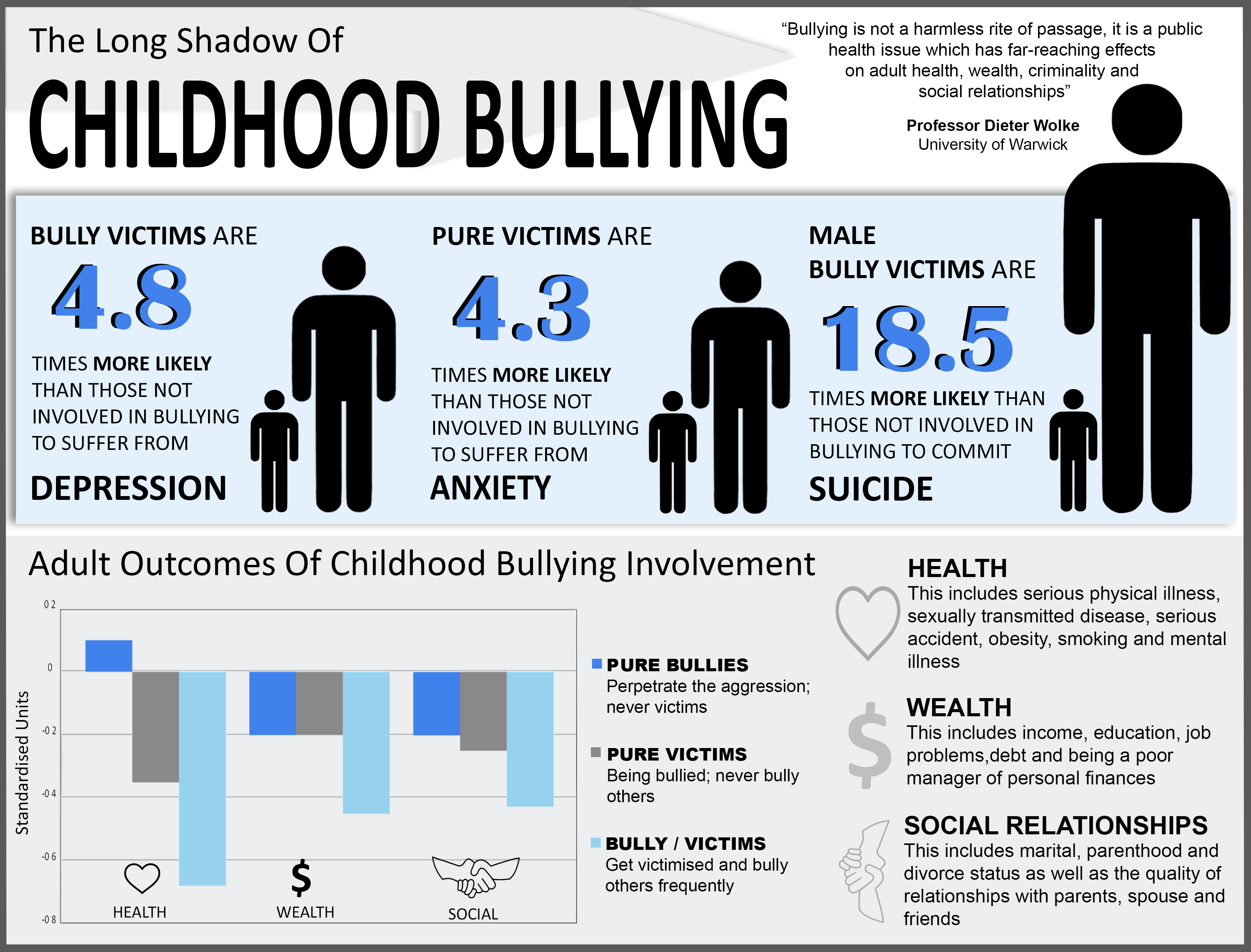
To understand childhood aggression during this decade, one must analyze the prevailing psychological paradigms of the time. Educational institutions largely viewed bullying as an inevitable rite of passage rather than a systemic public health issue. Zero-tolerance policies had not yet saturated school districts, and conflict resolution programs were rudimentary or entirely absent. Guidance counselors focused heavily on individual mediation rather than examining the underlying peer dynamics and institutional cultures that enabled harassment to thrive.
Psychologically, researchers during this period began categorizing aggression into overt and relational forms. While boys typically engaged in direct physical or verbal intimidation, girls increasingly utilized relational aggression—spreading rumors, social ostracization, and manipulating peer networks. The 1990s marked a pivotal turning point where developmental psychologists started documenting the long-term emotional consequences of this behavior, noting correlations with anxiety, depression, and academic disengagement in victims, as well as antisocial trajectories in perpetrators.
Media Influences, Pop Culture, and the Glorification of Toughness
The media landscape of the 1990s played a profound role in shaping behavioral norms among children and adolescents. Action-oriented movies, professional wrestling boom periods, and edgy advertising campaigns frequently valorized dominance, toughness, and verbal sparring.
| Media Medium | Dominant Aggression Theme | Societal Impact |
|---|---|---|
| Teen Cinema | Cliques, social stratification, biting sarcasm | Normalized exclusion and psychological belittlement as standard high school hierarchy. |
| Professional Wrestling | Physical intimidation, taunting, theatrical dominance | Encouraged playground reenactments of physical force and verbal humiliation. |
| Saturday Morning Cartoons | Competitive rivalry, anti-heroes, physical conflict | Reenforced the idea that conflict resolution relies on overpowering an opponent. |
| Tabloid Talk Shows | Public confrontation, sensationalized interpersonal drama | Validated aggressive public posturing as a legitimate form of emotional expression. |
This saturation of competitive media created an environment where empathy was often viewed as a vulnerability. Children absorbed these narratives and tested them on the playground, where physical strength and sharp verbal barbs served as currency for social survival and status acquisition.
Evolution of Intervention: From Zero Tolerance to Modern Perspectives
As the decade progressed, high-profile tragedies and mounting empirical research forced a reluctant reckoning regarding school safety. Educational administrators transitioned from passive observation to active intervention frameworks. The late 1990s saw the inception of standardized anti-bullying curricula, though their implementation varied wildly across school districts. These early programs laid the groundwork for modern evidence-based practices, shifting the responsibility from the victim to the entire school ecosystem.
| Era / Period | Dominant Intervention Approach | Primary Limitation |
|---|---|---|
| Early 1990s | Informal mediation, "tough it out" attitude | Ignored systemic patterns; blamed victims for lacking resilience. |
| Mid 1990s | Counselor-led peer mediation | Often placed victims and aggressors in unsafe forced-reconciliation settings. |
| Late 1990s | Emerging zero-tolerance policies | Led to punitive, rigid punishments without addressing root behavioral causes. |
Evaluating these historical interventions reveals why systemic change was so difficult to achieve. Early policies frequently treated the symptoms rather than the disease, relying on punitive measures that drove aggressive behavior underground rather than reforming the perpetrators.
The Long-Term Impact on the Millennial Generation
The children who navigated the schoolyards of the 1990s—whether as targets, bystanders, or aggressors—carried these formative experiences into their adult lives. Millennials grew up on the cusp of the digital revolution, experiencing offline bullying in their youth while witnessing their own children face cyberbullying today. This unique generational positioning provides a valuable perspective on how peer dynamics have evolved over the past thirty years.
Adults who experienced chronic intimidation in the 1990s often report lingering impacts on self-esteem, interpersonal trust, and career confidence. Conversely, many former aggressors have had to unlearn ingrained behavioral patterns as workplace standards around harassment and psychological safety matured. Examining this era highlights the critical necessity of fostering empathy, emotional literacy, and robust institutional guardrails to protect developing minds from the enduring scars of childhood aggression.
Frequently Asked Questions
What distinguished 1990s bullying from modern cyberbullying?
Nineties-era aggression was strictly localized to physical environments such as schools and neighborhoods, meaning victims experienced temporary relief once they returned home. Modern cyberbullying transcends physical boundaries, infiltrating the home via smartphones and social media, creating an unrelenting 24/7 exposure cycle.
How did schools typically handle aggressive behavior in the 1990s?
Most institutions viewed peer aggression as a normal, developmental part of growing up. Responses were typically reactive, informal, and reliant on advising victims to ignore the behavior or teaching them to fight back, rarely addressing the institutional or cultural roots of the harassment.
Did pop culture cause an increase in childhood aggression during this decade?
While pop culture did not unilaterally cause childhood aggression, media saturation of toughness, teasing, and dominance normalized these behaviors. It provided a behavioral playbook that children frequently replicated in unstructured playground settings.
What long-term effects do researchers associate with 1990s schoolyard intimidation?
Long-term effects documented in longitudinal studies include elevated risks of chronic anxiety, clinical depression, social withdrawal in victims, and an increased likelihood of legal or interpersonal difficulties for perpetrators later in life.
Why is studying 1990s peer dynamics valuable today?
Analyzing this transitional era helps educators and parents understand the roots of contemporary behavioral issues, demonstrating the direct consequences of shifting from passive institutional denial to proactive, empathy-driven intervention strategies.
Navigating Historical Perspectives and Modern Action
To apply the lessons learned from the 1990s retrospective, communities must prioritize open communication between youth, educators, and families. Recognizing that aggression is rarely an isolated incident allows stakeholders to implement supportive environments that prioritize mental health, early intervention, and inclusive peer cultures over outdated notions of resilience.