The 90-day rule in relationships is a dating guideline that suggests waiting approximately three months before making major romantic commitments or engaging in physical intimacy. Designed to allow initial feelings of infatuation to settle, this boundary helps partners evaluate true character, shared values, and long-term compatibility without the clouding effects of early romantic hormones.
While often discussed in modern dating culture alongside immigration rules like the U.S. 90-day fiance visa timeline, the romantic 90-day rule operates purely as a personal boundary framework. It encourages individuals to prioritize intentional communication, emotional safety, and behavioral consistency over rapid escalation.
Origins and Evolution of the 90-Day Rule
The concept of taking a deliberate pause before deepening romantic involvement has historical roots in traditional courtship practices, but its modern branding emerged largely through popular media in the late 2000s. Comedian and television host Steve Harvey popularized the specific phrase in his 2009 bestseller Act Like a Lady, Think Like a Man. Harvey framed the 90-day period as a "probationary period"—analogous to corporate hiring practices—wherein an individual evaluates a potential partner's prospective investment, respect, and long-term intent before granting full access to emotional and physical intimacy.
Over time, relationship counselors and psychologists modified this commercial perspective into a broader mental health tool. Rather than treating dating as a transactional probation period, contemporary relationship experts view the first 90 days as a natural psychological threshold. In modern digital dating culture—where rapid swipe-based matching and "fast-forwarding" emotional intimacy often lead to premature burnouts or "ghosting"—the 90-day rule offers a structured counterweight focused on deliberate evaluation and pacing.
The Psychological Foundations: What Happens During the First 90 Days?
To understand why a 90-day window is psychologically relevant, it is essential to examine the neurochemistry of early attraction. During the initial stages of a relationship, the human brain releases high levels of neurochemicals including dopamine, norepinephrine, and oxytocin. This chemical environment induces a state frequently referred to by psychologists as limerence or the "honeymoon phase."
During limerence, the brain's prefrontal cortex—responsible for critical thinking, executive functioning, and objective assessment—shows decreased activity. Consequently, individuals tend to project their ideal desires onto a new partner, overlook obvious red flags, and mistake intense physical attraction for genuine emotional compatibility.
- Phase 1 (Days 1–30): High Dopamine & Limerence
- Idealization & Novelty
- Phase 2 (Days 31–60): Behavioral Observation
- Revealing Habitual Patterns
- Phase 3 (Days 61–90+): Neurochemical Baseline
- True Compatibility Assessment
Neurochemical spikes typically begin to normalize between three and six months into a new relationship. As dopamine baseline levels settle, initial projections clear, allowing genuine behavioral patterns to surface. A 90-day boundary aligns naturally with this neurobiological shift, helping individuals evaluate key traits after the initial surge of infatuation subsides:
- Stress response and emotional regulation: How does the person manage frustration, conflict, or unexpected setbacks?
- Consistency over novelty: Does their attention and communication remain steady once the excitement of initial pursuit fades?
- Integrity and commitment: Do their actions match their stated values, intentions, and words across different social environments?
How to Implement the 90-Day Framework in Modern Dating
Applying the 90-day rule successfully requires shifting the focus from rigid calendar tracking to active, observational dating. A arbitrary countdown clock offers little benefit if partners do not use the time to gather meaningful insights.
1. Establish Clear Boundaries Early
Implementing this strategy does not mean hiding your intentions or playing mind games. State your preference for intentional pacing calmly and early in the dating process. Explain that taking time to build a strong friendship and foundation allows you to make informed decisions about long-term commitment.
2. Diversify Social and Environmental Contexts
Observing a potential partner only during formal dinner dates or evening drinks yields a limited view of their character. Use the 90-day period to share varied experiences:
- Engage in low-pressure daytime activities such as volunteering, hiking, or regional day trips.
- Introduce them to trusted friends or family members to observe how they interact in group settings.
- Observe how they treat service staff, navigate travel delays, or handle personal stress.
3. Focus on Emotional Vulnerability First
Use the timeframe to establish deep verbal communication. Discuss core personal values, life goals, financial habits, family expectations, and relationship histories. Building emotional trust before introducing physical intimacy provides a resilient foundation that outlasts temporary emotional highs.
Comparative Assessment: Pacing Strategies in Relationship Development
Different dating approaches carry unique risk profiles and structural dynamics. The table below compares the 90-day boundary model against other common romantic timelines.
| Dating Framework | Primary Objective | Key Risk Factor | Long-Term Stability Outlook | Ideal Use Case |
|---|---|---|---|---|
| Accelerated Pacing (Intimacy within 1–2 weeks) | Rapid physical connection and emotional passion | High vulnerability to premature commitment based on limerence | Variable; higher rate of sudden early breakup | Individuals seeking high-intensity connections with low initial expectations |
| The 90-Day Boundary Rule (Physical/Emotional pause for ~3 months) | Objective evaluation of character, consistency, and compatibility | Potential rigidity if strictly enforced without organic connection | High; supported by mutual understanding and clear boundaries | People seeking long-term monogamous partnership or marriage |
| Traditional Courtship (6–12+ months before commitment) | Systematic social, familial, and structural vetting | Delay in discovering physical or lifestyle incompatibilities | High social alignment, variable interpersonal chemistry | Cultural or religious contexts prioritizing community vetting |
| Open-Ended Unstructured Pacing | Organic evolution without fixed timelines or targets | Misalignment of expectations and ambiguous commitment status | Unpredictable; relies heavily on continuous spontaneous communication | Flexible daters comfortable with ambiguity and clear self-advocacy |
Benefits and Common Pitfalls of the 90-Day Rule
Like any relationship strategy, the 90-day rule carries both distinct advantages and potential misapplications.
Benefits
- Protection Against Manipulation: Narcissistic or manipulative dating behaviors—such as "love bombing"—are difficult to sustain for three continuous months. Time acts as a natural filter against performative affection.
- Reduced Emotional Trauma: Abstaining from premature commitment or physical bonding minimizes complex emotional distress if the relationship proves non-viable early on.
- Clarity of Intent: Partners who respect boundaries and value intentional pacing self-select into the relationship, while those seeking quick gratification typically depart early.
Common Pitfalls
- Treating the Rule as a Guarantee: Passing the 90-day mark does not guarantee a successful lifetime partnership; it merely marks the end of the initial assessment phase.
- Using Rules as Power Games: Transforming the timeline into a transactional reward system destroys natural intimacy and creates toxic dynamics.
- Ignoring Organic Chemistry: Excessive focus on rigid timelines can create an artificial, clinical atmosphere that smothers genuine connection and spontaneity.
Frequently Asked Questions
Does the 90-day rule apply strictly to physical intimacy?
No, the 90-day rule applies to overall relationship pacing, including emotional vulnerability, financial intermingling, and exclusive commitment. While physical intimacy is often the focus of popular discussion, withholding emotional boundaries or making major life plans too early carries similar risks.
What happens if a partner refuses to respect a 90-day boundary?
If a prospective partner pressures you to abandon your boundaries, criticize your pacing, or demand rapid escalation, it provides immediate insight into their respect for your autonomy. Difficulty respecting boundaries during early dating often portends broader boundary issues later in the relationship.
Can the 90-day rule prevent heartbreak entirely?
No framework can eliminate the risk of emotional pain or relationship failure. The 90-day rule simply lowers the likelihood of making hasty commitments to unvetted or incompatible partners by allowing time for infatuation to give way to clear judgment.
How does the romantic 90-day rule differ from official legal rules?
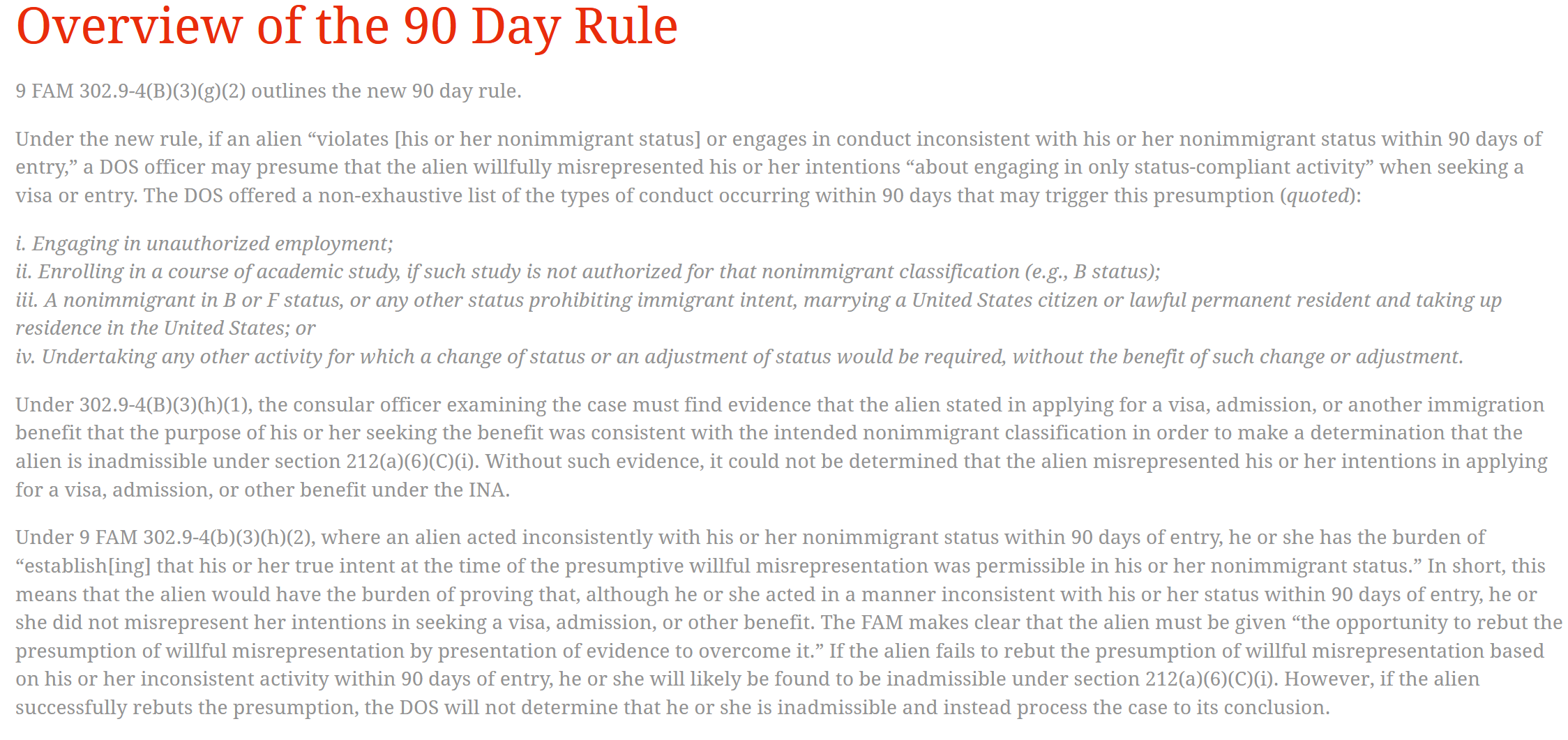
The romantic 90-day rule is an informal personal boundary. It is completely distinct from legal or administrative guidelines, such as the U.S. Citizenship and Immigration Services (USCIS) K-1 fiancé visa requirement to marry within 90 days, or the 90-day ESTA travel rule.
Actionable Steps: Personalizing Your Dating Timeline
To adapt the 90-day rule into a practical boundary that serves your personal relationship goals, consider these actionable steps:
- Define Your Personal Non-Negotiables: Write down your core values, non-negotiables, and dealbreakers before beginning to date, so you can objectively evaluate prospective partners against your criteria.
- Focus on Shared Experiences: Plan dates that reveal character, such as collaborative projects, active hobbies, or social gatherings with trusted friends, rather than relying solely on romantic evening settings.
- Evaluate Trends, Not Isolation Points: Look for trends in communication, reliability, and emotional regulation across the full 90 days rather than judging a relationship on a single great date or minor misstep.
- Maintain Your Independent Life: Preserve your personal hobbies, friendships, routines, and professional pursuits during early dating to stay grounded and prevent codependency.
By approaching the 90-day period as a flexible framework for clarity rather than a rigid set of instructions, you can navigate modern dating with intention, self-respect, and strategic emotional awareness.