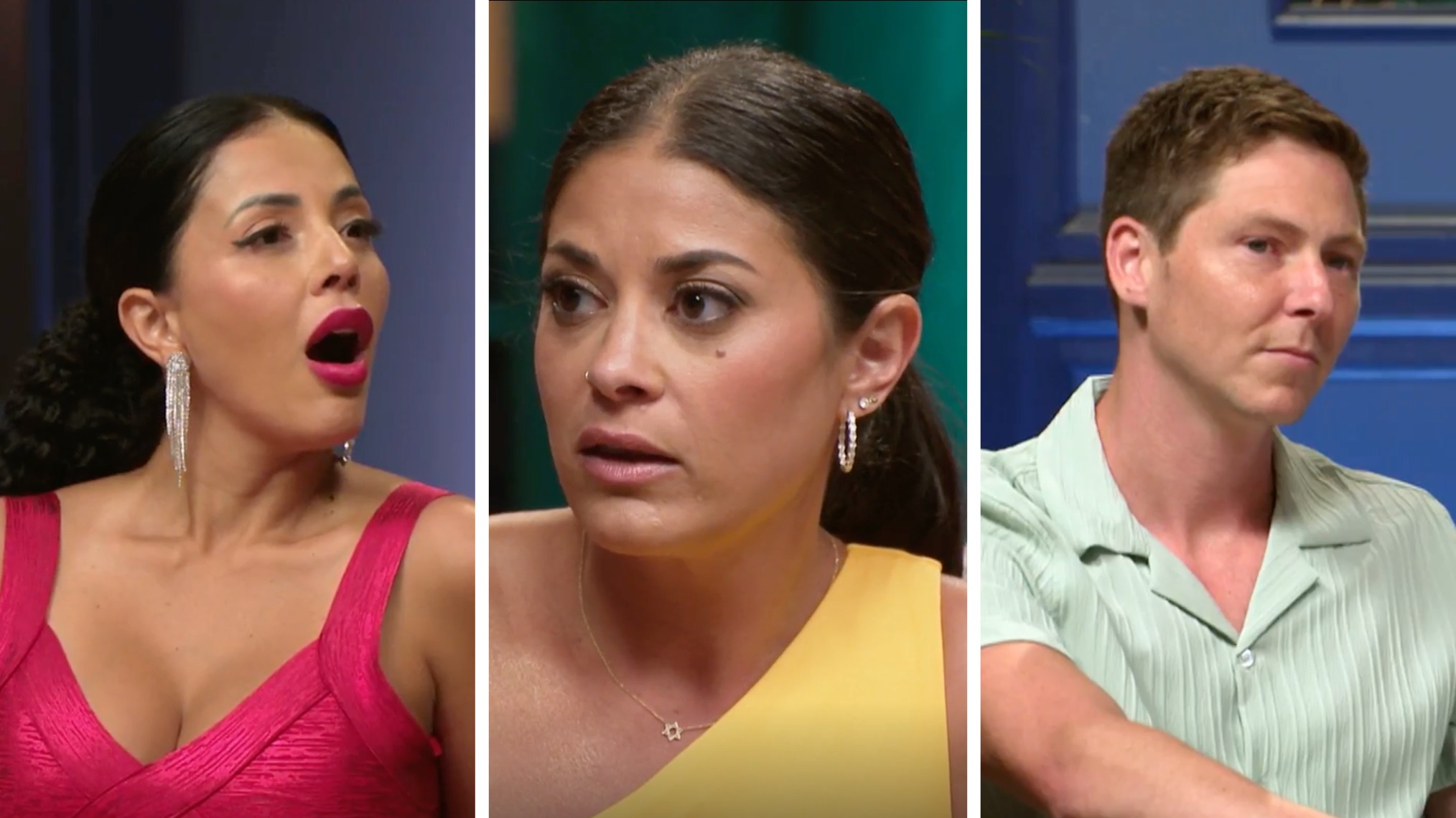
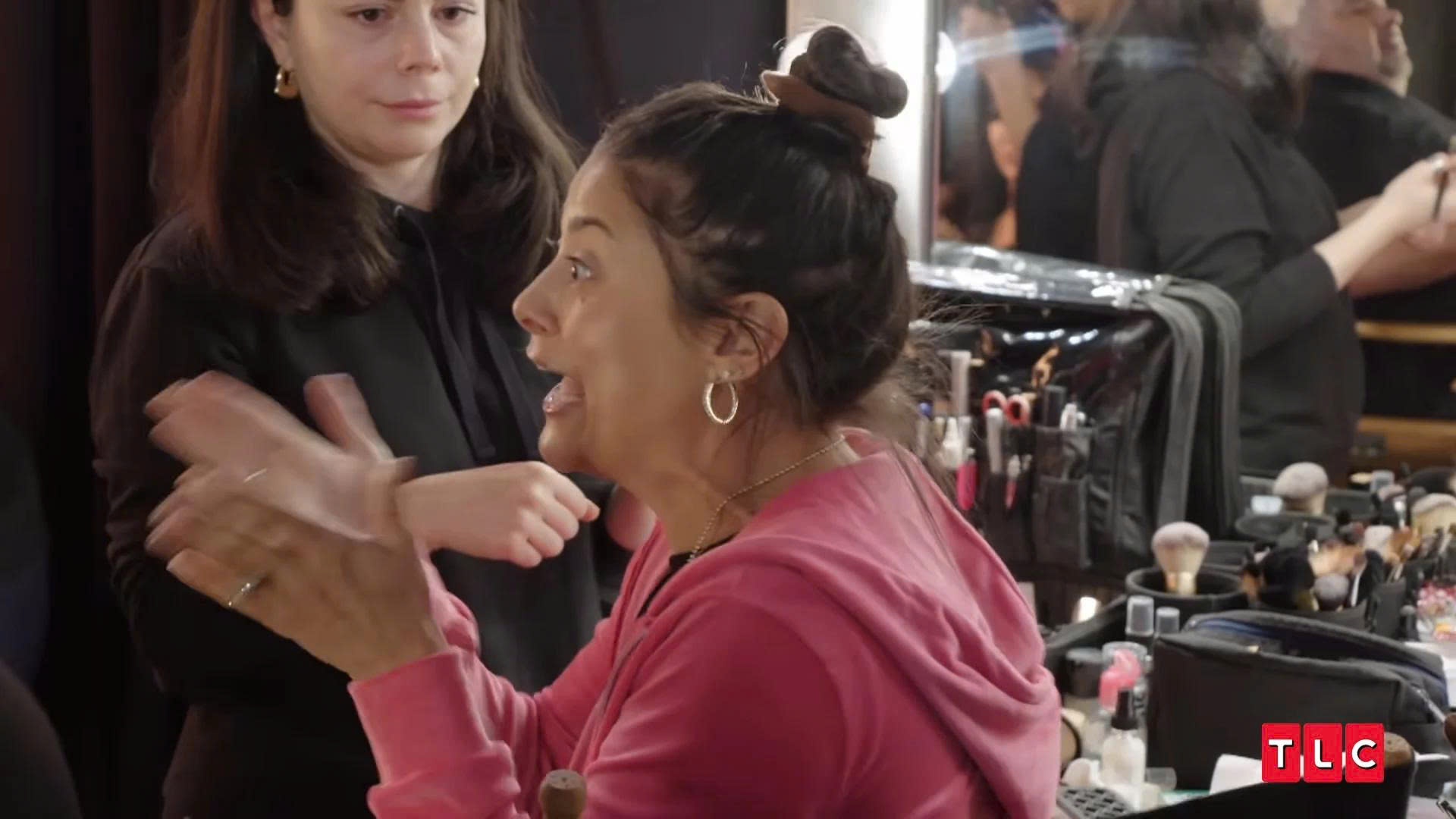
The uncensored truth behind the 90 Day Fiancé Tell-All specials lies in the stark contrast between TLC's polished broadcasts and the reality of production. Behind each two-hour reunion episode are grueling 10-to-14-hour filming sessions, heavy producer prompting through host earpieces, strict legal contracts, and selective editing designed to maximize interpersonal conflict and drama.
The 90 Day Fiancé franchise, produced by Sharp Entertainment for TLC, has dominated reality television by showcasing international relationships navigating the K-1 visa process and legal marriages. While the main episodes track couples over several months, the Tell-All reunions serve as the emotional climax of each season. For years, viewers questioned how much of the drama was genuine and how much was orchestrated behind the scenes.
The inner workings of these reunion specials were exposed to the public when unedited production footage leaked online, shedding light on the mechanics of reality TV storytelling. Examining production schedules, leaked raw video, legal non-disclosure agreements (NDAs), and cast compensation reveals how these popular specials are constructed.
What Happens During a 90 Day Fiancé Tell-All Filming?
Filming a 90 Day Fiancé Tell-All is an intensive, multi-day operational process that bears little resemblance to the seamless narrative presented on television. Cast members are brought to a studio set—or connected via high-definition video feeds for remote cast members—where filming routinely lasts anywhere from 10 to 14 hours per day over a single weekend.
During these marathon recording sessions, participants sit on stage for hours under studio lighting. Host Shaun Robinson moderates the discussions, but her prompts are continuously guided by executive producers monitoring the set from a remote control room. Producers feed questions, follow-up angles, and specific confrontation points directly into Robinson’s earpiece in real time.
- Control Room / Producers
- Earpiece Cues & Prompts
- Shaun Robinson (Host)
- Cast Members on Set
- 10–14 Hours
- Raw Video Footage
- Post-Production Editing
- Sensational TV Broadcast
- Unedited Leaks / Reality
The unedited recording process includes frequent pauses for technical resets, audio adjustments, and producer interventions. When an argument breaks out on stage, producers rarely intervene immediately to de-escalate; instead, they often allow the tension to peak before calling a brief pause to reposition cameras or prompt specific cast members to clarify their statements. This environment relies on emotional exhaustion, as hours of continuous questioning often cause participants to drop their guards and voice unfiltered opinions.
The 2020 Raw Footage Leak: What Was Exposed
The curtain was pulled back on the franchise's production methods in May 2020, when approximately 10 hours of raw, unedited footage from the 90 Day Fiancé: Before the 90 Days Season 4 Tell-All leaked online. Because the reunion was filmed virtually due to global travel restrictions, multi-channel feeds were recorded continuously, capturing everything that transpired between official takes.
The leaked material provided an unvarnished look at the mechanics of the show:
- Producer Control and Earpiece Audio: The raw video exposed audio from the control room, revealing executive producer Barbara directing Shaun Robinson on precisely when to push cast members, when to change topics, and how to frame sensitive questions. Robinson was observed waiting silently while receiving instructions before asking specific questions to trigger reactions.
- Unfiltered Cast Behavior Off-Camera: When the host called for breaks, the cameras kept running. The footage captured cast members talking candidly while unaware they were being recorded. Participants discussed their actual feelings about production, complained about line lines of questioning, and interacted with family members off-screen.
- Repeated Takes and Prompted Answers: In several instances, producers requested cast members to repeat statements or re-ask questions to ensure clear audio or stronger emotional delivery. If an initial response lacked dramatic impact, producers guided the participant toward a more direct confrontation.
- Contextual Cuts: Conversations that appeared as rapid-fire arguments in the final TV broadcast actually took place over forty-five minutes of calm discussion punctuated by occasional outbursts. Editing condensed these long conversations into condensed, high-drama segments.
This breach confirmed long-standing fan theories: while the emotions expressed by cast members are often real, the sequence of conversations, the escalation of arguments, and the framing of rivalries are directed by post-production storytelling.
How Production Controls the Narrative: Editing vs. Reality
Reality television editing relies on post-production techniques to transform raw footage into narrative arcs with clear heroes, villains, and suspenseful plotlines. In 90 Day Fiancé, editors process hundreds of hours of raw Tell-All recording into a broadcast miniseries.
- 10-14 Hours Raw Footage
- Audio Isolation & "Frankenbiting"
- Reaction Shot Insertion & Recutting
- Broadcast Master Edit
Audio Manipulation ("Frankenbiting")
One common editing technique is "frankenbiting"—splicing together words or phrases spoken at different times during the filming day to create a brand-new sentence. Editors use this to make a cast member appear to answer a question they never addressed on set or to heighten a conflict. Listeners can sometimes spot these edits by subtle shifts in background room noise, pitch, or cadence mid-sentence.
Recut Reaction Shots
During a multi-person Tell-All, cameras continuously record the facial expressions of every participant. In post-production, an editor can take a smirk, gasp, or eye-roll from a cast member recorded during a neutral moment in hour two and insert it immediately after another person speaks in hour eight. This creates the illusion of an instant, dramatic reaction that never occurred in real time.
Selective Storyline Omission
Production regularly omits crucial context that contradicts a chosen season narrative. If a couple has resolved an issue off-camera prior to the Tell-All, producers may discourage them from discussing their reconciliation on stage, directing them instead to re-engage in past arguments to maintain storyline consistency for viewers.
Broadcast Episodes vs. Uncensored Raw Filming
Comparing what airs on television against what occurs during unedited raw recording demonstrates the impact of post-production assembly.
| Aspect | Broadcast TV Version | Uncensored / Raw Recording |
|---|---|---|
| Duration | 2 to 4 hours (split into multiple episodes) | 10 to 14+ hours of continuous footage |
| Host Guidance | Appears seamless, spontaneous, and unassisted | Constantly directed by producers via earpiece audio |
| Pacing & Tension | Continuous, high-intensity arguments and rapid responses | Long pauses, technical delays, re-takes, and casual breaks |
| Cast Reactions | Directly tied to specific statements via cutaway shots | Often taken out of sequence or pulled from unrelated moments |
| Off-Camera Behavior | Hidden completely from public view | Reveals cast member strategy, exhaustion, and true relationships |
| Context & Resolution | Nuance cut to emphasize conflict and cliffhangers | Explanations, legal discussions, and calm resolution kept intact |
Cast Compensation and Legal Contracts: NDAs and Financial Realities
The dynamic between the cast and network is governed by legal agreements and strict financial structures. Understanding these contracts explains why cast members rarely speak out about editing decisions until long after their broadcast contracts expire.
Non-Disclosure Agreements (NDAs)
Before appearing on 90 Day Fiancé, participants sign extensive Non-Disclosure Agreements. These legal contracts prohibit cast members from revealing storyline outcomes, production methods, host interactions, or filming secrets on social media or in interviews before episodes air.
Violating an NDA can result in severe financial penalties, withholding of appearance fees, and potential legal action from Sharp Entertainment. As a result, cast members who feel misrepresented by editing are legally restrained from defending themselves publicly while their season is airing.
- Strict Non-Disclosure Agreements (NDAs)
- Forfeiture of Fees for Breaches
- Low Per-Episode Base Pay ($1,000–$1,500)
- Flat-Rate Tell-All Appearance Bonuses
- Exclusivity & Non-Compete Clauses
Payment Structure
Contrary to public perception regarding television stars, initial cast compensation for the 90 Day Fiancé franchise is modest:
- Standard Episode Compensation: American cast members on the flagship series historically earn between $1,000 and $1,500 per episode.
- Foreign Spouses: Due to United States labor laws and visa restrictions, non-citizens filming in the U.S. without a Work Authorization Document (EAD) cannot be paid directly by production during initial filming. Compensation is typically issued solely to the American partner.
- Tell-All Appearance Fees: Participation in the reunion special usually carries a separate flat fee or bonus, often ranging from $1,000 to $2,500 per participant.
Because compensation is linked to complete participation in all scheduled filming—including the Tell-All—cast members who walk off set or refuse to answer questions risk forfeiting their pay for the special.
How Fans Can Spot Scripted Drama and Edited Reactions
Viewers can evaluate reality TV broadcasts critically by spotting post-production manipulation techniques. Observing technical details reveals when a scene has been altered for dramatic effect:
- Watch Audio Continuity and Cutaways: Pay close attention when a cast member speaks while the camera cuts away to show another person's reaction. If you cannot see the speaker's mouth moving to match the words, the audio was likely inserted from a different part of the day.
- Track Physical Wardrobe and Hair Details: Look at minor visual details during heated arguments. A cast member’s hair placement, glass fluid levels, or jewelry positions that shift instantly between camera cuts indicate that the conversation was spliced together from different takes recorded hours apart.
- Analyze Background Audio Pitch: Rapid edits often cause sudden shifts in background room tone. A sudden drop or spike in ambient static mid-sentence indicates a "frankenbite" edit.
- Evaluate Host Questioning Patterns: Notice when questions shift abruptly from calm personal updates to hostile topics. These sudden shifts usually mark points where producers instructed the host to stir up dynamic tension on set.
Frequently Asked Questions
Is the 90 Day Fiancé Tell-All fully scripted?
No, the Tell-All is not scripted with written dialogue. However, it is heavily structured and prompt-driven. Producers actively guide host Shaun Robinson on which topics to press, set up confrontational scenarios, and encourage cast members to revisit past grievances to generate emotional reactions.
Why did the 90 Day Fiancé raw footage leak in 2020?
The May 2020 leak occurred during the virtual filming of the Before the 90 Days Season 4 Tell-All. Because the production was conducted remotely due to COVID-19 safety measures, unencrypted multi-channel video streams were intercepted or mistakenly exposed online, resulting in roughly 10 hours of unedited production footage reaching the public.
How much do cast members get paid for attending the Tell-All?
Cast members typically receive a separate appearance fee for the Tell-All special, generally estimated between $1,000 and $2,500 per participant, in addition to their per-episode seasonal pay. Payment is often contingent on fulfilling all filming obligations and abiding by non-disclosure agreements.
Can cast members get sued for revealing behind-the-scenes secrets?
Yes. Cast members sign legally binding Non-Disclosure Agreements (NDAs) that prohibit them from disclosing production details, producer instructions, unedited events, or seasonal outcomes. Breaching these agreements can result in legal action, financial damages, and the forfeiture of appearance fees.
Does host Shaun Robinson make her own questions during the Tell-All?
While Shaun Robinson participates in framing the interview, she works in continuous real-time communication with executive producers. Control room staff feed specific questions, follow-ups, and instructions into her earpiece throughout the 10-to-14-hour recording session to align the dialogue with season narratives.
Evaluating Reality Television Content Critically
Understanding the mechanics of reality TV production allows viewers to appreciate 90 Day Fiancé as a engineered form of entertainment rather than an unvarnished documentary. While the interpersonal dynamics and emotional stress experienced by cast members are real, the presentation of these events is framed by story producers, host prompting, and post-production editing.
When watching future Tell-All specials, viewers should consider the underlying working conditions: long filming days, legal constraints, financial incentives, and precise audio-visual editing. Recognizing these production realities provides a clear perspective on how television networks transform personal lives into dramatic entertainment.