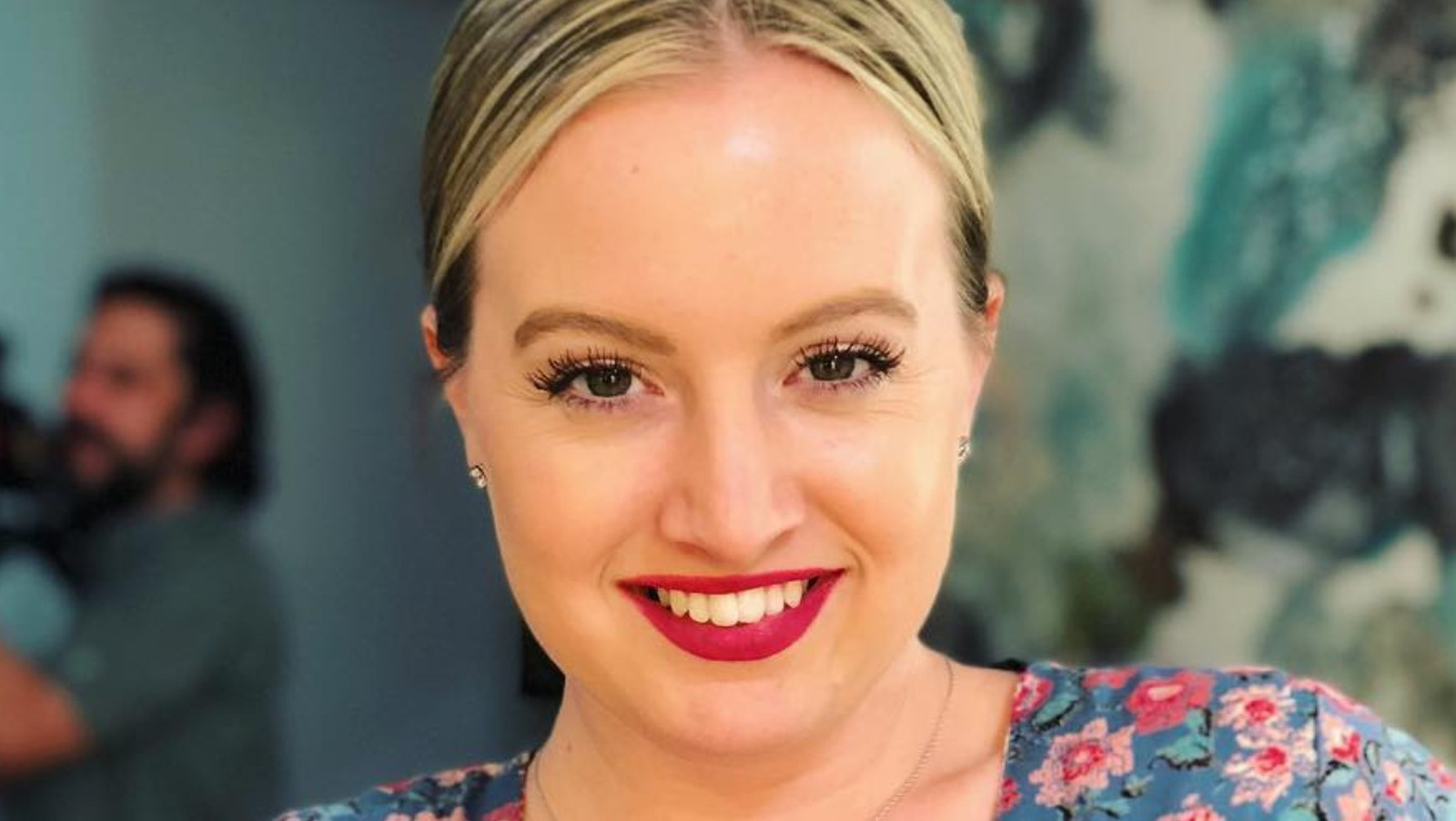
The Potthast family narrative on TLC’s 90 Day Fiancé centers on Elizabeth Potthast, her Moldovan husband Andrei Castravet, and her sisters Jenn and Becky. While often mistaken by casual viewers for twins due to their similar styling and joint screen presence, the sisters generated intense television drama surrounding Andrei’s K-1 visa progression, conditional residency scrutiny, and family real estate rivalries.
Demystifying the Potthast Sisters: Family Roles and Visual Misconceptions
One of the most persistent search queries surrounding the Potthast family involves whether Elizabeth’s sisters are twins. Jenn Potthast and Becky Potthast (Lichtwerch) are not twins, but full sisters born years apart. The confusion among viewers stems primarily from two factors: their striking physical resemblance—often highlighted by matched hair color, makeup styles, and fashion choices—and their coordinated appearance as a united front on 90 Day Fiancé: Happily Ever After?. Additionally, reality television audiences frequently confuse them with another prominent pair from the same franchise, Darcey and Stacey Silva, who are actual identical twins with their own spin-off series.
Within the family hierarchy, Elizabeth (often called Libby) is the youngest sister. Her older sisters, Rebekah ("Becky") and Jennie ("Jenn"), established strong, distinct personalities on camera, frequently acting as protective—and often antagonistic—figures regarding Elizabeth's relationship choices. Along with their brother Charlie and their father Chuck Potthast, the sisters formed a closely knit business and family network based in the Tampa Bay area of Florida.
Potthast Sibling Dynamic:
- Jenn Potthast (Older Sister / Co-star)
- Becky Potthast Lichtwerch (Older Sister / Co-star)
- Charlie Potthast (Brother / Co-star)
- Elizabeth "Libby" Potthast Castravet (Youngest Sister / Lead Cast)
The dynamic between Elizabeth and her older sisters became a core plot driver for TLC across multiple seasons. While Elizabeth sought independence and attempted to integrate her foreign-born husband into the household, Jenn and Becky regularly questioned Andrei's motives, employment status, and background. This persistent skepticism created an ongoing conflict between sisterly loyalty and marital allegiance.
The Evolution of Andrei’s Visa Status: K-1 to Permanent Residency Scrutiny
Andrei Castravet’s immigration journey represents one of the most heavily documented legal arcs on the 90 Day Fiancé franchise. The process began with the standard K-1 nonimmigrant visa, which allows the foreign fiancé of a United States citizen to enter the country, provided the couple marries within 90 days of entry.
After Andrei arrived in Florida from Ireland (where he had been living and working as a bouncer after leaving his native Moldova), he and Elizabeth married within the mandated timeframe. This allowed Andrei to apply for an Adjustment of Status (Form I-485) to become a conditional permanent resident. Under United States immigration regulations administered by U.S. Citizenship and Immigration Services (USCIS), foreign spouses married for less than two years at the time of green card approval receive a conditional resident status valid for only two years.
Visa & Residency Progression:
- K-1 Fiancé Visa
- 90-Day Marriage
- 2-Year Conditional Green Card
- Form I-751 Removal of Conditions (Scrutiny/Interview)
- 10-Year Permanent Green Card
The primary visa drama escalated during Season 7 of 90 Day Fiancé: Happily Ever After?, when Andrei and Elizabeth filed Form I-751, the Petition to Remove Conditions on Residence. To transition from a two-year conditional green card to a standard ten-year permanent resident card, couples must prove that their marriage was entered into in good faith and not solely to circumvent immigration laws.
During this stage, Andrei faced unexpected delays, additional interview requirements, and intense questioning by immigration officers. The show highlighted severe anxiety surrounding potential deportation. A central storyline focused on Andrei’s belief that an anonymous party—specifically someone within Elizabeth’s immediate family—had contacted USCIS or submitted complaints regarding his past in Moldova to sabotage his application.
Business Rivalries and On-Screen Conflict: Real Estate and Family Feuds
Beyond the legal challenges of the U.S. visa process, financial and professional rivalries significantly fueled the television narrative. Chuck Potthast built a lucrative real estate investment business in Florida, focusing on acquiring, renovating, and flipping residential properties. Historically, several of his children, including Jenn, Becky, and Charlie, worked within or alongside this family real estate empire.
Tensions escalated dramatically when Andrei expressed a desire to enter the real estate market. Rather than starting independently, Andrei sought mentoring, financial backing, and business partnerships directly from Chuck. This move was viewed by Jenn, Becky, and Charlie as an intrusion into their established business domain.
Key friction points throughout the series included:
- The Moldovan Wedding Expenses: The family clashed over funding a second, traditional Orthodox wedding ceremony in Moldova, which Chuck ultimately agreed to cover, inciting resentment from the siblings.
- Requests for Capital: Andrei directly asked Chuck for a $100,000 business loan to kickstart his own property flipping ventures, which the sisters viewed as entitlement and financial exploitation.
- Workplace Territory: When Andrei obtained his Florida real estate license, his direct collaboration with Chuck led to heated arguments at property walkthroughs, open houses, and family gatherings.
- The Physical and Verbal Altercations: Family reunions frequently devolved into shouting matches, culminating in physical confrontations between Andrei and Charlie, with Jenn and Becky actively taking sides against Andrei.
These clashes created a division where Elizabeth was forced to choose between supporting her husband's career ambitions and preserving her relationship with her sisters and father.
Key Figures in the Potthast Family Dynamics
To understand how the various family members intersect with both the visa storylines and the business drama, the following breakdown outlines their primary roles and conflicts featured on screen.
| Member | Relation to Elizabeth | Primary Role on Show | Key Points of Conflict |
|---|---|---|---|
| Elizabeth (Libby) Potthast | Lead Cast Member | Wife to Andrei; singer & digital creator | Defending her husband against family criticism; balancing spouse loyalty with family ties |
| Andrei Castravet | Husband | Moldovan immigrant; real estate agent | Visa delays; Form I-751 immigration scrutiny; clashes with in-laws over business ventures |
| Chuck Potthast | Father | Real estate investor & business owner | Funding wedding events; mediating fights between Andrei and his biological children |
| Jenn Potthast | Older Sister | Supporting cast member; influencer | Questioning Andrei's past law enforcement record; rival real estate interests |
| Becky Potthast Lichtwerch | Older Sister | Supporting cast member; talent manager | Accused of interfering in Andrei's immigration status; heated arguments over family loyalty |
| Charlie Potthast | Brother | Supporting cast member | Physical altercations with Andrei; vocal opposition to Andrei entering the family business |
Reality TV Dramatization vs. U.S. Immigration Law Realities
The intense focus on Andrei’s Form I-751 application sparked widespread debate among viewers regarding how U.S. immigration procedures operate in practice versus how they are depicted on reality television.
In reality TV editing, administrative hurdles are often simplified or exaggerated for dramatic impact. While the show suggested that an anonymous tip from Jenn, Becky, or Charlie could easily trigger deportation proceedings against Andrei, federal immigration law enforces strict procedural standards.
Actual USCIS Review Determinants:
- Law Enforcement Background Checks (Prior domestic/foreign service)
- Documented Proof of Bona Fide Marriage (Joint finances, leases, children)
- Standard Administrative Processing Delays & Backlogs
- High-Scrutiny Red Flags (Inconsistent interview responses, fraud reports)
USCIS processes millions of applications annually, and standard red flags that trigger an in-person interview or extended background review for Form I-751 include:
- Prior Law Enforcement Service: Foreign nationals who previously served in police forces or military units overseas (such as Andrei’s past service as a police officer in Chisinau, Moldova) routinely undergo enhanced background vetting to verify there are no human rights violations or security disqualifiers.
- Insufficient Joint Documentation: Couples who fail to present thorough evidence of commingled assets, joint tax returns, joint leases, or shared bank accounts automatically face elevated scrutiny.
- Routine Administrative Backlogs: Long processing times for I-751 petitions are standard practice across U.S. service centers, often taking 18 to 36 months without any negative allegations being filed.
- Anonymous Tips: While USCIS accepts fraud reports through the Fraud Detection and National Security (FDNS) Directorate, an unverified tip from an angry family member rarely results in immediate deportation. Investigators require substantive evidence of marriage fraud or criminal misconduct before denying a petition.
Because Elizabeth and Andrei share children (their daughter Eleanor and son Winston) and extensive joint financial assets, their legal standing for a bona fide marriage was strong despite the television drama surrounding potential family sabotage.
Post-Show Status of the Potthast Family
Following their extensive run on TLC, Elizabeth and Andrei have maintained a high-profile presence on social media and digital platforms. They continue to reside in Florida, where Andrei works in real estate and construction management, while Elizabeth focuses on content creation, social media marketing, and musical projects.
The relationship between the sisters has experienced cycles of distance and partial reconciliation. While social media updates occasionally show family gatherings for holidays and children's birthdays, the intense business rivalries featured on Happily Ever After? led to a restructuring of how the family interacts outside of television production. Jenn and Becky continue their own independent business ventures, content creation, and talent management, operating separately from Andrei’s real estate activities.
Frequently Asked Questions
Are any of Elizabeth Potthast’s sisters actual twins?
No, Elizabeth’s sisters, Jenn Potthast and Becky Potthast, are not twins. They are sisters born years apart who share similar physical appearances, styling, and close visual coordination during television appearances.
Did Jenn or Becky actually report Andrei to USCIS?
There is no public record or verified evidence indicating that Jenn, Becky, or any member of the Potthast family submitted a formal fraud report to USCIS against Andrei. The accusations served as a primary narrative conflict during Season 7 of Happily Ever After?.
Why did Andrei leave his police job in Moldova?
On the show, Andrei explained that he left his position as a police officer in Chisinau due to widespread corruption and unethical expectations within the local department, which prompted his move to Ireland before meeting Elizabeth.
What visa did Andrei use to enter the United States?
Andrei entered the United States on a K-1 fiancé visa, which required him to marry Elizabeth, a U.S. citizen, within 90 days of entry to apply for lawful permanent residence.
How many children do Elizabeth and Andrei have?
Elizabeth and Andrei have two children: a daughter named Eleanor Louise, born in 2019, and a son named Winston Leo, born in October 2022.
Key Lessons for Reality TV Fans and Immigration Researchers
When analyzing media coverage and search trends regarding the Potthast family, viewers should distinguish between scripted entertainment narratives and actual legal procedures. Audiences evaluating similar immigration cases or legal processes should keep the following points in mind:
- Verify Relationship Claims: Search terms often conflate different cast members across reality television franchises. Confirming cast genealogies through verified media databases prevents falling for common visual misidentifications (such as confusing the Potthast sisters with actual twin cast members).
- Understand Immigration Timelines: Extended processing periods for conditional residency removal (Form I-751) are common standard administrative delays rather than evidence of impending deportation or active fraud investigations.
- Consult Official Legal Sources: For actual immigration guidance, rely on publications directly from U.S. Citizenship and Immigration Services or accredited immigration attorneys rather than dramatized television representations of the green card application process.