Stretch marks develop when rapid physical expansion stretches the skin beyond its elastic capacity, causing tears within the dermal collagen and elastin networks. While complete topical removal is rare, dermatologist-backed formulations featuring retinoids, Centella asiatica, hyaluronic acid, glycolic acid, and barrier-repairing lipids can significantly improve skin texture, depth, and discoloration, leading to smoother, healthier-looking skin.
Understanding Stretch Marks: Physiology, Stages, and Realities
Stretch marks, known medically as striae distensae, occur when the middle layer of the skin (the dermis) undergoes rapid stretching. This mechanical stress ruptures collagen fibers, degrades elastin, and disrupts the normal architecture of the extracellular matrix. Common causes include pubertal growth spurts, pregnancy (striae gravidarum), rapid muscle gain from weightlifting, and significant fluctuations in body weight. Systemic corticosteroid use and hypercortisolemia (such as in Cushing's syndrome) can also compromise dermal structural integrity, predisposing the skin to tearing.
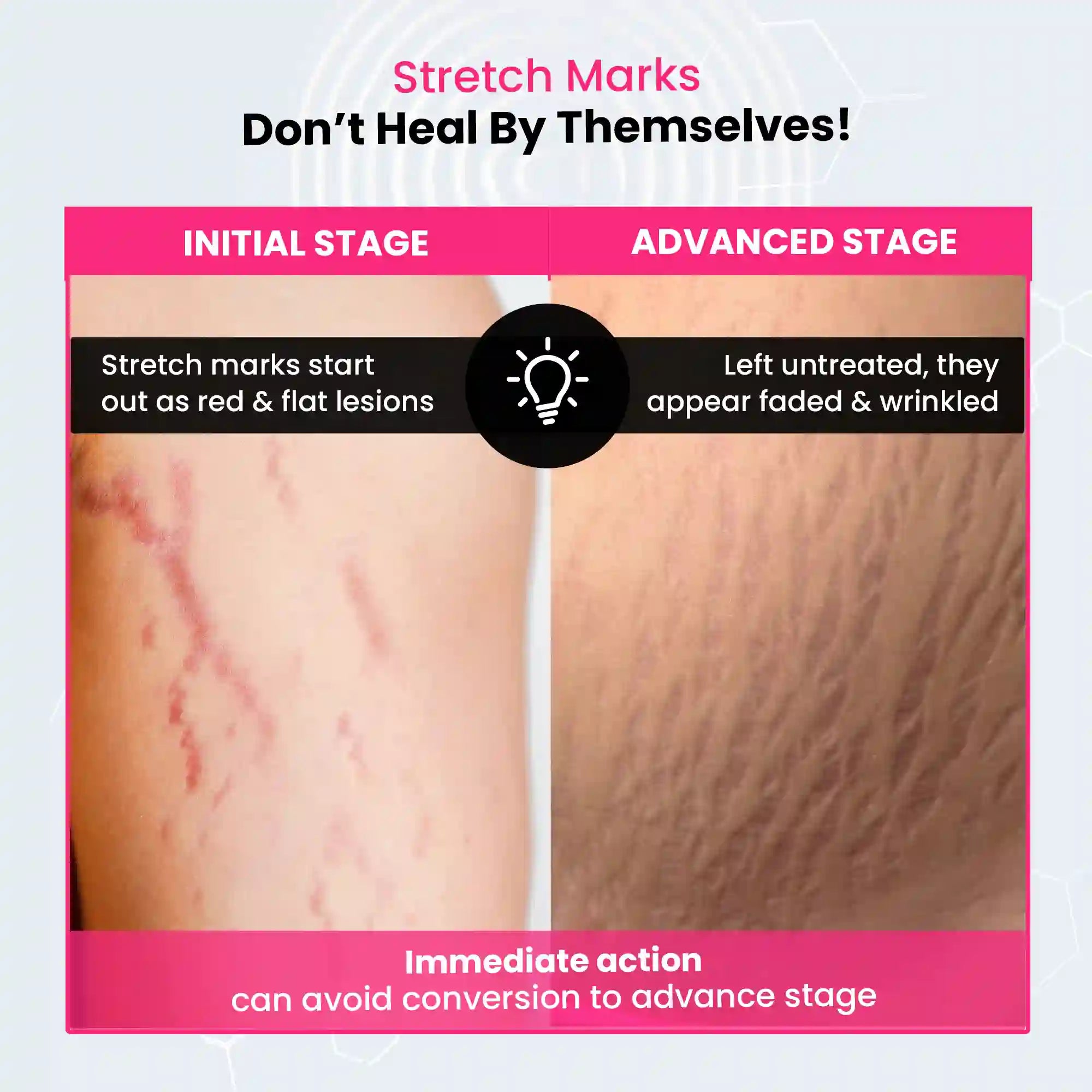
Dermatologists classify stretch marks into two primary clinical stages, which dictates how responsive they are to topical treatments:
- Striae Rubrae (Acute Phase): These are recently formed stretch marks characterized by a pink, red, purple, or dark brown hue. The coloration stems from localized inflammation, increased vascularity, and microscopic tearing of the dermal matrix. Because blood flow is still active and cellular remodeling is ongoing, striae rubrae respond most favorably to active topical interventions, particularly compounds that stimulate collagen synthesis and calm inflammation.
- Striae Albae (Chronic Phase): Over months or years, blood vessels recede and inflammation subsides, leaving behind pale, white, silver, or depressed scar-like lines. In striae albae, the skin tissue has fully healed into an atrophic scar with diminished melanocyte activity and disorganized collagen bundles. Topical products applied during this phase primarily work by refining surface texture and improving localized skin hydration, though structural repair usually requires clinical procedures like fractional microneedling or vascular lasers.
Medical & Safety Disclaimer: Topical skincare products discussed in this guide are intended for cosmetic management of stretch marks and are not medical cures. Pregnant or nursing individuals must consult their healthcare provider before using any active topical ingredients, particularly retinoids and high-strength exfoliating acids, as certain compounds present fetal or systemic risks.
Essential Ingredients Approved by Dermatologists
Formulations designed for stretch marks rely on targeted biomolecules to support skin repair. Understanding how these active components interact with dermal cells helps in selecting the right regimen for your specific stage of stretch marks.
Retinoids (Vitamin A Derivatives)
Retinoid compounds—such as prescription tretinoin, OTC retinol, and adapalene—are among the most clinically researched topical actives for dermal remodeling. They bind to retinoic acid receptors in the skin, triggering gene transcription that accelerates cell turnover, inhibits collagenase (the enzyme that breaks down collagen), and stimulates dermal fibroblasts to produce fresh Collagen Type I and III. Retinoids are most effective when applied to active striae rubrae. However, retinoids are strictly contraindicated during pregnancy and breastfeeding.
Centella Asiatica (Gotu Kola)
Centella asiatica extract, particularly its active triterpenoid compounds (madecassoside, asiaticoside, and asiatic acid), promotes wound healing and microcirculation. Research published in dermatological literature shows that Centella asiatica stimulates fibroblast activity, increases collagen synthesis, and enhances the tensile strength of newly formed skin tissue. It is widely used in preventive and early-stage stretch mark therapies.
Hyaluronic Acid (HA)
Hyaluronic acid is a powerful humectant capable of binding up to 1,000 times its weight in water. Rapid skin stretching compromises the epidermal barrier, leading to increased transepidermal water loss (TEWL) and localized dry, crinkled texture. High- and low-molecular-weight hyaluronic acid plumps the extracellular matrix, improves elasticity, and maintains optimal hydration levels necessary for cellular repair mechanisms.
Alpha Hydroxy Acids (AHAs)
Glycolic acid and lactic acid work by breaking down the intercellular desmosomes that bind dead skin cells together on the stratum corneum. By accelerating desquamation, AHAs smooth out rough, uneven surface texture typical of older stretch marks. Furthermore, higher concentrations of glycolic acid stimulate dermal glycosaminoglycans and mild collagen re-synthesis, serving as an effective adjunct to hydrating formulations.
Botanical Oils and Emollients
Ingredients such as rosehip seed oil, cocoa butter, shea butter, and vitamin E (tocopherol) do not directly erase deep dermal tears, but they play a crucial role in reinforcing the skin barrier. Rich in essential fatty acids (linoleic and oleic acids), these emollients restore lipid integrity, enhance skin compliance, reduce itching associated with stretching skin, and protect healing tissue from environmental oxidative stress.
9 Expert-Approved Products for Stretch Marks
The following curated selection highlights dermatologically recognized formulations, ranging from rich emollients to high-performance active treatments tailored for distinct phases of skin restoration.
- Early Stage: Striae Rubrae
- Focus: Collagen Synthesis & Vascular Recovery
- Primary Actives: Retinoids, Centella, Hyaluronic Acid
- Late Stage: Striae Albae
- Focus: Texture Refining, Surface Hydration
- Primary Actives: Glycolic Acid, Hyaluronic Acid, Emollients
1. Mederma Stretch Marks Therapy
Mederma’s specialized stretch mark formula combines Centella asiatica extract with Allium cepa (onion bulb extract) and hyaluronic acid. Designed specifically to target both the discoloration and texture of stretching skin, this cream works by dampening inflammatory cascades while encouraging balanced fibroblast activity. It is frequently recommended by dermatologists for post-pregnancy skin recovery (once nursing is complete or cleared by a doctor) and during active body composition shifts.
2. Bio-Oil Skincare Oil
Bio-Oil remains a classic recommendation for body skin maintenance. Formulated with PurCellin Oil—a lightweight vehicle that enhances product absorption—alongside Vitamin A (Retinyl Palmitate), Vitamin E, Calendula, Lavender, Rosemary, and Chamomile oils, it provides deep emollient support. While Retinyl Palmitate is a mild Vitamin A derivative, the oil mainly excels at softening epidermal tissue, reducing skin tightness, and fading hyperpigmentation in evolving marks.
3. SkinCeuticals Body Retexturing Treatment
For mature, texturally compromised striae albae, SkinCeuticals offers a dual-action exfoliating and hydrating body gel. Featuring a concentrated blend of hydroxyethyl urea, aminosulfonic acid, glycolic acid, and hyaluronic acid, this product speeds up cell turnover while flooding the intercellular matrix with moisture. It effectively smoothes out the depressed, paper-like texture of older stretch marks without causing excessive irritation.
4. Palmer's Cocoa Butter Formula Massage Lotion for Stretch Marks
A staple in supportive body care, Palmer’s blend relies on pure Cocoa Butter, Shea Butter, Vitamin E, Argan Oil, and a proprietary Bio C-Elaste complex (a combination of collagen, elastin, centella asiatica, sweet almond oil, and argan oil). This thick, emollient lotion improves overall skin elasticity and barrier retention, making it an excellent daily preventive option during pregnancy or weight management regimes.
5. Differin Adapalene Gel 0.1%
Originally developed for acne, topical adapalene is a stable, third-generation retinoid available over-the-counter. When applied off-label to newly formed striae rubrae, adapalene promotes rapid cellular turnover and stimulates collagen synthesis in the upper dermis. Because of its potency, it should be applied sparingly, followed by a rich moisturizer to prevent dryness, and must never be used during pregnancy.
6. Mustela Stretch Marks Cream
Formulated specifically for pre- and post-natal care, Mustela’s formula utilizes 96% natural-origin ingredients, including avocado peptides, passion fruit polyphenols, and hamamelis plant extracts. Avocado peptides strengthen the skin barrier and alleviate tightness, while passion fruit extracts support skin elasticity. It is rigorously tested for safety during pregnancy and lactation, offering a secure option for mothers actively preventing or treating early marks.
7. Paula's Choice Retinol Skin-Smoothing Body Treatment
Combining 0.1% pure retinol with specialized plant oils (butterbur, evening primrose) and antioxidants (vitamins C and E), this lightweight body lotion delivers retinoid technology in a gentle, moisturizing base. It targets the loss of firmness and uneven texture surrounding stretch marks, making it ideal for treating larger body areas such as the thighs, abdomen, and upper arms in non-pregnant users.
8. The Ordinary Hyaluronic Acid 2% + B5
While formulated primarily for facial application, this highly concentrated serum serves as an exceptional targeted booster for stretch mark regimens. Layering a pure hyaluronic acid serum onto clean, damp skin before applying heavy body oils or emollients ensures that moisture is drawn deep into the stratum corneum, maximizing tissue volume and improving overall skin resilience.
9. StriVectin SD Advanced Plus Intensive Moisturizing Concentrate
Originally created as a stretch mark cream before gaining fame as a facial anti-aging product, StriVectin’s flagship formula remains a powerful choice for body skin restoration. Driven by proprietary NIA-114 technology (a patented form of Niacin/Vitamin B3) combined with Collagen-Targeted Peptides, this concentrate fortifies the epidermal moisture barrier, stimulates structural proteins, and visibly reduces the depth and length of both new and old stretch marks over sustained use.
Comparative Analysis of Top Stretch Mark Products
The matrix below contrasts the active components, targeted stages, and key operational traits of these expert-approved treatments:
| Product Name | Key Active Ingredients | Primary Mechanism | Target Stage | Pregnancy Safety Status |
|---|---|---|---|---|
| Mederma Stretch Marks Therapy | Centella asiatica, Allium cepa, Hyaluronic Acid | Fibroblast stimulation & redness modulation | Striae Rubrae | Consult Physician |
| Bio-Oil Skincare Oil | Retinyl Palmitate, Vitamin E, Plant Extracts | Lipid barrier restoration & softening | Striae Rubrae & Albae | Caution (Contains Vitamin A derivative) |
| SkinCeuticals Body Retexturing | Glycolic Acid, Hydroxyethyl Urea, Hyaluronic Acid | Chemical desquamation & surface smoothing | Striae Albae | Consult Physician |
| Palmer's Massage Lotion | Cocoa Butter, Shea Butter, Collagen, Elastin | Occlusive hydration & lipid reinforcement | Prevention / Early Rubrae | Generally Safe |
| Differin Adapalene Gel 0.1% | Adapalene (Retinoid) | Retinoic receptor binding & collagen remodeling | Early Striae Rubrae | Contraindicated |
| Mustela Stretch Marks Cream | Avocado Peptides, Passion Fruit Polyphenols | Barrier fortification & elasticity support | Prevention / Early Rubrae | Formulated for Pregnancy |
| Paula's Choice Retinol Body | 0.1% Pure Retinol, Evening Primrose Oil | Dermal turnover & structural support | Striae Rubrae & Albae | Contraindicated |
| The Ordinary HA 2% + B5 | Multi-molecular Hyaluronic Acid, Vitamin B5 | Deep humectant hydration & tissue plumping | All Stages | Generally Safe |
| StriVectin SD Advanced Plus | NIA-114, Copper Tripeptide, Collagen Peptides | Barrier enhancement & matrix stimulation | Striae Rubrae & Albae | Consult Physician |
Practical Application Protocol for Maximum Efficacy
Topical skincare yields results only when applied correctly and consistently over prolonged periods. To achieve the best possible improvement in skin texture and discoloration, follow this structured routine:
Step 1: Prep and Exfoliate Clean Skin
Apply active formulations to clean skin after showering. Warm water dilates capillaries and opens pores, enhancing ingredient permeability. Once or twice a week, use a mild chemical exfoliant (such as a glycolic or lactic acid body wash) or a soft dry brush to remove dead surface cells, ensuring active compounds penetrate efficiently into the skin.
Step 2: Layer Active Serums First
If incorporating high-potency serums—such as hyaluronic acid or targeted peptide concentrates—apply them directly onto slightly damp skin. Humectants require water molecules to draw moisture into the epidermal layers effectively.
Step 3: Apply Targeted Actives (Retinoids or Specialized Creams)
Apply your primary treatment product (e.g., Retinol, Mederma, or StriVectin) directly onto the stretch marks. Use firm, circular massage motions with your fingertips for 60 to 90 seconds per region. Physical massage promotes localized microcirculation, bringing oxygen and essential nutrients to the repairing tissue while ensuring complete product absorption.
Step 4: Seal with Emollients and Occlusives
Lock in active ingredients by applying a rich emollient cream or natural oil (such as Bio-Oil or Palmer's Cocoa Butter). This step creates a protective lipid shield, preventing transepidermal water loss and keeping the skin supple throughout the day.
Step 5: Consistently Protect with Broad-Spectrum Sunscreen
Exposing healing or recent stretch marks (striae rubrae) to ultraviolet (UV) radiation triggers melanocyte activity, causing post-inflammatory hyperpigmentation. Darkened stretch marks are significantly harder to fade. Apply a broad-spectrum SPF 30+ sunscreen to any exposed body areas containing stretch marks whenever you are outdoors.
DAILY APPLICATION TIMELINE
- Morning:
- Cleanse area with gentle body wash
- Apply Hyaluronic Acid / Peptide Serum (on damp skin)
- Layer Hydrating Emollient / Oil
- Finish with Broad-Spectrum SPF 30+ (if exposed to sunlight)
- Evening:
- Cleanse area
- Apply Active Treatment (Retinoid or Centella Cream)
- Massage for 60-90 seconds per area
- Seal with occlusive butter or heavy cream
Common Pitfalls and Realignment of Expectations
Achieving smoother skin requires avoiding common missteps that diminish treatment results or compromise skin integrity:
- Expecting Immediate Eradication: Topical therapies cannot fully rebuild a severed dermal layer. Skincare products refine texture, fade hyperpigmentation, and diminish depth, but they do not act as surgical erasers. Consistent application over 8 to 12 weeks is required before visible improvements manifest.
- Misusing Retinoids During Pregnancy: Many women seek stretch mark treatments during or immediately after pregnancy. Retinoids must never be used during pregnancy due to teratogenic risks. Always opt for pregnancy-safe alternatives like Centella asiatica, hyaluronic acid, or avocado peptides until lactation is finished.
- Inconsistent Application: Applying products sporadically—such as once or twice a week—is insufficient to stimulate cellular turnover or maintain barrier hydration. Active products must be integrated into a strict daily regimen.
- Over-Exfoliating Compromised Skin: Scrubbing stretch marks aggressively with harsh physical loofahs or high-strength acids causes micro-tears and localized inflammation. This triggers post-inflammatory hyperpigmentation, worsening the appearance of the marks. Always treat stretch marks as healing tissue.
Frequently Asked Questions
Can topical products completely remove mature white stretch marks?
Topical creams and oils cannot completely erase mature white stretch marks (striae albae). Because striae albae represent old, fully healed atrophic scars without active blood flow, topicals work primarily to smooth surface texture and boost moisture levels. For substantial structural recovery, clinical interventions such as fractional laser therapy, microneedling, or radiofrequency treatments are typically required alongside a daily skincare regimen.
How soon should I start treating stretch marks for the best results?
Treatment should begin as early as possible during the striae rubrae phase, when the marks are still pink, red, or purple. Active inflammation and ongoing cell matrix remodeling during this stage make the tissue far more responsive to collagen-stimulating ingredients like retinoids, hyaluronic acid, and Centella asiatica.
Is it safe to use retinoid-based body creams while pregnant?
No, retinoids and Vitamin A derivatives (including tretinoin, retinol, adapalene, and retinyl palmitate) should not be used during pregnancy or while breastfeeding. Systemic absorption of Vitamin A compounds presents safety risks to fetal development. Pregnant individuals should choose safe options containing hyaluronic acid, cocoa butter, shea butter, or avocado peptides.
What is the difference between stretch mark oils and stretch mark creams?
Stretch mark creams are oil-in-water or water-in-oil emulsions formulated with water-soluble humectants (such as hyaluronic acid and glycerin) and active peptides that hydrate deep layers of the skin. Stretch mark oils consist purely of lipids that form an occlusive barrier on the surface of the skin, locking in moisture and softening the stratum corneum. For optimal results, layer a hydrating cream or serum first, then seal it with an oil.
How long does it take to see visible improvements from topical products?
Consistent daily application of dermatological products typically yields visible texture and color improvements within 8 to 12 weeks. Collagen remodeling is a gradual biological process, meaning continuous daily use is necessary to evaluate the true efficacy of any topical product.
Strategic Next Steps for Optimal Skin Restoration
To construct a effective body care routine, begin by accurately identifying the stage of your stretch marks. If your marks are in the early, reddish striae rubrae stage and pregnancy is not a factor, introduce a nightly active treatment featuring a mild retinoid or a Centella asiatica complex, followed by an occlusive lipid moisturizer. If your stretch marks are mature striae albae, focus your daily routine on gentle AHA exfoliants combined with multi-molecular hyaluronic acid to smooth uneven texture.
If topical care reaches a plateau after three to four months of consistent use, schedule a consultation with a board-certified dermatologist. A clinical specialist can evaluate your skin elasticity and recommend combining your home routine with in-office therapies—such as targeted microneedling, vascular IPL, or non-ablative fractional lasers—to achieve optimal skin smoothness.