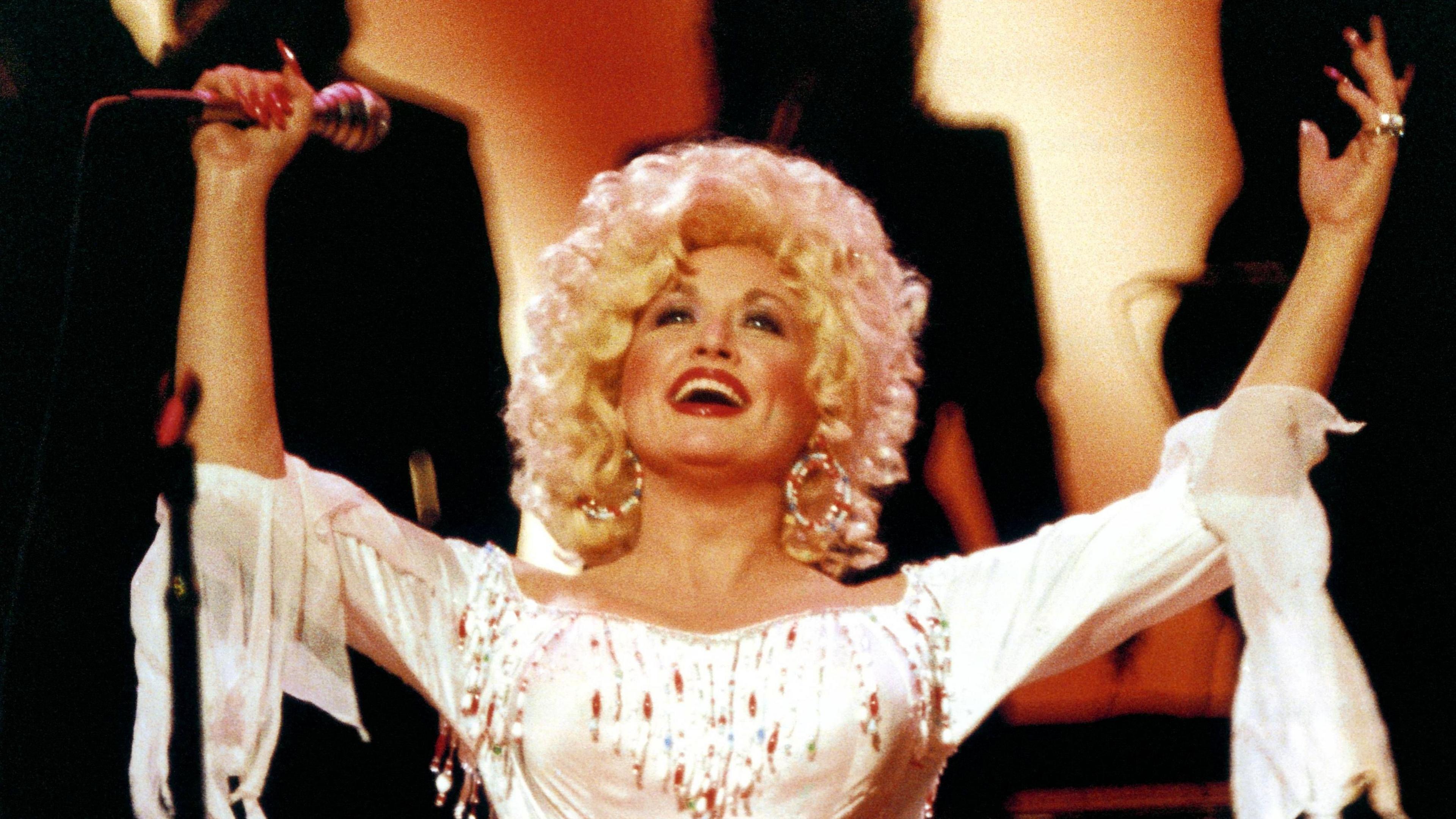
Released in December 1980, 9 to 5 is a landmark American workplace comedy directed by Colin Higgins and starring Jane Fonda, Lily Tomlin, and Dolly Parton. The film follows three working women who turn the tables on their tyrannical, sexist boss, delivering sharp social commentary alongside slapstick humor. It established Dolly Parton as a powerhouse movie star and created an enduring cultural anthem.
The Genesis of 9 to 5: From Grassroots Activism to Hollywood Comedy
The origin of 9 to 5 is rooted in authentic social movements advocating for women's labor rights in the 1970s. Actress and producer Jane Fonda conceived the project after speaking with members of 9to5, National Association of Working Women, an organization founded by Karen Nussbaum in Boston in 1973. The group campaigned against low pay, unequal opportunities, administrative overhead dumped disproportionately on female clerks, and rampant sexual harassment in corporate environments.
Fonda initially envisioned the film as a serious drama about office secretaries fighting systemic discrimination. However, after collaborating with screenwriter Patricia Resnick and director-screenwriter Colin Higgins, the creative team realized that satire and dark comedy would prove far more effective at delivering the message to mainstream audiences. By using humor to undermine corporate patriarchy, the film made radical office reform palatable and deeply entertaining for millions of moviegoers.
Casting the three main leads required balancing distinct star personas:
- Jane Fonda brought serious counterculture prestige and dramatic credibility as Judy Bernly, a timid newly divorced woman forced into the workforce for the first time.
- Lily Tomlin contributed sharp comedic timing and improvisational genius as Violet Newstead, a seasoned senior office supervisor repeatedly passed over for promotion in favor of less qualified men she trained.
- Dolly Parton made her feature film acting debut as Doralee Rhodes, a warm-hearted Southern secretary falsely rumored to be having an affair with the boss.
Parton agreed to join the cast on one key condition: that she write and record the film's theme song. That decision reshaped both her career and pop culture history.
Plot Profile: Workplace Satire with Urgent Social Commentary
Set inside the sterile, hyper-regulated environment of Consolidated Companies, 9 to 5 exposes the daily indignities suffered by female office workers. The central antagonist is Franklin Hart Jr. (played with consummate sleaziness by Dabney Coleman), a middle-manager whom his employees rightfully describe as a "sexist, egotistical, lying, hypocritical bigot."
Consolidated Companies Administrative Dynamic:
- Franklin Hart Jr. (Exploitation / Harassment)
- Secretarial Pool
- Fantasy Revenge Sequences (Judy, Violet, Doralee)
- Accidental Overthrow & Abduction
- Workplace Reforms Enacted
- Equal Pay
- On-Site Daycare
- Flex Time
- Job Sharing
The narrative shifts gear when each of the three protagonists indulges in a vivid fantasy sequence detailing how she would exact revenge on Hart:
- Judy imagines hunting Hart like a wild animal across his corporate office.
- Violet visualizes poisoning Hart in a animated Snow White-style fairytale sequence.
- Doralee envisions hogtying Hart and subjecting him to the same sexually degrading harassment he inflicts on her.
These comedic fantasies inadvertently bleed into reality due to a mix-up involving rat poison and a hospital visit. Fearing arrest, the trio abducts Hart, incarcerating him in his own home using a modified garage-door opener and leather harness. While keeping Hart captive, Judy, Violet, and Doralee take control of the department.
During Hart's absence, the women implement sweeping structural reforms: equal pay for equal work, flexible work scheduling, job sharing, an on-site daycare center, and personalized workspace decor. Productivity skyrockets, employee morale soars, and absenteeism plunges. The film's narrative resolution combines satirical absurdity with real-world political triumph, demonstrating that treating workers humanely improves performance far better than autocratic intimidation.
Film Profile and Production Specifications
To understand the scope and industry position of 9 to 5, the table below outlines its primary technical, commercial, and creative markers upon its 1980 theatrical debut:
| Attribute | Detail / Specification |
|---|---|
| Release Date | December 19, 1980 (United States) |
| Director | Colin Higgins |
| Screenplay | Patricia Resnick and Colin Higgins (Story by Patricia Resnick) |
| Producers | Bruce Gilbert, Jane Fonda (Executive Producer / IPC Films) |
| Primary Cast | Jane Fonda, Lily Tomlin, Dolly Parton, Dabney Coleman, Elizabeth Wilson, Sterling Hayden |
| Cinematography | Reynaldo Villalobos |
| Running Time | 109 Minutes |
| Production Budget | Approximately $10 Million |
| Domestic Box Office | $103.3 Million (Second highest-grossing film of 1980) |
| Major Awards & Honors | Nominated for 1 Academy Award (Best Original Song); Nominated for 4 Golden Globes; Won 2 Grammy Awards |
| Distribution | 20th Century Fox |
Dolly Parton’s Film Debut and the Cultural Impact of the Title Song
While Jane Fonda and Lily Tomlin were established Hollywood names, Dolly Parton was making her debut on the big screen. Her natural charisma, sharp comedic timing, and effortless screen presence surprised critics who had dismissed her casting as a stunt. Parton's portrayal of Doralee Rhodes established her as a multi-dimensional performer capable of anchoring a major motion picture.
"9 to 5" Single Achievement Timeline (1980–1981):
- Written on Set (Acrylic Nails Rhythm)
- Recorded for RCA Nashville
- #1 Billboard Country Singles
- #1 Billboard Hot 100
- Grammy Award Winner & Oscar Nominee
Parton’s most significant artistic contribution to the project was its eponymous title song, "9 to 5." Parton famously tapped out the song’s signature typewriter-like rhythm using her long acrylic fingernails on the movie set between takes. Recorded with producer David Malloy, the track blended country instrumentation with energetic pop-soul brass, creating an instantly recognizable anthem for the working class.
The song achieved rare crossover success:
- It topped the Billboard Hot 100 chart in early 1981.
- It simultaneously reached #1 on the Billboard Country Singles chart and the Adult Contemporary chart.
- It earned Parton two Grammy Awards (Best Country Song and Best Country Vocal Performance, Female) and an Academy Award nomination for Best Original Song.
The track transformed the concept of "9 to 5"—a phrase previously associated with tedious corporate labor—into a triumphant rallying cry of solidarity and self-worth.
Key Themes: Feminism, Labor Rights, and Workplace Power Dynamics
9 to 5 served as a mainstream trojan horse for second-wave feminist policy objectives. Rather than lecturing the audience, the film embedded systemic critiques of corporate America within accessible physical comedy and relatable workplace dynamics.
1. The Fight for Equal Pay and Recognition
Throughout the film, Violet Newstead trains male colleagues who are subsequently promoted above her to executive roles, complete with higher salaries and private offices. The movie directly addresses the gender wage gap and the institutional bias that routinely degraded administrative staff as disposable support staff rather than skilled professionals.
2. Sexual Harassment in the Workplace
Long before corporate human resources departments established formal policies or the #MeToo movement brought nationwide awareness to abuse of power, 9 to 5 exposed corporate sexual harassment. Dabney Coleman’s character epitomizes the boss who treats female assistants as sexual property, using implicit threats of termination to compel compliance. The movie frames his behavior not as harmless office flirtation, but as an intolerable abuse of authority.
3. Progressive Work Environment Policies
The reforms implemented by Judy, Violet, and Doralee were not comedic inventions; they were genuine proposals advocated by 1970s labor reformers:
- Flex-Time Schedules: Allowing workers to adjust start and end times around family responsibilities.
- On-Site Childcare: Removing a primary economic barrier for working mothers.
- Job Sharing: Permitting two part-time employees to share a single full-time position.
- Equal Compensation: Ensuring identical pay scales for equal roles regardless of gender.
The movie demonstrated that humane work environments directly correlate with higher productivity and reduced turnover—a business thesis that remains highly relevant today.
Legacy, Adaptations, and Contemporary Relevance
The success of 9 to 5 extended far beyond its initial 1980 theatrical run. The film transformed into a durable media franchise and a cultural milestone cited by film historians and labor advocates alike.
Television and Stage Adaptations
Following the movie's success, ABC produced a television sitcom adaptation, 9 to 5, which aired intermittently from 1982 to 1988. Rachel Dennison, Dolly Parton’s real-life younger sister, took over the role of Doralee Rhodes, while Rita Moreno played Violet Newstead.
In 2008, the property was adapted into 9 to 5: The Musical, featuring a book by original screenwriter Patricia Resnick and an expanded original score written by Dolly Parton. The musical premiered on Broadway at the Marquis Theatre in 2009 starring Allison Janney, Stephanie J. Block, and Megan Hilty, earning four Tony Award nominations. The stage show continues to enjoy extensive regional, national, and international productions.
"9 to 5" Franchise Evolution:
- 1980 Feature Film
- 1982 TV Series
- 2008 Broadway Musical
- 2022 Documentary
Critical Reappraisal and Documentary Revisit
In 2022, directors Camille Hardman and Gary Lane released Still Working 9 to 5, a feature documentary analyzing the making of the 1980 film and exploring how little conditions have changed for women in the workplace over the past four decades. Featuring interviews with Fonda, Tomlin, Parton, and Coleman alongside activist Karen Nussbaum, the documentary highlights the unresolved battle for the Equal Rights Amendment (ERA) and persistent wage disparities.
The original film remains a frequent subject of academic study in film theory, gender studies, and industrial relations, cited alongside classic corporate satires such as The Apartment (1960) and Office Space (1999).
Frequently Asked Questions
Was 9 to 5 based on a real organization?
Yes. Jane Fonda derived the idea from 9to5, National Association of Working Women, a national grassroots organization founded in Boston in 1973 by Karen Nussbaum and Ellen Cassedy to improve pay, rights, and working conditions for female clerical staff.
Did Dolly Parton write the song "9 to 5" specifically for the film?
Yes. Dolly Parton agreed to star in the movie on the condition that she write the theme song. She wrote the iconic track on set by using her acrylic fingernails as a percussion instrument to simulate the click-clack of a typewriter.
How successful was 9 to 5 at the box office?
The film was a massive commercial hit, grossing over $103.3 million in North America against a budget of roughly $10 million. It finished as the second highest-grossing movie of 1980, behind only Star Wars: Episode V - The Empire Strikes Back.
What awards did the movie 9 to 5 win?
Dolly Parton won two Grammy Awards for the title song (Best Country Song and Best Country Vocal Performance, Female). The song was also nominated for an Academy Award for Best Original Song. Additionally, the film received four Golden Globe nominations, including Best Actress nominations for Dolly Parton and Lily Tomlin.
Who directed and wrote 9 to 5?
The movie was directed by Colin Higgins. The screenplay was co-written by Patricia Resnick and Colin Higgins, based on an original story outline created by Resnick.
How to Stream, Study, and Experience 9 to 5 Today
For film enthusiasts, students of feminist cinema, and fans of Dolly Parton, engaging with 9 to 5 requires looking at both the artwork and its historical context:
- Watch the Re-mastered Film: View 9 to 5 on high-definition physical media (Blu-ray/4K) or authorized digital streaming platforms to appreciate Reynaldo Villalobos's vibrant 1980s cinematography and Colin Higgins's precise comedic pacing.
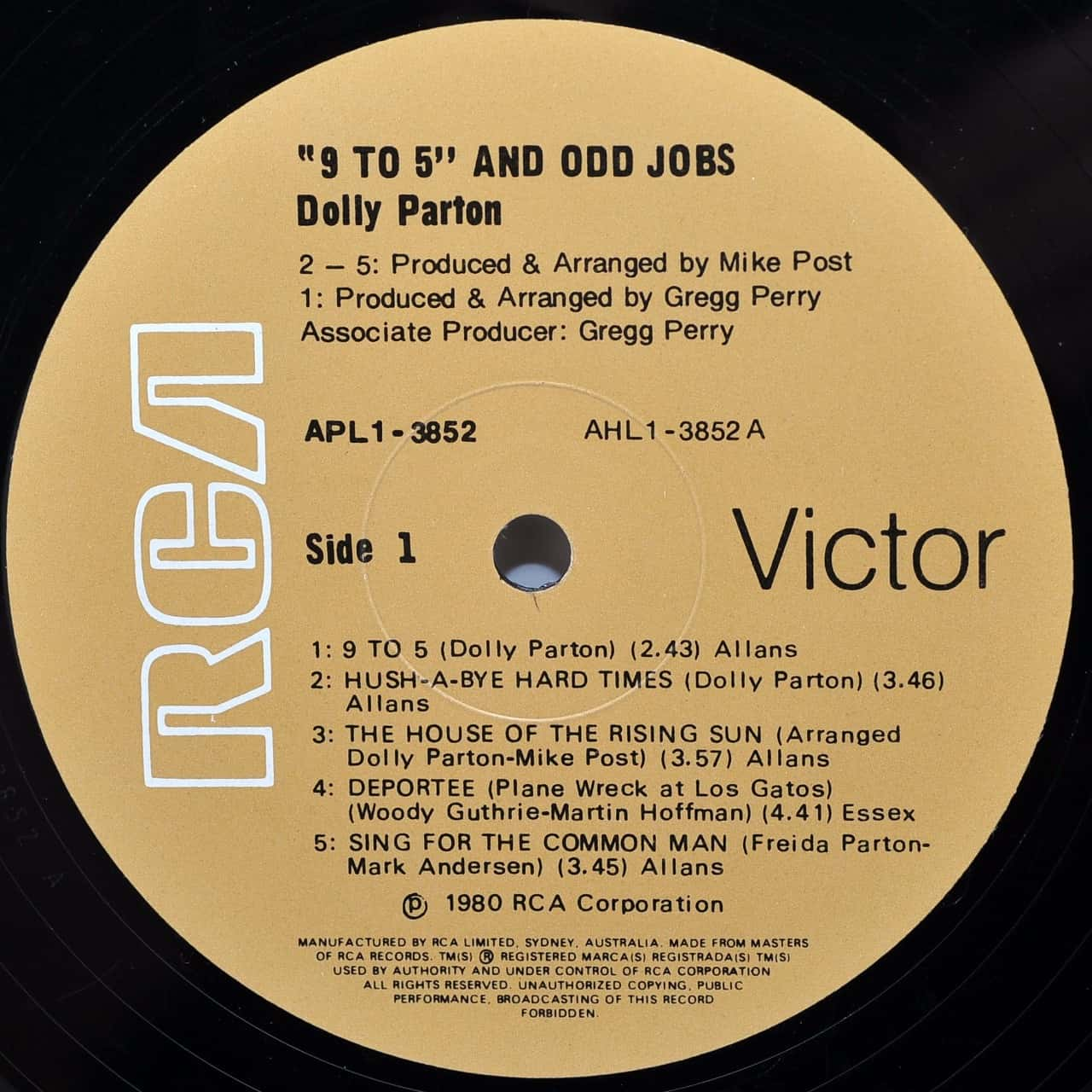
- Listen to the Expanded Soundtrack: Explore the original film score alongside Dolly Parton's album 9 to 5 and Odd Jobs (1980), which contextualizes the famous title track within a broader collection of working-class narrative songs.
- Pair with Documentary Viewing: Watch Still Working 9 to 5 (2022) to trace the historical lineage from 1970s clerical unions through the movie's production to modern discussions around workplace equality and corporate policy.
- Examine Archival Material: Research historical records from the Library of Congress regarding early labor activism by the 9to5 organization to understand how authentic grassroots struggles informed mainstream Hollywood storytelling.