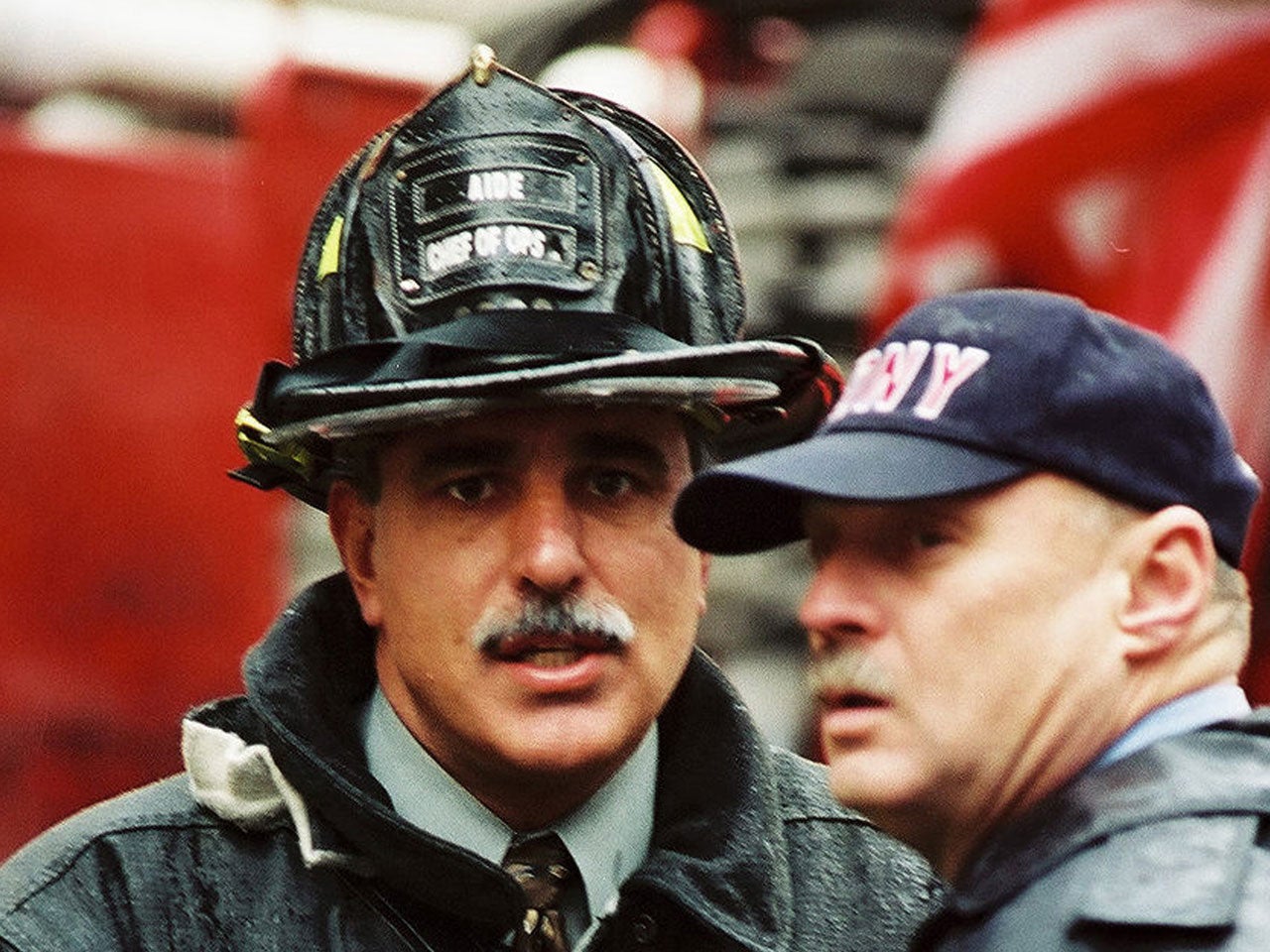
The 9/11 responder fund primarily refers to two distinct federal programs established to assist emergency workers, recovery crews, and survivors affected by the September 11, 2001 attacks: the September 11th Victim Compensation Fund (VCF) and the World Trade Center (WTC) Health Program. These programs provide free medical monitoring, condition treatment, and financial compensation for eligible physical injuries, illnesses, or wrongful deaths resulting from toxic exposure.
Understanding the Federal 9/11 Relief Framework
When people mention the 9/11 responder fund, they are generally referring to the system of relief created by Congress to support first responders and civilian survivors. The federal response is anchored by two complementary programs authorized under the landmark James Zadroga 9/11 Health and Compensation Act and later permanently funded by the Never Forget the Heroes Act.
Although both programs work together, they serve fundamentally different functions:
- The World Trade Center (WTC) Health Program: Administered by the National Institute for Occupational Safety and Health (NIOSH) under the Centers for Disease Control and Prevention (CDC), this program provides medical monitoring, diagnostic testing, and treatment for certified physical and mental health conditions linked to 9/11 exposure. Treatment provided through the WTC Health Program’s network of Clinical Centers of Excellence involves zero out-of-pocket costs for participants.
- The September 11th Victim Compensation Fund (VCF): Administered by the Civil Division of the U.S. Department of Justice (DOJ), the VCF provides financial compensation to individuals (or personal representatives of deceased individuals) who suffered physical harm or death caused by exposure to toxic debris, dust, and fumes in the aftermath of the attacks.
Understanding this dual structure is essential. In almost all cases, obtaining a certified physical health condition through the WTC Health Program is the primary prerequisite for receiving financial compensation from the VCF.
- 9/11 TOXIC EXPOSURE EVENT
- WTC HEALTH PROGRAM (CDC)
- Provides: Medical Monitoring, Diagnoses, & Certified Treatment
- Provides Certified Physical Medical Condition to Victim Compensation Fund (VCF)
- VICTIM COMPENSATION FUND (VCF)
- Provides: Financial Awards, Loss of Earnings, Pain/Suffering
- WTC HEALTH PROGRAM (CDC)
Eligibility Requirements for 9/11 Responders and Survivors
To qualify for relief under either federal program, claimants must establish two major elements: geographic exposure within designated crash and cleanup sites, and a medically certified physical condition caused by that exposure.
Geographic Exposure Zones and Timeframes
Claimants must demonstrate presence at an official site between September 11, 2001, and July 31, 2002.
- New York City Exposure Zone: Defined as the area in Manhattan south of Canal Street, from the Hudson River to the East River. It also includes the barge loading piers along the Manhattan waterfront, the Fresh Kills Landfill on Staten Island, and routes used to transport debris.
- Pentagon Site: The crash site and immediate surrounding operational perimeters in Arlington, Virginia.
- Shanksville Site: The crash area and surrounding operational zones in Shanksville, Pennsylvania.
Eligible roles include firefighters, police officers, emergency medical service (EMS) personnel, sanitation staff, construction workers, transit employees, volunteers, and national guard members. Additionally, downtown residents, office workers, students, and daycare attendees within the NYC exposure zone may qualify as "survivors."
Qualifying Health Conditions
The WTC Health Program and VCF maintain a comprehensive list of covered health conditions supported by peer-reviewed epidemiological research. Covered physical conditions fall into four primary categories:
- Cancers: More than 50 types of cancer are covered, including prostate, breast, lung, skin (melanoma and non-melanoma), colon, thyroid, kidney, bladder, leukemia, multiple myeloma, and non-Hodgkin lymphoma.
- Chronic Respiratory Diseases: Aerodigestive disorders such as chronic bronchitis, asthma, reactive airways dysfunction syndrome (RADS), chronic obstructive pulmonary disease (COPD), pulmonary fibrosis, and interstitial lung disease.
- Gastrointestinal Disorders: Chronic gastroesophageal reflux disease (GERD), Barrett’s esophagus, and related upper digestive tract disorders.
- Musculoskeletal Disorders: Covered primarily for emergency responders who suffered acute traumatic injuries (such as fractures, sprains, or back injuries) during rescue efforts, typically restricted to responders who sought medical treatment shortly after the event.
Note on Mental Health: The WTC Health Program provides treatment for mental health conditions such as Post-Traumatic Stress Disorder (PTSD), depression, and anxiety related to 9/11. However, the VCF is statutorily limited to paying financial awards for certified physical health conditions. A mental health condition alone does not qualify an individual for cash compensation from the VCF.
Comparison: WTC Health Program vs. Victim Compensation Fund
The table below outlines how the two main components of the 9/11 responder fund framework differ across scope, administration, and benefits.
| Feature / Detail | WTC Health Program | Victim Compensation Fund (VCF) |
|---|---|---|
| Primary Purpose | Medical monitoring, diagnosis, and treatment | Financial compensation for losses |
| Administering Agency | CDC / NIOSH (Department of Health & Human Services) | Civil Division (Department of Justice) |
| Covered Services / Benefits | Doctor visits, prescription drugs, cancer therapy, mental health care | Non-economic loss (pain & suffering), economic loss (lost wages, future earnings) |
| Out-of-Pocket Costs | $0 for certified 9/11-related conditions | No application fees; legal representation is optional |
| Eligibility Prerequisite | Proof of presence in exposure zone during qualifying period | Certified physical condition from WTC Health Program (or formal private physician exception) |
| Covered Conditions | Physical illnesses and mental health conditions (PTSD, depression) | Certified physical health conditions only |
| Program Lifetime | Authorized through 2090 | Authorized and funded through October 1, 2090 |
Step-by-Step Claim Process for the Victim Compensation Fund
Filing for compensation requires a structured, multi-step process to ensure claims are verified and properly evaluated.
Step 1: Register with the VCF
Registration is the initial notification to the VCF that you may file a claim in the future. It preserves your right to submit a claim, regardless of whether you currently display symptoms of a 9/11-related illness.
Registration does not commit you to filing a claim, nor does it mean you have formally applied for money. While the VCF has a permanent deadline of October 1, 2090, specific statutory registration deadlines apply depending on when a condition was certified or when a loved one passed away. Registering early is strongly advised.
Step 2: Enroll in the WTC Health Program
Before the VCF can evaluate a compensation claim, the claimant must obtain a certified physical illness. Applicants must apply to the WTC Health Program, submit proof of presence, and attend an initial health evaluation at a Clinical Center of Excellence. Once a program physician diagnoses a covered condition, the clinical team submits the paperwork to NIOSH for formal certification.
Step 3: Gather Proof of Presence Documentation
Demonstrating physical presence in the exposure zone between September 11, 2001, and July 31, 2002, is the foundation of any claim. Acceptable documentation includes:
- Employer records, work logs, overtime rosters, or deployment orders.
- Sworn affidavits from supervisors, colleagues, or witnesses who can attest to your presence.
- Pay stubs, tax records, or union records showing employment within the exposure zone.
- School transcripts, residential leases, utility bills, or mortgage statements (for local residents and students).
Step 4: Complete and Submit the VCF Compensation Claim
Once the WTC Health Program certifies a physical condition, the claimant can complete the detailed online VCF claim form. This form requires submitting:
- Medical verification linking the certified condition to the claim.
- Proof of presence documents.
- Financial documentation (W-2s, tax returns, disability benefit statements) if claiming economic losses or lost future earnings.
How VCF Compensation Awards Are Calculated
The VCF calculates compensation based on statutory formulas established by federal law. Awards fall into two main categories: Non-Economic Loss and Economic Loss.
Non-Economic Loss (Pain and Suffering)
Non-economic loss compensates victims for the physical and emotional distress caused by their certified illnesses. Federal law imposes statutory caps on non-economic loss awards:
- Non-Cancer Conditions: Typically capped at $90,000, depending on severity, impact on daily life, and whether multiple conditions exist.
- Cancer Conditions: Capped at $250,000 for a single cancer diagnosis. Higher amounts may be awarded if a claimant suffers from multiple distinct cancers or exceptionally severe complications.
The VCF Special Master evaluates individual medical histories to determine where an award falls within these legal limits.
Economic Loss (Lost Wages and Out-of-Pocket Medical Costs)
Economic loss awards compensate claimants for direct financial damage resulting from their certified 9/11 physical conditions. These calculations consider:
- Past and Future Earnings Loss: If a certified physical illness caused a responder or survivor to miss work, reduce hours, or become permanently disabled, the VCF calculates lost wages and loss of future earning capacity.
- Replacement Services Loss: Compensation for household services the injured individual can no longer perform (e.g., home maintenance, cleaning, childcare).
- Out-of-Pocket Medical Expenses: Unreimbursed medical expenses directly related to the certified physical condition (minimum threshold rules apply; expenses under $3,000 are generally not evaluated unless total medical costs exceed that threshold).
Collateral Source Offsets
By law, the VCF must offset (deduct) certain collateral source payments from the total calculated award. Offsets include:
- Disability benefits received from Social Security Disability Insurance (SSDI) attributable to the certified condition.
- Pension disability payments from city, state, or federal entities (such as NYPD or FDNY disability pensions) tied to the 9/11 condition.
- Worker’s compensation payments related to the qualifying illness.
- Life insurance payouts (in death claims).
Collateral offsets do not reduce non-economic awards below zero, but they can significantly impact net economic loss payments.
Filing Claims for Deceased Responders and Survivors
If a responder or survivor died as a result of a 9/11-related certified physical illness—or died from other causes while suffering from an eligible condition—their family or estate may file a VCF claim.
Role of the Personal Representative
A deceased claim must be submitted by an officially court-appointed Personal Representative (or Executor/Administrator) of the decedent’s estate. Family members cannot file on behalf of a deceased relative without formal legal authority granted by a probate or surrogate's court.
Compensation Types for Wrongful Death
When a 9/11-certified condition causes or contributes to a person’s death, the estate may seek:
- Deceased Non-Economic Loss: A standard base award of $250,000 for the decedent, plus an additional $100,000 on behalf of the surviving spouse and each dependent child.
- Economic Loss: Replacement of financial support the decedent would have provided to household dependents, calculated through projected career longevity and retirement estimates.
- Burial and Funeral Expenses: Reimbursement for reasonable funeral and burial costs.
Recommended Next Steps for Potential Claimants
Navigating the 9/11 responder fund requires organized documentation and prompt action. Claimants can take the following practical steps to protect their rights:
- Register Immediately: Create an account on the VCF Online Portal and register, even if you are currently healthy. Registration preserves your right to file in the future.
- Schedule an Evaluation: Contact the WTC Health Program to schedule an intake appointment at a Clinical Center of Excellence.
- Gather Exposure Evidence: Request historical employment records, tax documents, or witness statements verifying your presence south of Canal Street between Sept 11, 2001, and July 31, 2002.
- Organize Medical Records: Keep comprehensive records of all doctor visits, diagnostic tests, treatments, and prescription logs related to potential 9/11 physical conditions.
- Consider Professional Legal Guidance: While applicants are permitted to file VCF claims independently, many choose to consult attorneys specializing in 9/11 litigation. Federal law limits legal fees for VCF representation to a maximum of 10% of the total award.
Frequently Asked Questions
Can survivors (residents, students, non-responders) apply for the 9/11 fund?
Yes. The WTC Health Program and the VCF cover both first responders and civilian survivors. Residents, office workers, students, daycare attendees, and passersby who were physically present in the NYC exposure zone south of Canal Street during the exposure period are eligible for the exact same medical treatment and financial compensation benefits as emergency personnel, provided they meet exposure and medical certification criteria.
What is the deadline to file a claim with the VCF?
Under the Never Forget the Heroes Act, the Victim Compensation Fund is authorized and open for claims through October 1, 2090. However, individual registration deadlines apply depending on when your condition was certified by the WTC Health Program or when a personal representative was court-appointed for a deceased individual. Registering early protects your eligibility.
Do I need a lawyer to file a 9/11 VCF claim?
No, hiring a lawyer is not required. Claimants can register, gather documents, and file claims independently using the official VCF website. However, due to the legal complexity of proving exposure, calculating economic loss, establishing estate representatives, and navigating collateral offsets, many claimants choose to hire an attorney. By federal law, legal fees for representing VCF claimants are capped at 10% of the compensation award.
How does the WTC Health Program differ from the VCF?
The WTC Health Program provides direct medical care, diagnostic testing, health monitoring, and prescription medication with no out-of-pocket costs to patients. It does not issue financial compensation payments. The Victim Compensation Fund (VCF), in contrast, provides monetary awards to compensate for physical injury, pain and suffering, lost income, and wrongful death.
Are mental health conditions compensated by the VCF?
No. While the WTC Health Program provides comprehensive medical treatment and therapy for mental health conditions such as PTSD, anxiety, and depression resulting from 9/11, the VCF is restricted by federal law to providing financial monetary compensation solely for physical illnesses, physical injuries, and physical-condition deaths.
Disclaimer: This article provides general educational information regarding federal assistance programs and does not constitute legal or medical advice. Individuals seeking medical treatment or financial benefits should consult the official websites of the World Trade Center Health Program and the September 11th Victim Compensation Fund, or consult a qualified professional.