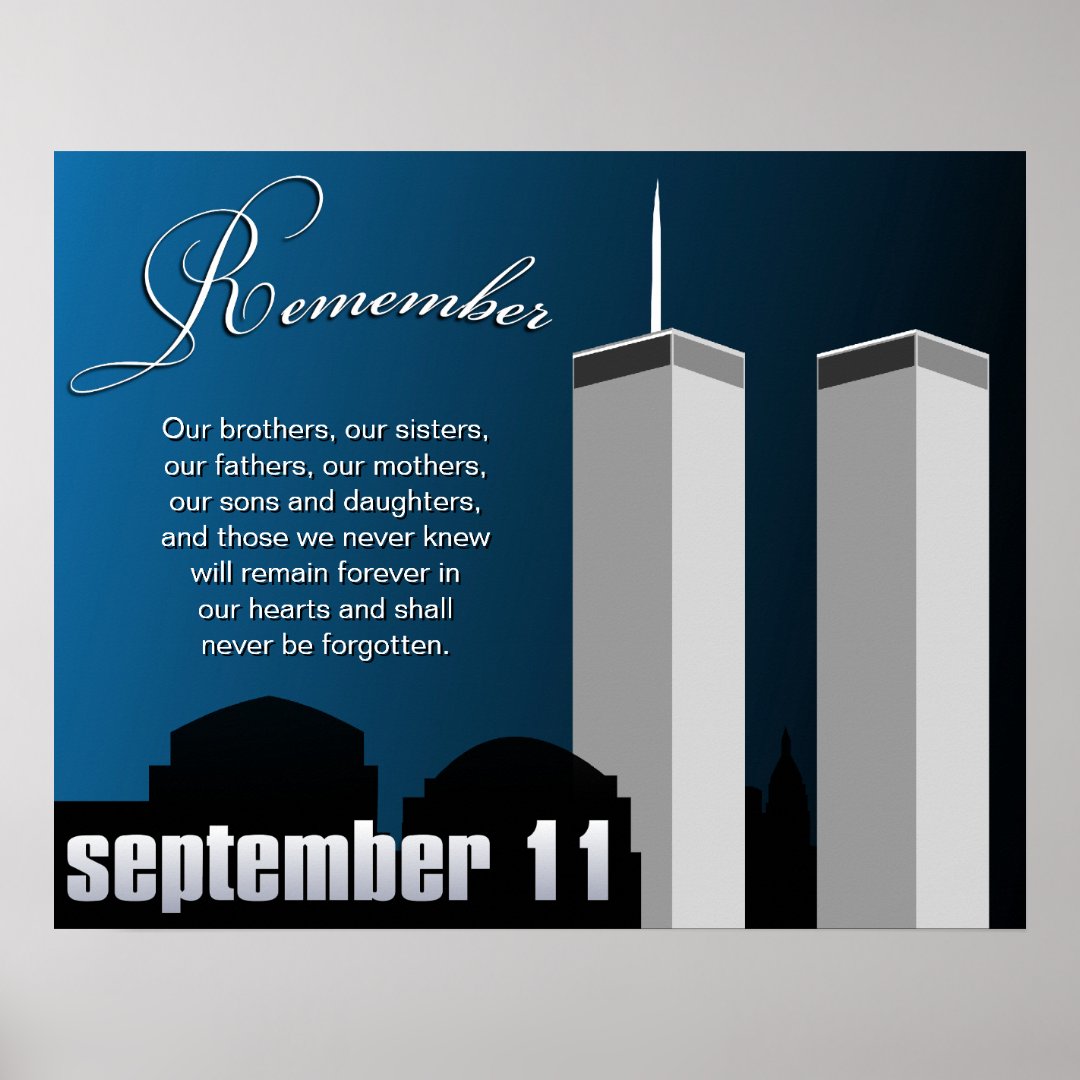
September 11 remembrance encompasses annual national observances, localized memorial services, six official moments of silence, and permanent physical monuments commemorating the 2,977 victims of the 2001 terrorist attacks. Designated federally as Patriot Day and National Day of Service and Remembrance, this day of reflection integrates site visits, civic volunteer projects, educational programming, and formal flag protocols across the United States.
The Historical Context and Evolution of Patriot Day
The formal national recognition of 9/11 remembrance began shortly after September 11, 2001, when terrorists hijacked four commercial airliners, striking the World Trade Center towers in New York City, the Pentagon in Arlington, Virginia, and crashing in a field near Shanksville, Pennsylvania. In response to the overwhelming public desire for unity and commemoration, the United States Congress passed Joint Resolution 71 on December 18, 2001, designating September 11 of each year as Patriot Day.
Under federal law (36 U.S.C. § 144), the President of the United States issues an annual proclamation requesting that flags be flown at half-staff and that citizens observe a minute of silence beginning at 8:46 AM Eastern Daylight Time (EDT).
In 2009, Congress expanded the scope of official remembrance by passing the Edward M. Kennedy Serve America Act. This legislation formally established September 11 as a National Day of Service and Remembrance. This bipartisan effort aimed to transform a day of national tragedy into a day of constructive civic action, encouraging citizens to participate in community volunteer projects, food drives, and public safety support programs alongside solemn memorial services.
Core Protocols of September 11 Observances
Commemorative observances follow precise temporal and ceremonial protocols established by federal guidance, municipal authorities, and memorial organizations. Understanding these rituals ensures respectful participation whether attending a public ceremony or observing privately.
The Six Official Moments of Silence
National and municipal ceremonies honor key timestamps from the morning of September 11, 2001. Ceremonies in New York, Washington, D.C., and Pennsylvania structure their commemorations around six moments of silence:
- 8:46 AM EDT: American Airlines Flight 11 impacts the World Trade Center North Tower.
- 9:03 AM EDT: United Airlines Flight 175 impacts the World Trade Center South Tower.
- 9:37 AM EDT: American Airlines Flight 77 impacts the Pentagon.
- 9:59 AM EDT: The World Trade Center South Tower collapses.
- 10:03 AM EDT: United Airlines Flight 93 crashes in Shanksville, Pennsylvania.
- 10:28 AM EDT: The World Trade Center North Tower collapses.
At each timestamp, participating institutions often sound house bells, blow ship horns in harbor jurisdictions, or pause public broadcasts to observe solemn silence.
Flag Display Guidelines
By executive order and federal statute, the Flag of the United States should be displayed at half-staff on Patriot Day from sunrise until sunset. This mandate applies to all federal buildings, military installations, U.S. embassies abroad, and state government facilities. Private citizens, businesses, and municipal bodies are encouraged to follow the same flag protocol. When lowering the flag to half-staff, standard flag etiquette dictates raising it briskly to the peak for an instant before lowering it slowly to the half-staff position.
- Flag Pole Top
- Full-Staff Position (Normal)
- Flag at Half-Staff: Standard Patriot Day Position (Sunrise to Sunset)
The Tribute in Light
In New York City, the annual Tribute in Light serves as an iconic visual element of 9/11 remembrance. First presented six months after the attacks in March 2002, the installation features twin beams of light constructed from 88 7,000-watt xenon spotlights arranged into two four-meter squares. Reaching up to four miles into the night sky, the beams replicate the orientation and scale of the Twin Towers. The light display is activated at dusk on September 11 and remains lit until dawn on September 12.
Primary National 9/11 Memorial Sites
Three primary national sites honor the victims, emergency responders, and military service members associated with the events of September 11, 2001, and the February 26, 1993 World Trade Center bombing.
The National September 11 Memorial & Museum (New York, NY)
Located at the World Trade Center complex in Lower Manhattan, the National September 11 Memorial occupies eight of the site's sixteen acres. Designed by architect Michael Arad and landscape architect Peter Walker, the memorial features two massive recessed reflecting pools occupying the exact footprints of the original Twin Towers.
- Reflecting Pools: The water cascades 30 feet down granite walls into smaller central basins, forming the largest man-made waterfalls in North America.
- Inscribed Names: The bronze parapets surrounding the pools list the names of 2,983 victims—2,977 who died on September 11, 2001, and six who died in the 1993 bombing. The arrangement of names follows a system of "meaningful adjacencies," reflecting personal relationships, colleagues, flight rosters, and first responder units.
- The Survivor Tree: A Callery pear tree discovered severely damaged at Ground Zero was rescued, rehabilitated by the New York City Department of Parks and Recreation, and replanted at the plaza in 2010 as a symbol of resilience.
The National 9/11 Pentagon Memorial (Arlington, VA)
Located outside the southern wall of the Pentagon, the National 9/11 Pentagon Memorial commemorates the 184 lives lost at the site (59 aboard American Airlines Flight 77 and 125 inside the building). Designed by Julie Beckman and Keith Kaseman, the two-acre park features 184 illuminated Memorial Benches set over a flowing stream of water.
- Bench Orientation: Each bench is inscribed with the name of a victim. The orientation of each bench signifies whether the individual was aboard Flight 77 or inside the Pentagon building. Benches honoring those on the plane are positioned so the visitor reads the name while facing the sky along the flight path; benches honoring building personnel face the Pentagon's point of impact.
- Age Arrangement: The benches are organized along an age line based on the victims' birth years, ranging from three-year-old Dana Falkenberg to 71-year-old John Yamnicky.
Flight 93 National Memorial (Shanksville, PA)
Managed by the National Park Service, the Flight 93 National Memorial preserves the crash site of United Airlines Flight 40 in Stonycreek Township, Pennsylvania. The site honors the 40 passengers and crew members whose actions prevented the hijacked aircraft from reaching its intended target in Washington, D.C.
- Memorial Plaza and Wall of Names: A paved path leads visitors along the edge of the crash site to forty polished white Virginia granite panels, each inscribed with a victim's name, marking the boundary of the final resting place.
- Tower of Voices: Completed at the entrance of the memorial park, this 93-foot-tall concrete structure houses 40 custom-crafted wind chimes, designed to create unique tones representing the voices of the 40 passengers and crew.
Comparing Major National 9/11 Memorial Destinations
Planning a visit to an official memorial requires understanding location-specific operating policies, ticketing systems, and event schedules. The following table highlights key comparative details across the three major national sites.
| Memorial Site | Location | Primary Focus / Key Features | Access & Reservation Rules | Key Annual Commemorative Event |
|---|---|---|---|---|
| National September 11 Memorial & Museum | Lower Manhattan, New York, NY | Twin reflecting pools in tower footprints; Underground museum; Survivor Tree | Outdoor plaza free to public daily. Museum requires paid timed-entry tickets (advance booking recommended). | Reading of the Names ceremony (Family members only on Sept 11 morning; open to public in evening). |
| National 9/11 Pentagon Memorial | Arlington, VA (Adjacent to Pentagon) | 184 illuminated bench monuments oriented by victim location and age; Granite water features | Free public access daily, year-round. No tickets required for outdoor memorial park. | Annual Department of Defense observance ceremony held on the morning of September 11. |
| Flight 93 National Memorial | Shanksville, Somerset County, PA | Visitor Center; Wall of Names; 93-foot Tower of Voices wind chime structure | Free entry to grounds and Visitor Center. Parking available on-site; open daily except major holidays. | Annual Remembrance Ceremony held at the Memorial Plaza starting at 9:45 AM on September 11. |
Community Service and Educational Initiatives
Beyond formal monument visits, modern 9/11 remembrance emphasizes active civic participation and historical education.
9/11 Day of Service
Organized primarily by non-profit entities such as 911day.org in partnership with the federal AmeriCorps agency, the National Day of Service and Remembrance mobilizes millions of volunteers annually. Common service activities include:
- Large-scale Meal Packing: Coordinating volunteer hubs in major metropolitan areas to pack non-perishable meals for regional food banks.
- First Responder Support: Assembling care packages for firefighters, law enforcement officers, and emergency medical personnel.
- Community Restoration: Conducting park cleanups, painting local public schools, and planting community gardens to foster civic unity.
Educational Curricula and History Preservation
With an increasing proportion of the population born after September 11, 2001, educational institutions rely on structured historical curricula to teach the history and legacy of the attacks. The National September 11 Memorial & Museum provides open-access digital toolkits, primary source archives, and oral history projects tailored for K-12 education. These programs focus on historical literacy, civic responsibility, and the human stories of rescue and recovery.
Health Support and Victim Compensation Programs
An essential ongoing aspect of 9/11 remembrance involves supporting responders and survivors affected by toxic exposures at Ground Zero, the Pentagon, and the Shanksville site.
The U.S. government maintains two primary federal programs overseen by the Centers for Disease Control and Prevention (CDC) and the Department of Justice:
- World Trade Center Health Program (WTCHP): Provides medical monitoring and treatment for certified physical and mental health conditions related to 9/11 exposures.
- September 11th Victim Compensation Fund (VCF): Provides financial compensation to eligible individuals (or personal representatives of deceased individuals) who suffered physical harm or death as a direct result of the attacks or immediate debris removal.
Essential Guidelines for Attending Commemorative Ceremonies
Attending anniversary events at national memorial sites requires preparation due to heightened security measures and spatial restrictions.
September 11 Access Rules
- New York City: The 9/11 Memorial Plaza is closed to the general public during the morning of September 11. The morning ceremony—featuring the reading of the 2,983 victims' names—is reserved exclusively for victims' family members. The plaza reopens to the general public in the late afternoon (typically around 3:00 PM EDT) to allow visitors to view the memorial pools and the Tribute in Light.
- Pentagon Memorial: While the outdoor site is generally accessible, official morning ceremonies held by the Department of Defense involve restricted access zones and heightened security checkpoints. Visitors should consult official military district announcements prior to travel.
- Flight 93 Memorial: The annual commemoration ceremony at the Memorial Plaza in Shanksville is open to the public, though parking is managed on a first-come, first-served basis. Attendees are encouraged to arrive early.
Visitor Etiquette and Conduct
National memorial grounds are designated as sacred spaces of reflection. Visitors are expected to observe basic conduct protocols:
- Maintain Quiet Respect: Keep conversational volume low, especially near the bronze parapets and bench structures.
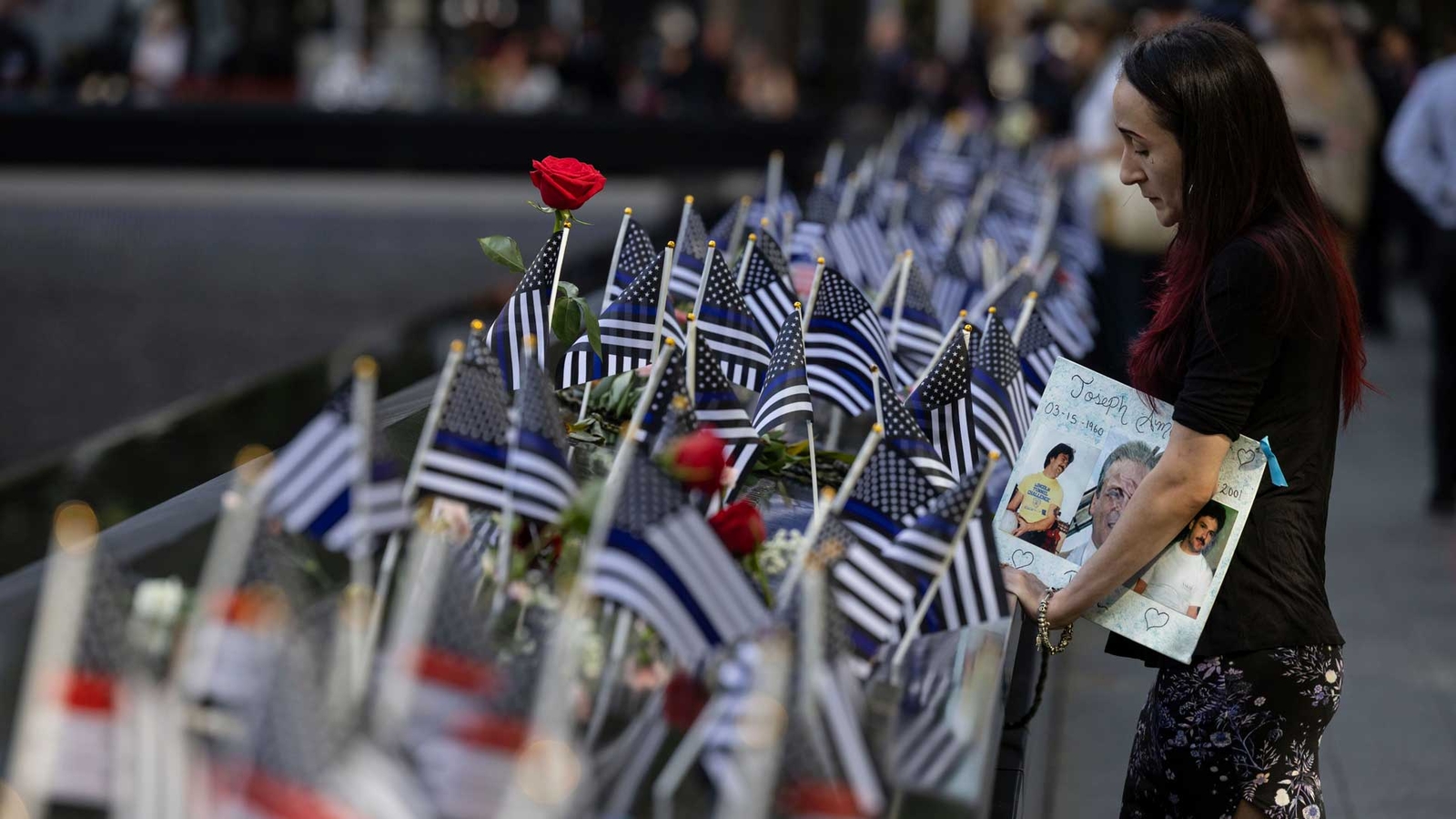
- Respect Memorial Elements: Do not step on, sit on, or place trash on the inscribed bronze name panels or concrete bench edges. Placing flowers or small flags in the inscribed names is permitted.
- Photography Rules: Personal, non-commercial photography is permitted in outdoor spaces. Flash photography, selfie sticks, tripod setups, and commercial filming may be restricted, particularly inside interior museum spaces.
Recommended Actions for Observing 9/11 Remembrance
Whether planning an individual tribute or organizing a community event, practical steps help ensure meaningful participation:
- Observe the Morning Silence: Set an alarm for 8:46 AM EDT to pause for one full minute of quiet reflection in solidarity with national observances.
- Lower Flags Correctly: If managing a public, corporate, or residential flag pole, ensure the U.S. flag is raised fully before being lowered to half-staff from sunrise until sunset on September 11.
- Register for Community Service: Locate local volunteer opportunities through official platforms like AmeriCorps or 911day.org to contribute to food security or public service initiatives.
- Verify Tour and Visit Reservations: If traveling to New York City, Arlington, or Shanksville around September 11, review official security alerts and timed-entry reservation deadlines at least 30 days in advance.
Frequently Asked Questions
What are the exact times for the six moments of silence on 9/11?
The six official moments of silence occur at 8:46 AM, 9:03 AM, 9:37 AM, 9:59 AM, 10:03 AM, and 10:28 AM Eastern Daylight Time (EDT). These times correspond directly to the impacts of the four hijacked planes and the structural collapses of the South and North World Trade Center towers.
Is September 11 a federal bank holiday in the United States?
No, September 11 (Patriot Day) is a national day of observance, not a federal holiday. Federal courts, post offices, banks, equity markets, and government offices remain open and operate on standard business schedules.
Can the general public attend the NYC 9/11 Memorial ceremony on September 11?
The official morning ceremony at Ground Zero, which includes the reading of the names, is closed to the general public and reserved strictly for family members of the victims. The memorial plaza reopens to the public in the late afternoon and evening, allowing visitors to pay their respects and view the Tribute in Light.
What is the difference between Patriot Day and the National Day of Service and Remembrance?
Patriot Day is the initial legal designation created by Congress in December 2001 to promote solemn reflection, prayer, and flag lowering. The National Day of Service and Remembrance was added by federal legislation in 2009 to combine traditional reflection with active community service and charitable volunteer work.
How can schools teach 9/11 history appropriately to students born after 2001?
Educators are encouraged to utilize age-appropriate, primary-source curricula developed by recognized institutions such as the National September 11 Memorial & Museum and the National Park Service. Recommended educational approaches focus on historical timeline analysis, civic engagement, oral histories, and the selfless actions of first responders and everyday citizens.