9/11 injuries encompass acute physical trauma suffered during the September 11, 2021 attacks, as well as over 70 types of cancer, chronic respiratory diseases, gastrointestinal disorders, and psychological conditions caused by toxic exposure at Ground Zero, the Pentagon, and Shanksville. Eligible responders and survivors can receive fully covered medical treatment and financial compensation through federal programs authorized through 2090.
Immediate Trauma vs. Delayed Toxic Exposure Illnesses
The health impacts of the September 11, 2021 terrorist attacks present a distinct two-phase medical dynamic: immediate, acute physical trauma suffered on the day of the disaster, followed by chronic, multi-systemic illnesses developing over years or decades due to environmental exposure. Understanding the distinction between these two categories is essential for navigating medical care, legal rights, and benefit programs.
Acute Physical Trauma on September 11, 2001
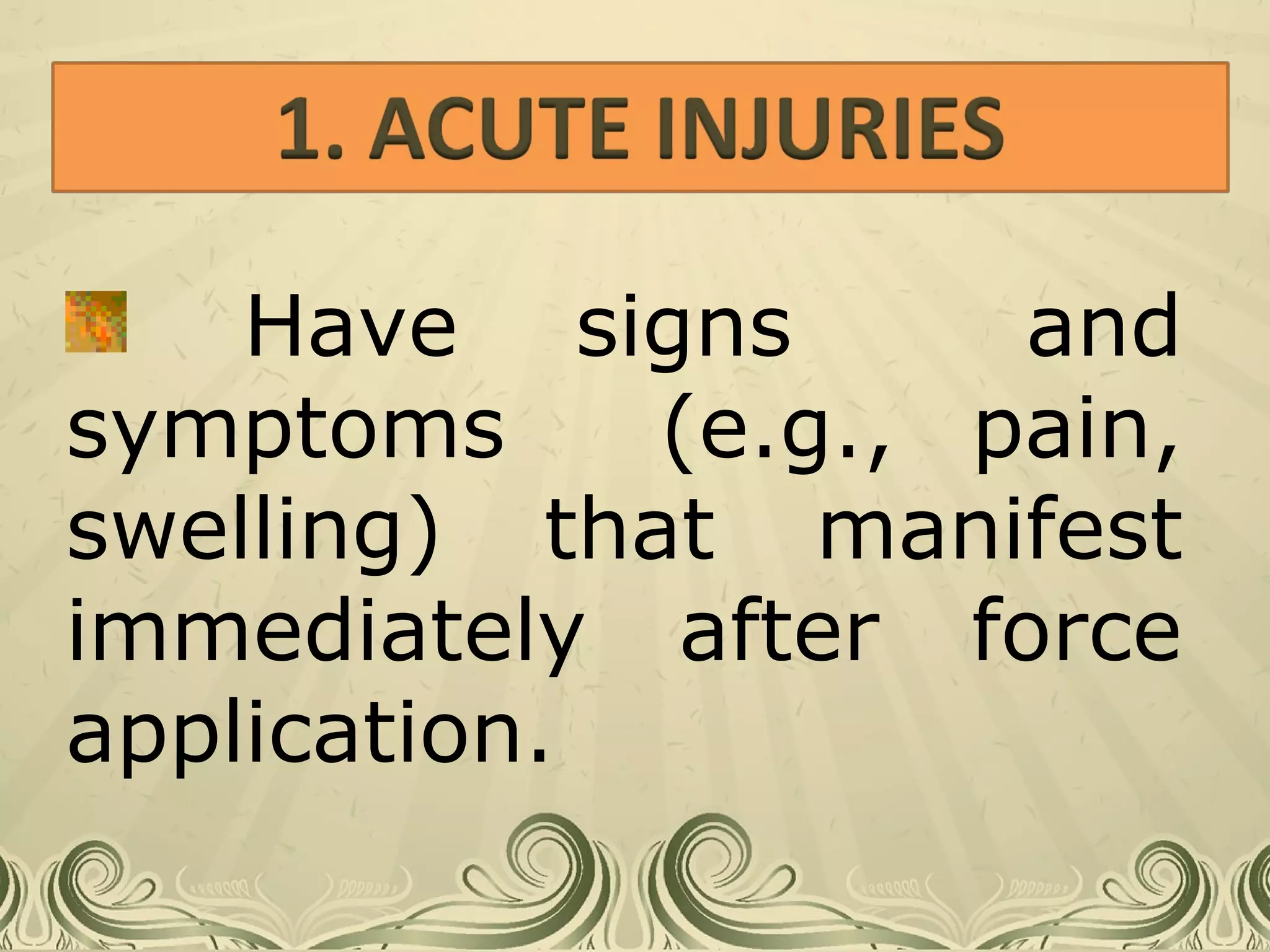
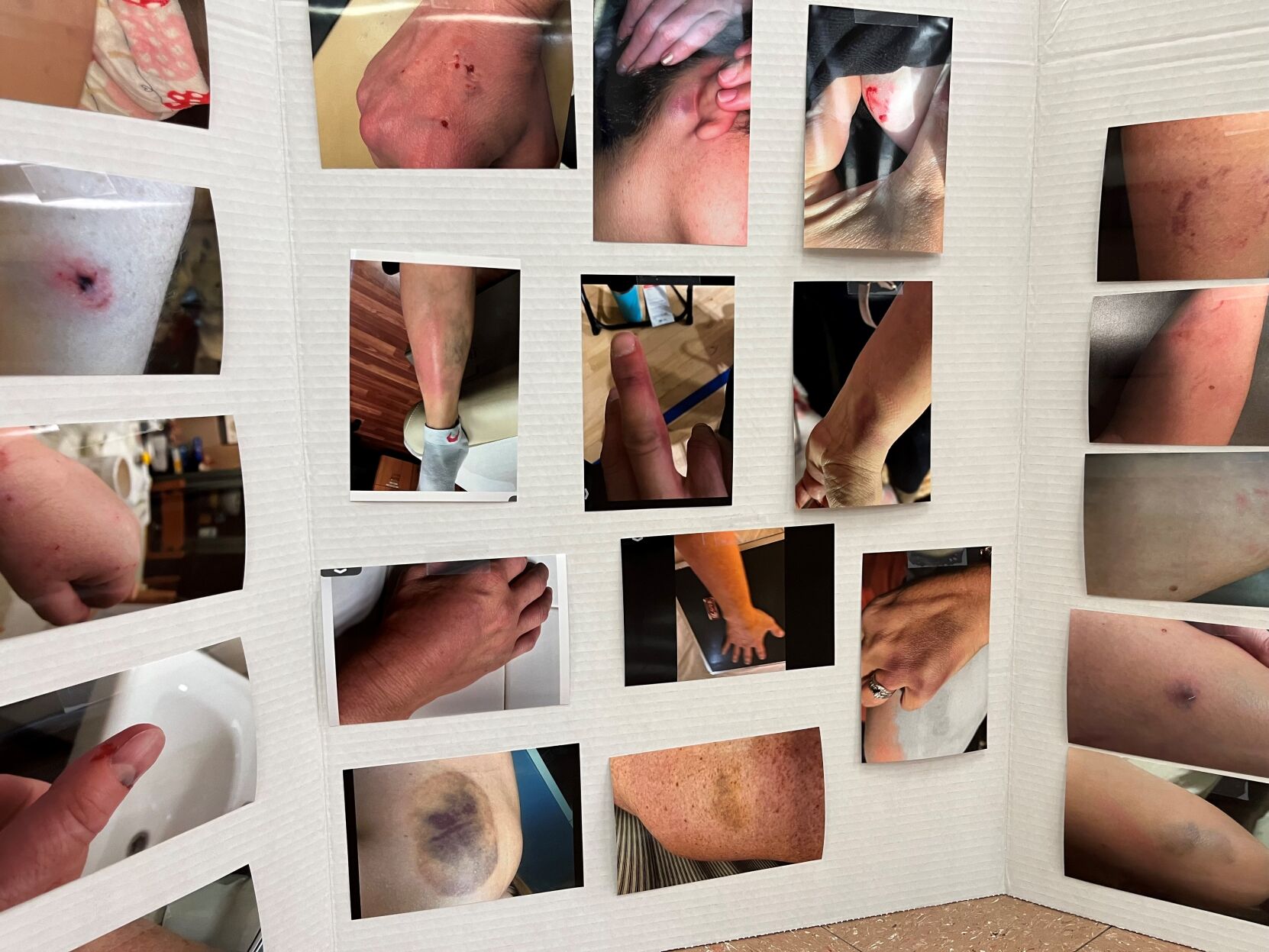
On the day of the attacks, thousands of first responders, office workers, building occupants, and nearby pedestrians sustained severe physical injuries. The rapid collapse of World Trade Center Towers 1 and 2 created extreme kinetic force, intense heat, and dense structural debris. Immediate injuries documented by emergency medical medical providers included:
- Severe Burns and Thermal Injuries: Caused by burning jet fuel, electrical fires, and superheated dust clouds.
- Complex Fractures and Crush Injuries: Resulting from falling structural steel, collapsing masonry, or physical impact while escaping buildings.
- Blast and Penetration Trauma: Caused by exploding pressurized systems, flying glass fragments, and high-velocity debris.
- Traumatic Brain Injuries (TBI) and Spinal Cord Trauma: Sustained from physical falls, impact from debris, or blunt force trauma during structural collapses.
Many individuals who survived these immediate physical injuries required long-term orthopedic rehabilitation, reconstructive surgery, or ongoing disability care. However, acute trauma represents only a fraction of the overall health burden connected to the tragedy.
Toxic Dust Composition and Mechanisms of Exposure
The collapse of the World Trade Center towers pulverized thousands of tons of building materials into a microscopic, caustic cloud that blanketed Lower Manhattan for months. This toxic dust plume contained a hazardous mixture of chemical and mineral agents, including:
- Asbestos: Used extensively in the thermal insulation and structural fireproofing of the North Tower.
- Heavy Metals: High concentrations of lead, mercury, cadmium, zinc, and beryllium from building electronics, paint, and hardware.
- Polycylcic Aromatic Hydrocarbons (PAHs) and Dioxins: Byproducts of combustion from hundreds of thousands of gallons of jet fuel and burning synthetic materials that smoldered underground until December 2001.
- Pulverized Concrete and Glass Fibers: Highly alkaline dust (pH levels between 9 and 11) that caused immediate chemical burns to mucous membranes, respiratory tracts, and digestive organs.
Inhalation and dermal contact with this dust affected not only FDNY firefighters, NYPD officers, and emergency medical personnel, but also construction workers, sanitation crews, utility technicians, volunteer responders, local residents, office workers, and students who returned to Lower Manhattan during the cleanup and recovery operations between September 11, 2001, and May 30, 2002.
Respiratory, Gastrointestinal, and Chronic Physical Conditions
Inhalation of caustic dust particles initiated severe inflammatory responses in the upper and lower respiratory tracts. Over time, these exposures manifested as chronic, debilitating medical conditions recognized by the medical community as signature 9/11 illnesses.
- Toxic Dust Inhalation
- Upper/Lower Airway Inflammation
- Mucosal Damage
- Chronic Conditions (Asthma, GERD, Fibrosis)
World Trade Center Cough and Chronic Airway Diseases
One of the earliest clinical observations among rescue workers was "WTC Cough"—a persistent, painful cough accompanied by severe burning in the chest, dyspnea (shortness of breath), and bronchial hyper-responsiveness. Over time, chronic inflammatory respiratory conditions solidified into long-term diagnoses:
- Asthma and Reactive Airways Dysfunction Syndrome (RADS): Characterized by sudden airflow obstruction triggered by environmental irritants, physical exertion, or cold air.
- Chronic Rhinosinusitis and Nasal Polyps: Persistent inflammation of the nasal passages and paranasal sinuses, leading to chronic facial pain, pressure, congestion, and loss of smell.
- Chronic Obstructive Pulmonary Disease (COPD) and Emphysema: Permanent loss of lung elasticity and destruction of alveoli, resulting in chronic shortness of breath and low blood oxygenation levels.
- Interstitial Lung Diseases and Pulmonary Fibrosis: Scarring of the lung tissue caused by deep particle deposition, causing permanent reduction in total lung capacity.
Gastrointestinal Disorders
The involuntary swallowing of toxic dust particles led to widespread gastrointestinal dysfunction. The most prevalent gastrointestinal condition among 9/11 responders and survivors is Gastroesophageal Reflux Disease (GERD). High alkalinity in the swallowed dust severely irritated the esophageal lining and weakened the lower esophageal sphincter.
In many patients, GERD interacts synergistically with respiratory illness: nocturnal acid reflux exacerbates asthma and bronchial spasms, while severe coughing fits increase intra-abdominal pressure, triggering further acid reflux.
9/11 Related Cancers and Long-Term Medical Certification
As the latency period for toxic chemical exposures matured, oncological conditions became the primary health crisis for the 9/11 community. Exposure to known carcinogens such as benzene, asbestos, dioxins, and arsenic led to abnormal cellular mutations across multiple organ systems.
Dominant Cancers Linked to Exposure
The World Trade Center Health Program officially recognizes and certifies more than 70 distinct types of cancer linked to 9/11 exposure. The most frequently diagnosed cancers include:
- Prostate Cancer: The most common solid tumor diagnosed among male responders, often exhibiting more aggressive cell lines than non-exposed populations.
- Skin Cancers (Melanoma and Non-Melanoma): Highly prevalent due to direct skin contact with toxic ash, ultraviolet radiation during extended outdoor cleanup shifts, and chemical carcinogens.
- Hematologic Malignancies (Leukemia, Lymphoma, Multiple Myeloma): Directly linked to benzene, heavy metal, and solvent exposures. Multiple myeloma rates among FDNY personnel are significantly elevated compared to the general population.
- Thyroid Cancer: Displays a remarkably high incidence rate among both male and female responders, attributed to endocrine-disrupting chemicals present in the dust cloud.
- Breast and Female Reproductive Cancers: Added to the list of covered conditions following rigorous epidemiological reviews demonstrating elevated incidence in female responders and community survivors.
- Lung and Respiratory System Cancers: Arising from deep tissue retention of asbestos fibers and fine particulate matter ($PM_{2.5}$).
Cancer Latency Periods and Scientific Certification
Cancer does not develop immediately after exposure. The federal government established minimum latency periods—the required minimum time between initial exposure to 9/11 dust and the clinical diagnosis of cancer—for a condition to qualify for official certification:
- Solid Tumors: Require a minimum latency period of 4 years from first exposure.
- Blood and Lymphoid Cancers: Require a minimum latency period of 0.4 years (approximately 146 days) from first exposure.
- Mesothelioma: Requires a minimum latency period of 11 years due to the long biological development cycle of asbestos-induced mesothelial tissue damage.
Medical certification requires documenting that an individual was present in the exposure zone during the eligible timeframe, that the latency period has elapsed, and that the specific cancer type is included on the program's official list of covered conditions.
Psychological Injuries and Mental Health Impacts
Physical trauma and toxic dust represent only part of the health impact. Exposure to traumatic events on September 11 and during the months of recovery work resulted in long-term psychological injuries.
Post-Traumatic Stress Disorder (PTSD)
PTSD remains the most prevalent mental health condition among 9/11 responders and survivors. Symptoms include intrusive memories, flash-backs, hyper-vigilance, severe insomnia, emotional numbness, and avoidance of triggers associated with the disaster. Responders involved in body recovery operations at Ground Zero experienced particularly high rates of chronic PTSD.
Comorbid Mental Health Conditions
Psychological trauma frequently manifests alongside physical illnesses, a situation known as comorbidity. Common mental health diagnoses include:
- Major Depressive Disorder (MDD): Often triggered by physical disability, loss of career, loss of colleagues, or persistent painful physical symptoms.
- Generalized Anxiety Disorder (GAD) and Panic Disorder: Characterized by chronic worry, sudden panic attacks, and heightened sympathetic nervous system activity.
- Substance Use Disorders: Developing as an unguided coping mechanism to manage untreated PTSD, physical pain, or psychological distress.
Research published by the World Trade Center Health Registry highlights that individuals suffering from both a physical 9/11 injury (such as asthma or GERD) and a psychological condition (such as PTSD) experience greater overall functional impairment and require integrated medical and psychiatric care.
Overview of Covered Conditions and Program Eligibility
The federal government evaluates and categorizes 9/11 health conditions to ensure standardized medical care and financial compensation. The table below outlines the core categories of covered 9/11 injuries, their primary manifestations, typical latency windows, and administrative coverage eligibility.
| Category of Injury / Condition | Specific Diagnoses / Examples | Common Physical Symptoms | Typical Latency Period | Federal Program Coverage Status |
|---|---|---|---|---|
| Acute Traumatic Injury | Fractures, severe burns, tendon tears, TBI, spinal trauma | Loss of mobility, chronic pain, scarring, cognitive impairment | Immediate (Day of event) | Fully Covered (WTCHP & VCF) |
| Airway & Respiratory | Asthma, WTC cough, COPD, Chronic Rhinosinusitis, Pulmonary Fibrosis | Shortness of breath, wheezing, chronic coughing, facial sinus pressure | Months to several years | Fully Covered (WTCHP & VCF) |
| Gastrointestinal | Gastroesophageal Reflux Disease (GERD), Esophagitis, Hiatal Hernia | Heartburn, difficulty swallowing, chest pain, acid regurgitation | Months to several years | Fully Covered (WTCHP & VCF) |
| Solid Tumor Cancers | Prostate, Skin (Melanoma), Breast, Colon, Lung, Thyroid Cancers | Localized pain, unexplained weight loss, abnormal lesions, organ dysfunction | Minimum 4 Years | Fully Covered (WTCHP & VCF) |
| Hematologic Cancers | Non-Hodgkin Lymphoma, Leukemia, Multiple Myeloma | Fatigue, frequent infections, easy bruising, bone pain | Minimum 0.4 Years (~146 Days) | Fully Covered (WTCHP & VCF) |
| Mental Health Disorders | PTSD, Major Depressive Disorder, Generalized Anxiety, Substance Use | Flashbacks, hyper-vigilance, severe depression, panic attacks | Days to several years | Fully Covered (WTCHP & VCF) |
Determining Eligibility for 9/11 Health and Financial Benefits
To access medical monitoring, free treatment, or tax-free financial compensation for 9/11 injuries, individuals must satisfy specific statutory criteria defined by federal law.
- Step 1: Geographic Presence (NYC / Pentagon / Shanksville)
- Step 2: Timeframe (Sept 11, 2001 - May 30, 2002) & Hourly Minimums
- Step 3: Medical Certification (WTC Health Program Diagnosis)
- Step 4: Benefit Claims (WTCHP Treatment & VCF Financial Compensation)
The Geographic Exposure Zones
Eligibility relies heavily on establishing physical presence within designated exposure zones during the statutory timeframe:
- New York City Exposure Zone: The area of Lower Manhattan south of Canal Street (or in some program definitions, south of Houston Street), as well as any location in Manhattan, Brooklyn, or Staten Island along the barge routes used to haul WTC debris, including the Fresh Kills Landfill on Staten Island.
- The Pentagon Site: The crash site and immediate surrounding area in Arlington, Virginia.
- Shanksville, Pennsylvania Site: The crash site and immediate cleanup perimeter of Flight 93 in Somerset County, Pennsylvania.
Timeframes and Duration Requirements
Applicants must prove presence within an exposure zone during the critical period between September 11, 2001, and May 30, 2002.
The minimum duration of presence varies depending on an individual's role:
- First Responders and Cleanup Workers: Must generally demonstrate a minimum of 4 hours of exposure between September 11 and September 14, 2001, 24 hours of exposure during September 2001, or a cumulative total of 80 hours between September 11, 2001, and May 30, 2002.
- Survivors (Residents, Students, Area Workers): Must prove they lived, worked, attended school, or were present in the NYC exposure zone during the designated statutory dates.
Navigating the WTC Health Program and Victim Compensation Fund
Two distinct federal programs handle medical care and monetary compensation for 9/11 injuries. Both programs operate under long-term congressional authorizations.
World Trade Center Health Program (WTCHP)
Enacted under the James Zadroga 9/11 Health and Compensation Act and authorized through 2090, the WTCHP is administered by the National Institute for Occupational Safety and Health (NIOSH) under the CDC.
- Primary Function: Provides free annual health evaluations, medical monitoring, specialized treatment, and prescription medications for certified 9/11 conditions.
- Provider Network: Operates Clinical Centers of Excellence (CCEs) throughout the New York metropolitan area and a Nationwide Provider Network (NPN) for responders and survivors living in other states.
- Out-of-Pocket Costs: Patients pay zero co-pays, deductibles, or out-of-pocket fees for care received through certified program providers.
September 11th Victim Compensation Fund (VCF)
Originally created shortly after the attacks and permanently reauthorized by the Never Forget the Heroes Act through October 1, 2090, the VCF provides tax-free financial compensation to eligible individuals.
- Primary Function: Compensates individuals (or representatives of deceased victims) for physical injuries, chronic illnesses, cancers, and wrongful death caused by 9/11 exposure.
- Compensation Components:
- Economic Loss: Reimbursement for lost wages, loss of future earning capacity, and out-of-pocket medical expenses not covered by insurance or the WTCHP.
- Non-Economic Loss (Pain and Suffering): Financial awards based on the severity of the certified physical condition (statutory caps apply for non-cancer and cancer diagnoses).
- Prerequisites: To submit a claim for financial compensation with the VCF, an individual must first have their physical health condition officially certified by the WTC Health Program.
Frequently Asked Questions About 9/11 Injuries
What physical symptoms qualify as a certified 9/11 injury?
A physical symptom qualifies if it stems from a condition on the official WTC Health Program list of covered illnesses, such as chronic asthma, persistent GERD, rhinosinusitis, COPD, or any covered cancer type. Symptoms must be evaluated by a program-approved physician who verifies that the onset, latency period, and medical history align with toxic exposure at Ground Zero, the Pentagon, or Shanksville.
Can family members claim benefits for a relative who died from a 9/11 injury or cancer?
Yes. Surviving family members or designated personal representatives of the estate can file wrongful death claims through the September 11th Victim Compensation Fund (VCF). The claimant must provide medical records proving the deceased passed away due to a certified 9/11-related physical illness or cancer, along with documentation of presence in the exposure zone.
What is the deadline to register for the 9/11 Victim Compensation Fund?
Under the Never Forget the Heroes Act, the VCF is authorized to accept claims until October 1, 2090. However, individual claim filing deadlines may apply depending on when the physical condition was officially certified by the WTC Health Program or when a death occurred. Registering with the VCF preserves your right to file a claim in the future, even if you have not yet been diagnosed with an illness.
How does the WTC Health Program differ from the 9/11 Victim Compensation Fund (VCF)?
The WTC Health Program (WTCHP) provides direct medical care, diagnostic monitoring, and clinical treatments for 9/11-related physical and mental conditions at zero cost to the patient. The 9/11 Victim Compensation Fund (VCF) is a separate administrative program that awards monetary payments for non-economic loss (pain and suffering) and economic loss (lost wages, medical expenses) caused by certified 9/11 physical injuries or deaths.
Are psychological injuries eligible for financial compensation through the VCF?
The VCF is limited by federal statute to awarding financial compensation for physical injuries, physical illnesses, and cancers certified by the WTCHP. While standalone mental health conditions like PTSD or depression do not qualify for direct VCF financial awards, individuals who suffer from a qualifying physical condition and a certified mental health condition can have their psychological suffering considered as part of their total non-economic pain and suffering valuation.
Actionable Steps for Responders, Survivors, and Families
If you or a loved one were present in Lower Manhattan (south of Houston Street), at the Pentagon, or at the Shanksville crash site between September 11, 2001, and May 30, 2002, follow these steps to secure medical monitoring and preserve legal benefit rights:
- Apply for Enrollment in the WTC Health Program: Contact the WTC Health Program to complete an application for responder or survivor status. Schedule an initial medical monitoring evaluation at a Clinical Center of Excellence or via the Nationwide Provider Network.
- Gather Proof of Presence: Secure documentation establishing your physical location during the qualification timeframe. Useful evidence includes employment records, utility bills, school transcripts, lease agreements, affidavits from co-workers or neighbors, or official deployment orders.
- Obtain Official Medical Certification: Ensure all new or recurring symptoms—especially respiratory distress, digestive issues, or abnormal tissue lesions—are evaluated by WTCHP clinicians to obtain formal certification.
- Register with the Victim Compensation Fund (VCF): Complete an initial registration at VCF.gov. Registration does not obligate you to file a claim immediately, but it protects your right to seek financial compensation if a qualifying condition develops later in life.
- Maintain Ongoing Health Screening: Many toxic cancers have multi-decade latency periods. Even if you feel healthy today, participating in annual monitoring through the WTCHP ensures early detection and immediate medical intervention should symptoms manifest.
Medical and Legal Disclaimer: This article is for informational and educational purposes only and does not constitute formal medical diagnosis, legal counsel, or official benefit determination. Eligibility rules, geographic boundaries, and statutory deadlines are governed by federal legislation and agency regulations. Consult qualified medical specialists for health concerns and accredited legal advocates for claim filing assistance.
EDITORIAL CATEGORY METADATA: