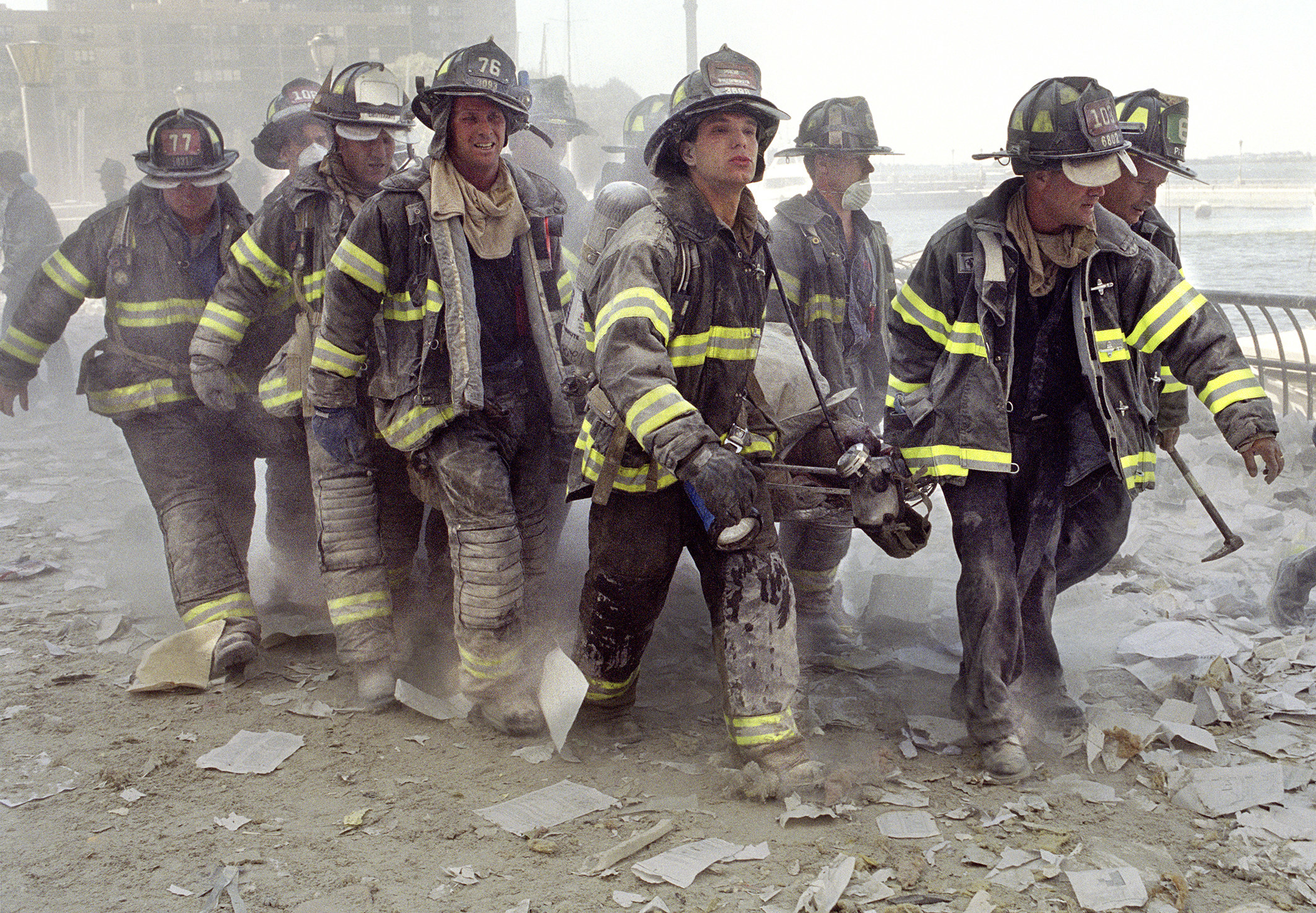
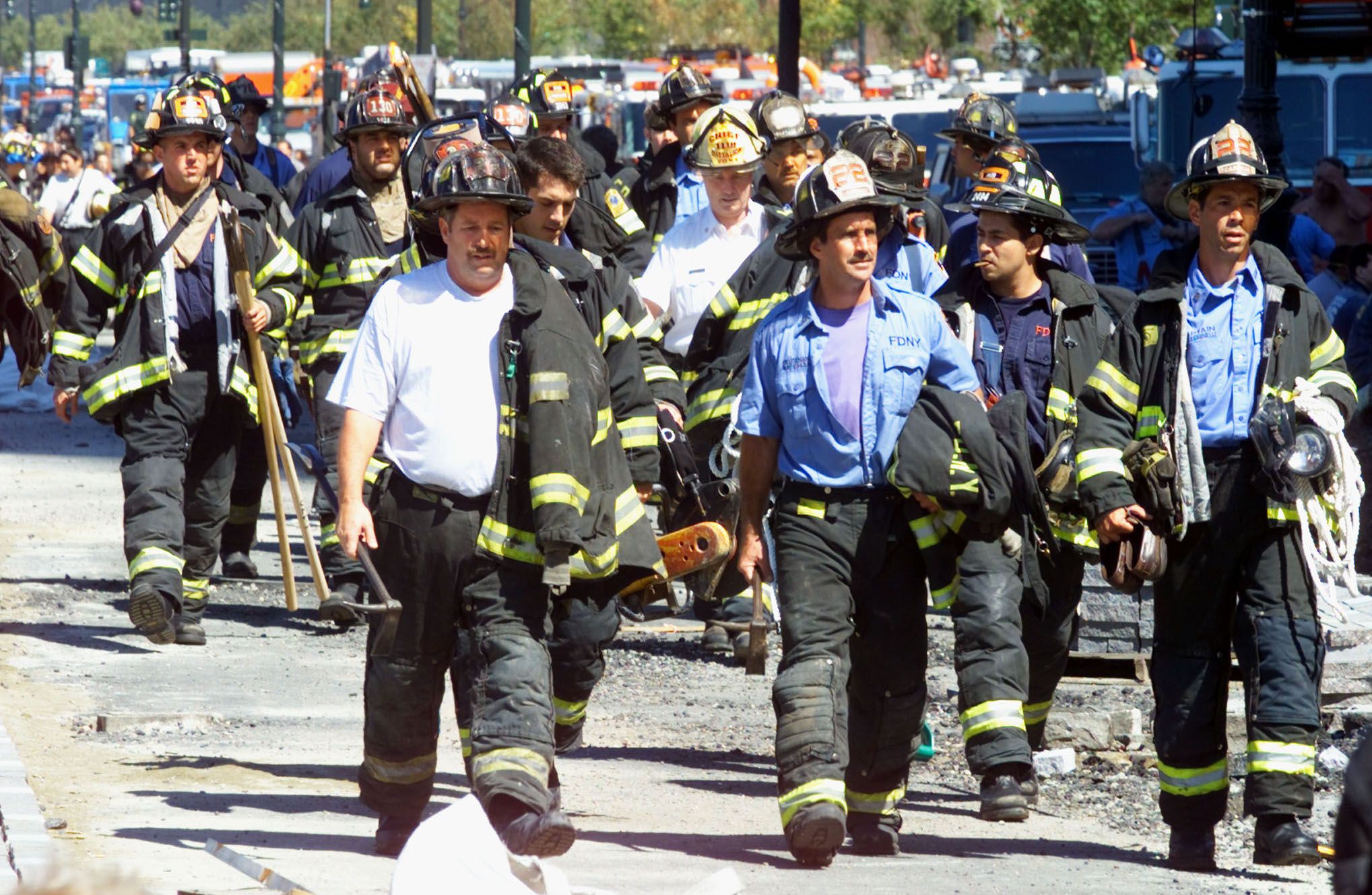
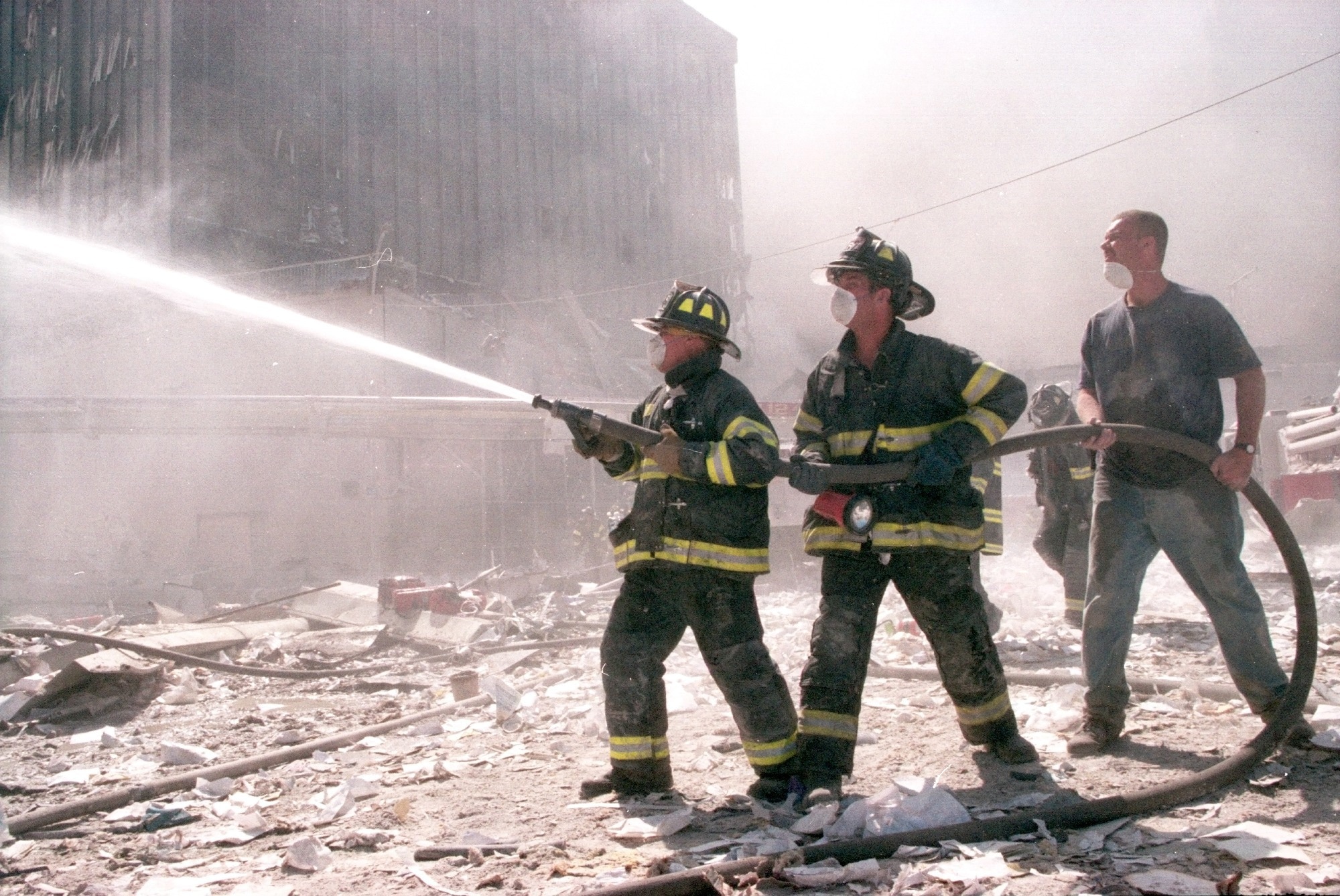
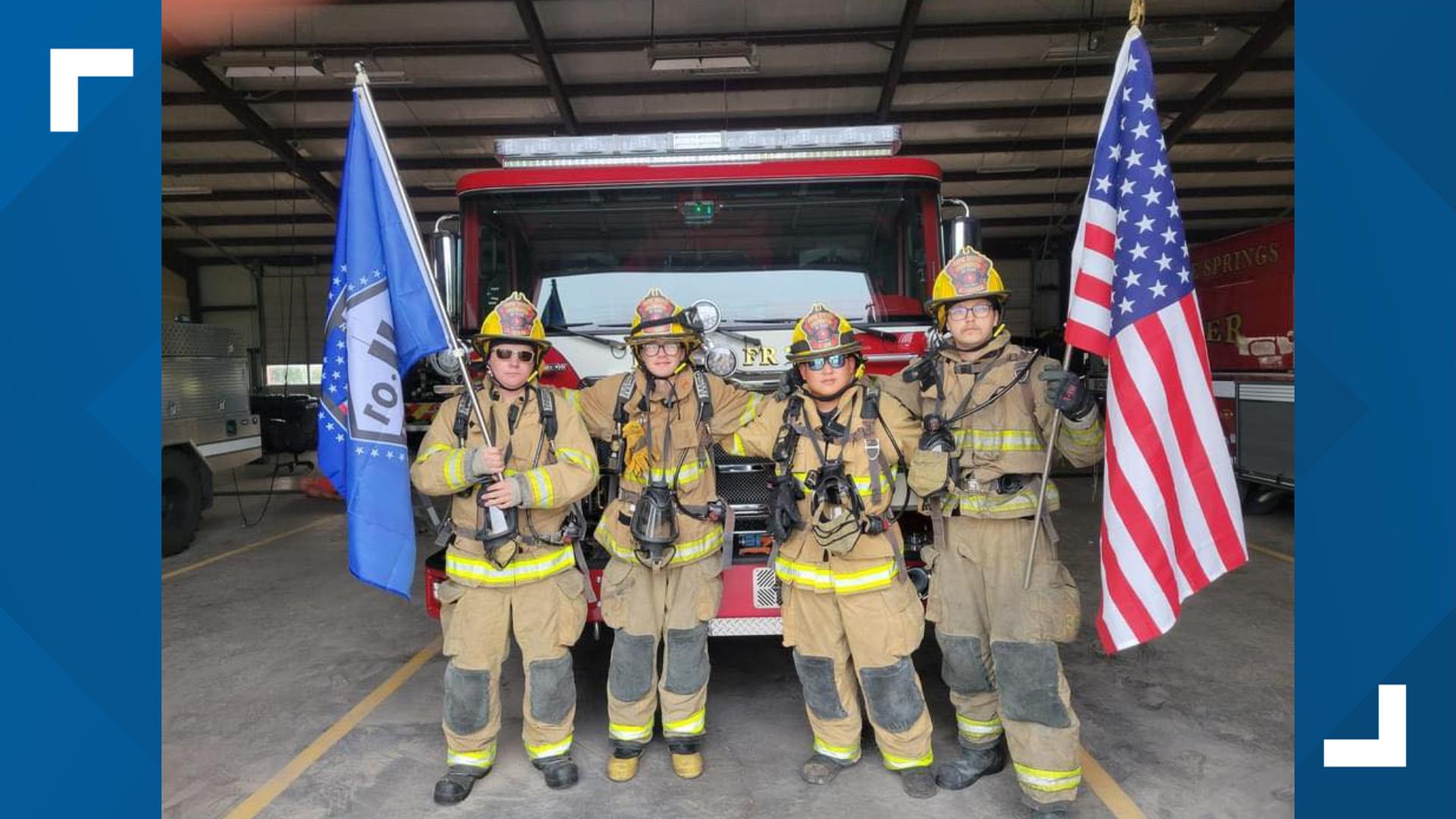
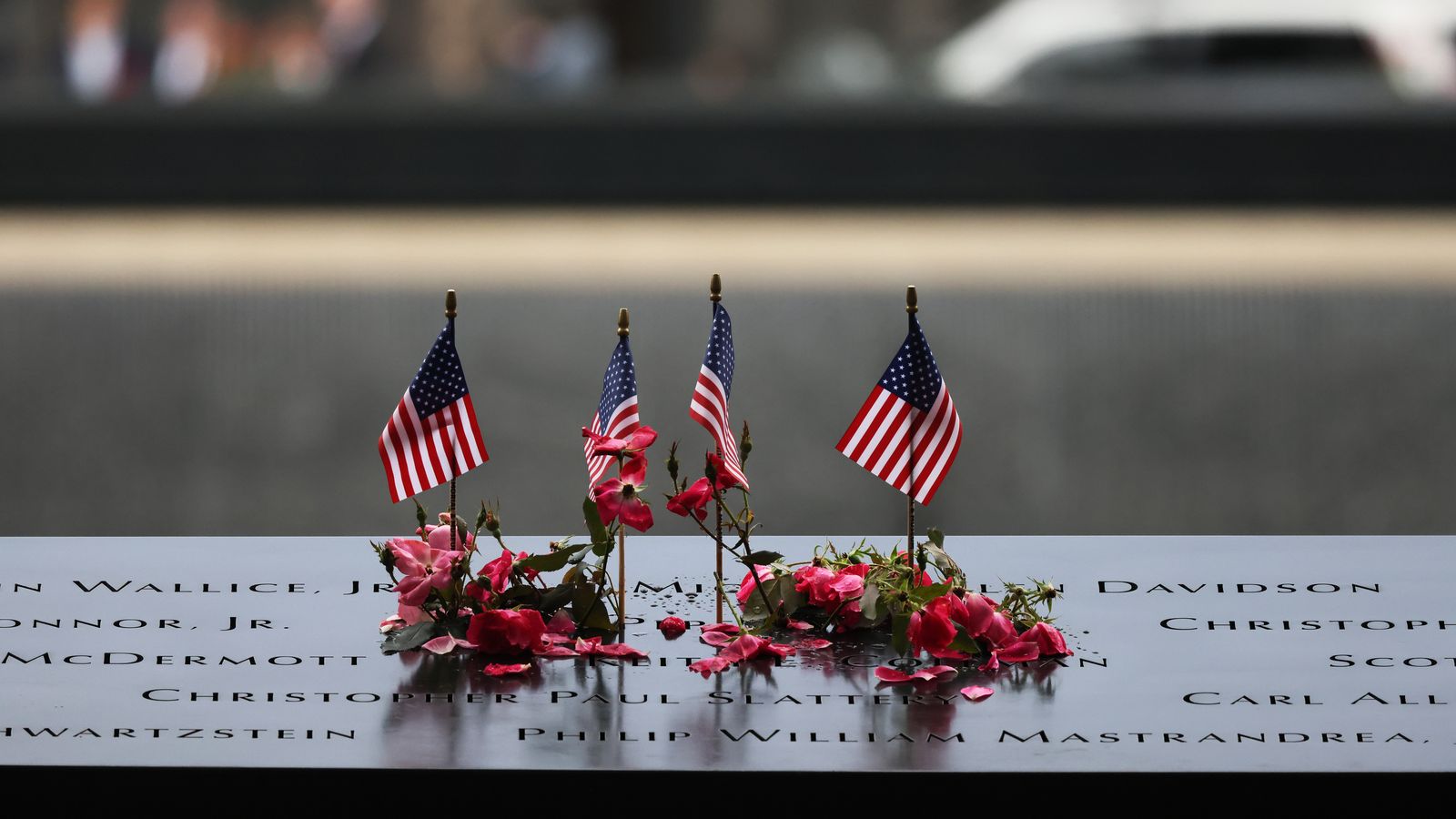
A 9/11 first responder is any emergency service worker, construction laborer, municipal employee, or volunteer who participated in rescue, recovery, debris removal, or cleanup efforts at Ground Zero, the Pentagon, or Shanksville, Pennsylvania, between September 11, 2001, and July 31, 2002. Eligible responders can access free medical monitoring, specialized treatment, and financial compensation through federal programs established by Congress.
Defining 9/11 First Responders: Roles, Locations, and Service Windows
The official legal and medical definition of a 9/11 first responder extends far beyond the uniformed emergency services present during the initial attacks. Federal programs recognize a wide spectrum of personnel who worked or volunteered in designated exposure zones during the acute rescue and long-term recovery phases.
Eligible Service Categories
First responder status applies to individuals across several professional and volunteer categories:
- Uniformed Emergency Personnel: Members of the Fire Department of the City of New York (FDNY), the New York City Police Department (NYPD), the Port Authority Police Department (PAPD), emergency medical technicians (EMTs), paramedics, and state or federal law enforcement personnel.
- Construction and Trade Workers: Ironworkers, heavy equipment operators, laborers, carpenters, electricians, riggers, and plumbers who performed structural stabilization, searching, and debris clearing.
- Municipal and Sanitation Staff: New York City Department of Sanitation (DSNY) employees, transit workers, engineers, and environmental health inspectors involved in clearing debris, managing staging areas, and restoring infrastructure.
- Volunteers and Support Personnel: Members of non-governmental relief organizations (such as the American Red Cross and the Salvation Army) as well as unaffiliated volunteers who served food, distributed supplies, or assisted at active operations sites.
- Pentagon and Shanksville Responders: Military personnel, local police, firefighters, emergency responders, and civilian cleanup crews who performed rescue and recovery duties at the Pentagon site in Arlington, Virginia, or the Flight 93 crash site in Shanksville, Pennsylvania.
Geographic and Temporal Criteria
To qualify for federal health and compensation benefits, individuals must satisfy strict location and timeline requirements established by federal regulations:
- New York City Exposure Zone: Work or volunteer service must have occurred at Ground Zero (defined as Manhattan south of Houston Street), the NYC Chief Medical Examiner’s Office, the Staten Island Landfill (Fresh Kills), or along designated barge loading piers (such as Piers 92 and 94).
- Pentagon Exposure Zone: Physical presence at the crash site or designated perimeter zones in Arlington, Virginia.
- Shanksville Exposure Zone: Physical presence at the crash site or designated operational perimeter in Somerset County, Pennsylvania.
- Eligible Service Window: Responders must have performed service between September 11, 2001, and July 31, 2002. Duration requirements vary depending on the specific location and dates of service, ranging from immediate participation on September 11 to a cumulative minimum of hours worked over subsequent months.
Toxic Exposure Hazards at Ground Zero and Crash Sites
The collapse of the World Trade Center towers created a toxic plume of uncompressed dust, ash, aerosolized chemicals, and combustion products. The environmental disaster at Ground Zero exposed tens of thousands of responders to unprecedented levels of hazardous materials without adequate personal protective equipment (PPE) during the initial weeks of the response.
Toxic Dust Composition at Ground Zero:
- Pulverized Concrete & Building Materials (High Alkalinity, pH 9–11)
- Chrysotile Asbestos Fibers (Fireproofing Material)
- Synthetic Fibers & Vitreous Glass (Insulation)
- Heavy Metals (Lead, Mercury, Cadmium, Arsenic)
- Dioxins, PCBs, & Polycyclic Aromatic Hydrocarbons (PAHs)
Composition of the WTC Dust Cloud
Analysis of the environmental conditions following the attacks revealed that the dust cloud was extraordinarily caustic, exhibiting a high alkalinity (pH values ranging from 9 to 11). Key contaminants identified at the sites included:
- Pulverized Concrete and Gypsum: Composing the vast majority of coarse ambient dust, causing severe mechanical irritation and chemical burns in the upper and lower respiratory tracts.
- Chrysotile Asbestos: Used extensively as thermal insulation and fireproofing in the WTC North Tower, aerosolized into microscopic respirable fibers.
- Synthetic Vitreous Fibers: Fibreglass and slag wool fibers that lodged deeply in pulmonary tissue.
- Heavy Metals: High concentrations of lead, mercury, cadmium, zinc, and copper released from building infrastructure, computers, and electrical systems.
- Combustion Byproducts: Persistent fires that burned underground until December 2001 emitted continuous fumes containing polycyclic aromatic hydrocarbons (PAHs), polychlorinated biphenyls (PCBs), dioxins, and volatile organic compounds (VOCs) such as benzene.
Responders inhaled and ingested these particulates daily. Long-term health studies monitored by the National Institute for Occupational Safety and Health (NIOSH) demonstrate that this complex toxic mixture caused persistent cellular inflammation, DNA damage, and chronic tissue damage, leading to progressive respiratory diseases and elevated cancer incidence.
WTCHP vs. Victim Compensation Fund (VCF)
Responders often confuse the two primary federal entities created to support toxic exposure victims: the World Trade Center Health Program (WTCHP) and the September 11th Victim Compensation Fund (VCF). Although both programs stem from the federal James Zadroga 9/11 Health and Compensation Act, they serve distinct functions and operate independently under different federal departments.
JAMES ZADROGA 9/11 ACT FRAMEWORK:
- WTC Health Program (WTCHP)
- Administered by CDC / NIOSH
- Benefits:
- Annual Medical Screenings
- Specialized Treatment
- Prescription Medications
- No Copays or Out-of-Pocket
- Victim Compensation Fund (VCF)
- Administered by U.S. Dept of DOJ
- Benefits:
- Non-Economic Damages (Pain and Suffering)
- Economic Loss Compensation
- Wrongful Death Payments
The WTCHP provides direct, lifelong healthcare services at no cost to the responder. In contrast, the VCF provides tax-free monetary awards to compensate responders for economic losses (such as lost wages) and non-economic losses (pain and suffering) caused by certified physical health conditions.
| Program Feature | World Trade Center Health Program (WTCHP) | September 11th Victim Compensation Fund (VCF) |
|---|---|---|
| Primary Purpose | Medical monitoring, diagnostic testing, and health treatment | Financial monetary compensation for physical injuries or death |
| Managing Agency | Department of Health and Human Services (CDC / NIOSH) | Department of Justice (DOJ) |
| Funding Horizon | Authorized and funded through 2090 | Authorized and funded through October 1, 2090 |
| Primary Benefit | Free specialized healthcare, prescriptions, and therapy | Tax-free financial cash settlements |
| Covered Conditions | Certified physical and mental health conditions | Certified physical health conditions only (mental health excluded) |
| Prerequisite | Direct application to Clinical Centers of Excellence | Must have a WTCHP-certified physical health condition |
Covered Health Conditions and Medical Eligibility Criteria
To receive medical treatment through the WTCHP or financial compensation through the VCF, a responder’s illness must be officially certified as a covered condition. Federal regulations categorize these conditions into aerodigestive disorders, cancers, and mental health conditions.
Aerodigestive Disorders
Aerodigestive conditions involve the respiratory tract and upper digestive system. Common certified aerodigestive conditions include:
- Interstitial Lung Diseases: Pulmonary fibrosis, sarcoidosis, and chronic bronchiolitis resulting from deep particulate penetration.
- Chronic Airway Hyperreactivity: Asthma, Reactive Airways Dysfunction Syndrome (RADS), and Chronic Obstructive Pulmonary Disease (COPD).
- Upper Respiratory Conditions: Chronic rhinosinusitis, chronic nasopharyngitis, chronic laryngitis, and sleep apnea secondary to airway inflammation.
- Gastroesophageal Reflux Disease (GERD): Severe persistent acid reflux caused by chronic coughing and lower esophageal sphincter irritation.
Certified Cancers
The WTCHP science team periodically evaluates epidemiological evidence to add cancers to the covered conditions list. Over 70 types of cancer are officially recognized, including:
- Skin Cancers: Melanoma, basal cell carcinoma, and squamous cell carcinoma.
- Solid Tumors: Prostate, breast, lung, colorectal, thyroid, kidney, bladder, and brain cancers.
- Blood and Lymphatic Cancers: Non-Hodgkin lymphoma, Hodgkin disease, multiple myeloma, and various forms of leukemia.
Note on Latency Periods: Cancers must satisfy mandatory minimum latency periods—the required elapsed time between a responder's first exposure and their initial cancer diagnosis—to qualify for certification (e.g., 40 days for childhood cancers, 1 to 4 years for blood cancers, and 2 to 5 years for solid tumors).
Mental Health Conditions
The WTCHP provides complete diagnostic and mental healthcare services for verified psychological conditions stemming from 9/11 response operations. Recognized mental health conditions include:
- Post-Traumatic Stress Disorder (PTSD)
- Major Depressive Disorder
- Generalized Anxiety Disorder
- Panic Disorder
- Substance Use Disorders related to trauma coping
Important Distinction: The VCF does not award monetary compensation for standalone mental health conditions. Financial awards from the VCF require a certified, physical health condition.
Step-by-Step Process to Access Care and File a VCF Claim
Securing health benefits and monetary compensation requires navigating distinct administrative steps across federal agencies. Responders should follow this sequential workflow to ensure claims are properly filed and preserved.
- Step 1: Document Presence
- Secure work logs, affidavits, shift records, or employer verification.
- Step 2: Enroll in WTCHP
- Schedule initial health assessment at a Clinical Center of Excellence.
- Step 3: Obtain Condition Certification
- NIOSH medical panel confirms exposure linkage and issues formal certification.
- Step 4: Register with VCF
- Establish an online account with the DOJ to preserve statutory rights.
- Step 5: Submit VCF Compensation Claim
- Provide medical certifications, tax documents, wage history, and loss evidence.
Step 1: Secure Proof of Presence
Before applying to federal programs, responders must compile credible evidence proving their physical presence in an exposure zone during the eligible timeframe. Essential documentation includes:
- Official deployment records, shift logs, or employer verification letters.
- Union records, pay stubs, or official site sign-in sheets.
- Signed sworn affidavits from supervisors, colleagues, or witnesses confirming your work location and hours.
- For volunteers: Official organizational rosters, deployment certificates, or signed statements from program coordinators.
Step 2: Apply to the WTC Health Program
Complete and submit an application to the WTCHP via the official CDC WTC Health Program Portal. Once accepted, responders choose a Clinical Center of Excellence (CCE) in the New York metropolitan area or access the Nationwide Provider Network (NPN) if residing elsewhere in the United States.
Responders undergo an initial baseline monitoring exam. If a physician identifies a qualifying illness linked to 9/11 exposure, the program submits the condition to NIOSH for formal medical certification.
Step 3: Register with the Victim Compensation Fund
Registration preserves your right to file a claim in the future; it does not commit you to filing immediately. Every responder exposed to Ground Zero toxins should register with the VCF online at the official U.S. Department of Justice VCF Portal, even if they are currently healthy and show no symptoms. Registration deadlines vary based on individual circumstance, but registering early protects against future statutory deadlines if an illness develops later in life.
Step 4: Submit a Detailed Compensation Claim
Once the WTCHP certifies a physical condition, the responder can submit a formal compensation claim to the VCF. The claim must include:
- Medical certification documents from the WTCHP.
- Detailed financial records (tax returns, W-2 forms, Social Security earnings statements) if claiming economic loss from disability or reduced earning capacity.
- Personal impact statements and medical logs supporting non-economic pain and suffering determinations.
Special Considerations for Deceased Responders and Latency
The health effects of exposure to chemical toxins can take decades to fully manifest. Many responders develop life-threatening illnesses years after their exposure ceased. Federal law includes protections for surviving family members and individuals who develop late-onset medical conditions.
Wrongful Death and Survivor Claims
If a responder passes away due to a certified 9/11-related physical illness, their surviving spouse, children, or designated legal beneficiaries can file a wrongful death claim through the VCF. Key legal requirements include:
- Personal Representative Appointment: A probate court must officially appoint a Personal Representative to act on behalf of the deceased responder’s estate.
- Causal Link: The death certificate or medical examiner records must cite the certified WTC condition as a primary or contributing cause of death.
- Eligible Compensation: Surviving family members may recover non-economic losses for the deceased responder’s suffering, non-economic losses for surviving dependents, lost future economic earnings, and burial/funeral expenses.
Navigating Long Latency Periods
Many cancers—particularly gastrointestinal, urological, and hematologic malignancies—possess extended latency periods ranging from 10 to over 20 years. Because the Never Forget the Heroes Act permanently authorized the VCF through 2090, responders who remain asymptomatic today can register now and file claims if an exposure-linked illness is diagnosed decades later.
Frequently Asked Questions
What qualifies someone as a 9/11 first responder for federal benefits?
A 9/11 first responder qualifies for federal benefits by demonstrating physical presence at an approved site—such as Ground Zero in Manhattan, the NYC Chief Medical Examiner's office, the Staten Island Landfill, the Pentagon site, or Shanksville, Pennsylvania—for a minimum required duration between September 11, 2001, and July 31, 2002, while participating in rescue, recovery, debris cleanup, or related relief services.
What is the deadline to register for the 9/11 Victim Compensation Fund (VCF)?
Under the Never Forget the Heroes Act, the VCF is fully funded and open for claim submissions through October 1, 2090. However, individual registration deadlines apply depending on when a condition is certified. Registration should be completed as soon as a physical condition is officially certified by the WTCHP to preserve all legal rights.
Can family members of a deceased 9/11 first responder apply for compensation?
Yes. The legally appointed Personal Representative of a deceased responder’s estate can submit a VCF claim for non-economic damages, economic loss, and funeral costs if medical evidence confirms that a certified 9/11-related physical condition caused or significantly contributed to the responder's death.
Does receiving workers' compensation impact 9/11 VCF awards?
Yes. Federal law requires the VCF to offset monetary awards by any collateral source payments received for the same physical condition. Collateral sources include workers' compensation settlements, disability pension benefits, Social Security Disability Insurance (SSDI) benefits, and public death benefits.
Are volunteers eligible for World Trade Center Health Program benefits?
Yes. Unaffiliated volunteers and individuals who served through organized non-profit relief agencies (such as the Red Cross or Salvation Army) are fully eligible for free medical monitoring, diagnostic evaluation, and treatment through the WTCHP, provided they meet the physical location and service duration criteria.
Essential Next Steps for Responders and Surviving Families
If you or a family member participated in 9/11 rescue, recovery, or cleanup operations, taking proactive steps today protects both your medical health and financial security.
- Gather Evidence of Presence Immediately: Secure employment logs, affidavits, union transcripts, or official discharge forms while records and witnesses remain accessible. Store physical and digital copies securely.
- Schedule an Initial Medical Screening: Enroll in the WTC Health Program regardless of your current state of health. Routine monitoring can detect asymptomatic conditions early, providing immediate access to no-cost care.
- Register with the VCF Online: Create an account on the VCF Portal to preserve your legal standing. Registering does not obligate you to file a claim, but it prevents future statutory deadline issues should an illness emerge later.
- Consult a Qualified Legal Representative: If filing a complex economic loss or wrongful death claim, consult an attorney who specializes in 9/11 VCF litigation to ensure full compliance with federal estate and documentation rules.
Disclaimer: This guide is provided for educational and informational purposes only and does not constitute formal legal or medical advice. Benefit policies, medical eligibility lists, and administrative regulations under the WTCHP and VCF are subject to statutory updates by federal agencies. Consult official government resources or licensed legal counsel for personal legal or medical evaluations.