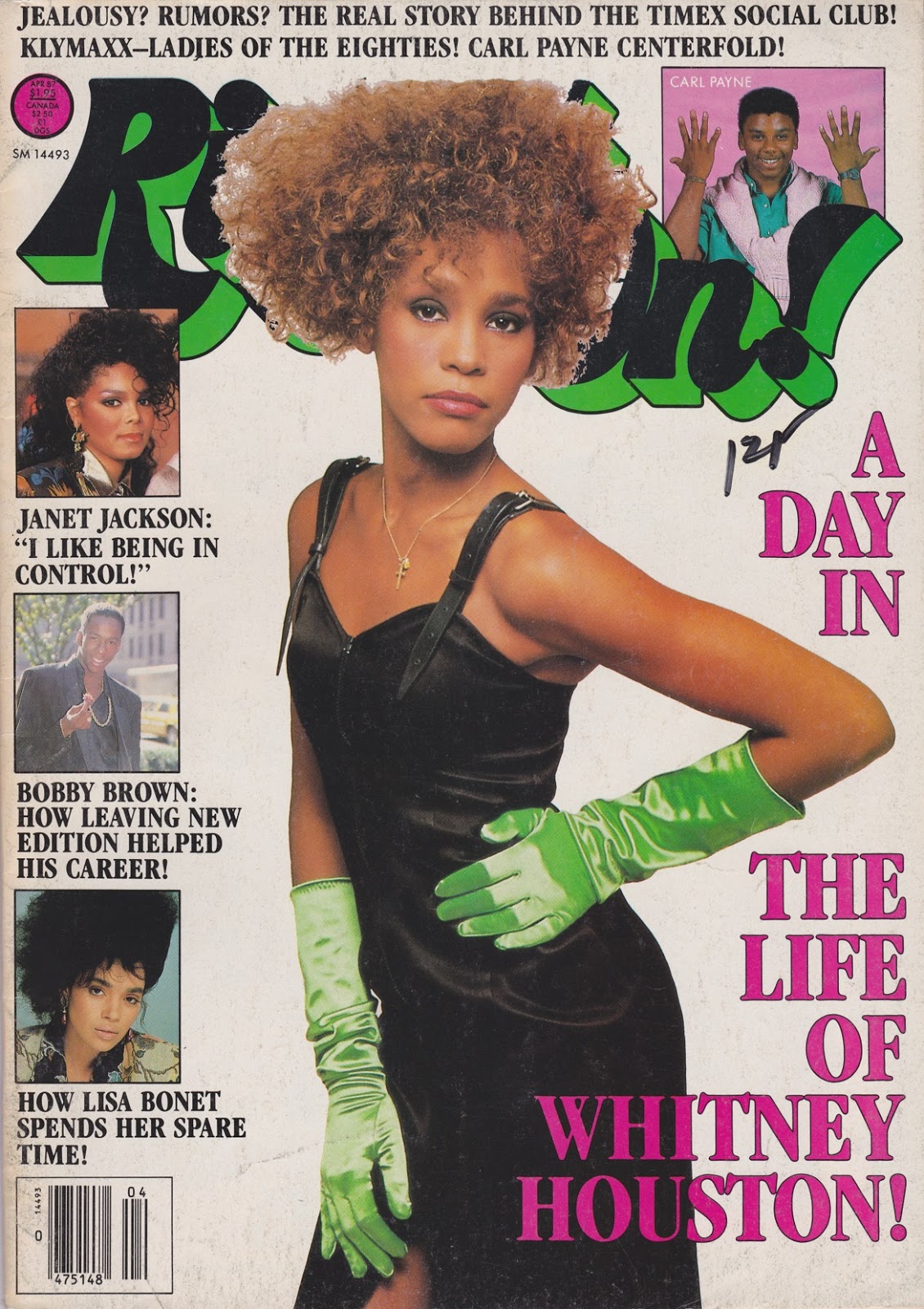
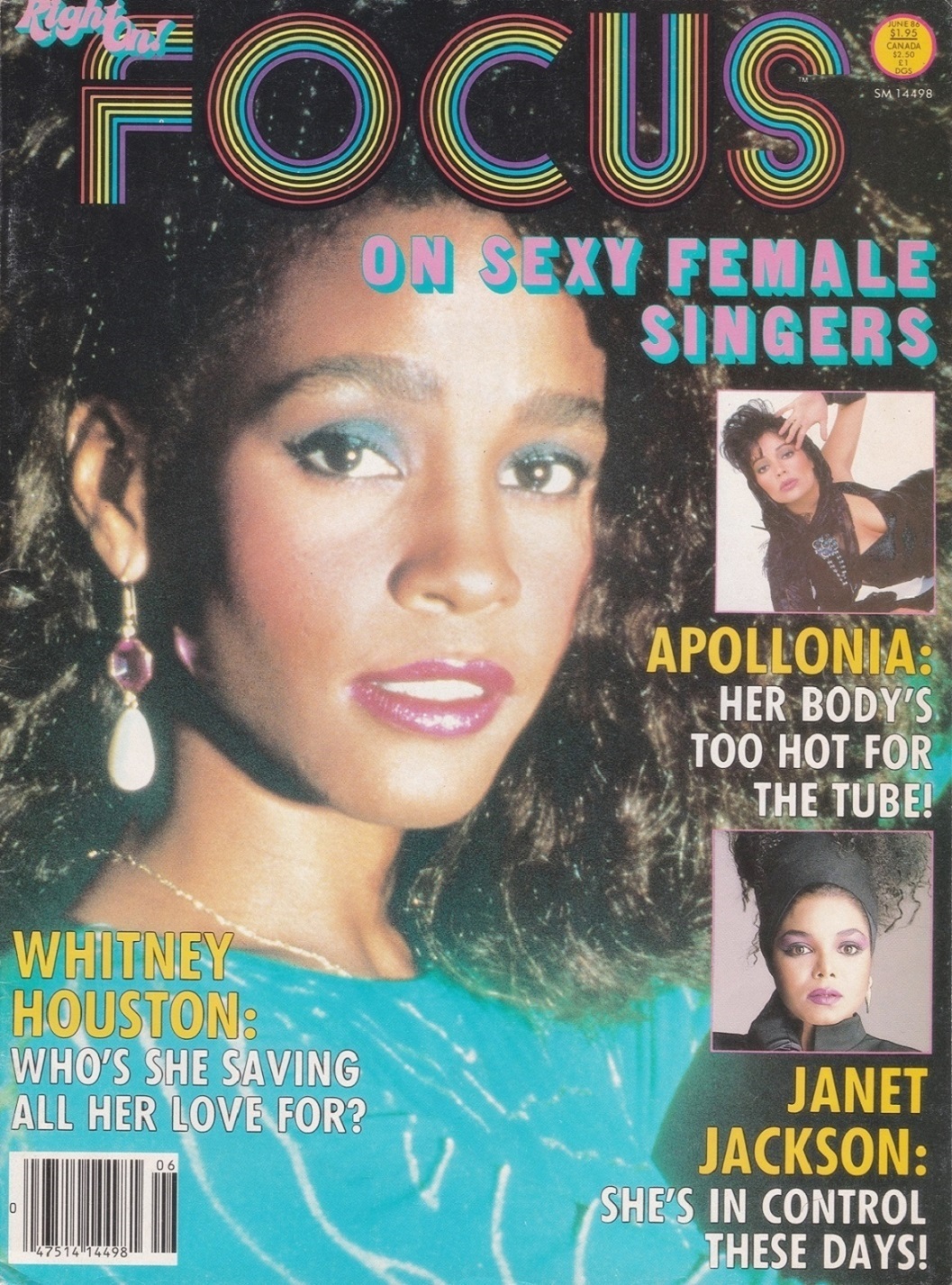
The 1980s established Whitney Houston as an unparalleled pop phenom, defining her legacy through a blend of church-honed gospel vocals, cutting-edge synthesizer production, and high-glamour visual styling. Anchored by her landmark albums Whitney Houston (1985) and Whitney (1987), this era created the template for modern vocal pop, earning her record-breaking chart success and global stardom.
The Vocal Foundation: Merging Gospel Heritage with Pop Precision
Whitney Houston’s arrival in the mid-1980s fundamentally altered the landscape of popular vocal music. Raised in a musically elite family—daughter of gospel legend Cissy Houston, cousin of Dionne Warwick, and mentored within the choir of New Hope Baptist Church in Newark, New Jersey—Houston possessed a technical foundation rooted deeply in African American gospel traditions. When Arista Records president Clive Davis signed her in 1983, the primary artistic goal was transforming that sacred vocal intensity into crossover secular pop without diluting its raw power.
- Gospel Roots (New Hope Baptist)
- Secular Crossover (Clive Davis/Arista)
- Polished 80s Synth-Pop Diva
What made Houston's 1980s vocal style so revolutionary was her flawless control over dynamics, tone, and melisma—the technique of singing multiple notes over a single syllable. Prior to Houston, excessive vocal runs were rare in mainstream pop. Houston integrated melismatic phrasing with mathematical precision, ensuring that her vocal embellishments served the melody rather than distracting from it. Her upper register boasted a ringing, chest-voice-dominant belt that reached high Fs and Gs with immaculate pitch stability and resonance.
In studio sessions for her 1985 debut album, producers relied on her uncanny ability to double her own vocal tracks with exact pitch alignment, creating a rich, shimmering vocal texture that required minimal artificial correction. On ballads like "Saving All My Love for You" and "Greatest Love of All," her vocal control transitioned seamlessly from a warm, conversational mezza-voce in the verses to explosive, wide-vibrato climaxes. This dynamic vocal architecture became the gold standard for pop balladry throughout the decade.
Sonic Architecture: Producers, Synthesizers, and the 80s Hit Machine
The sound of 1980s Whitney Houston was crafted by a elite team of producers who leveraged state-of-the-art recording technology to frame her voice. Key architects included Kashif, Michael Masser, Narada Michael Walden, and Jermaine Jackson. Each brought a distinct production philosophy that helped bridge contemporary R&B, adult contemporary balladry, and uptempo dance-pop.
Kashif introduced sleek, post-disco R&B synth arrangements on tracks like "You Give Good Love," utilizing muted synthesizer basslines, electronic drum pads, and subtle digital delays. Michael Masser focused on traditional, mid-tempo orchestral ballads, pairing lush string arrangements with the bright, crystalline tone of the Yamaha DX7 digital synthesizer—an instrument whose E-PIANO patches defined 1980s pop ballads.
- Producer: Kashif: Urban R&B Synth Grooves ("You Give Good Love")
- Producer: Michael Masser: Traditional Orchestral Ballads ("Greatest Love of All")
- Producer: Narada M. Walden: High-Energy Dance-Pop ("I Wanna Dance with Somebody")
For her uptempo anthems, producer Narada Michael Walden revolutionized Houston's sound on tracks like "How Will I Know" (1985) and "I Wanna Dance with Somebody (Who Loves Me)" (1987). Walden employed heavy drum machine programming, using the Oberheim DMX and LinnDrum alongside quantized sequencer tracks, Roland D-50 synthesizer brass stabs, and gated reverb snare sounds. These electronic elements were balanced by live bass grooves and rhythm guitars, giving the tracks a driving dance energy while preserving a live studio feel.
Digital recording consoles and early digital audio workstations allowed engineers to place Houston’s lead vocals front and center in the stereo mix. Her vocals were processed through high-end outboard gear, such as Lexicon digital reverbs and TC Electronic delays, creating an expansive sonic environment where her voice soared cleanly over dense, synth-heavy arrangements.
Comparing Houston’s Landmark 1980s Albums
The progression between Houston’s two studio albums released in the 1980s illustrates how her artistic identity evolved from a promising breakout star into a dominant global force.
| Feature / Metric | Whitney Houston (1985) | Whitney (1987) |
|---|---|---|
| Primary Sonic Genres | R&B, Adult Contemporary, Soft Pop | Dance-Pop, Synth-Pop, Power Ballads |
| Key Hit Singles | "You Give Good Love", "Saving All My Love for You", "How Will I Know", "Greatest Love of All" | "I Wanna Dance with Somebody", "Didn't We Almost Have It All", "So Emotional", "Where Do Broken Hearts Go" |
| Lead Producers | Kashif, Michael Masser, Narada Michael Walden, Jermaine Jackson | Narada Michael Walden, Michael Masser, Kashif, Jelder/Jackson |
| Dominant Instrumentation | Fender Rhodes, Yamaha DX7, soft synth bass, electric guitar solos | Sequenced drum machines, Roland D-50 synths, brass stabs, heavy electric guitars |
| Chart Milestones | 14 weeks at #1 on Billboard 200; best-selling debut album by a female artist at the time | First album by a female artist to debut at #1 on the Billboard 200; generated four consecutive #1 singles |
| Visual Styling | Sophisticated evening gowns, soft pastel silk suits, natural curls, classic modeling elegance | Bold neon accents, layered tulle, structured shoulder pads, high-volume perm, dynamic street fashion |
While her self-titled 1985 debut was designed to showcase her versatility across subtle R&B and grand pop ballads, 1987's Whitney leaned heavily into vibrant, dance-driven pop and arena-scale anthems. The production on Whitney was punchier and more aggressive, designed specifically to fill stadium sound systems during her massive world tours.
Visual Identity: From Teen Model Elegance to High-Eighties Glamour
Before her record deal was finalized, Houston worked as a fashion model, appearing in publications like Seventeen, Glamour, and Cosmopolitan. This background provided her with an intuitive understanding of camera angles, movement, and visual framing, which Arista Records used to craft her public image.
In the mid-1980s, Houston’s style represented high-glamour sophistication. Her wardrobe for television appearances and early music videos featured tailored silk suits, floor-length metallic sequin dresses, and structured evening gowns with subtle shoulder padding. Her hair was styled in soft, natural curls or classic bouffant shapes, complemented by polished, understated makeup that emphasized her classic features.
- 1981–1984: Teen Model (Seventeen, Glamour)
- 1985–1986: Sophisticated Glamour (Pastel Suits, Sequin Gowns, Classic Curls)
- 1987–1989: High-Eighties Pop Icon (Neon Colors, Leather Jackets, Tulle, Permed Volume)
By 1987, alongside the release of her second album, Houston’s visual aesthetic embraced the vibrant energy of late-1980s fashion. The music video for "I Wanna Dance with Somebody (Who Loves Me)" presented an iconic style transformation:
- Bright color-blocked outfits, including a tight pink dress paired with a yellow leather jacket.
- Layered tulle skirts combined with metallic tops and oversized hoop earrings.
- Wildly voluminous, backcombed permed curls created by top hair stylists.
- Bold makeup consisting of saturated eye shadows, defined eyeliner, and glossy lips.
This visual shift positioned Houston not just as a traditional ballad singer, but as a trendy pop icon who dictated youth fashion trends worldwide.
Breaking Cultural Barriers: MTV, Crossover Success, and Visual Storytelling
The mid-1980s was a critical transitional period for music television. Channels like MTV faced widespread criticism for underrepresenting Black recording artists. Houston played an instrumental role in dismantling these barriers, becoming one of the first Black female solo artists to achieve heavy rotation on the network.
Her music videos were designed to appeal directly to a global, multi-format audience:
- "How Will I Know" (1985): Directed by Brian Grant, this video featured avant-garde colored backdrops, geometric sets, and painted background dancers. Houston’s animated performance and colorful wardrobe broke away from traditional R&B video tropes, earning her the MTV Video Music Award for Best Female Video in 1986.
- "Greatest Love of All" (1986): Filmed at Harlem’s historic Apollo Theater, the video bridged her present success with her past roots. It showed Houston walking the stage alongside her real-life mother, Cissy Houston, symbolizing the generational transmission of musical talent.
- "So Emotional" (1987): Directed by Wayne Isham, this video captured the energy of Houston on tour, showcasing her live stage presence, connection with diverse arenas of fans, and authentic rocker-pop edge.
Houston's massive crossover appeal allowed her to transcend rigid radio formats. Her songs topped the Billboard Hot 100, Hot Black Singles (now Hot R&B/Hip-Hop Songs), and Adult Contemporary charts simultaneously—an unprecedented feat that transformed how record labels marketed Black music globally. Between 1985 and 1988, she achieved seven consecutive #1 singles on the Billboard Hot 100, a record that remains unbroken.
Frequently Asked Questions
How did Whitney Houston's gospel background influence her 1980s vocal style?
Her church training taught her voice placement, breath control, and emotional storytelling. In her 1980s secular recordings, she translated traditional gospel intensity into controlled pop melismas and dynamic chest-voice belts, bringing spiritual passion to commercial pop melodies.
Which producers shaped Whitney Houston's signature sound during the 1980s?
The core producers of her 1980s era were Narada Michael Walden (up-tempo pop/dance hits like "How Will I Know"), Michael Masser (dramatic ballads like "Greatest Love of All"), Kashif (smooth R&B/synth tracks like "You Give Good Love"), and Jermaine Jackson (pop duets and mid-tempo tracks).
What record did Whitney Houston set with her 1980s single releases?
From 1985 to 1988, Houston achieved seven consecutive #1 singles on the US Billboard Hot 100 chart. The streak began with "Saving All My Love for You" and concluded with "Where Do Broken Hearts Go," breaking the previous record of six held by The Beatles and The Bee Gees.
How did Whitney Houston’s fashion style evolve between her 1985 debut and 1987 album?
Her 1985 debut showcased sophisticated, high-fashion elegance characterized by silk suits, sequined evening gowns, and natural hair. By 1987, her style evolved into high-energy 80s pop fashion featuring vibrant neon colors, layered tulle, leather jackets, oversized accessories, and voluminous permed curls.
What synth instruments defined the sound of Whitney Houston's 80s uptempo tracks?
Producers relied on 1980s synthesis technology, including the Yamaha DX7 (famous for crisp electric piano patches), the Roland D-50 (used for synth brass and atmospheric pads), and digital drum machines like the Oberheim DMX and LinnDrum for rhythm tracks.
Exploring the Legacy of Houston's 80s Output
For producers, musicologists, and pop music enthusiasts studying the 1980s, Whitney Houston's early catalog offers a masterclass in vocal execution and record production. To fully appreciate the construction of her 1980s style and sound:
- Listen to the Studio A Capellas: Analyze isolated vocal tracks for tracks like "How Will I Know" or "All at Once" to study her exact pitch placement, breath control, and natural vocal double-tracking techniques without backing instrumentation.
- Examine the Synthesizer Arrangements: Study the production work of Narada Michael Walden and Kashif to understand how analogue and early digital synthesizers were mixed around a powerful lead vocal without masking its clarity.
- Analyze the Music Video Visuals: Review her video catalog from 1985 to 1987 to trace the evolution of pop music marketing, color theory, and fashion styling during the rise of the MTV era.
Whitney Houston's work in the 1980s set the standard for vocal performance, production standards, and visual image, cementing her status as one of the most influential pop artists in modern music history.