An 80s pop star represents an era in music history where sound, visual branding, and mass media converged. Propelled by the launch of MTV, digital synthesizers, and drum machines, these performers—such as Michael Jackson, Madonna, and Prince—transcended audio recordings to become multimedia icons defined by theatrical visuals, high-concept fashion, and global chart dominance.
The Sonic and Visual Blueprint of the 1980s Pop Icon
The rise of the 1980s pop star marked a fundamental break from the rock-dominated paradigms of the previous decades. While 1970s acts frequently cultivated an aura of organic authenticity, the 1980s celebrated polished artifice, technological experimentation, and multimedia presentation. To understand an 80s pop star requires examining how sound production, personal fashion, and narrative personas operated as a single, cohesive artistic statement.
Musically, the template rested upon an intersection of post-disco dance rhythms, new wave synth textures, and rock-influenced hooks. Vocally, artists embraced dramatic dynamics, shifting from breathy intimacies to belting choruses engineered to cut through dense, reverberant synth mixes. Performers were expected to deliver both high-energy dance routines and soaring power ballads, demanding an athletic, stage-ready vocal versatility.
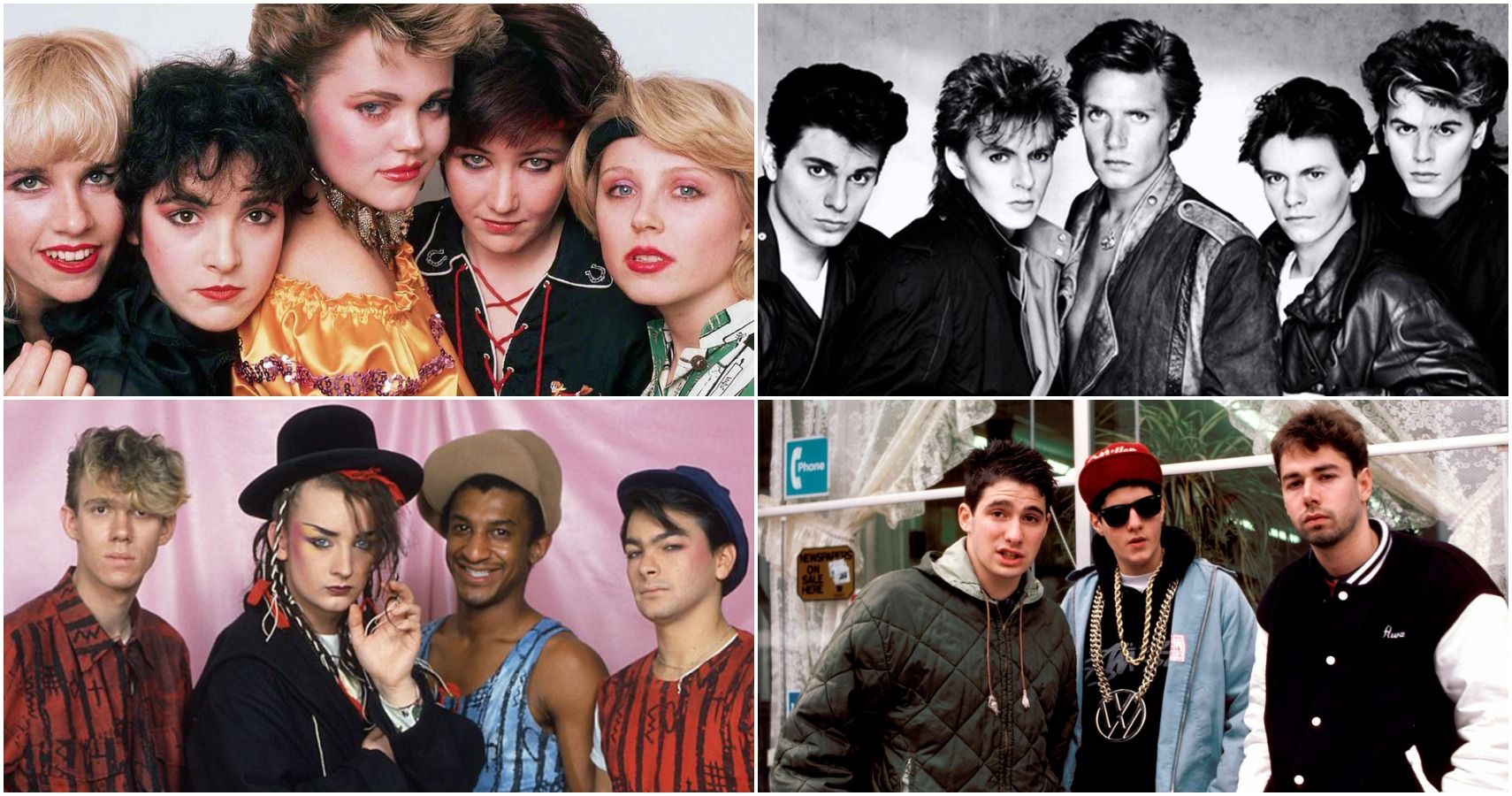
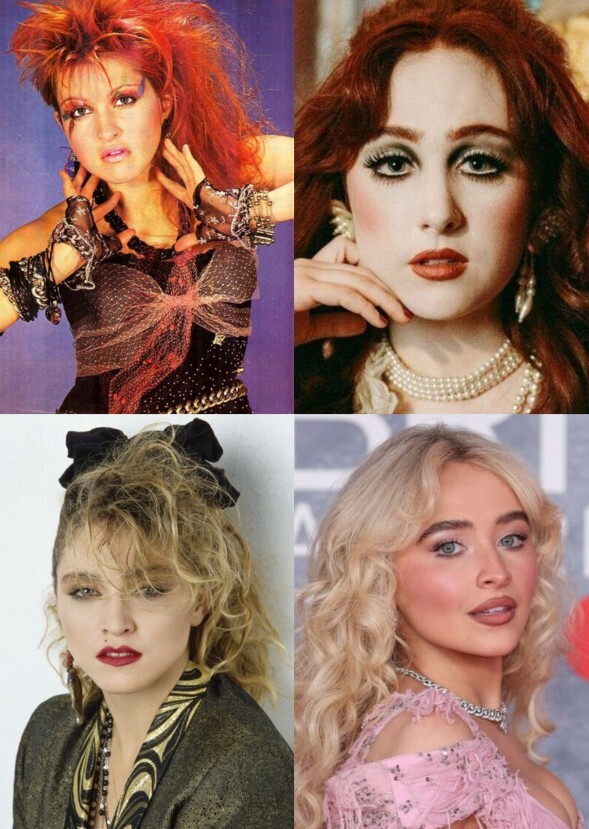
Visually, the era prioritized deliberate iconography. A performer’s physical presentation was not secondary to the music; it was essential to the music’s reception. Consider Madonna’s layered lace, crucifixes, and thrift-store chic, or Prince’s androgynous Edwardian tailoring and high-heeled boots. These visual codes provided fans with instant identifiers, turning personal style into countercultural statements and mass-market fashion trends.
The MTV Revolution: Transforming Musicians into Visual Brands
The launch of MTV (Music Television) in August 1981 permanently altered the mechanics of the music industry. Prior to the network's rise, radio airplay and live touring drove record sales. MTV transformed the pop star into a 24-hour visual presence, prioritizing artists who could command the screen with magnetic charisma, narrative storytelling, and precise choreography.
This visual imperative favored artists who treated music videos as cinematic short films rather than promotional obligations. Michael Jackson’s collaboration with director John Landis on "Thriller" (1983) broke cinematic ground, establishing high-budget, narrative-driven music videos as the gold standard for global pop promotion.
1970s Paradigm: Radio Airplay + Touring -> Album Sales 1980s MTV Paradigm: Cinematic Video Concept + High-Rotation Broadcast -> Global Multimedia Celebrity -> Multi-Format Sales
MTV also dismantled geographic and regional promotion barriers, distributing identical cultural programming across domestic and international markets simultaneously. Pop stars were no longer localized figures; they became unified international entities. This visual medium also expanded the reach of British synth-pop and New Romantic acts—such as Duran Duran, Culture Club, and Wham!—in what music historians refer to as the Second British Invasion, demonstrating that styling and camera literacy were as vital to commercial viability as melodic craft.
Comparative Analysis: Defining 80s Pop Stars and Their Impact
The decade produced distinct archetypes of pop stardom, ranging from auteur multi-instrumentalists to dance-pop trailblazers. The table below outlines how leading artists utilized specific production choices, visual markers, and commercial strategies to achieve enduring influence.
| Artist | Breakthrough 1980s Album | Core Production Signature | Visual Trademark | Cultural & Industry Legacy |
|---|---|---|---|---|
| Michael Jackson | Thriller (1982) | Quincy Jones production; hybrid disco-funk basslines, gated drums, rock guitar solos | Single sequined glove, red leather jackets, precise military tailoring, Moonwalk | Broke racial barriers on MTV; created the blueprint for global multimedia album campaigns. |
| Madonna | Like a Virgin (1984) | Nile Rodgers production; post-disco 4/4 beats, synth basslines, bright vocal hooks | Tulle skirts, thrift-shop layering, crucifixes, peroxide hair, cone corsets | Redefined female agency in pop; pioneered continuous visual and artistic reinvention. |
| Prince | Purple Rain (1984) | "Minneapolis Sound"; LinnDrum machine grooves, stripped-down funk, searing guitar | Purple velvet, ruffled shirts, eyeliner, androgynous glamour, custom guitars | Upheld complete creative autonomy, multi-instrumental studio mastery, and genre fusion. |
| Whitney Houston | Whitney Houston (1985) | Polished pop-soul; grand piano foundations, dramatic key changes, lush reverb | Elegant evening wear, athletic performance ease, radiant smile | Set the technical standard for vocal virtuosity and dynamic melismatic phrasing. |
| George Michael | Faith (1987) | Rhythm-driven pop-soul; acoustic rhythm guitar paired with Roland synth pulses | Aviator sunglasses, leather jacket, faded denim, stubble | Successfully transitioned from teen idol to critically respected adult-contemporary auteur. |
| Cyndi Lauper | She's So Unusual (1983) | New wave pop; layered synthesizers, vibrant rock guitar, four-octave vocal shifts | Multicolored hair, thrift-vintage layering, mismatched accessories, kinetic dancing | Championed authentic individuality, female solidarity, and genre-blurring vocal agility. |
Studio Innovations: Synthesizers, Drum Machines, and Gated Reverb
The signature aesthetic of the 1980s pop star was deeply intertwined with rapid technological advances in sound synthesis, digital recording, and audio processing. Studios transitioned from analog warmth to digital precision, providing artists with tools to build bold, rhythmically rigid tracks.
Digital Synthesizers and Sequencing
The introduction of frequency modulation (FM) synthesis through instruments like the Yamaha DX7 (1983) introduced clear, glassy electric pianos, bell tones, and sharp brass patches that defined countless 80s ballads and uptempo hits. Simultaneously, analog synthesizers like the Roland Juno-60 and Jupiter-8 supplied the lush pads, arpeggios, and warm basslines heard across dance-pop and synth-wave records. The advent of MIDI (Musical Instrument Digital Interface) in 1983 unified these instruments, allowing a single producer or artist to sequence complex arrangements with rhythmic consistency.
Digital Drum Machines
Acoustic drum kits were frequently replaced or augmented by programmable drum machines, most notably the LinnDrum (LM-2) and the Roland TR-808. These machines provided tight, syncopated rhythms that became the backbone of the decade's dance-pop and R&B crossover hits. Prince, for instance, famously treated the LinnDrum as a primary compositional tool, detuning its snare and side-stick samples to construct the skeletal grooves of the Minneapolis sound.
The Gated Reverb Phenomenon
No production technique defines the decade’s drum profile more than gated reverb. Originating accidentally during Peter Gabriel’s 1980 recording sessions with engineer Hugh Padgham and producer Steve Lillywhite, the technique involved applying extensive digital reverb to an acoustic snare or tom, followed immediately by a noise gate that abruptly cut off the reverberant tail. The result was a massive, explosive drum hit that decayed instantly without muddying the rest of the arrangement. Gated reverb rapidly became standard across virtually every major pop production between 1982 and 1989.
The Commercial Machinery: Mega-Tours, Merchandising, and Global Crossover
The 1980s institutionalized the commercial infrastructure that supports modern arena and stadium pop. Prior to this period, large-scale stadium touring was primarily the domain of arena rock bands. Pop artists elevated these events into theatrical spectacles incorporating elaborate set pieces, hydraulic stage lifts, complex lighting rigs, and heavily choreographed dance routines.
Michael Jackson’s Bad World Tour (1987–1989) set unprecedented benchmarks for attendance and revenue, demonstrating that a solo pop performer could sustain a multi-continent stadium run. These tours transformed into massive merchandising ecosystems, selling tour apparel, posters, and branded accessories directly to consumers on a scale never before realized.
Simultaneously, corporate sponsorship agreements matured. Pepsi’s landmark promotional partnerships with Michael Jackson, Lionel Richie, and Madonna demonstrated that corporate endorsements could co-exist with artistic prestige. These alliances funded ambitious music videos, secured cross-promotional television campaigns, and established the contemporary model where corporate alignment accelerates global exposure.
How the 80s Pop Template Informs Modern Music
The structural framework forged by 1980s pop icons remains the standard operational blueprint for the 21st-century music industry. Modern pop culture consistently cycles through 80s sonic conventions and promotional methodologies:
- Synth-Wave and Retro-Pop Production: Modern chart-topping projects by artists like The Weeknd, Dua Lipa, and Harry Styles directly deploy 80s synth basslines, gated snares, and four-on-the-floor kick patterns.
- The Era-Based Visual Reinvention: The standard industry strategy of treating each new album as a distinct visual "era"—complete with a dedicated color palette, fashion aesthetic, and thematic persona—was formalized by Madonna and Prince in the mid-1980s.
- Integrated Multimedia Campaigns: The expectation that a single release requires an interconnected rollout of cinematic visualizers, dynamic television appearances, and viral visual moments traces directly back to the promotional rhythms established during the MTV era.
Frequently Asked Questions
What defined the vocal style of an 80s pop star?
Vocal styles in 80s pop were characterized by dramatic dynamic range, powerful chest-voice belting, expressive vibrato, and distinctive rhythmic phrasing. Singers balanced smooth, emotional deliveries on synth ballads with percussive vocal inflections, breathy accents, and ad-libs on high-tempo dance tracks, often enhanced by digital delay and stereo chorusing.
Why were synthesizers so dominant in 80s pop music?
Synthesizers dominated because rapid advancements in digital microprocessors and MIDI made polyphonic and digital instruments both affordable and commercially available. Instruments like the Yamaha DX7 and Roland Juno series allowed producers to create novel textures, pristine basslines, and brass sounds that felt modern, futurist, and well-suited for radio broadcast.
How did fashion impact the success of 80s pop icons?
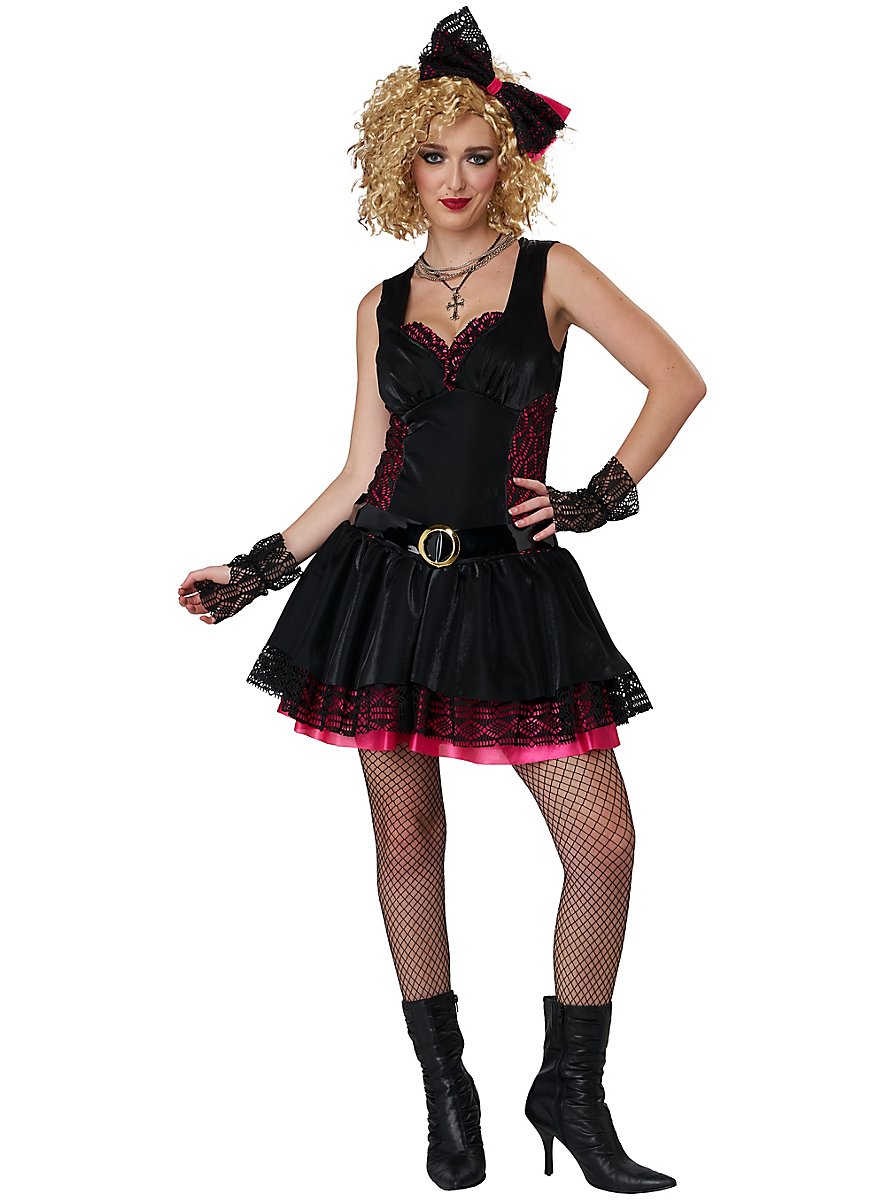
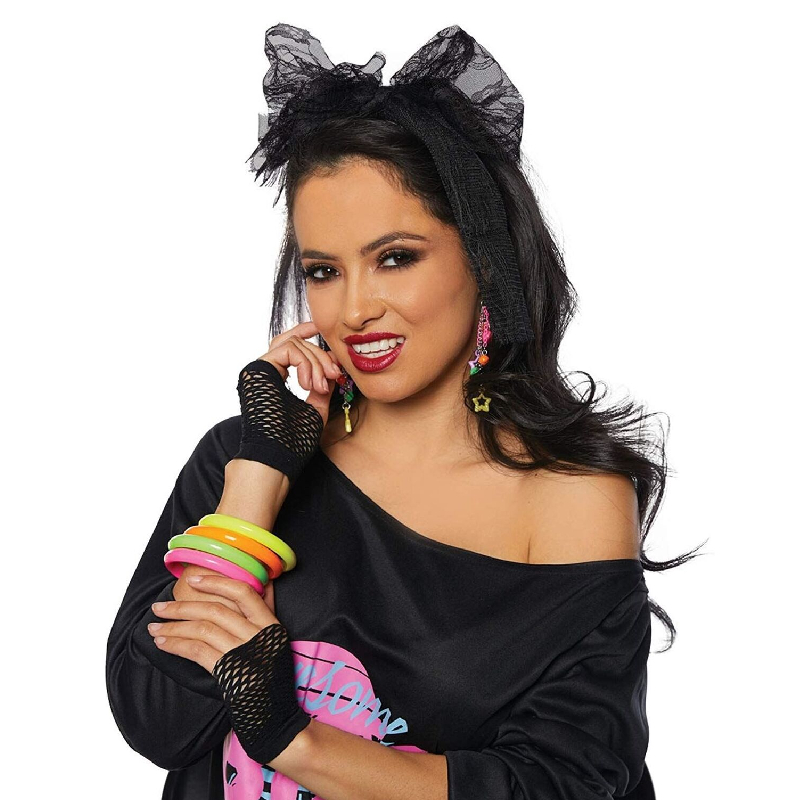
Fashion functioned as an immediate visual shorthand that differentiated artists in a crowded, video-centric media landscape. Distinctive wardrobes—such as oversized shoulder pads, fingerless gloves, vibrant neon accessories, and leather jackets—allowed performers to build recognizable brands that resonated across television screens and drove youth retail trends.
What was the Minneapolis sound?
The Minneapolis sound was a subgenre pioneered by Prince in the late 1970s and 1980s that fused funk, synth-pop, rock, and new wave. It replaced traditional R&B horn sections with polyphonic synthesizers and accented offbeat rhythms using the LinnDrum machine, leaving a lasting mark on subsequent pop and dance music production.
How did the concept of the pop album change during the 1980s?
The pop album transformed from a collection of songs centered around one or two singles into a sustained multimedia campaign capable of generating four to seven Top 10 hits over two years. Albums like Thriller, Born in the U.S.A., and Bad proved that continuous single releases and music videos could keep an album on the charts for years.
Preserving and Exploring the 80s Pop Canon: A Collector's Framework
For researchers, music collectors, and audio engineers evaluating 1980s pop, appreciating the era requires engaging with its original production formats and mastering histories:
- Prioritize Early Vinyl and Uncompressed CD Masters: Modern remasters of 80s pop classics often compress dynamic range to match modern loudness expectations. To hear the spaciousness of original gated reverb and synthesizer dynamics, seek out original vinyl pressings or first-generation compact disc releases mastered between 1983 and 1989.
- Examine Extended 12-Inch Dance Mixes: The 1980s was the golden age of the 12-inch single, where producers like Shep Pettibone, Arthur Baker, and Francois Kevorkian deconstructed album tracks into extended, dub-heavy club versions. These mixes reveal the foundational rhythm sections and multi-track separation often masked in compressed radio edits.
- Trace Original Equipment Manuals and Signal Chains: Audio engineers and producers studying the period should review the technical manuals and routing workflows for seminal gear like the AMS RMX16 digital reverberator, Eventide H910/H949 Harmonizers, and LinnDrum sequencers. Understanding these specific signal paths clarifies how classic 80s pop records achieved their signature punch, stereo spread, and sonic clarity.